The line between novelty and familiarity is often thin, and adaptations have the unenviable task of balancing the scales. On paper, the approach seems straightforward – keep what fans love, change what they don’t, and update the visuals for modern audiences – but technical and design challenges make it a pipe dream for some.
With beloved classics, higher stakes and through-the-roof expectations are only par for the course. Square Enix embarked on an ambitious undertaking with its 2020 remake of Final Fantasy VII, one of the highest-regarded titles of all time, introducing wrinkles to the original plot and overhauled combat that continued into the 2024 sequel, Rebirth. Battles became even flashier and larger than life, party members could trigger Synergy Attacks, and the world map was a sprawling hub of side activities, places of interest, mini-games and more.
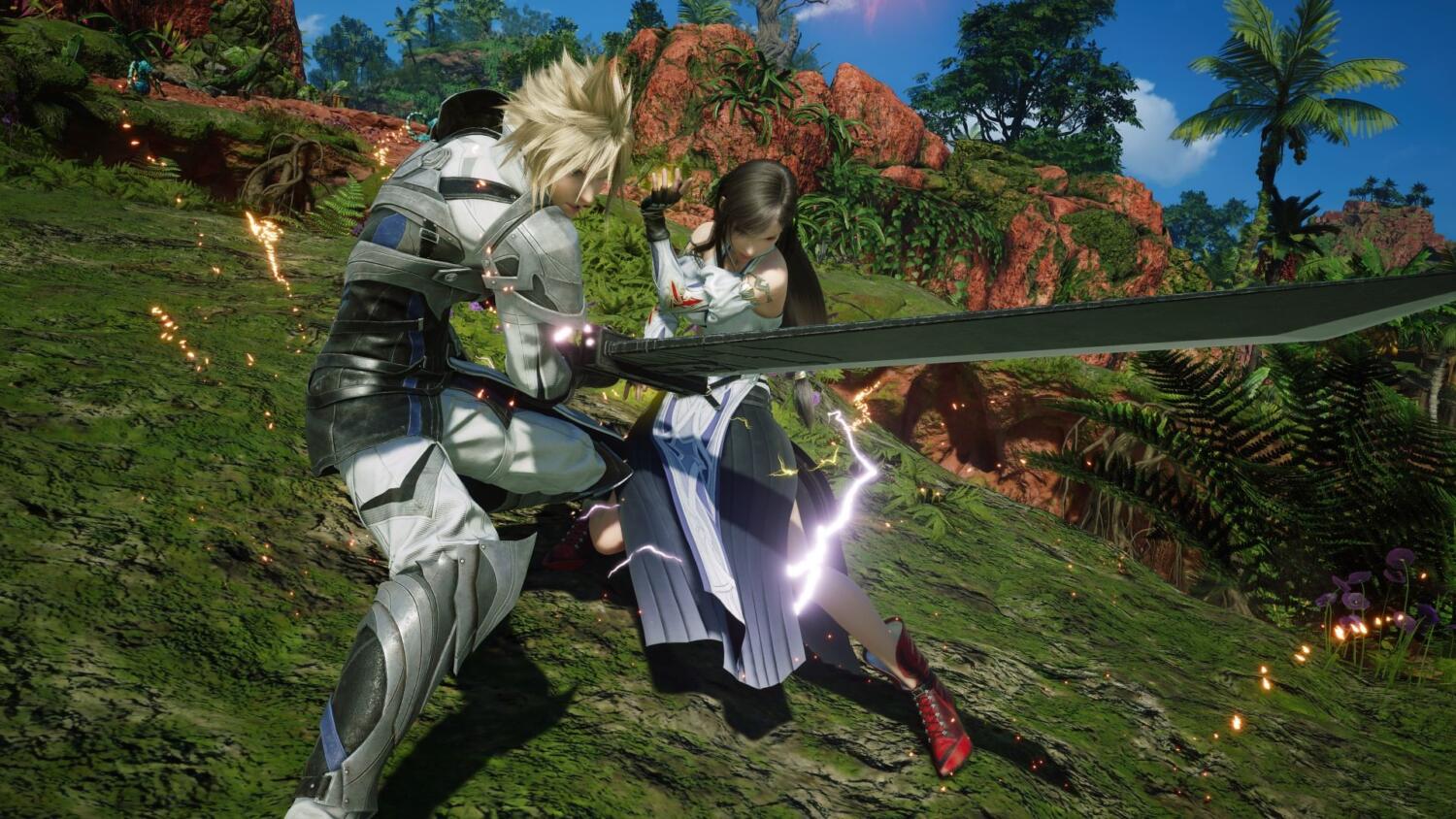
Beneath the polish, however, still lies the essence of the turn-based RPG that started it all, set to culminate in Final Fantasy VII Revelation. As the trilogy’s capstone, it looks to end Cloud’s journey with a bang in several new ways, including open-world exploration on Cid’s airship, the Highwind, and parachute landing for an element of verticality, as well as the FITS, or Function Integrated Suitwear, system that changes a party member’s appearance and combat capabilities based on their outfit.
The larger narrative won’t be the same from memory, either. In a bold move that may have ruffled the feathers of some old-timers, especially those protective of the original, Rebirth toyed with alternate worlds and timelines, which, alongside the major, well, revelations in its 1997 progenitor (no spoilers here!), leave a lot to unpack. It’s ‘going big’ in a different sense, and not always for the better, as the complex storytelling threads risk deviating too much from the source material and may be overwhelming to follow.
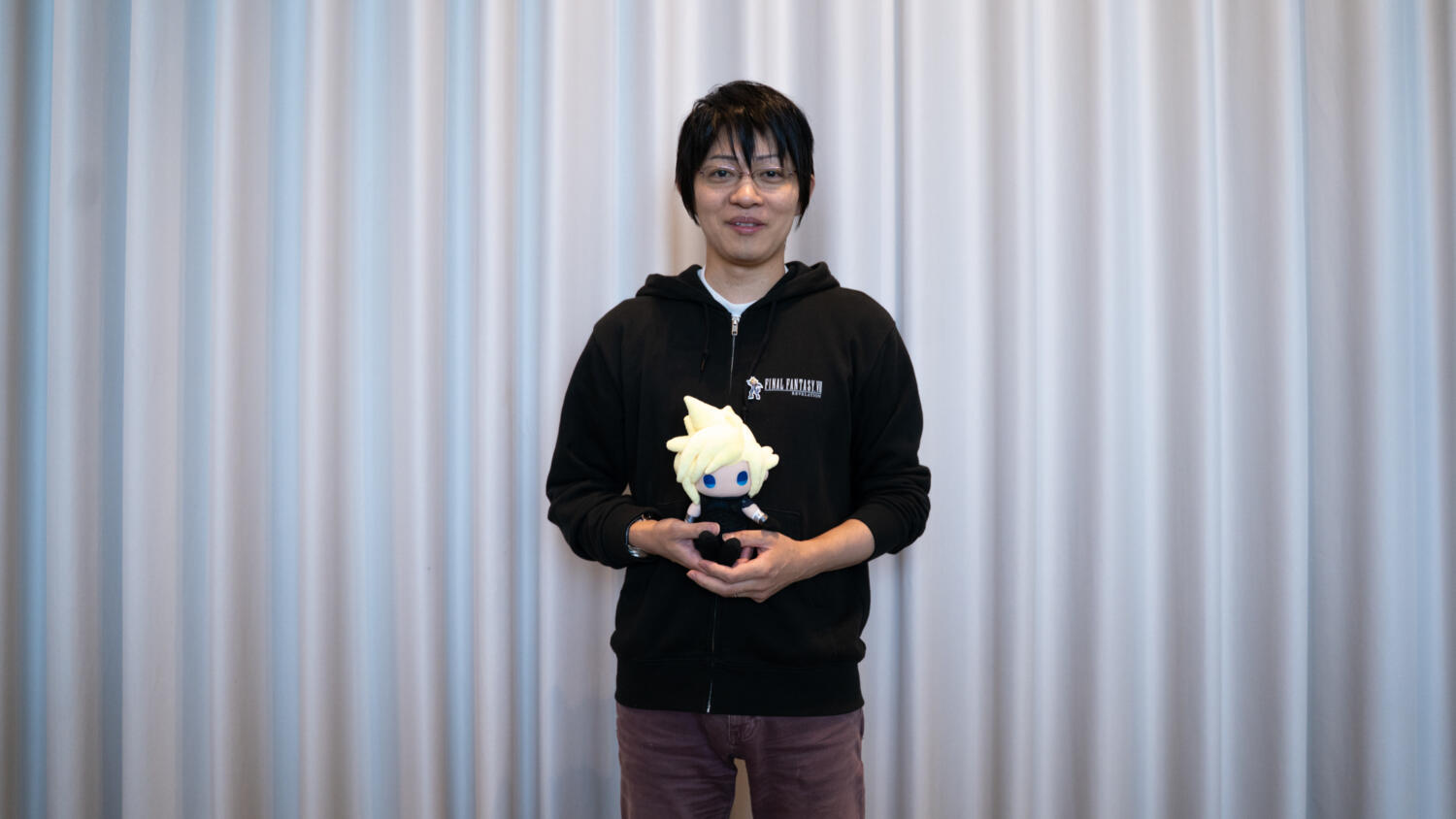
Speaking to Southeast Asian media at gamecom Asia x Thailand Game Show 2026, director Naoki Hamaguchi shares the team’s approach to weaving exposition into the worldbuilding and gameplay progression, instead of explicitly addressing it:
“As we move towards the story’s conclusion, we put extra care into depicting the explanations. For example, when Cloud looks at himself, the plot will be expressed through the gameplay experience.”
But Final Fantasy VII Revelation still has more explaining to do. As previously mentioned, it will incorporate elements from various Final Fantasy VII spin-offs, such as Crisis Core, focusing on Cloud’s mentor and previous Buster Sword wielder Zack Fair, and the Advent Children animated film, which takes place two years after the events of the base game and follows the appearance of a trio that kidnaps children infected with an unexplained disease called Geostigma.
Not everyone is up to date with the continuity, and understandably so – both were released years after the original, in 2007 (2008 in the West) and 2005, respectively, and the muddy plot was one of the latter’s criticisms, especially for viewers who didn’t play the game. The extent of each work’s influence remains unknown, but a lot of consideration went into addressing the knowledge gap without compromising the fan experience.
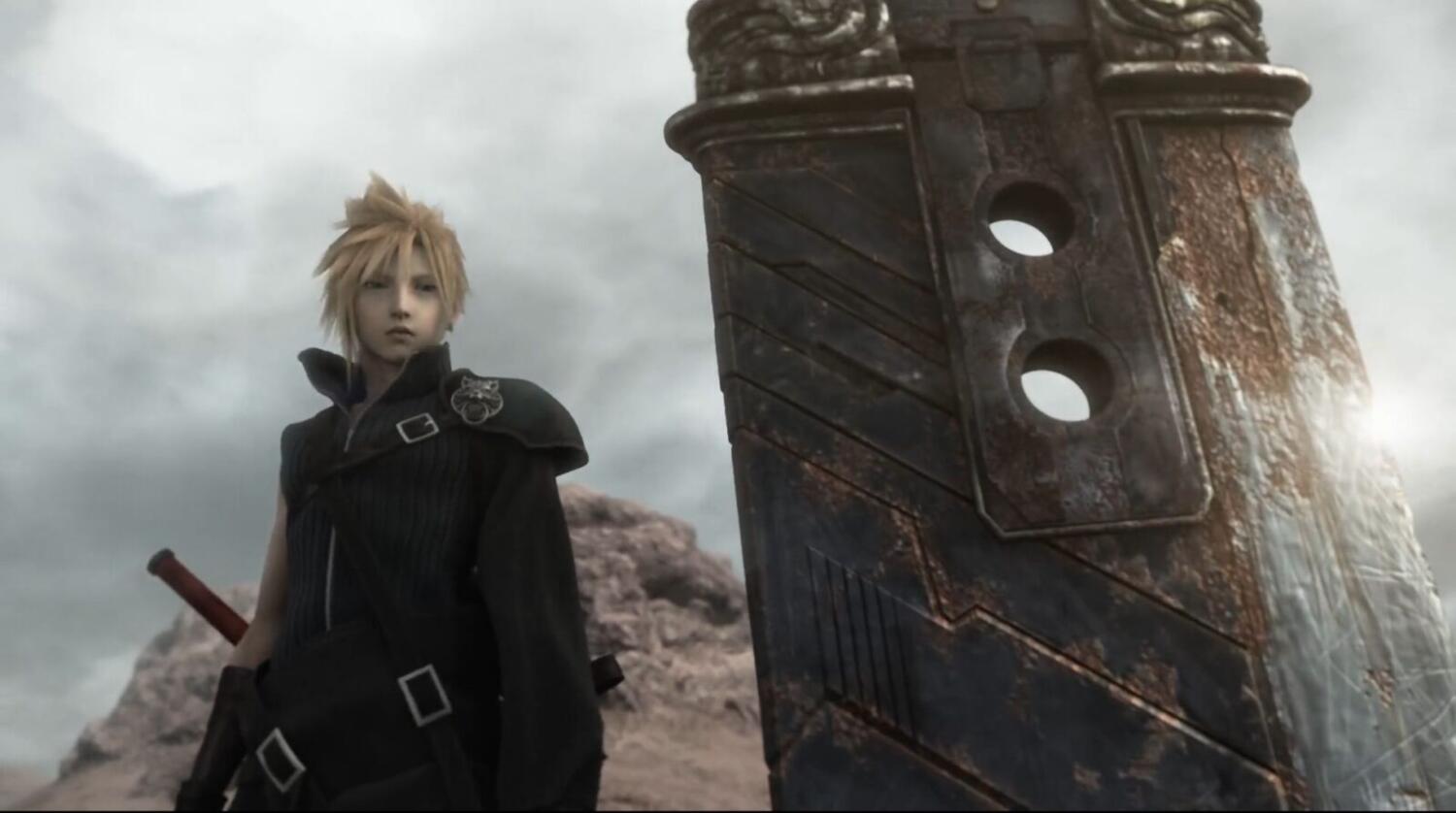
“As the last part of the trilogy, we have implemented lots of elements from the spin-offs to make fans enjoy it,” the 45-year-old highlights. “We understand that different people have different levels of understanding, but there will be things that you understand when playing Revelation, and there will also be some that we are leaving to the player.”
This ambiguity is a double-edged sword. On the one hand, it can create an ouroboros in which convoluted storytelling makes parsing the material difficult, ultimately leading to the inadvertent loss of the original messaging; on the other, it offers a breeding ground for different interpretations and new perspectives. In any case, all changes are structured around one main philosophy – pay respect to the memory of the 1997 classic and its elements, in Hamaguchi’s words.
Building on existing systems and features is a given. Alongside the earlier-mentioned FITS system, itself a twist on the franchise’s traditional Job mechanic, and vertical traversal, Final Fantasy Revelation will bring more story-centric side quests, an original narrative for series mainstay Gilgamesh in the questline for Knights of the Round, the most powerful Summon Materia in the source material, and a fresh take on raising Chocobos.
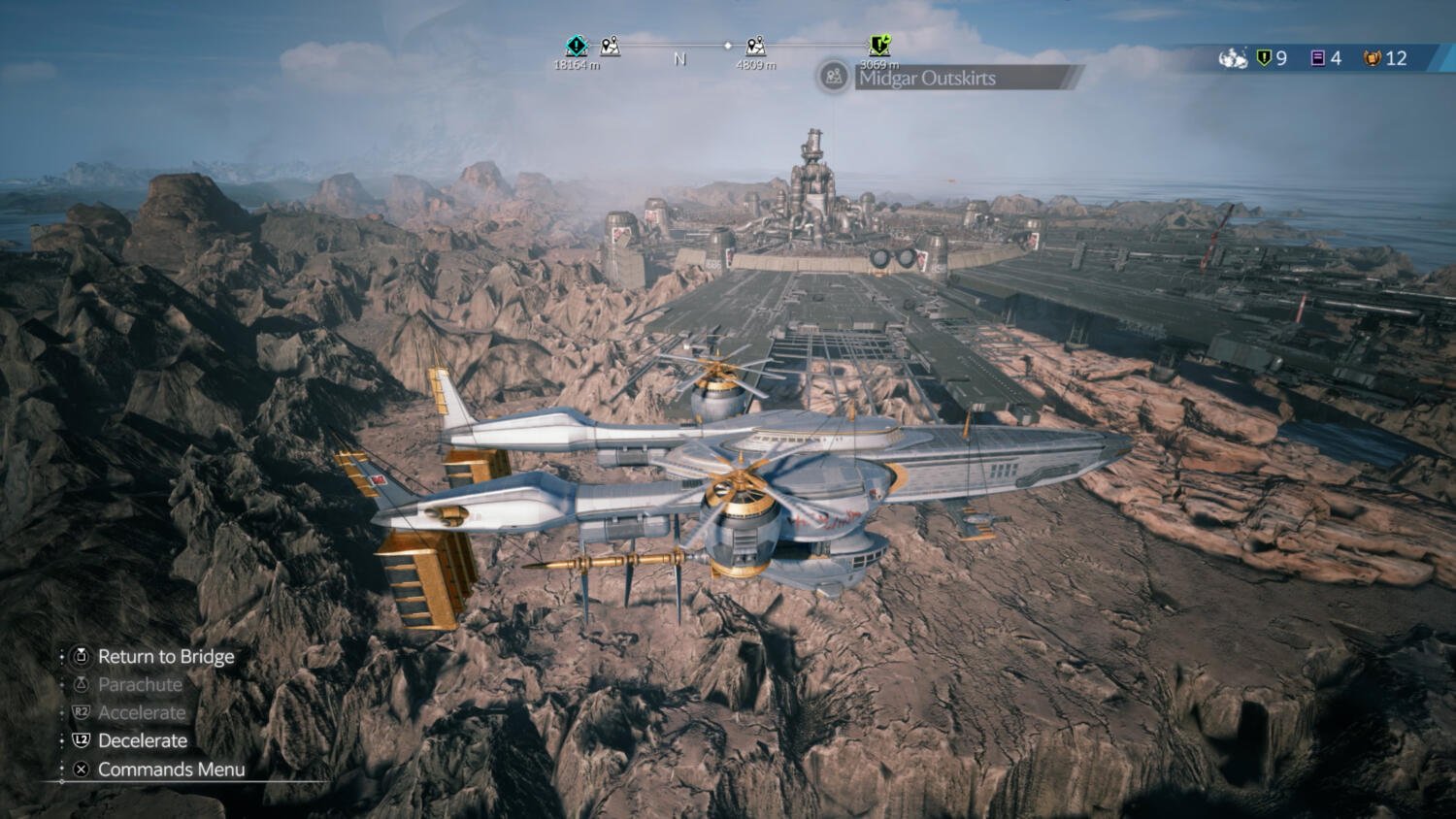
“For the process of growing your Chocobo, the more you develop it [here], the more places you can explore in the world. In the original game, your Chocobo will simply grow up, [and] there’s an exact facility that you can go to grow it,” he explains, referring to the Chocobo Farm in the Grasslands Area. “Here, it will gradually grow to make exploration smoother and easier.”
A previous interview revealed insights into Chocobo features, including the ability to call on returning feathered companion Piko upon landing after skydiving out of the Highwind and upgrade Whirlwing and Chocomagic skills for combat. The hot springs system, first unveiled in a gameplay clip at SDCC Málaga and formerly an optional experience, now unlocks new cosmetics and buffs for each character.
When there’s so much content, something’s gotta give, though. Removing content is never easy and requires delicate handling, so Final Fantasy VII Revelation has opted for the middle ground – preserving the submarine scene in the source material, but reducing the level of player involvement (in the former, there was a dedicated submarine mini-game where Cloud and the party must intercept a Shinra red leader submarine carrying a Huge Materia).
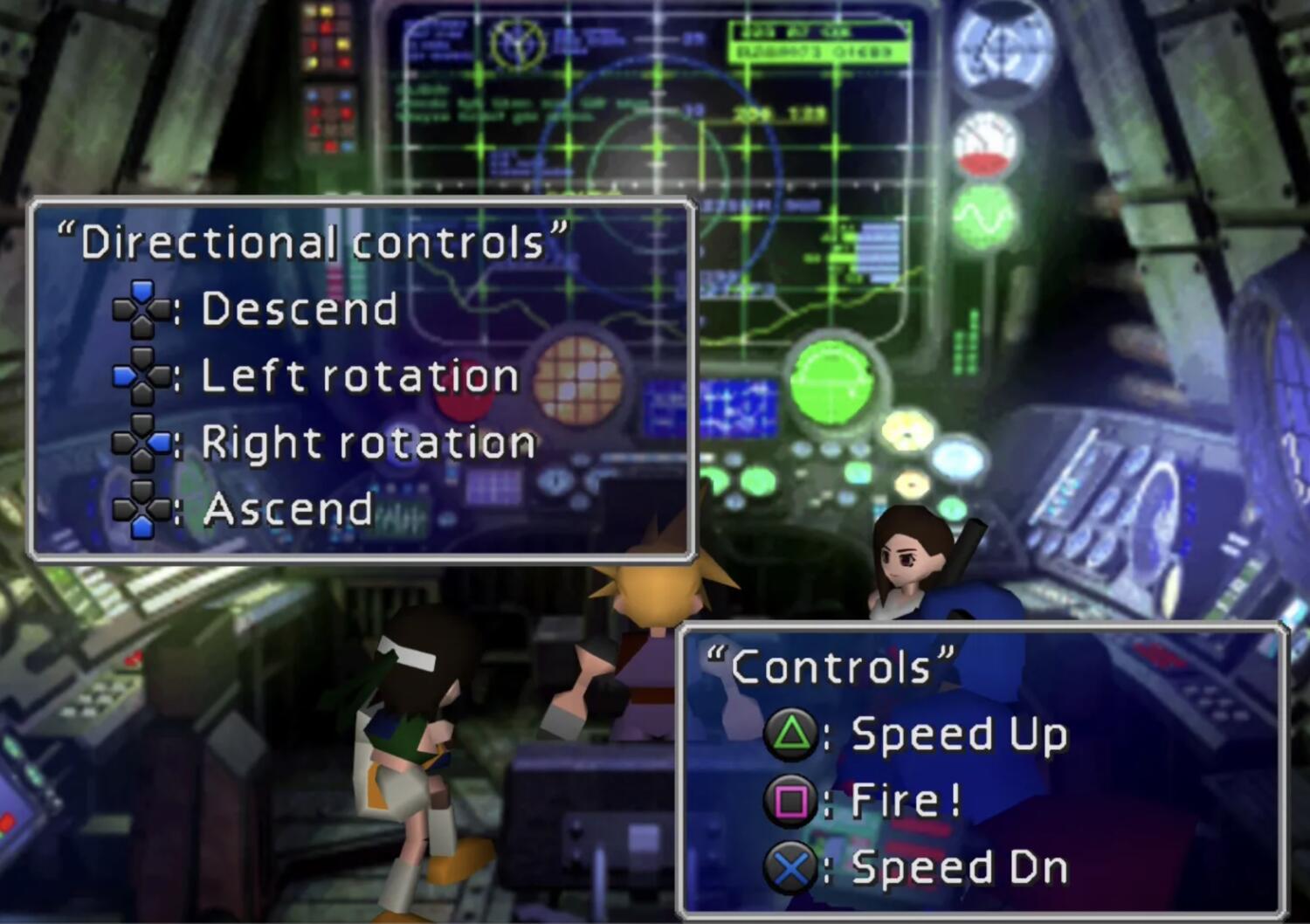
“There are other parts we considered might be too much, and players won’t be able to explore everything. Like the submarine part, right? I didn’t include it in the roadmap, but you can experience that in the story,” reveals Hamaguchi.
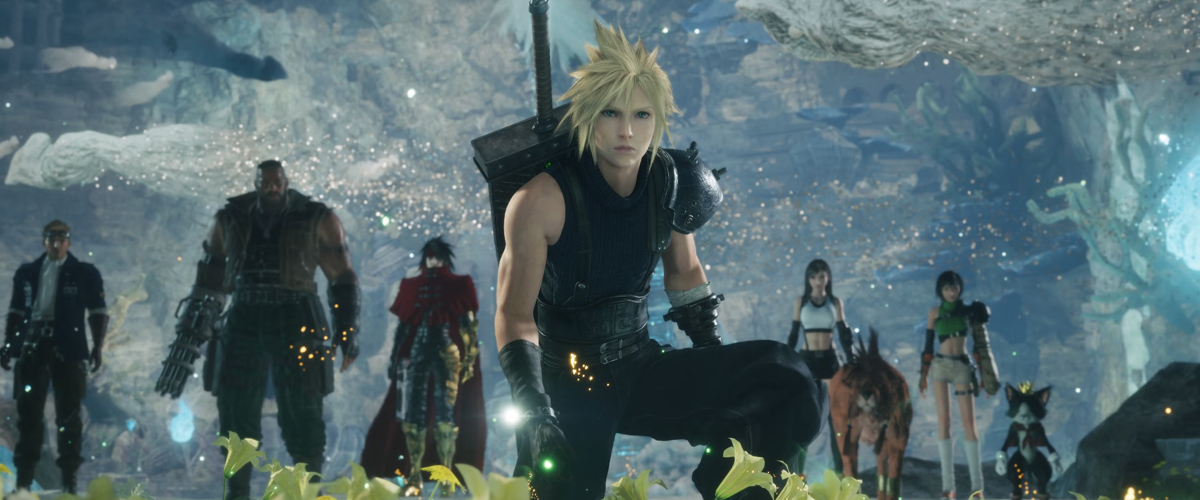
The other major factor is an expanded party. As with its progenitor, characterisation remains a strong draw of the remake trilogy, and it will be no different here, even with two playable additions: Cid and Vincent. Now that the roster has grown, the team paid special attention to spotlight each of them individually, including story arcs centred on locations that hold significance for them, specifically pointing out Wutai and Rocket Town for Yuffie and Cid, respectively.
Also driving their growth are the interactions between the party. By highlighting and contrasting a character’s reactions and behaviours against another in a unique situation, Final Fantasy VII Revelation brings out their individuality and distinctive qualities, breathing new life into existing portrayals. For Vincent, a casual in-game conversation prompted the team to adopt red as an indispensable part of his aesthetic, regardless of the outfit.
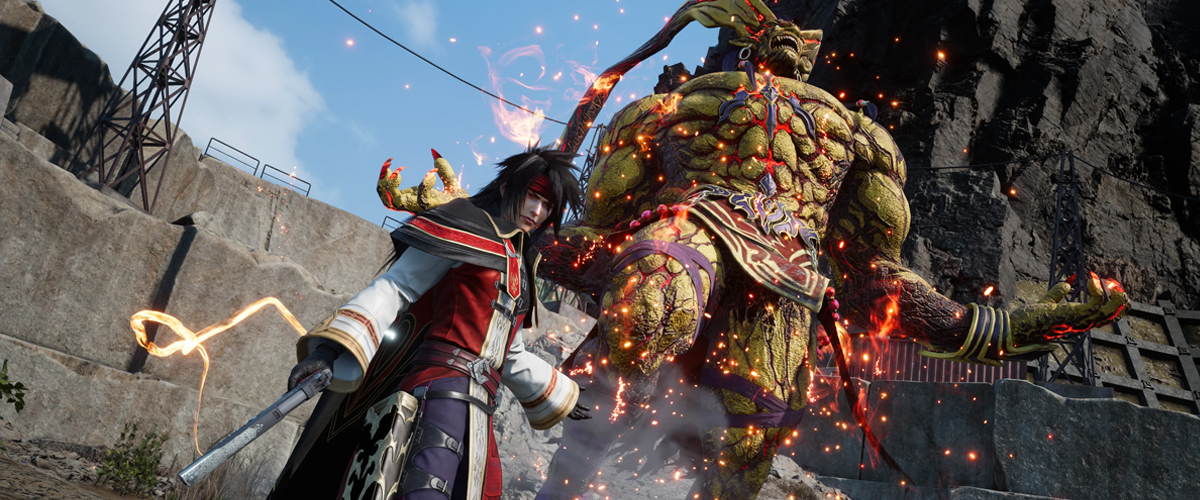
Hamaguchi reveals, “In the game, there’s a scene where Yuffie says to Vincent that he likes red, and our development team had a discussion that when players choose any costume for Vincent, there’s going to be some redness in it.”
Coming over from Rebirth, the Aerith-shaped absence is hard to ignore. Since FITS grants access to abilities and perks otherwise unavailable in their original kit, party members can offer more versatility instead of fulfilling a dedicated role (Aerith, for instance, is the designated main healer in the first two instalments). The convenience has floated the notion that it was created to fill in for the flower girl’s specialisation in offensive and defensive magic, which the Black Mage centres around.
To that, the company veteran stresses that the adjustments stemmed from the previously established combat system, and isn’t a “concrete statement that [players] wouldn’t be able to use Aerith.” Rather, it extends an invitation to explore various character matchups and find the one that best suits their play style.
“We’re on the assumption that if we don’t have Aerith, we’re going to move her skill to another place, but it’s not. It’s more about the combat system,” he clarifies. “There’s no like, ‘Okay, we abandon you and make this character [fill] this role.’”
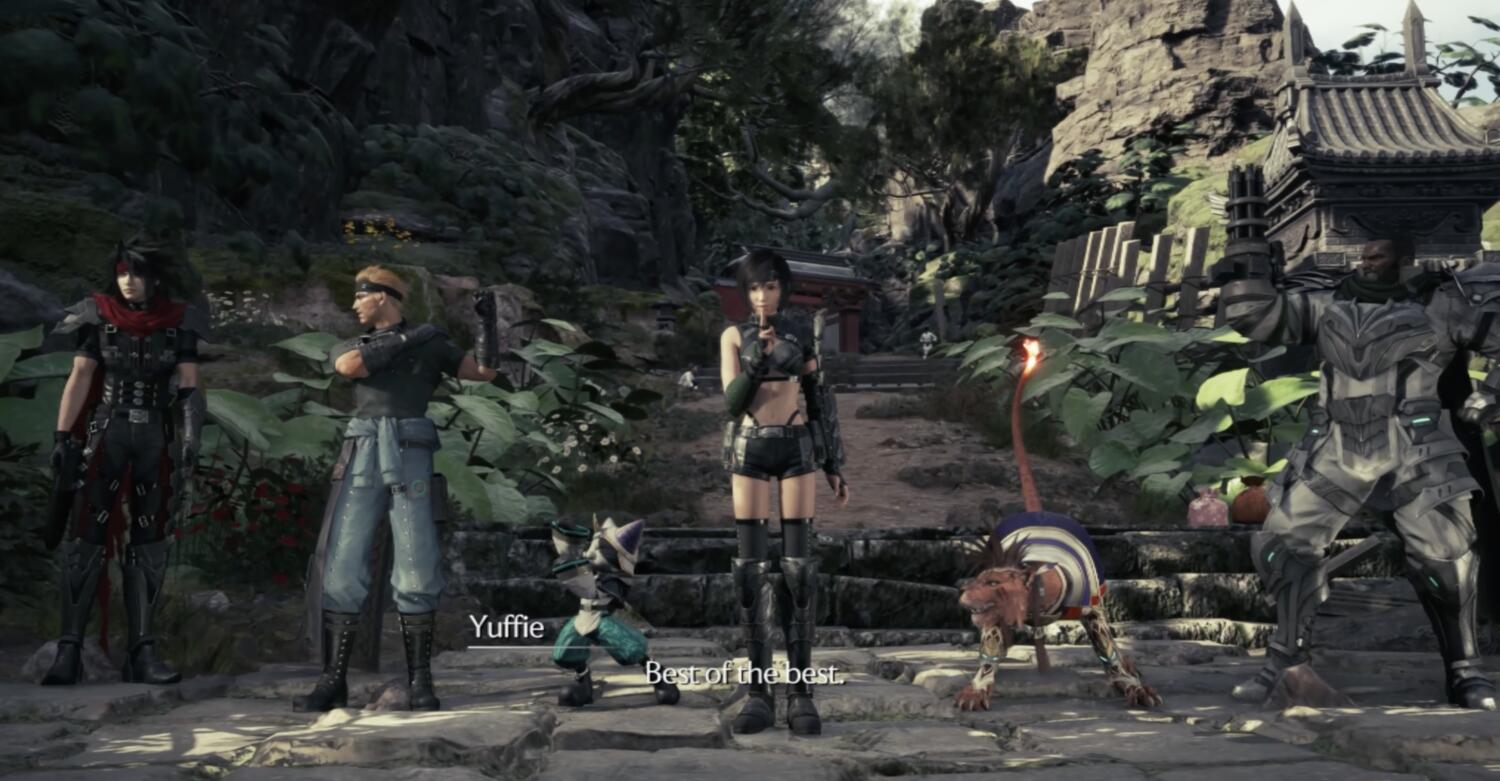
With Final Fantasy VII Revelation billed as the final chapter of Cloud’s journey, there’s immense pressure to stick the landing and prove that third time’s still the charm. Few things are more important than honouring its roots, and nobody understands it better than the director who has completed the game 46 times and counting, straddling the line between innovation and nostalgia. As Cloud would say, “All right, everyone, let’s mosey.”
Final Fantasy VII Revelation releases for Nintendo Switch 2, PS5, PC, and Xbox Series X|S on 8 April 2027.

Si Jia is a casual geek at heart – or as casual as someone with Sephiroth’s theme on her Spotify playlist can get. A fan of movies, games, and Japanese culture, Si Jia’s greatest weakness is the Steam Summer Sale. Or any Steam sale, really.

 Kevin Low