
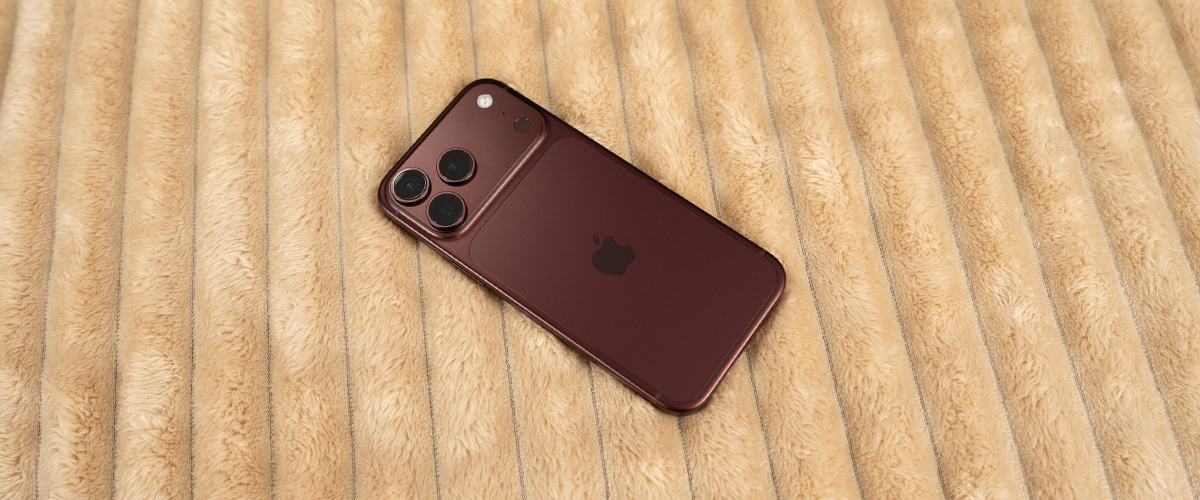
Since its inception, the camera on Apple’s iPhone has always done the work for users. Anyone can literally point and shoot as the company stripped away the fundamental manual controls of photography where users didn’t need to know or understand shutter speeds or low light modes, as the phone does the thinking for you.
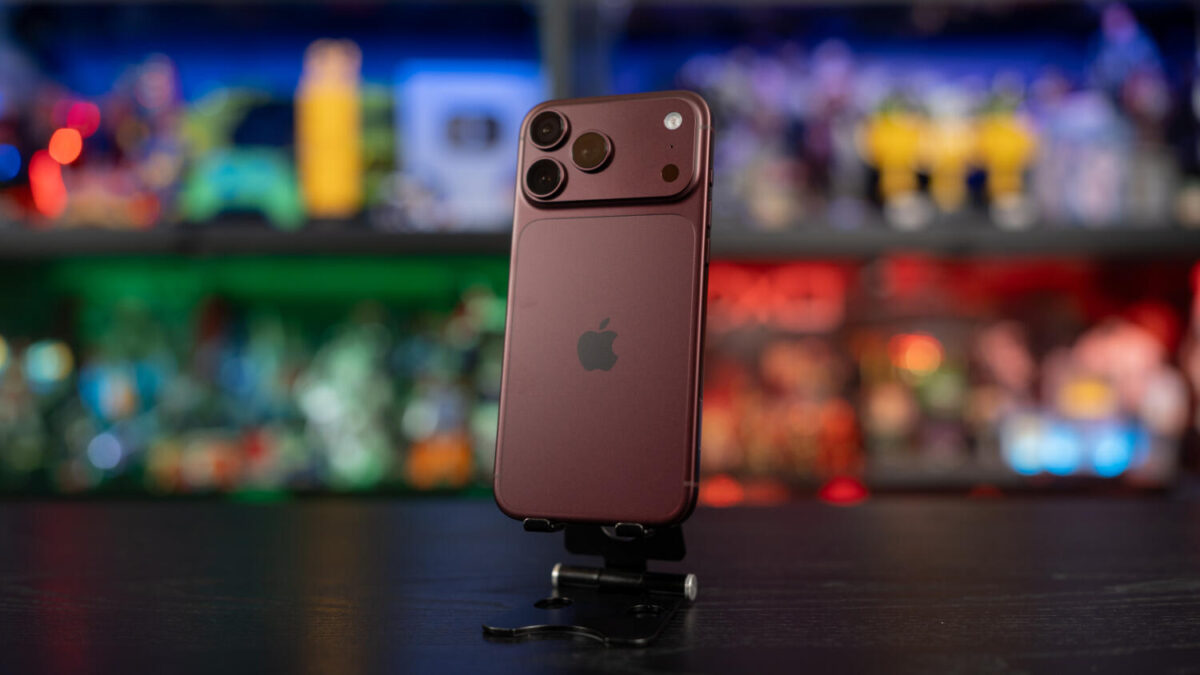
And for nearly two decades, it set the industry standard of what a smartphone camera could be and while its peers went chasing after higher megapixel count, multi lens and larger apertures, Apple diligently spent the last decade making adjustments that still provided that reliable point and shoot foundation. So it’s a big deal when Apple has quietly handed the steering wheel back this year as the iPhone 18 Pro and, in particular, the iPhone 18 Pro Max, are the first iPhones with an aperture you can physically open and close, with a shutter you can actually operate.
In past reviews of the iPhone family of devices, we’ve noted that every iPhone release debuts in two alternating phases. The first is the incremental — a brighter display, a better performing battery, a faster chip, and the now routine musical chairs of new colours and retired ones. The second is a new feature, software or hardware, or both, that changes how you hold and use the phone. Things like Dynamic Island, the Action button and last year’s Camera Control do some of the heavy lifting and the decision to upgrade sits when the balance of the incremental and the new feels impactful enough and this year, it’s not just a new button or UI setting but a physical change that alters the mechanics of how you shoot.
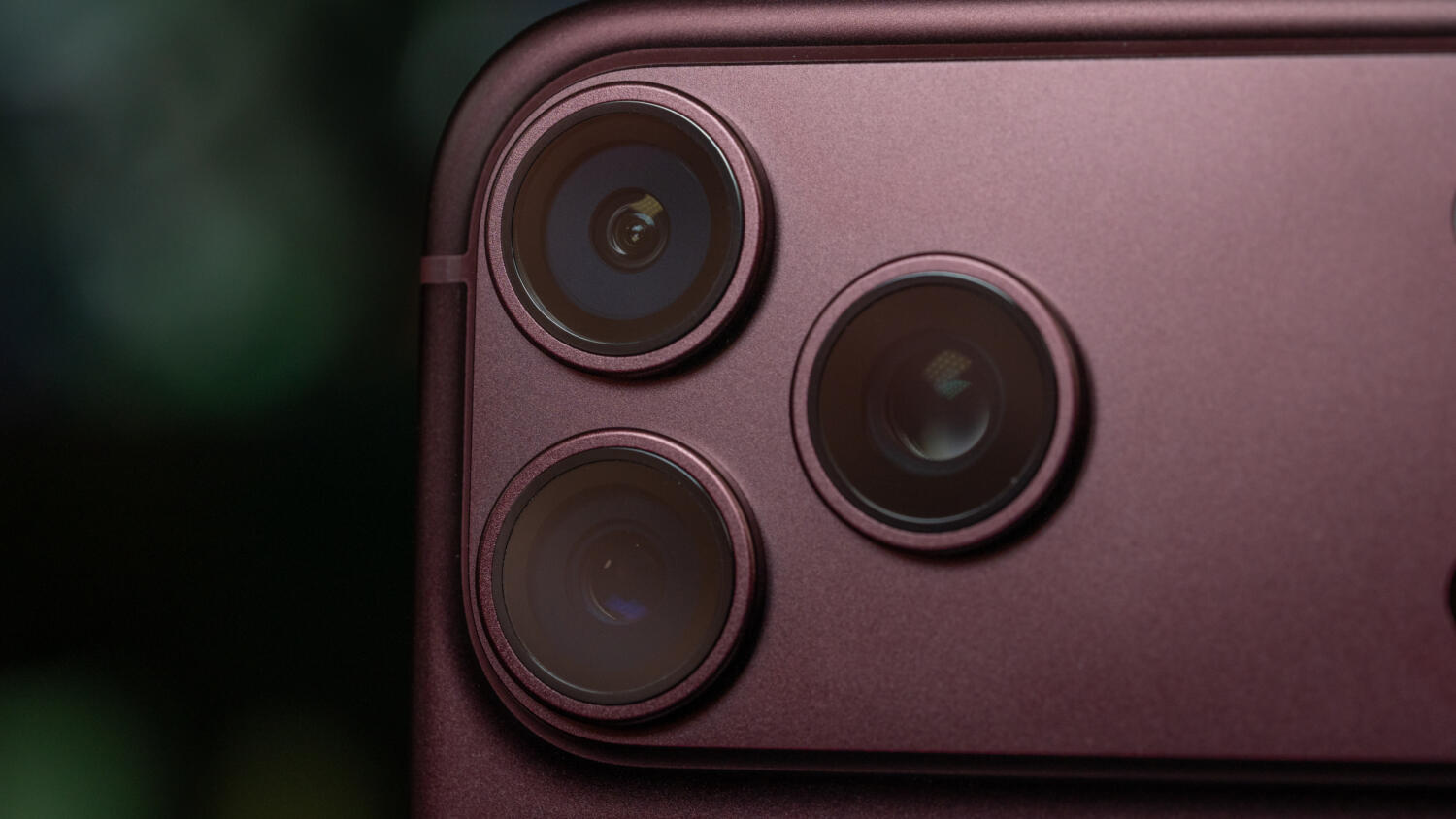
With a variable-aperture main camera and new controls that bring manual shutter speeds to the Camera app, Apple has built a flagship that doesn’t feel like a camera – it works like one. And for the first time in a while, it lets you decide how to take photos.
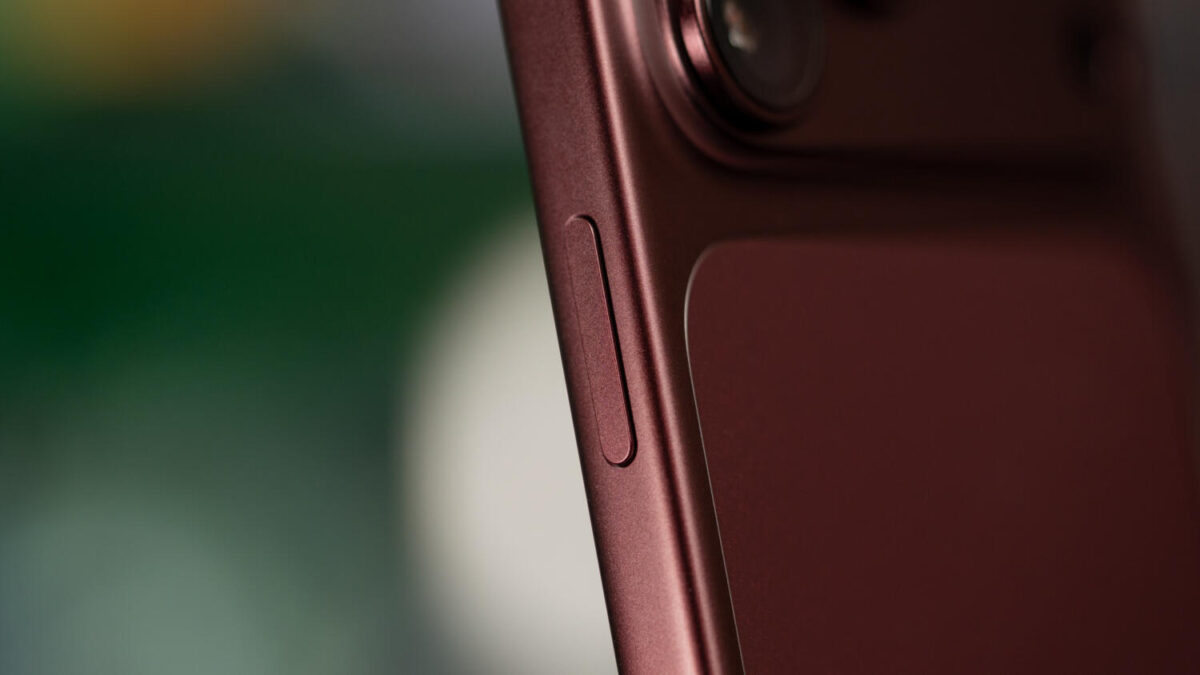
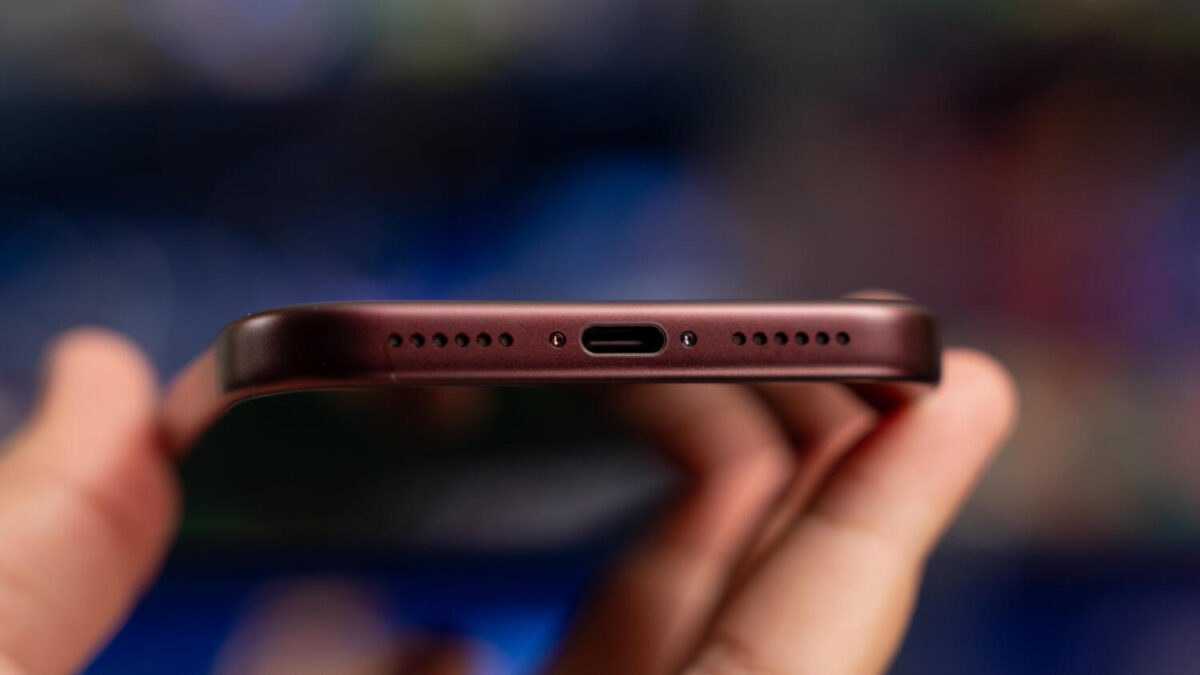
And with such a huge focus on the camera, it’s expected that the company hasn’t moved the needle on design. On paper, the iPhone 18 Pro and Pro Max keeps the 17 Pro and Pro Max’s unibody aluminium chassis, the ceramic rear, and the full-width camera plateau, with both Pro Max models sharing the same dimensions of 163.4 x 78 x 8.75mm such that our existing iPhone 17 Pro Max phone cases can fit the new phone. Weight wise, the iPhone 18 Pro Max comes in at 249g, just a smidge more than the 231g of the iPhone 17 Pro Max.
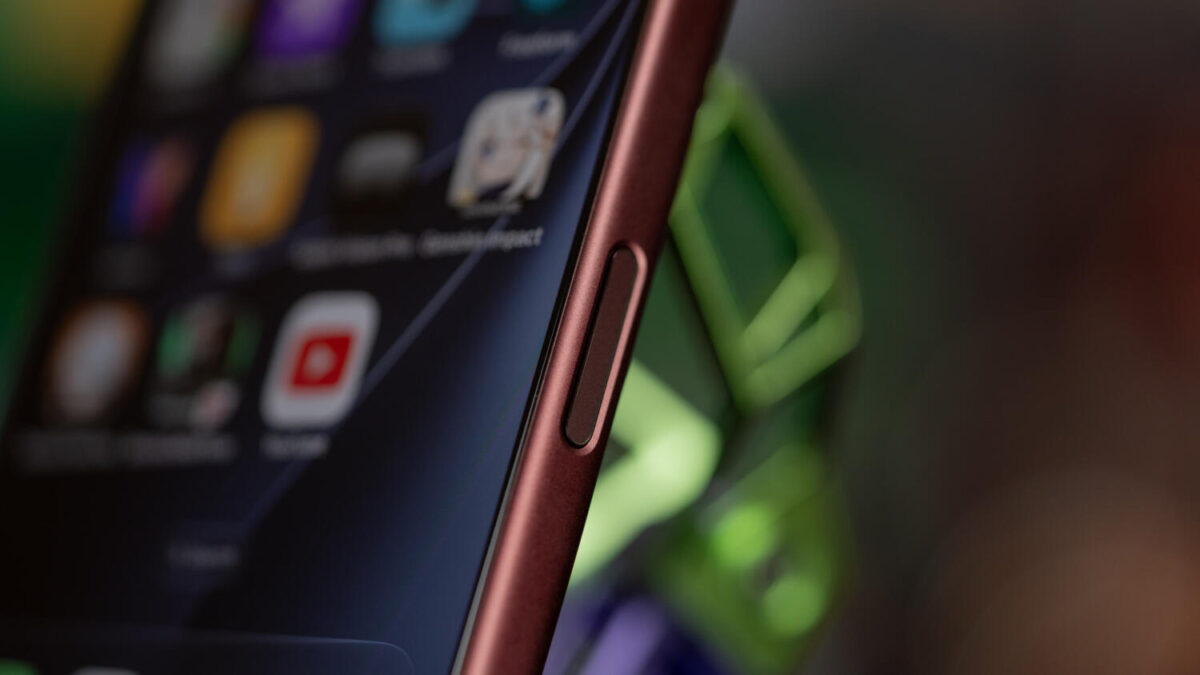
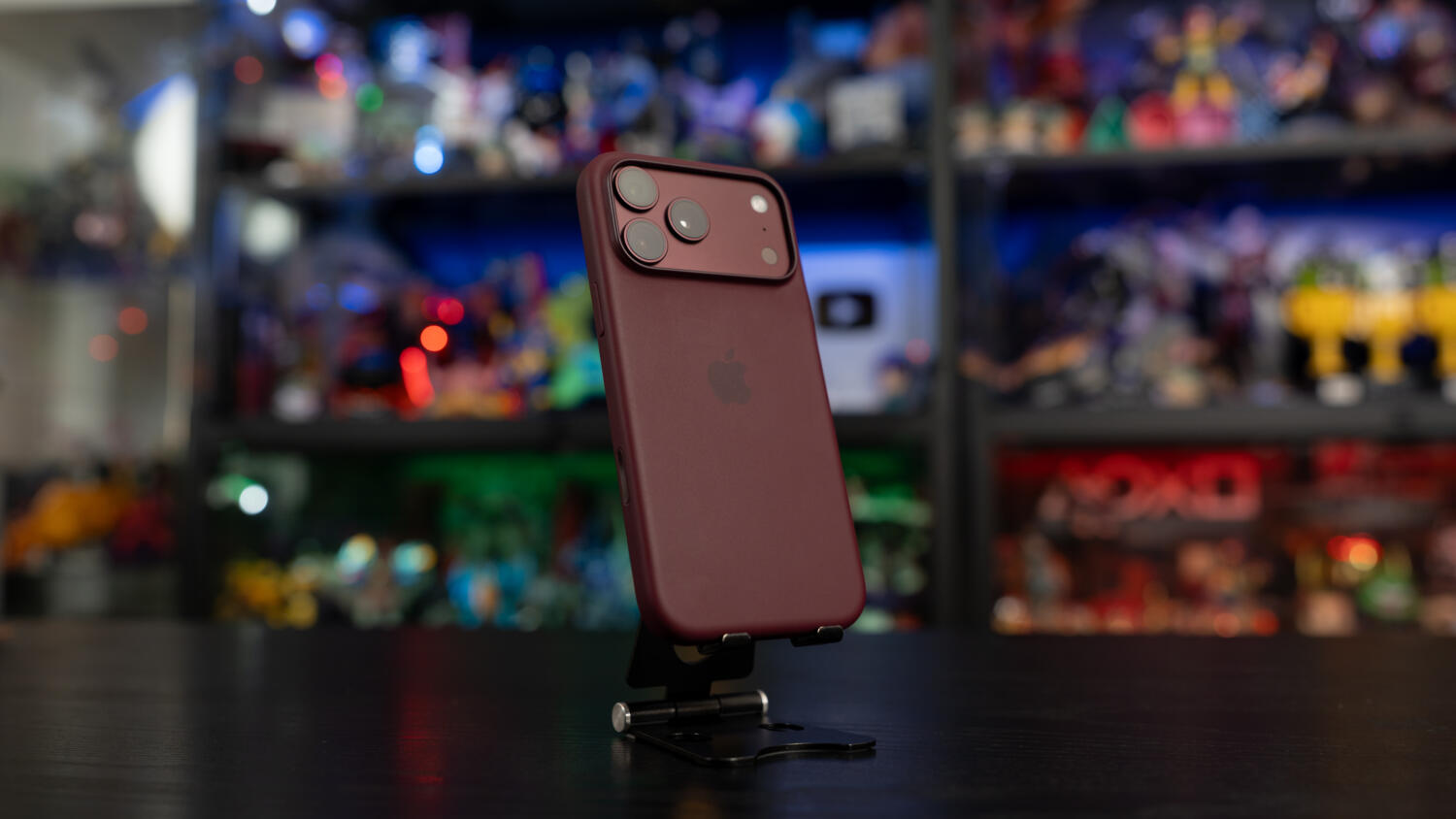
With colours, there’s now a deep carbon black alongside the silver and a glacier light blue to accompany the burgundy. Unlike the orange from last year, the wine-inspired hue offers a classy presence and is more subtle looking on hand. At certain angles and with light shining on it, it does give off a rather intense blood red look that would look great at any evening event.
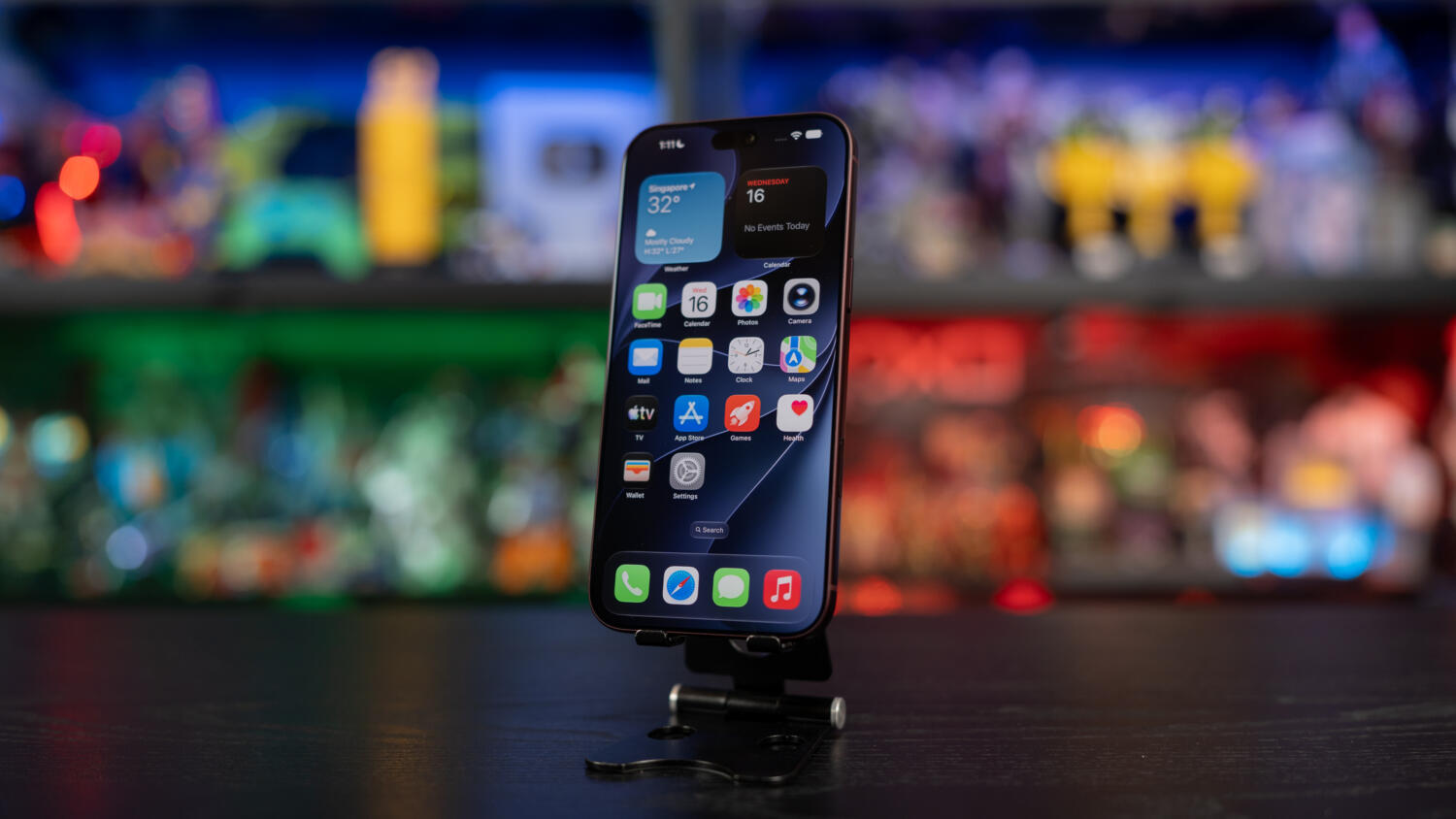
The one visible change to the surface of the phone is actually something that can’t be seen, unless you’re notified and that’s the smaller, pill-shaped Dynamic Island notification pop up that was first introduced on the iPhone 14 Pro and Pro Max. On the iPhone 15 Pro Max, we noted that the Dynamic Island “takes up unnecessary space” and hid the carrier icon and three years later, Apple has made it roughly 25 per cent smaller, but made room for more information to be displayed as it now shows three Live Activities at once, while still doing all the Face ID and authentication duties. It took Apple four years to acknowledge that the island was too big and this year, this is the smaller pill we can swallow.
Inside the phone is the A20 Pro, Apple’s first 2-nanometer (nm) chip, which comes with a 6-core CPU with 50 per cent more memory bandwidth than last year’s A19 Pro, and a new 7-core GPU that is up to 40 per cent faster. Then there is support for Apple Intelligence, the company’s push for artificial intelligence (AI) that demands more of local processing than the industry’s reliance towards cloud computing, and its Dual 16-core Neural Engine, for a total of 32 total cores, doubles the AI processing of last year.
Based on pure performance benchmarks, the numbers have gone up drastically, with Geekbench 6 showing the A20 Pro CPU benchmarks of 4,685 (single core) and 12,502 (multi core) versus the A19 Pro’s 3,547 and 8,953, and GPU of 65,541 versus that of 45,521. On AnTuTu, the chip clocked 3,536,960 compared to 2,431,666 for its predecessor.
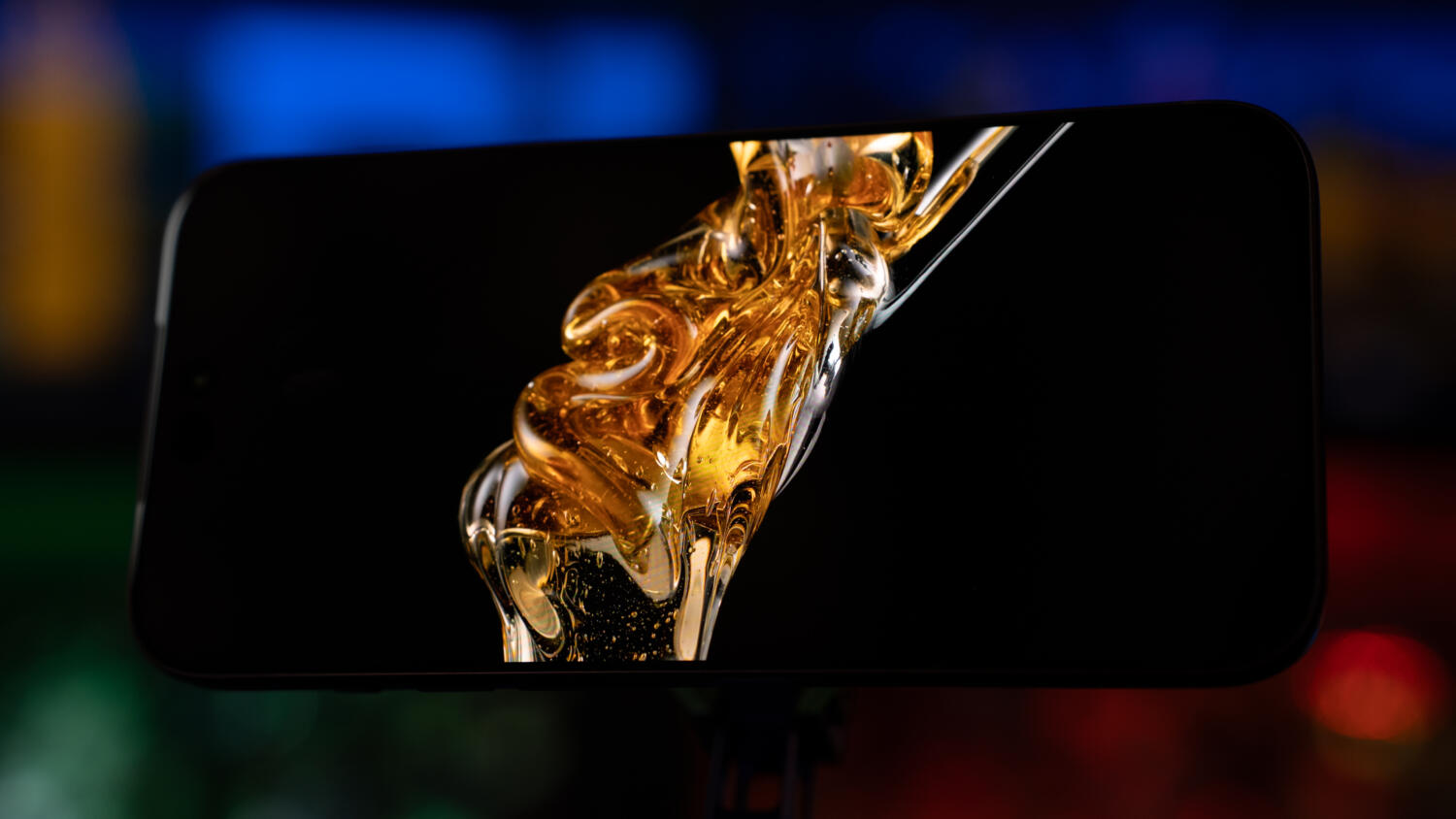
But the more interesting element is the new engineering framework that the chip sits on, or rather, no longer. Instead of a stacked approach, where the chips and memory are sandwiched together, the A20 Pro lays them flat, on a side-by-side approach that now enhances the chip’s performance and cooling. Apple says this provides up to a 40 per cent gain in sustained performance and with the new camera that can now handle time lapses in 4K Dolby Vision, as well as turning on cinematic effects for 60 fps videos after a recording is made, having hardware that doesn’t heat up as much is a boon.
Then there’s the variable aperture on the 48MP Fusion Main camera, the first for the family to have six physically moving parts within the lens. Aperture refers to the adjustable opening inside a lens that controls how much light reaches the sensor and it’s measured in f-stops so these six blades smoothly transition between four aperture settings (f/1.48, f/1.8, f/2.8 and f/4.0). Contrary to what higher numerical values represent, a smaller f-stop number means a wider opening that allows more light to enter. This allows you to adjust for low light conditions, and for depth of field and lighting.
Prior to this, and for most smartphone cameras, brands adopt a fixed aperture and use depth maps and image processing to enhance the bokeh effects in photographs but now, you can open wide for low-light shots, and more details for wider shots that previously focused on subjects that are closer to the camera, and not the ones further away. And for fans of bokeh effects – there’s a difference when creating your own by controlling the amount of light versus the computationally calculated ones. This also allows greater photo compositions that were not possible or effective before, allowing for greater creativity in photography.
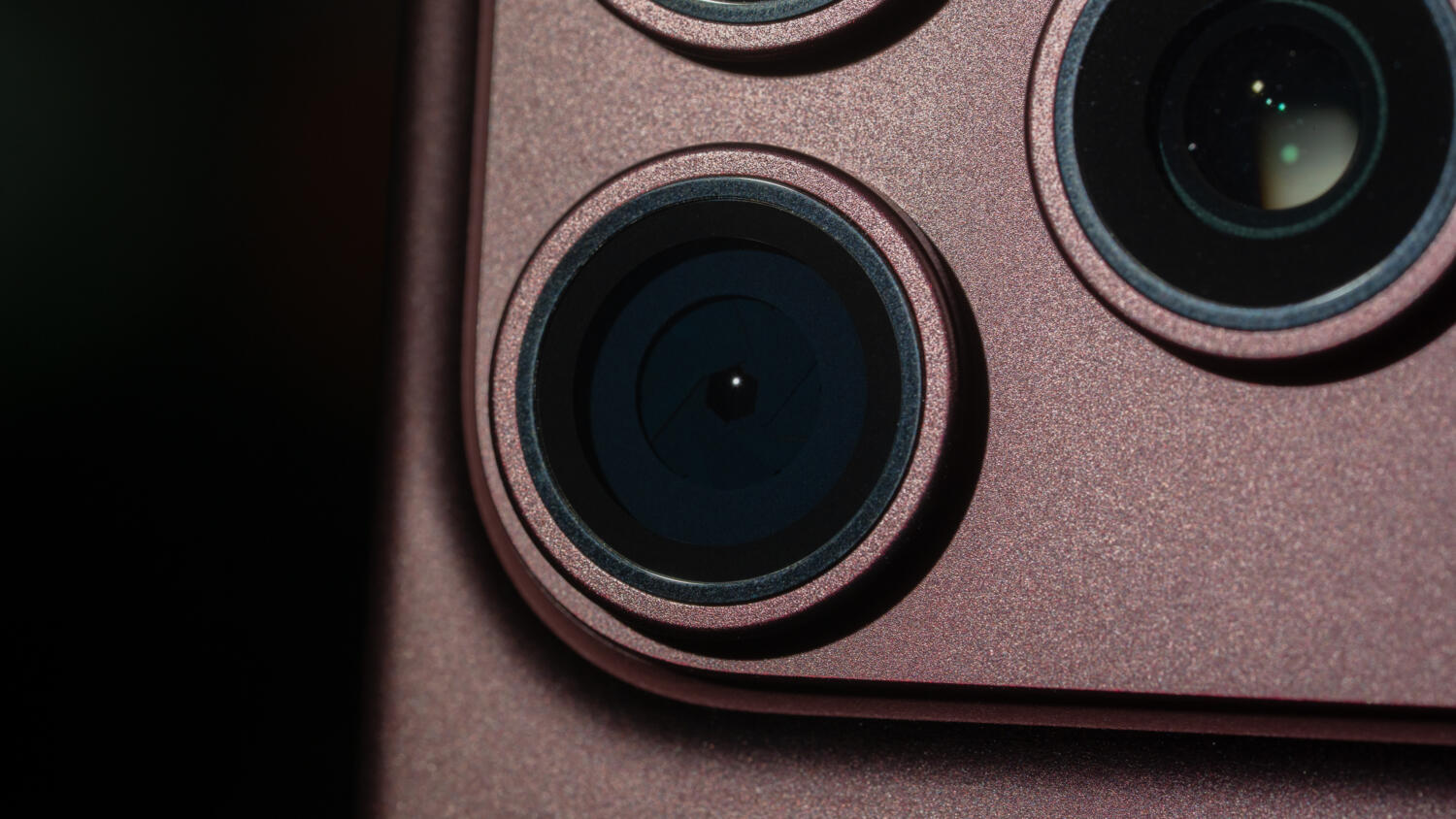
Naturally, four f-stops is not all there is when it, and an actual camera still provides greater control but it’s nice to see that the megapixel war has shifted… moving four stops in the right direction. Apple could have easily bumped up the 48MP camera to a higher number and most consumers would be none the wiser but that has never been their style. Your move <insert competing Android brands here>.
Meanwhile, the other two camera modules – the 48MP Fusion Ultra Wide and 48MP Fusion Telephoto – seems to be carried over from the iPhone 17 Pro, since Apple did not focus on them at all. Control wise, the new Pro offers a more detailed, if somewhat complex control mechanise, where you can now adjust aperture, shutter speed, and white balance on the display, which was something that the Camera Control button’s mix of presses, which we’re still not entirely sold on, was supposed to offer for other options. It does take some learning, and for those who want such measures of control, it’s a good idea to have.
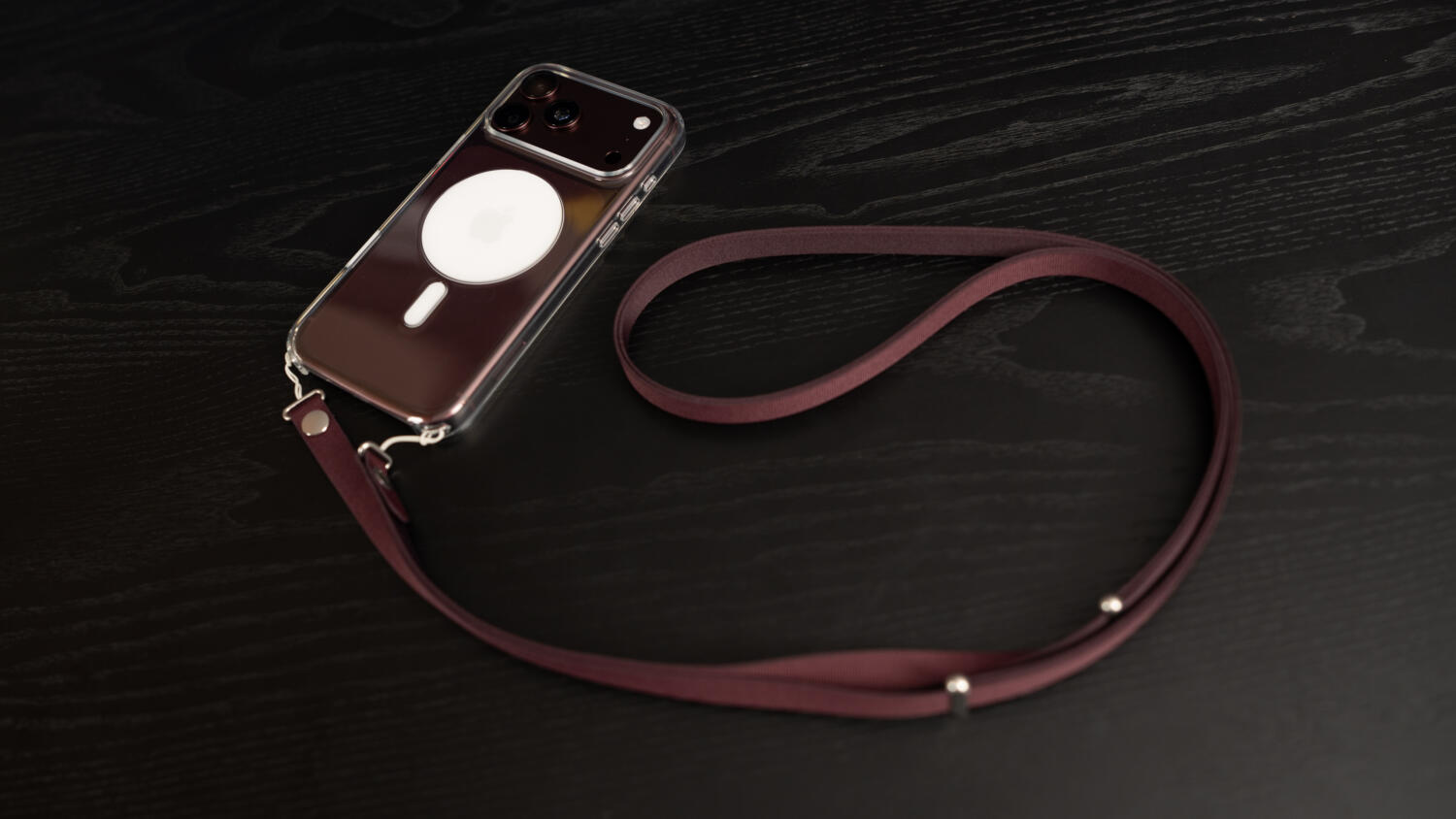
Then in the sea of AI generated images and falsified photos, or what is derisively referred to as AI slop, Apple has added a feature that few know to ask for, but will be great to use – Reference Image. Imagine if every photo you took used your camera as a witness, where it digitally signs every pixel. These images can be edited and altered, but a digital reference copy is retained, so you can always view the original as it was shot, so if you show someone an amazing photo you took that was snapped with a Reference Image, you have something to show skeptics. Meanwhile, Apple’s Photographic Styles still offers the point and shoot fundamentals, but adds new texture and grain controls in iOS 27, and Audio Mix recognises higher-quality voices and greater music isolation, for when you want to record a live band playing.
And for the one upgrade that improves each year, depending on how you use it but this time, the combination of processor and software has delivered a leap in battery life as the iPhone 18 Pro Max delivers up to 43 hours of video playback, up from 29 on the 17 Pro Max — the best ever on a Pro model. Oh, and just five minutes of wired charging buys you roughly seven hours of video playback time.
On software, iOS 27 has also arrived, offering a more integrated and advanced Apple Intelligence, from Spatial Reframing, Extend, an upgraded Clean Up, to Image Playground now capable of photorealistic output, and the big one – Siri AI. This is an entirely new Siri, powered by Apple Intelligence, that works on device, draws on personal context, takes action on what’s on your screen, and yes, gets into your Camera app where guide you on what’s in front of the lens. It currently on beta and you have to opt in but it’s new way to run prompts on device, without relying on third-party software, just to see what the fuss AI is all about.
Now for the stunner – this is Apple’s incredibly powerful device but it also has the iPhone Duo folding phone coming out in October, for those who want to try out what Apple can do on that front. The asking price of S$2,099 for the 256GB iPhone 18 Pro Max is also a S$200 jump over last year’s model, which is a rough upgrade if you own the 17 Pro Max. But for everyone else, the iPhone 18 Pro models mark the first iPhone that changes how you take photos, giving you control of a smartphone that lasts a long time on one charge, for a little more.
Summary
Is it the photographer or the camera? With Apple, it can be both, unless you simply want a camera that thinks for you. With no base iPhone 18 (yet), the Apple iPhone 18 Pro series is the new norm, and the Pro Max resets the benchmark for what a smartphone can do on so many levels. Updates in hardware and software provides greater control for users, including an amazing variable aperture, a smaller but more detailed Dynamic Island, all powered by the A20 Pro chip.
Overall
9/10
-
Aesthetics - 9/10
9/10
-
Build Quality - 9/10
9/10
-
Performance - 9.5/10
9.5/10
-
Value - 8.5/10
8.5/10
-
Geek Satisfaction - 9/10
9/10

Hsals needs more space in his house, and more money in his bank account to pay for all the toys, collectibles and other geek related items that companies are churning out. Free-time? Girlfriend? Who’s got time for those?
 Si Jia