
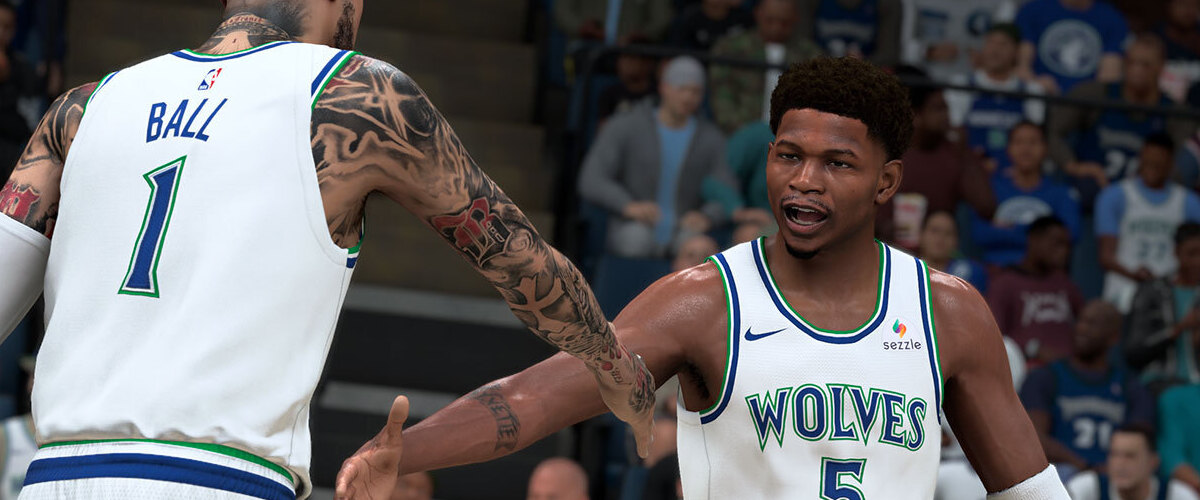
Basketball has the knack of writing some of the most romanticised stories in sports. Think the New York Knicks lifting the Larry O’Brien championship trophy this year. The latest chapter in a storied franchise, the Knicks have been beaten up and clowned since the turn of this century – but now finally getting their flowers.
Buying an NBA 2K game every year runs on that same hope. You think you are buying a sports game when actually, you are going back to your childhood sweetheart hoping that the spark is still there. With NBA 2K27, this reunion is a mixed bag. Some sparks reveal the best this series has felt in years, while the rest remind you exactly why you walked away all those years ago in the first place.
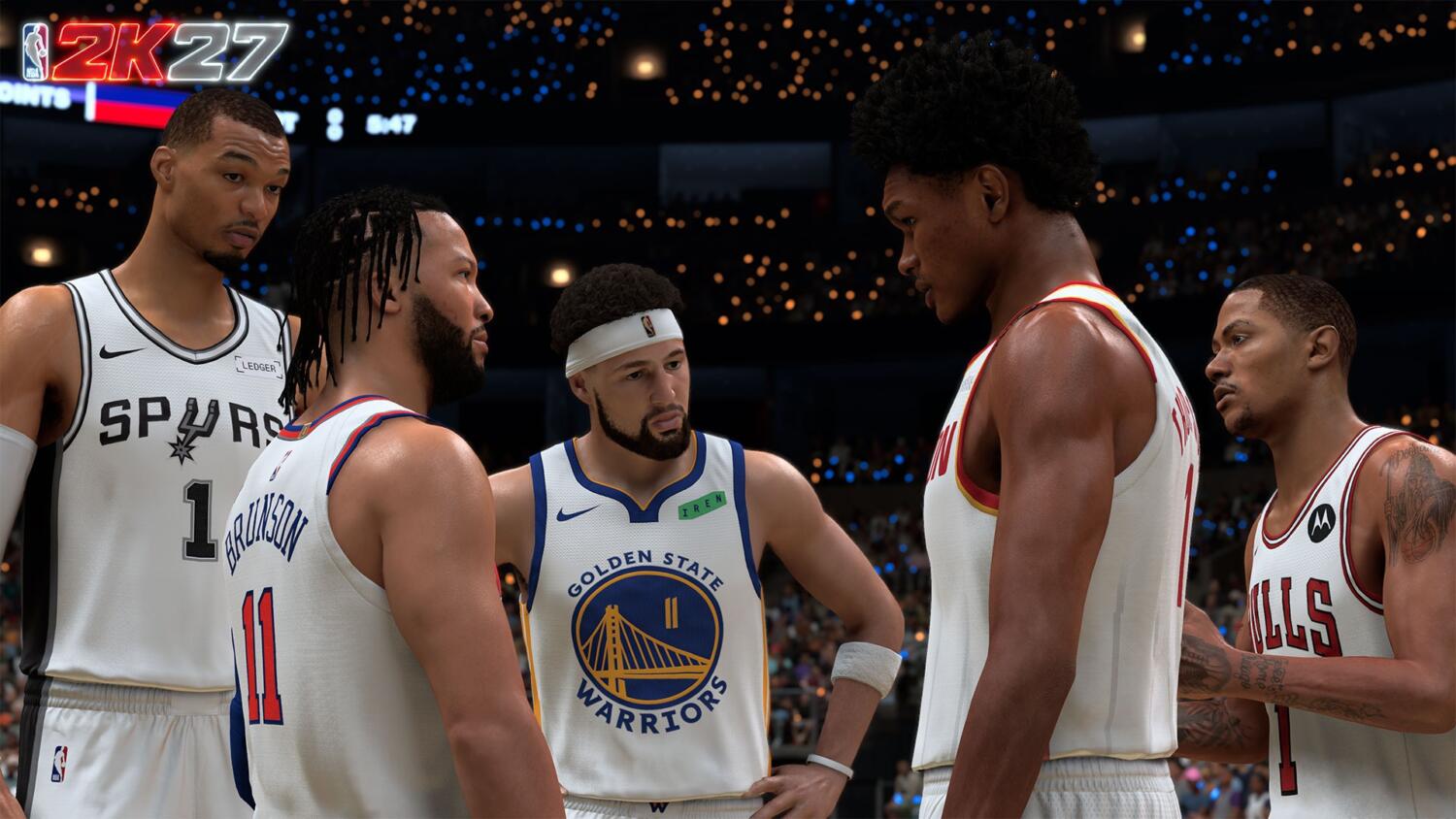
Gameplay has always been the crown jewel of this franchise, and developer Visual Concepts proves again that they know exactly what they are doing in this department.
Rhythm shooting is back, with a vengeance. For the uninitiated, it swaps the old tap-and-release button input for the right stick, pulling down and pushing back up in time with your player’s shooting motion. The catch is that every player on your roster moves to his own beat, which means that Steph’s quick flick and Brook Lopez’s slow, deliberate rise are not based on the same input. A green release now asks you to actually know your roster.
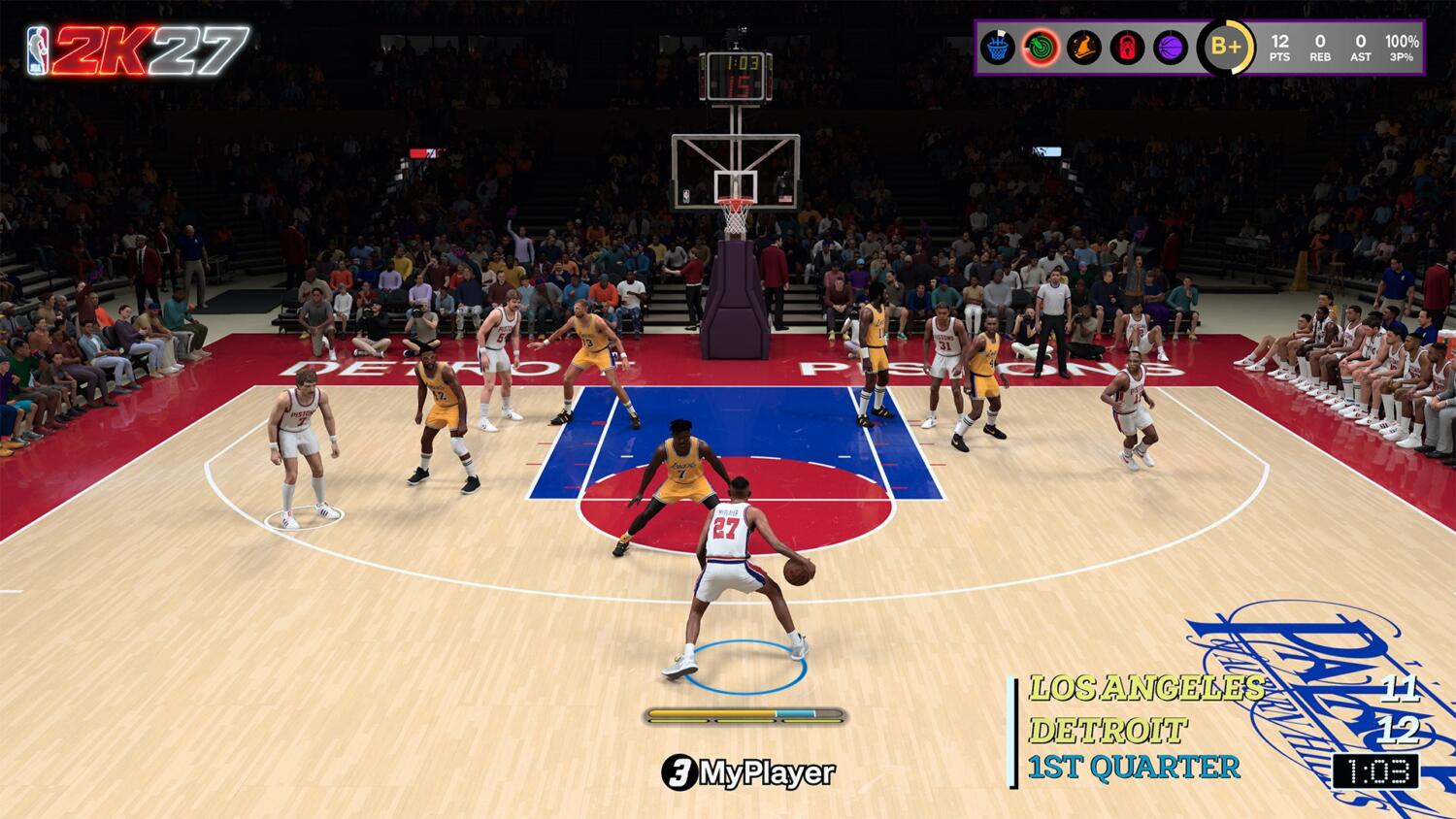
It is punishing, yet the most rewarding shooting system 2K has shipped in a long time. It pays the people who put in the reps. Learn the timing of your starting five, and you will be seeing green all night, but button-mash through it, and you will be watching bricks clang off the front rim; sometimes missing the hoop entirely. This matters most when your buzzer-beater Hail Mary falls into the hands of your 11th man. You will either be over the moon knowing that this moment would come, or getting ready for another match in the L column.
In transition, defence wins championships, and this year 2K27 feels like a well-choreographed alley-oop. Putting a hand up in a shooter’s face does something now, and bodying someone on a drive feels consequential. Gone are the days when a contested corner fadeaway was functionally the same shot as an open catch-and-shoot, and even a green driving layup is no longer automatic money; especially if Wemby’s arms have something to say about it.
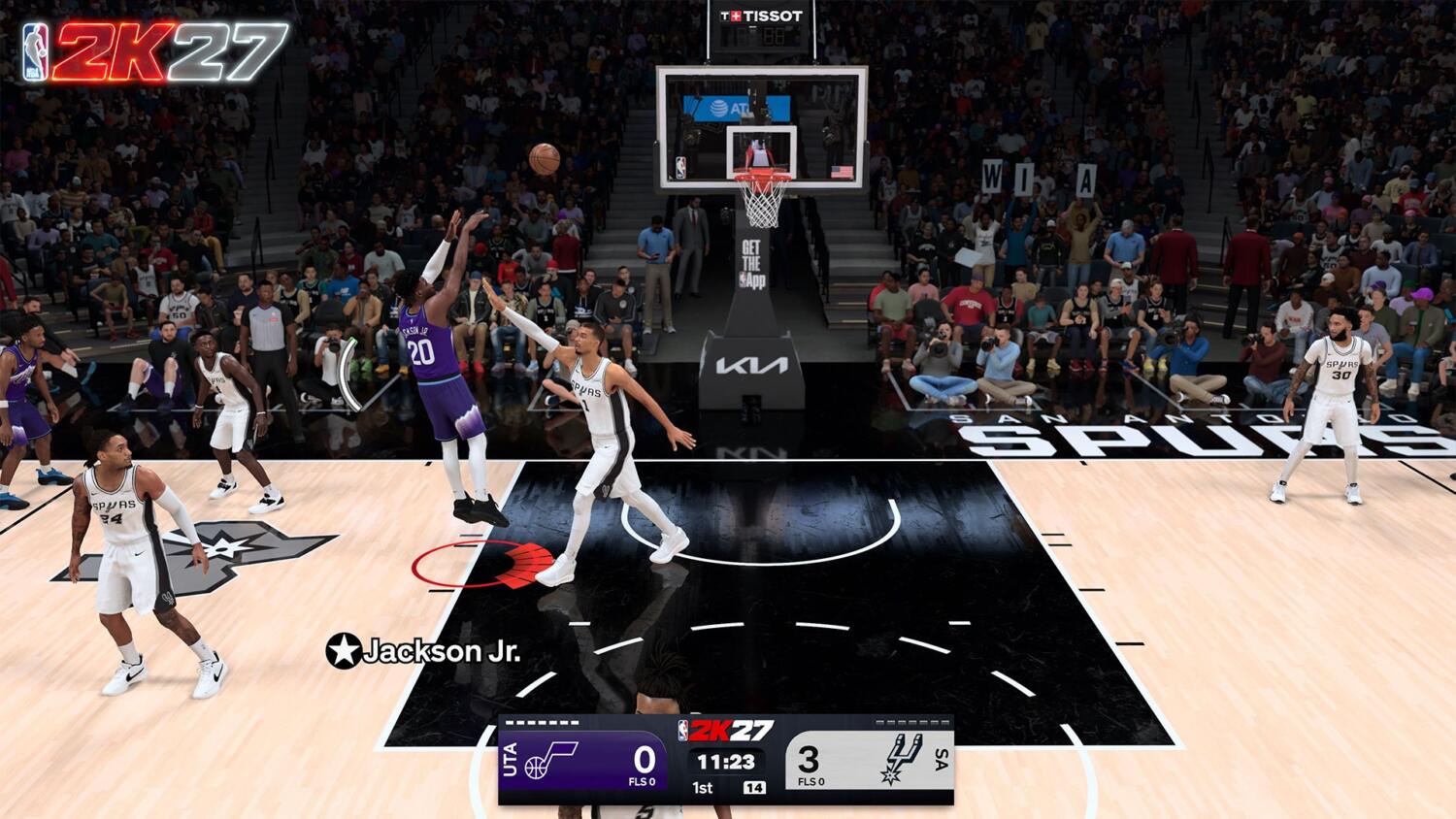
The quieter layup win is the fine-tuning. You can manage your tactics on the fly now, quickly and simply, so you are no longer burning the first five seconds of the shot clock digging for your favourite floppy action, only to look up and realise you have two seconds left to chuck a poorly spaced three.
MyCareer has clearly had the most effort thrown at it this year, and you feel the sheer volume of it immediately. Fire and Concrete runs eleven chapters, and The City is stuffed with more to do than ever. There is a new Casual Corner, a space built to ease newcomers in gently.
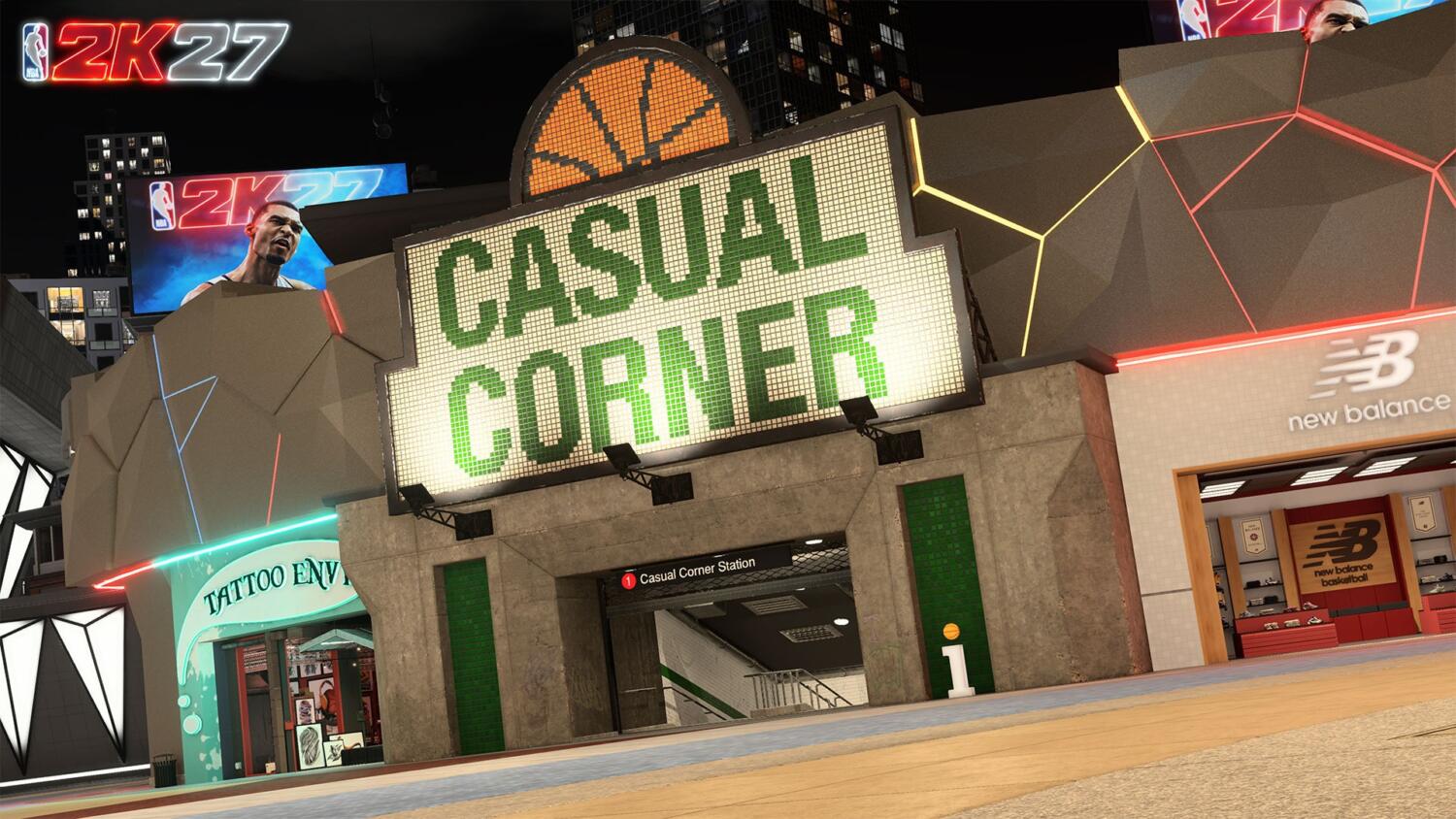
However, you will quickly discover that 2K has an interesting definition of casual, so don’t jump in expecting a warm bath. You will spend the first few games getting dunked on by a 94 overall Kobe remake who has clearly been grinding that fadeaway since launch day.
More also does not mean better. Fire and Concrete is longer than its predecessors, but the story is scripted and more one-dimensional, marching MP through beats you can call three chapters ahead. The worst offender is the life-changing injury that the whole arc hangs on. Rather than being a live, playable moment you experience on court, it gets watered down into a Spider-Man-esque comic strip slideshow.
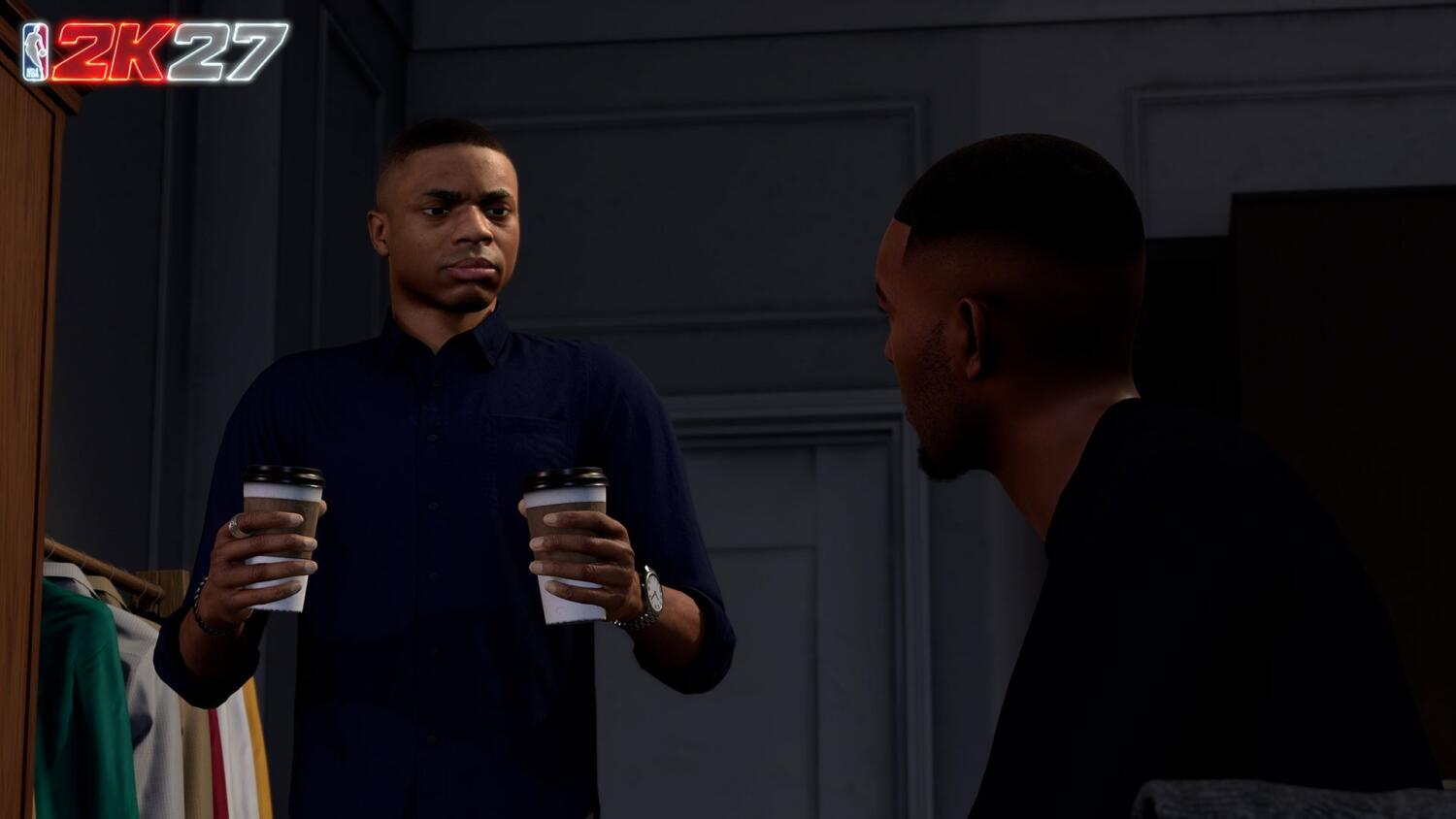
The dynamic draft board has the same problem as well as on paper, it is a great idea – perform well and climb the board, stink up the gym and slide down it. Then you get to draft night and realise you can simply pick the team you want anyway, which kills the entire point.
The one real spark is the running mate, as players get a permanent teammate whose build you control, which means you can shape him around how you like to play. Need a Draymond to your Steph? Done. The Jokic to your Murray? Go for it. It is the rare 2K feature that hands you creative control instead of a store page, and it is the best thing in MyCareer this year by a mile.
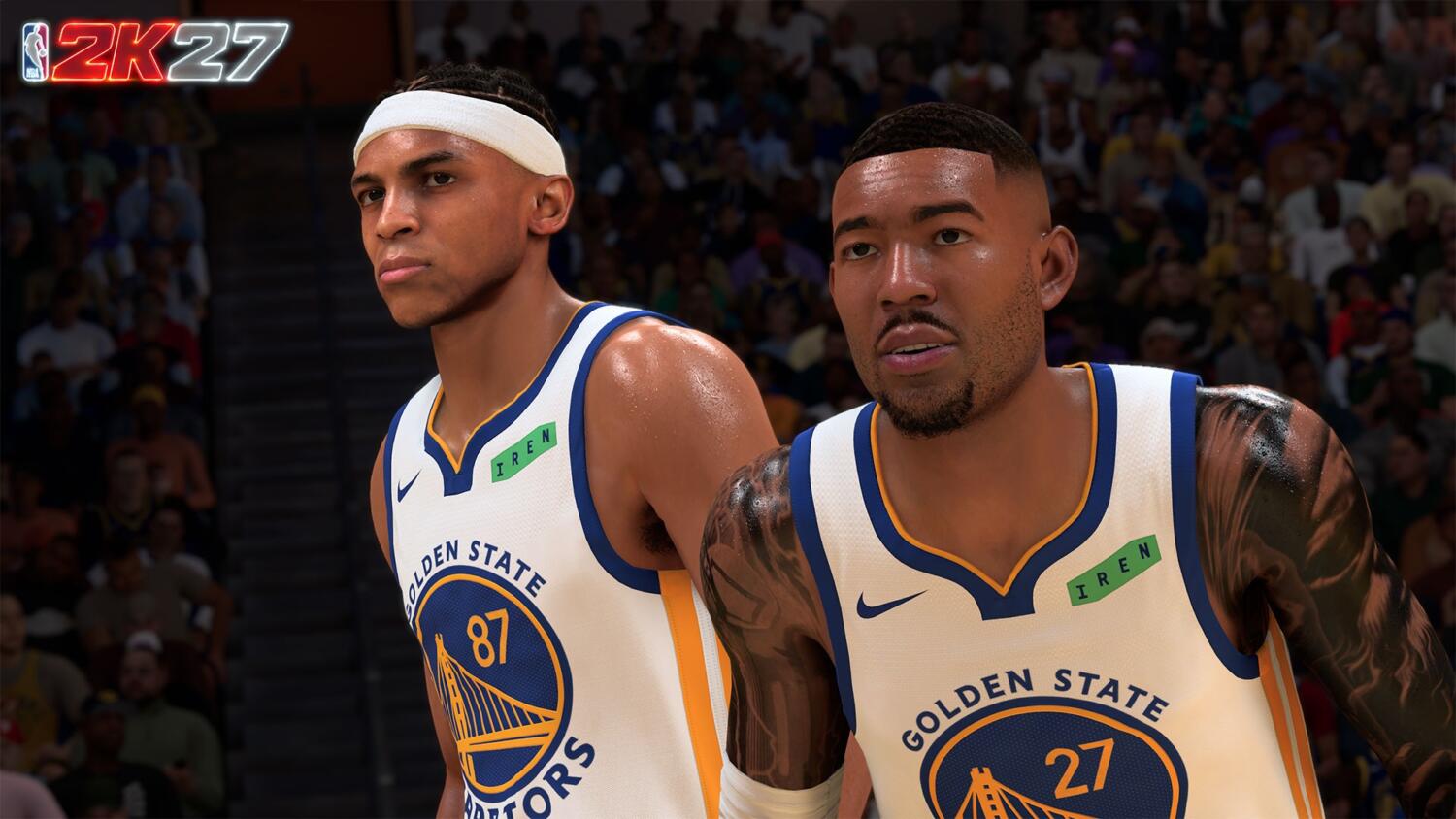
MyTeam has also been tidied up nicely, and every card can level up now, which alone fixes the mode’s usual habit of making your entire collection disposable the moment something shinier drops.
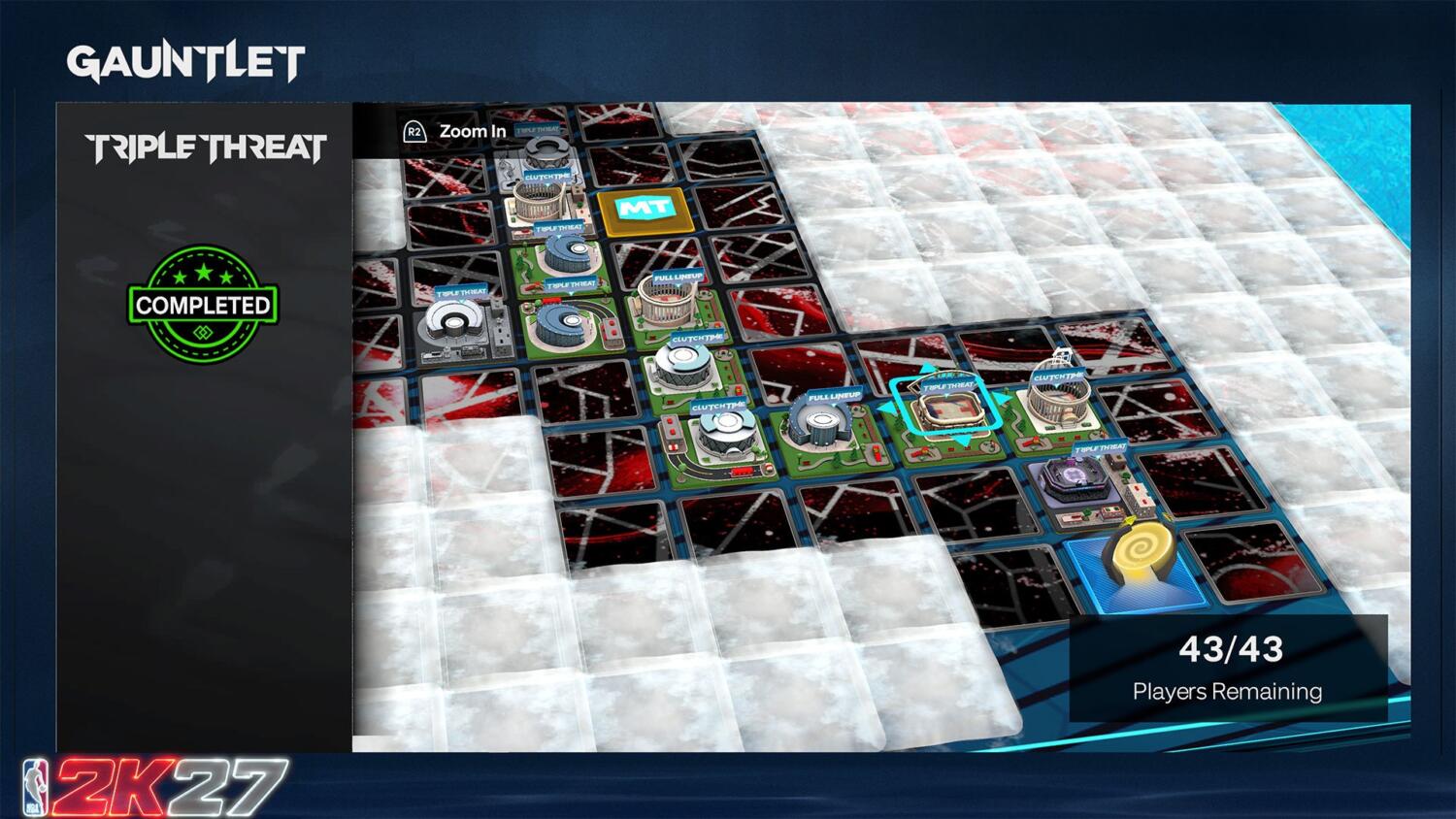
The new Gauntlet mode is the pick of the bunch, and players choose a single card from their roster and work through a run where the computer progressively locks cards away, forcing you to field guys you would otherwise never touch. It is a smart bit of design that makes your bench matter. Meanwhile, the auction house going cross-console is the cherry on top, and it makes the whole economy feel bigger and more alive.
MyGM feels as good as ever, and it is still the quiet home for basketball nerds who want to sink days into user-generated draft classes and drag their favourite team to a Larry O’Brien. A gripe many have had for years is that after a handful of seasons, every roster in the league flattens into the same block of similar ratings, and the league stops feeling like the league and starts feeling more like those time-lapse simulation videos where everything evens out on YouTube.
It would be enthralling to see blockbuster trades announced and then cascade through the standings in ways that force you to react, because a star switching conferences should change how you build. And there is still no incentive to moneyball. The simulation rewards stacking high overalls, full stop, rather than assembling a cheaper roster whose playstyles actually fit together. Then again, that is probably a job for an NBA Manager game rather than this one.
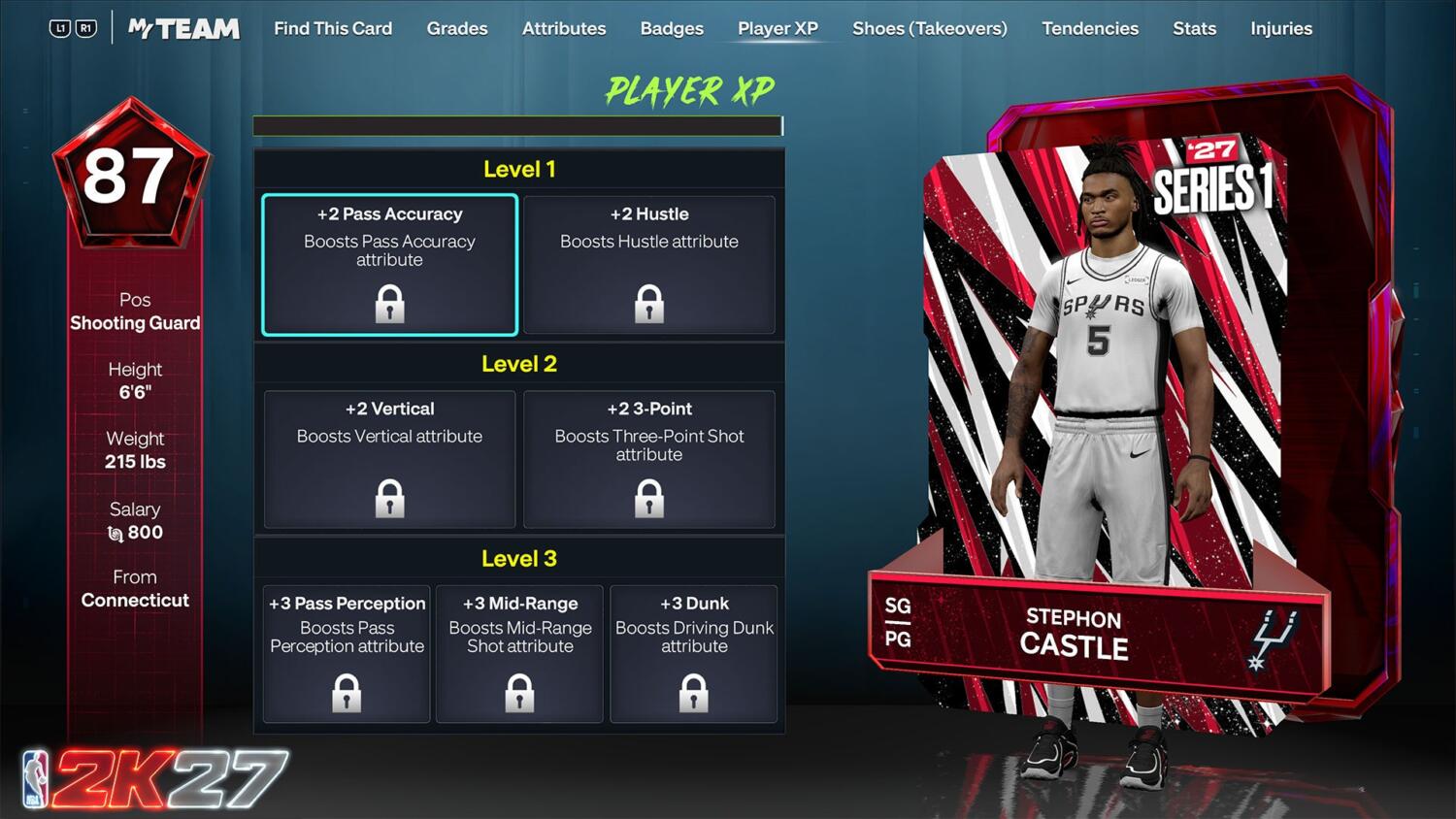
The microtransactions are here to stay, and Visual Concepts keeps finding smaller, cleverer places to tuck them.
MyCareer Eras is the clearest example. The premise is excellent, dropping a created player into one of six significant periods of NBA history. Then you find out you cannot port your MyPlayer across eras. If you want to try all six, you are building six separate characters from scratch, each starting at a rating that makes them unplayable against the competition they are up against. The grind to make even one of them competitive is long and arduous, making it hard for you not to touch the shiny gold VC.
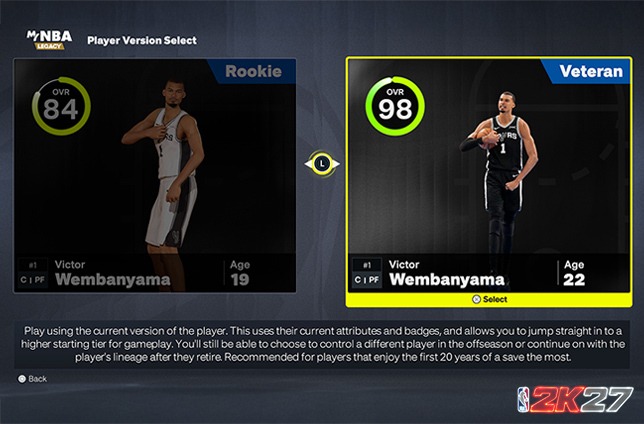
MyNBA Legacy falls short for a different reason. You can only pick from active rosters and free agency, which means you cannot go back and help Karl Malone, Steve Nash or AI get the ring the basketball gods robbed them of. You could argue that rewriting history is the entire point of a mode like this because without it, it just ends up feeling like half-baked nostalgia bait.
NBA 2K27 is not the young star finally putting it all together, but rather the franchise player in the twilight of his career, quietly working on his free throws. The fundamentals are sharper than they have been in years: there is real craft in the shooting, the defence and the running mate system keeps MyPlayer somewhat engaging. But every time the game gets close to something exciting, it stops short – or points you towards the store.
GEEK REVIEW SCORE
Summary
NBA 2K27 plays better than it has in years, with a stingier, more rewarding rhythm shooting system and defence that finally matters. The running mate build and MyTeam’s new Gauntlet are smart additions that respect your time. But a flat, predictable story, a dynamic draft board undone by its own design, and microtransactions creeping into promising new modes mean this is refinement rather than reinvention.
Overall
7.1/10-
Gameplay - 8.5/10
8.5/10
-
Presentation - 8.2/10
8.2/10
-
Value - 5.5/10
5.5/10
-
Geek Satisfaction - 6.2/10
6.2/10

Everything changed when his parents bought him a PlayStation 2 for Christmas. Since then, he’s been hooked on all things esports, video games, and music. If he’s not livestreaming his shenanigans, he’s probably out taking mirror-selfies with his friends, vigorously debating over the Internet’s Meme of the Year.

 Kevin Low
 Joey Leong