

Having done whatever a Spider(-Man) can, leading games developer Insomniac Games is now sinking its claws deep into another iconic Marvel Comics hero, Wolverine.
When it comes to crafting superhero video games, only a few studios stand out as shining beacons of how to successfully translate the power trip from page to playable game format. While Rocksteady Studios’ Batman: Arkham series springs to mind thanks to essentially pioneering the modern superhero action game genre with 2009’s Batman: Arkham Asylum, Insomniac serves as a more recent contender to the throne since it has basically done the same within the Marvel universe with 2018’s Marvel’s Spider-Man.
A Miles Morales-based spin-off and a 2023 sequel later, the studio has proven that it knows how to spin a spectacular superhero adventure. Still, those titles were criticised for having bloated open-world designs with repetitive side activities, an issue mirrored by other studios’ failed superhero game attempts, notably Rocksteady’s Suicide Squad: Kill the Justice League (2024) and Crystal Dynamics’ Marvel’s Avengers (2020).

With this in mind, Insomniac seems to be learning from such mistakes with Marvel’s Wolverine, which doesn’t just mark an R-rated departure from its previous family-friendly web-slinger, but also a change in structure, with the upcoming brawler set to feature a more traditional linear narrative and gameplay experience.
Geek Culture was able to spend two hours with an early build of the game during a preview event at Sony Interactive Entertainment’s Singapore office, and while Marvel’s Wolverine’s blood-soaked combat certainly left an impression, we were more intrigued by its noticeably tighter gameplay structure.
Set long before the formation of the Marvel Comics’ legendary X-Men team of merry mutants, Marvel’s Wolverine sees a much younger Logan operating in a task force formed by eugenicist Nathaniel Essex, aka the future Mister Sinister, alongside two familiar mutants, Sabertooth and Mystique. Essex’s goal seems to be protecting and aiding mutants, which lands them in the crosshairs of the mutant-hating scientist Bolivar Trask.
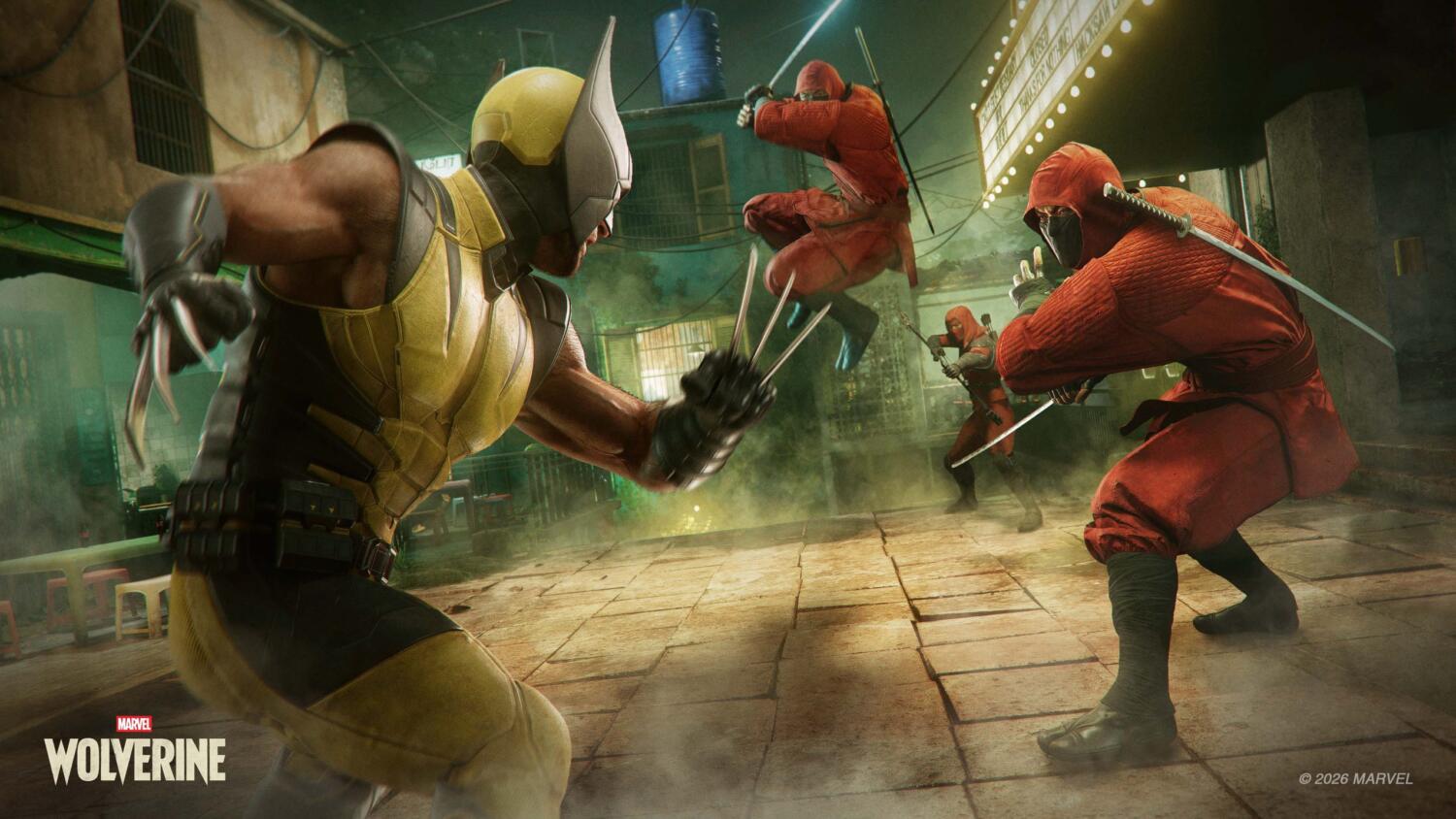
The opening mission of the preview tasked Wolverine and his squadmates, officially known as Team X (were you expecting some other name?), with rescuing Essex from the clutches of Trask and his mercenary army, the Reavers. Combat here isn’t fundamentally too different from Insomniac’s previous Spider-Man titles, except now, it’s not spilling web fluid but copious amounts of blood and guts galore.
There’s something mentally satisfying about being able to rip your foes to pieces, and Marvel’s Wolverine lets you do it as Weapon X himself, capturing this sensation especially well. Wolverine’s basic claw strikes might be designed for up-close-and-personal encounters, but that’s not to say he is vulnerable at range, as he is also able to pounce on enemies from afar, then follow up with a flurry of attacks. Additionally, he can perform a powerful kick that not only knocks enemies back but also off cliffs or into walls, with the latter stunning and opening them up for a barrage attack that often kills them outright.
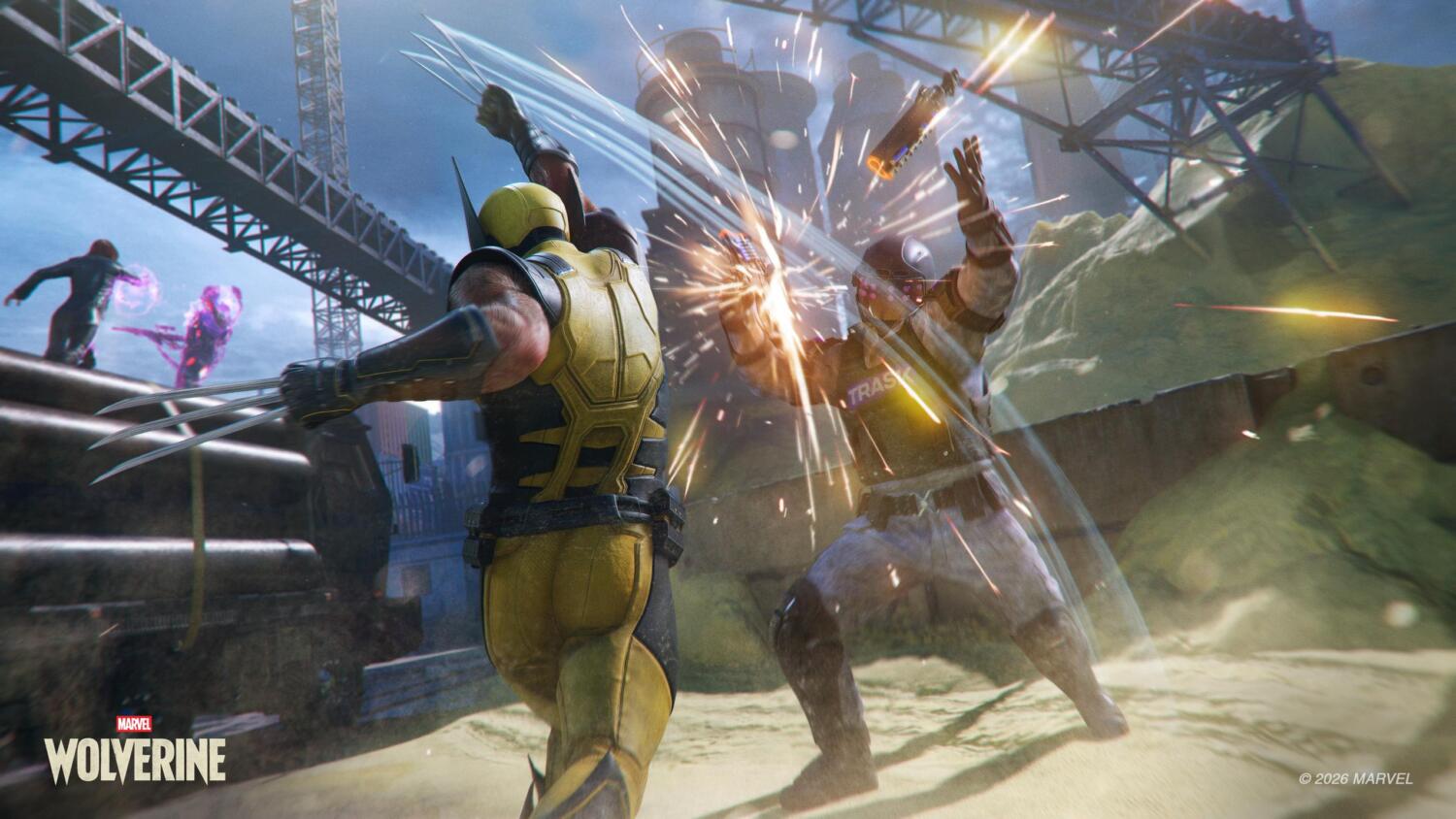
Of course, enemies aren’t going to just stand there and take a hit, and Wolverine’s main defensive options come via parries and dodges. Enemies are especially aggressive, so players will need to watch their moves to parry incoming attacks with the L1 button, or dodge out of the way of attacks signalled by a red indicator, which usually comes in the form of shots from range.
Complementing basic attack combos are special moves performed by holding L2 and pressing a face button, with some examples including a spinning claw strike that hits all enemies around Wolverine, and a knee strike that instantly staggers a single opponent for a follow-up barrage. These operate on a cooldown, with every action performed in combat also filling up Wolverine’s rage meter.
As he claws through enemies, Wolverine will steadily build up to three tiers of his rage meter. While the first tier offers no benefits, Tier 2 empowers his combo finishers and, most importantly, unlocks the ability to rise back up after being defeated. Yes, unlike his near-immortality seen in the comics and films, thanks to his extreme healing factor, this Wolverine can be defeated, and you can find yourself back at the last checkpoint pretty quickly if you’re not careful, so the game encourages players to stay aggressive and keep attacking so that they can fill up their rage meter and keep in the fight.
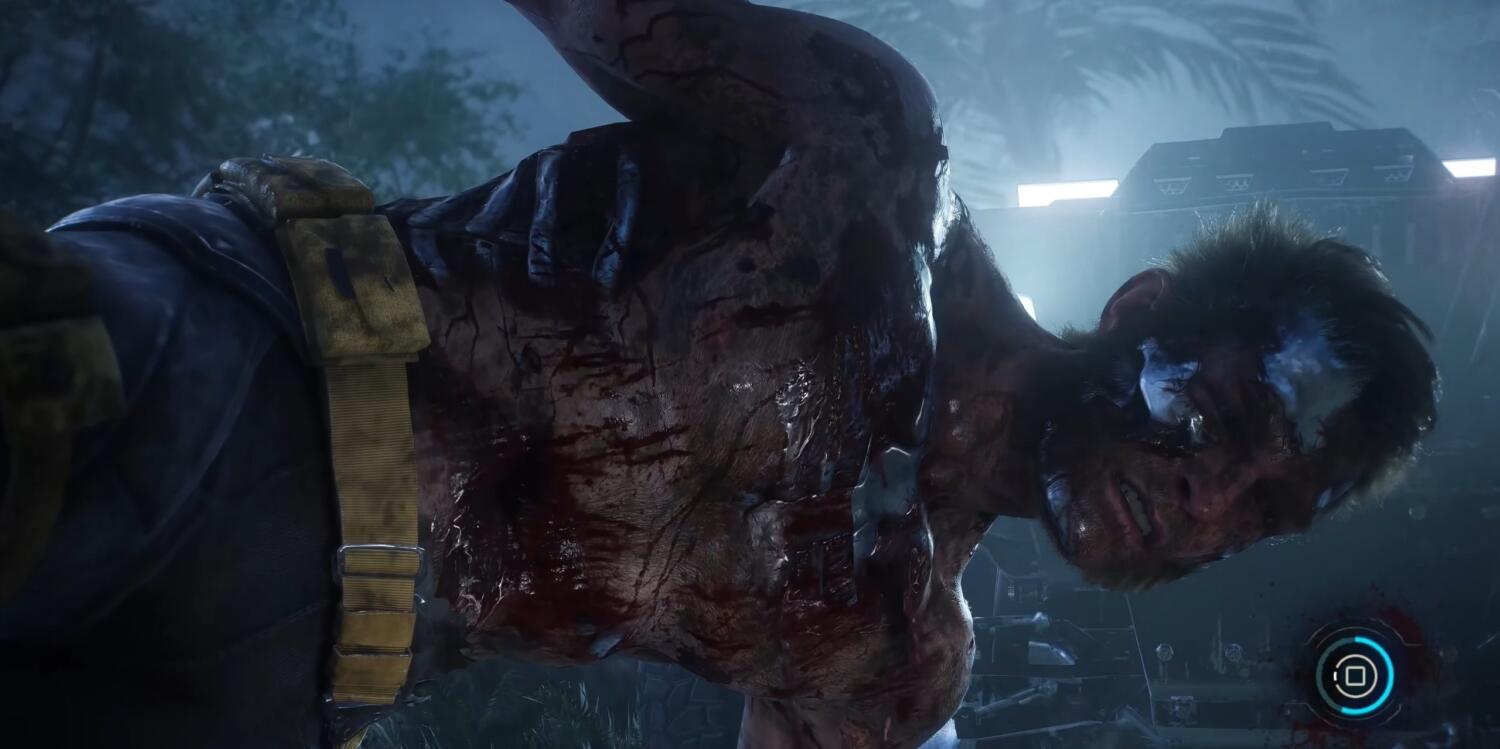
The final tier of rage is where things get the most interesting, and the most bloody. Once achieved, Wolverine goes into a state of frenzy, the screen turns red and grey, and all enemies in the vicinity get highlighted. In this state, he also does dramatically increased damage and is now able to execute weaker enemies, even from range, making it a way to just let loose and let his inner beast take over. The downside is that the rage meter will drain whenever Wolverine isn’t engaging with his foes, with the rate at which it decreases speeding up as the tiers get higher, which once again encourages an aggressive playstyle, which is honestly pretty on-brand for the mutant.
From what we have played so far, combat does feel extremely satisfying, thanks to an excellent implementation of the DualSense Wireless Controller’s haptic feedback, and of course, all the blood on screen, but it also seems rather basic. The game does feature a skill tree where Wolverine can unlock not just new moves, such as the ability to perform a heavy strike on a stunned foe that heals him, or a charged pounce from afar that stuns enemies, or new special attacks, but it remains to be seen how the game will offer players new moves to play around with as the game progresses to prevent gameplay from feeling stale.
Apart from the glorious bloody combat, the preview also offered a look at Marvel’s Wolverine’s gameplay structure. Unlike Marvel’s Spider-Man, where main campaign missions were spread out between stretches of open-world exploration, Wolverine’s adventure is a far more linear experience, with the preview section following a set path and objective from start to finish.
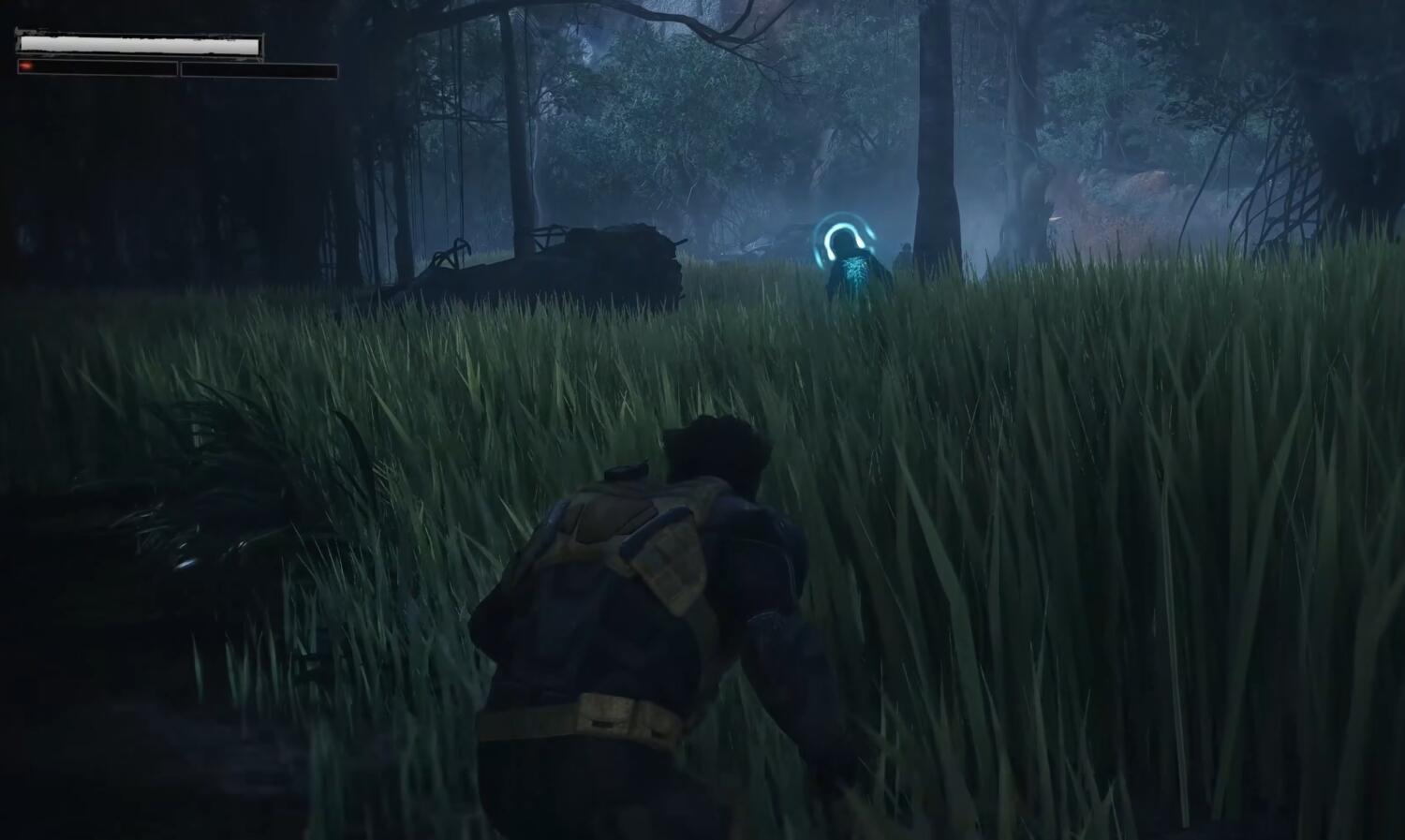
Even so, the game still offers players a choice in how they tackle encounters, as Wolverine can also opt for a sneakier approach. Stealth in the game boils down to the standard loop of sneaking behind an enemy to execute them, or pouncing on them from afar, which reminds us a little of Arkham’s Batman, but don’t expect the same complexity as those seen from the Caped Crusader or Spidey’s gadgets. Fortunately, this is entirely optional, so players are free to just charge into the fray head-on, just like Wolverine should.
The game might be linear, but this isn’t a corridor shooter (or slasher) by any means, with objectives often taking place in more open areas. One section in the preview, for example, tasked Wolverine with destroying three mutant-detecting devices spread across a small town, and players are free to approach each one in any order they choose, leaping from building to building to gain high-ground advantage over the foes that guard each, or running through the streets for a more conventional approach.
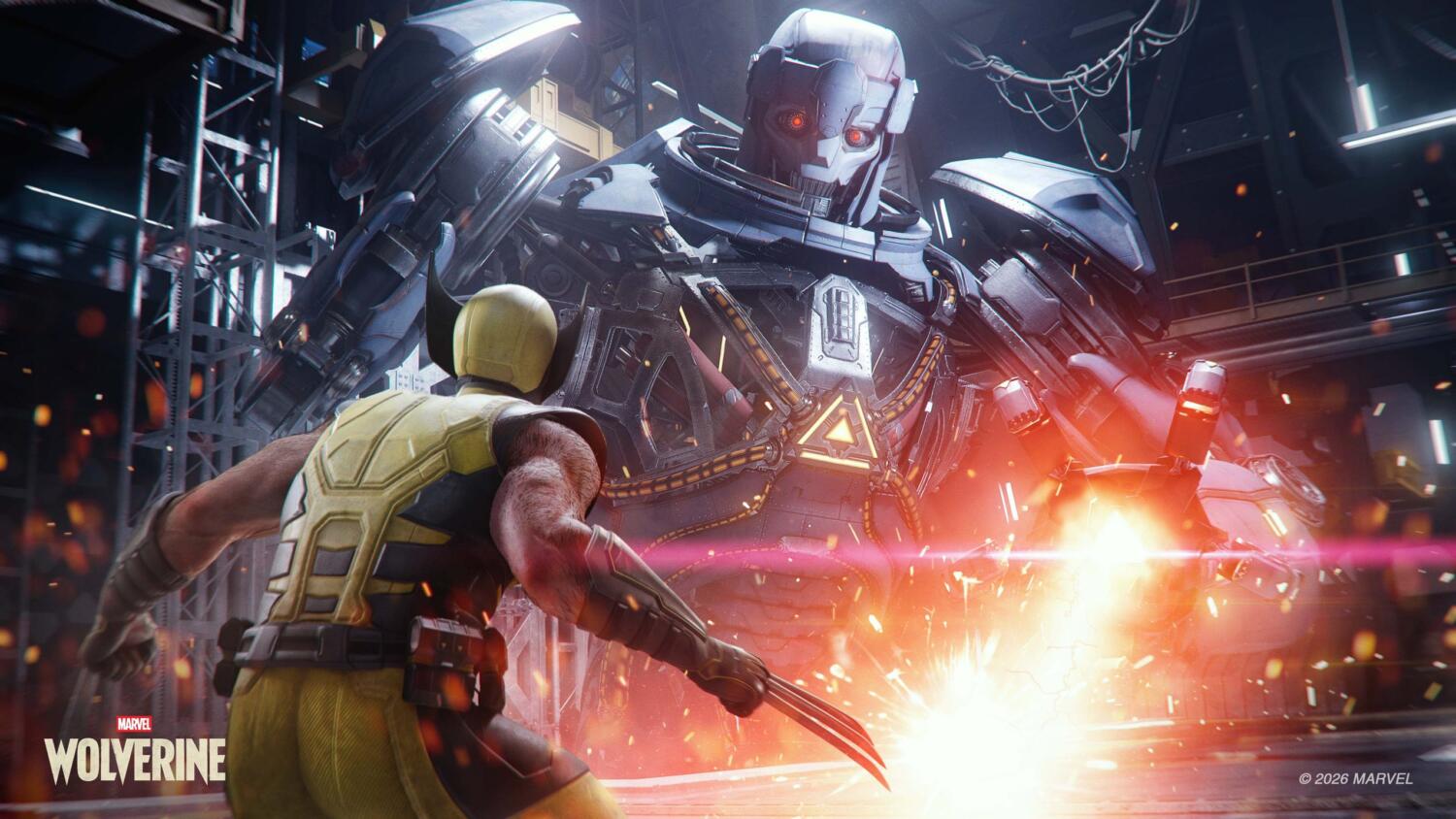
After rescuing Essex from the clutches of the Reavers and Trask, the preview then skipped ahead to a boss fight with a massive Sentinel prototype, followed by a noticeably more subdued segment after compared to the action-heavy opening segment. Occurring in Lowtown, a safe space for mutants, players are free to explore a small area and strike up conversations with NPCs or their Team X teammates.
This section also offered a tease of how exploration in the game will work, as despite being a linear game, Marvel’s Wolverine still offers side tangents as players made their way towards an objective. Chests spread around the area can be opened to gain materials, which players can then use to craft new suits for Wolverine, most of which harken back to his many comic book appearances, as well as new appearances for his adamantium claws.
Additionally, players can also encounter Nightmare Doors or portals to take on side challenges. Completing these tasks not only awards players with AP (Adaptation Points), which can be used to unlock said Adaptations (the game’s version of equippable perks), but also unlocks a piece of Wolverine’s forgotten past, which unfortunately plays out as a series of audio logs and not actual cutscenes. Hopefully these snippets of lore will expand to more substantial bits of storytelling as the game progresses, and offer a better glimpse of the hero’s backstory.
While the two hours spent with Marvel’s Wolverine left us itching for more bloodshed, it also raises some questions as to how progression and combat will ramp up to keep players engaged. Unlike Insomniac’s previous superhero games, there isn’t a massive playground to explore here, or an endless supply of side activities to take part in, and although this is a refreshing change of pace in a time when games are often filled with bloat, it also raises concerns about how short the game’s campaign would be.
Alas, these questions can only be answered when the game releases exclusively on the PlayStation 5 on 15 September 2026.

Kevin is a reformed PC Master Race gamer with a penchant for franchise “duds” like Darksiders III and Dead Space 3. He has made it his life-long mission to play every single major game release – lest his wallet dies trying.


 Si Jia