
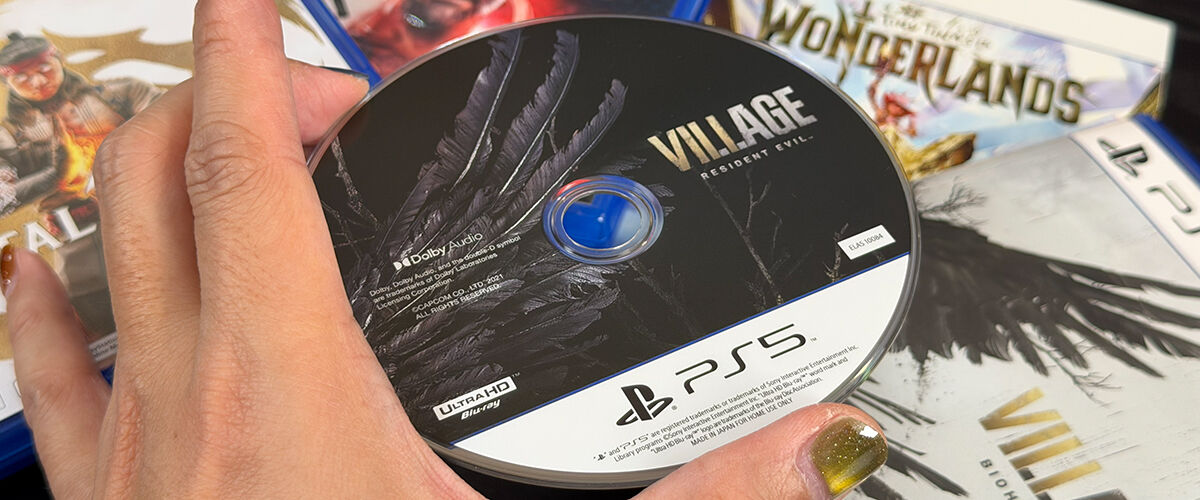
A few days after Rockstar Games announced that its upcoming Grand Theft Auto 6 will be a digital-only release, Sony dropped a bigger bombshell – it will be ending physical game disc production for PlayStation games from January 2028, effectively transforming its entire ecosystem into a digital format in less than two years.
Citing shifting consumer preferences backed by hard data, this announcement sends a strong signal that the gaming industry is changing as it moves from physical discs to digital, but ultimately, it’s the gamers who suffer.
On the surface, it’s clear here that the move to ditch physical media is a financial one, as it allows Sony to skip printing costs for a fat profit margin and cut out the middleman function by selling directly to gamers.
But in one quick combo move, Sony has effectively told retailers they are no longer important, and resellers – those who buy and sell old and used games – your time is up.
Gamers who downloaded a new game and didn’t like it? You can’t sell it to a friend for a discount to recover some of that money – you’re stuck with the game. And don’t even think about borrowing a game from a friend – it’s physically impossible. You can’t enter a used game store and look through their pre-owned inventory for a classic game at a lower price, and analysts have long pointed out that this retail model doesn’t benefit the publishers since they only earn from the first transaction and not subsequent ones. This digital-only move ensures no one else does.
In situations with no Wi-Fi access or if the PlayStation Store goes down, users won’t be able to verify game licenses, locking them out of their games.
While it’s true that buying digital games is more advantageous than physical ones due to convenience, potentially lower prices courtesy of rising retail costs, and other factors, there’s still a strong case to be made for the latter, especially when it comes to console gaming.
There’s something that’s just satisfying about buying a physical copy of the game, and the experience of manually unwrapping and opening its box for the first time to see the disc and potential bonus item codes within is something that pressing a few buttons on an online store will never be able to replicate. Not to mention that physical games provide an additional “collectors” element too, with some gamers proudly displaying their disc and game box hauls as a badge of honour.

Of course, the phrasing of Sony’s announcement suggests that games will still be sold in physical stores but come in empty boxes with codes, much like the direction taken by Rockstar Games’ Grand Theft Auto VI. What’s the problem then, you might ask, and the answer lies in game preservation.
Having a physical disc on hand means gamers are more likely to own their games forever, barring developer-related factors like online game servers being shut down. On digital storefronts, however, history has shown that studios have no issue with removing titles or entire storefronts from the web completely, leaving no way to purchase said games once they’re gone, unless you already own the game disc. For those with younger relatives and friends, the inability to access these older titles makes it difficult to pass down their love for them to a new generation of gamers, resulting in lost art.
One could argue that this works for digital purchases too, but game studios have repeatedly made it clear that you don’t actually own any title you buy online; you’re merely buying a license to play the game, and one that can be revoked at any time. And pray forbid that Sony loses the rights to an old game, and surreptitiously removes it from your game library – something you paid for and own – without letting you know. They have done it before, with PlayStation announcing that it would be deleting 551 movies from customer libraries in September – that users had paid for, mind you.
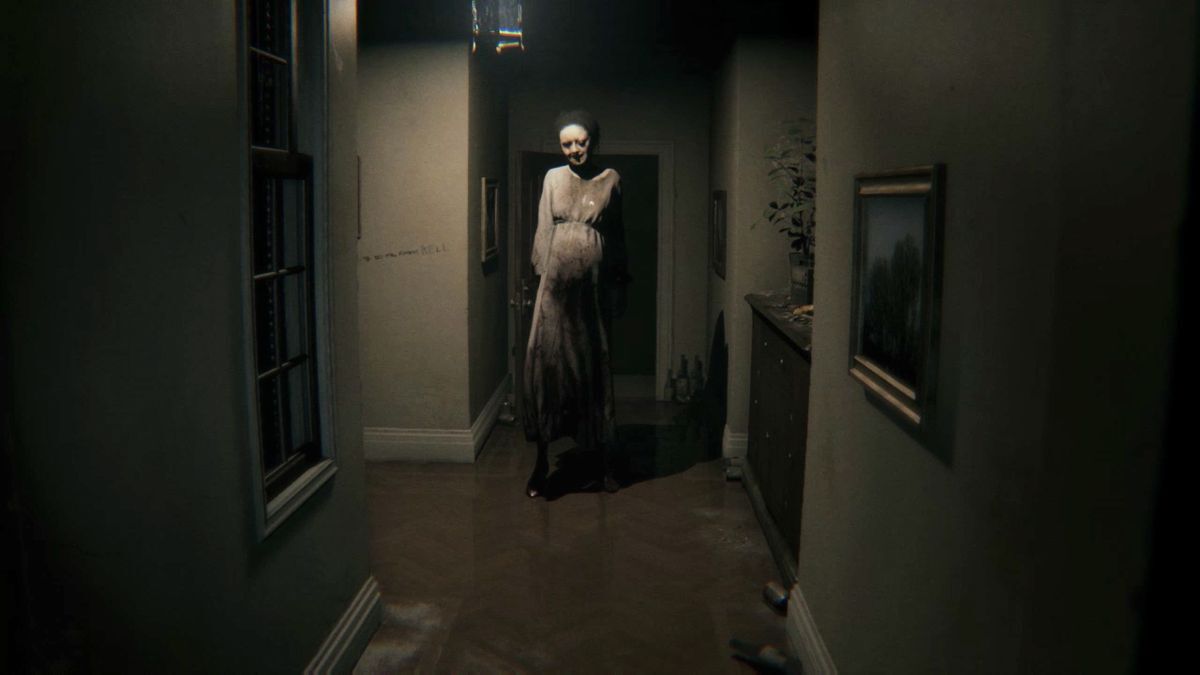
It’s not the first time, either. Back in 2023, hundreds of Discovery TV shows were also removed without an option for a refund or compensation, so what’s stopping games from suffering the same fate? Turn the clock back to 2015, when Hideo Kojima’s P.T. was pulled from the PlayStation Store, making it impossible to re-download or legally access the game now. The argument that it was a demo doesn’t hold up because it misses the point, which is that PlayStation can easily remove games with the power it holds, just like that.
The PC ecosystem is a different ballgame altogether. While it has been operating in a digital format, physical copies of recent games can still be found in stores today. To this end, PC users have the advantage of multiple storefronts to choose from, while PlayStation gamers are stuck with just one. There are also instances where PC games get delisted from platforms, but this is a far rarer occurrence than on PlayStation because if Steam does it, there’s always the Epic Games Store or GOG. With Sony, there are no alternatives.
Pricing, too, remains an issue. Gaming isn’t the most affordable hobby, and second-hand units have long offered a workaround for those with leaner wallets. With games at their most expensive to date, and digital titles usually selling for the same price as their physical counterparts – and receiving fewer discounts – despite the absence of physical keepsakes, there’s less incentive for legal purchases, which, in turn, contributes to piracy.
Let’s not forget that this exact problem was something Xbox faced with their controversial game-sharing strategy back in 2013, and PlayStation’s humorous response that fired shots at its competitor while simultaneously scoring brownie points among its community. As the saying goes, “You either die a hero or live long enough to become the villain,” and now it seems that fans are the laughing stock.
Adding to these problems are the further implications of Sony’s move, as this likely means that the eventual PS6 will be a completely digital console without a disc drive, since it doesn’t make sense for manufacturers to include one if disc-based games will be killed off anyway.
This raises an issue with backwards compatibility, as many PS5 games will no doubt receive an “enhanced edition” when the next console launches, meaning that those with a substantial library of PS5 games won’t be able to access these versions unless they re-purchase the games online, unlike how the PS5 offers these upgrades for free or at a reduced price for players who own the title’s PS4 discs.
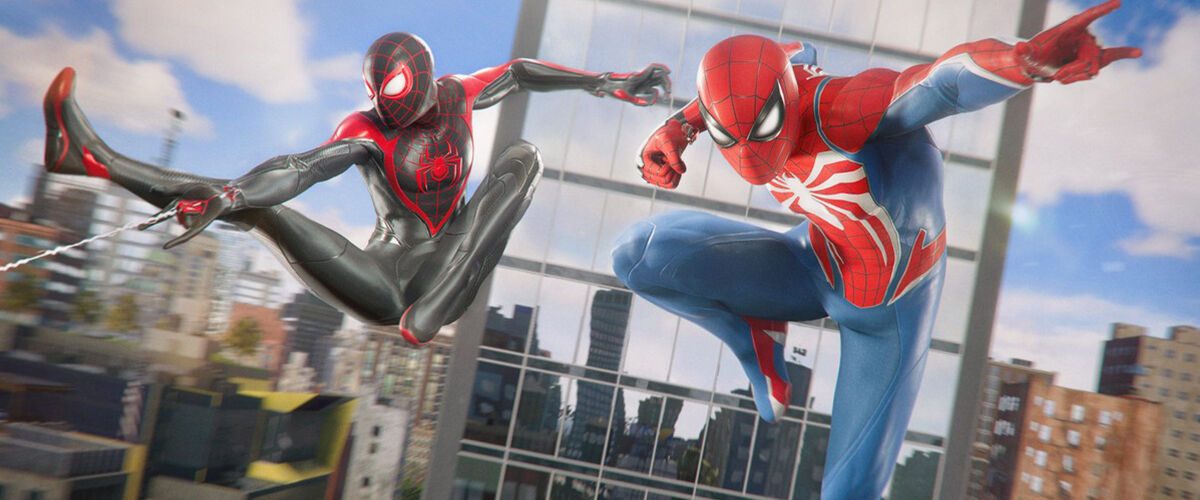
Finally, it sets a precedent for other industry giants to follow. With the influence PlayStation holds, it won’t be too far outside of reality to assume that Xbox or Nintendo will soon follow suit, with the latter already one step away since its introduction of Game-Key Cards – though they don’t fall quite into the same pitfalls, since there’s resale value – for the Nintendo Switch 2. For now, these other gaming giants have yet to make their intentions known, but gamers shouldn’t keep their fingers crossed.
That said, the fault might not be entirely Sony’s either. The current Blu-Ray format is old. Developed in the early 2000s and launched in 2006, the 20-year-old technology has its limits with around 100GB capacity. Sadly, the proliferation of streaming content means that development of a successor has ceased, so there isn’t a new, larger-capacity universal format to rely on for physical storage:
Most AAA games are now in excess of 100GB, and sure, there have been the three-disc DVD releases before that indicate the market is used to multi-disc releases, but most games these days also require Day 1 and constant patches, which limit the games that can be played as is. The current limits of physical media have not advanced as much as the entertainment and content industry, but is this Sony’s fault?
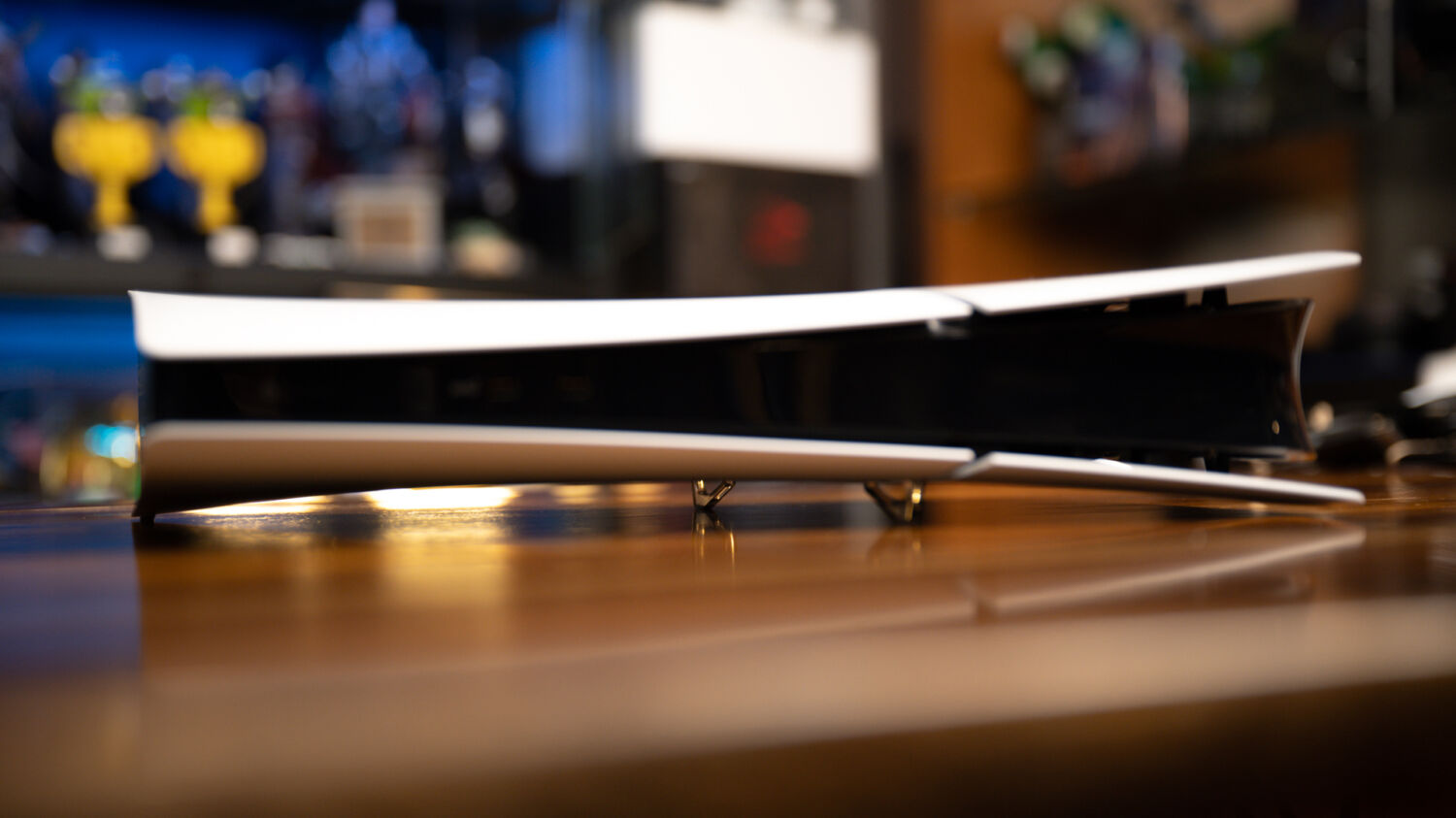
Rumours are now swirling that Xbox is also looking to adopt the same digital-only model, and the writing has been on the wall for a while now, with the launch of cheaper consoles without disc drives, including the PS5 Digital Edition and Xbox Series S, marking an early sign of a shift to a digital-first culture. After the PS5 Pro without a disc drive debuted in 2024, retailers in the US started to phase out physical units, and the ramifications have rippled across the globe. In Singapore, several major brick-and-mortar names have shuttered or moved online in recent years, such as Toy or Game (TOG), GameXtreme, Funz Square, and Tec-Drome.
Whether or not you are a fan of digital or physical games, one can’t deny that Sony’s move, no matter how much sense it makes, is a troubling one for the actual consumer. In a bid to cut costs disguised as “adapting to customer preferences”, it’s essentially ensuring that only one person can own the license to their game (unless it decides to revoke it), and marks the beginning of the end of consumer choice and permanent game ownership, a firm reminder that you don’t actually own what you buy. There’s also some loss on a community level, where the fun of trading, interacting with regulars and staff in physical stores, and bonding over collector’s items may soon be a thing of the past.

Kevin is a reformed PC Master Race gamer with a penchant for franchise “duds” like Darksiders III and Dead Space 3. He has made it his life-long mission to play every single major game release – lest his wallet dies trying.