This interview has been edited for clarity.
With multiple combo executions, special attacks, finishing moves, slow-motion attacks and everything in between, it’s easy to forget that fighting games have come a long way since their simple 2D, side-by-side foundations. Gaming hardware limitations of the past meant that most titles in the genre did not come with increasingly complex and flashy designs made cutbacks, including simplistic aesthetics, and even indulged in colour palette swaps for multiple characters to save memory.
All until SEGA’s VIRTUA FIGHTER stepped into the ring circa 1993.
Launched for the Sega Model 1 arcade platform, Virtua Fighter made fighting game history by being the first title to feature fully 3D polygon graphics, literally adding a whole new dimension to the genre. It wasn’t all about looks too, as the franchise also introduced an in-depth fighting engine with just three control buttons and the control stick, and was highly influential in the evolution of not just the genre, but video games in general. Now, more than three decades later, the franchise is back with its latest entry, VIRTUA FIGHTER CROSSROADS, which looks set to bring some new revolutionary ideas of its own.
Known for its extremely technical combat and its use of real-world fighting techniques, the VIRTUA FIGHTER franchise has never placed a strong emphasis on storytelling, instead letting its gameplay do the talking. Yes, the games had an overarching narrative surrounding protagonist Akira Yuki as he entered the ultimate World Fighting Tournament, but the story never took the spotlight, instead being told through instruction manuals, character bios, and an official VIRTUA FIGHTER manga that was never published outside of Japan.
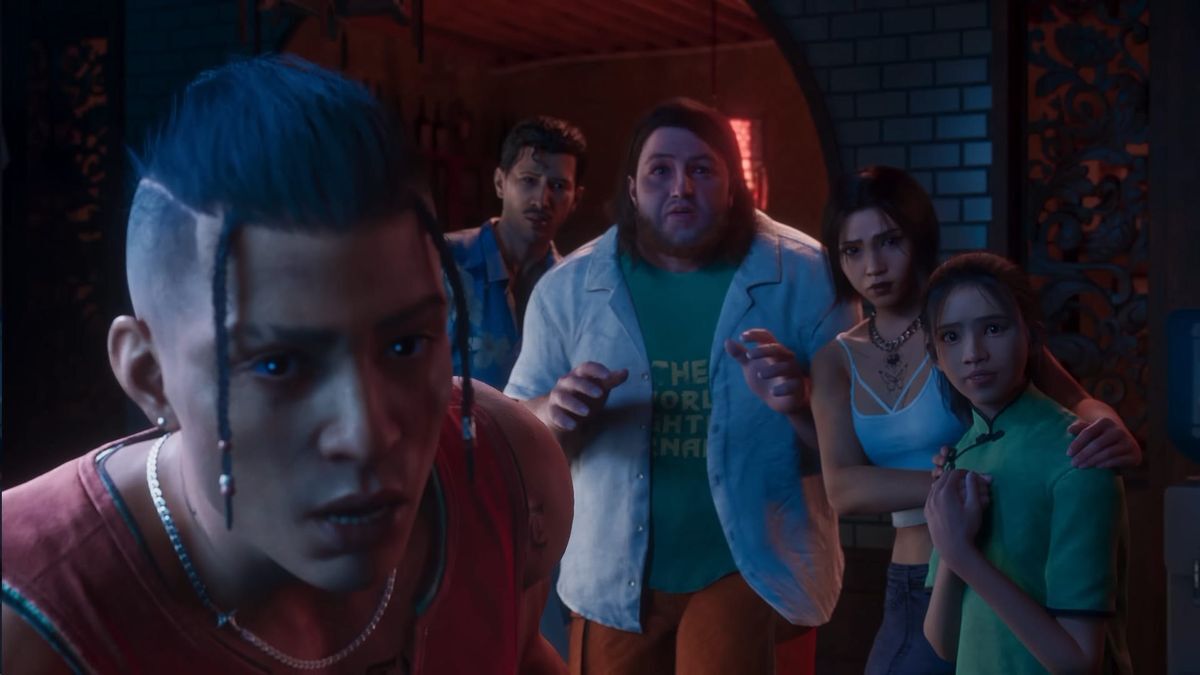
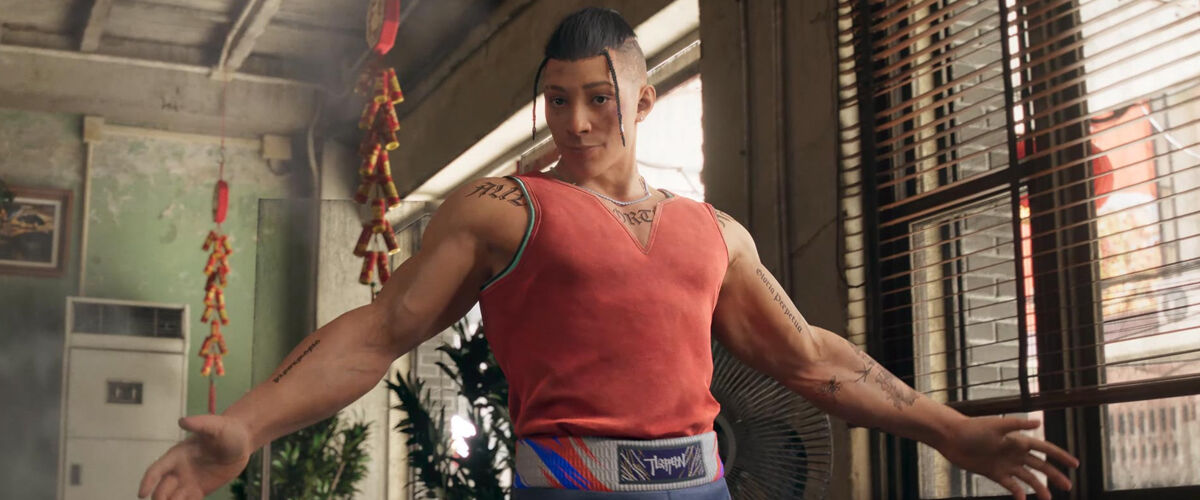
And here is where everything is about to change, as VIRTUA FIGHTER CROSSROADS takes the series into a bold new direction by introducing a fully fledged single-player story mode that heavily expands on the lore, characters, and the seedy underbelly of the universe. Set in the fictional Southeast Asian island city of Vilasapara, the game focuses on four new protagonists whose fates intertwine, as they each struggle to survive a dangerous city fueled by constant power struggles and a string of mysterious martial artist murders.
Crafting a brand-new storyline for a series that has never really placed its narrative at the forefront is already a pretty challenging task, let alone crafting four interweaving stories, so this was understandably a tough hurdle for the team to cross, explains game producer and creative director Riichiro Yamada during an interview with Geek Culture and other members of Southeast Asia media.
But, surprisingly, the challenge that stood out for them wasn’t necessarily the concept of crafting a brand-new narrative, but weaving it with the franchise’s tried-and-true gameplay.
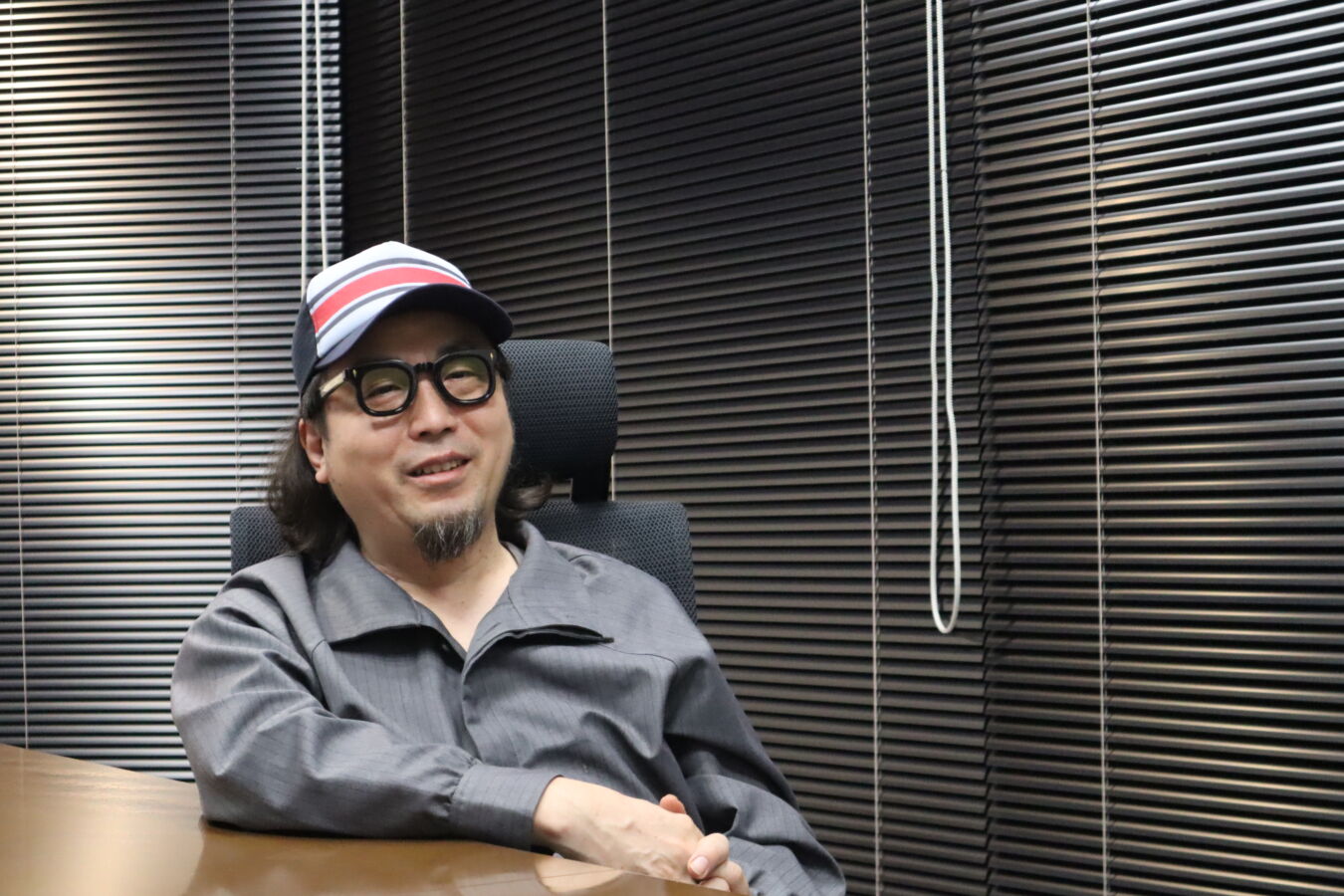
“The hardest part of making VIRTUA FIGHTER CROSSROADS was not just telling a story, but having people experience it through its gameplay,” explains Yamada. “A lot of people would just be satisfied with pretty cutscenes and cinematics, but we thought it was better if players could experience the story as they played the game, and this sense of immersion was some of the hardest parts of development.”
In addition, the team also faced the challenges that came with modernising a 30-year-old story, as CROSSROADS is not just set to play out in the same wider VIRTUA FIGHTER universe, but also links to past events and protagonists like Pai Chan and Akira himself.
For Yamada, the inspiration came from the 2019 superhero comic book sequel series Watchmen, which similarly was a revival that came decades after the release of the original iconic 1986 comic book series.
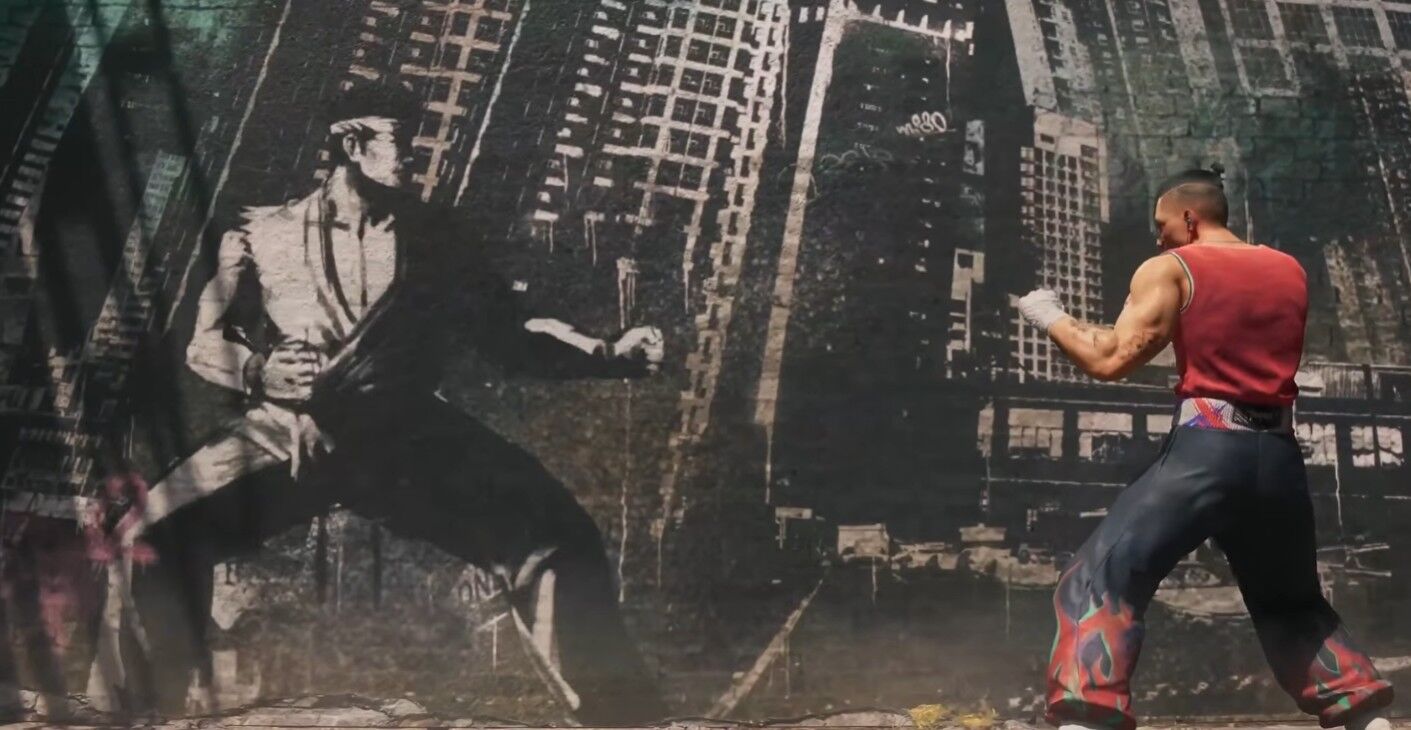
“I thought it was very similar to the situation with VIRTUA FIGHTER, and it told me a lot about how to modernise old settings, and stories to then revive them.”
On the topic of revival, an apt consideration came early on in development – that of the game’s title. As the game features links to established characters in the franchise, many fans were expecting it to be called VIRTUA FIGHTER 6, or just VIRTUA FIGHTER if the team wanted to position it as a reboot, but Yamada vetoed both.
“I specifically wanted it to have a tagline or subtitle. I wanted to show that there’s a lot of change, and that CROSSROADS is something completely new,” Yamada explains. “The title CROSSROADS actually expressed the meaning of the game very well, as it’s about four heroes going through a lot of crossroads, with their fates constantly crossing over each other.”
But if you are a fan of the series, there are hints in the new logo that indicate this is a planned sequel as well, he reveals.
“Also, I don’t really want to tell this to a lot of people, but if you look closely, we actually put a different colour on the ‘V’ and ‘I’ in the title to represent the number six, so it’s there for both our long-time fans to appreciate while still allowing newcomers to approach CROSSROADS as a completely new title in the series.”
Another way the title CROSSROADS links to the title’s in-game features is with its new branching story paths structure. While the team didn’t reveal just how drastically its story will diverge depending on a player’s choices, Yamada teased that players will be able to decide what kind of narrative they want to see while playing the game’s single-player campaign.
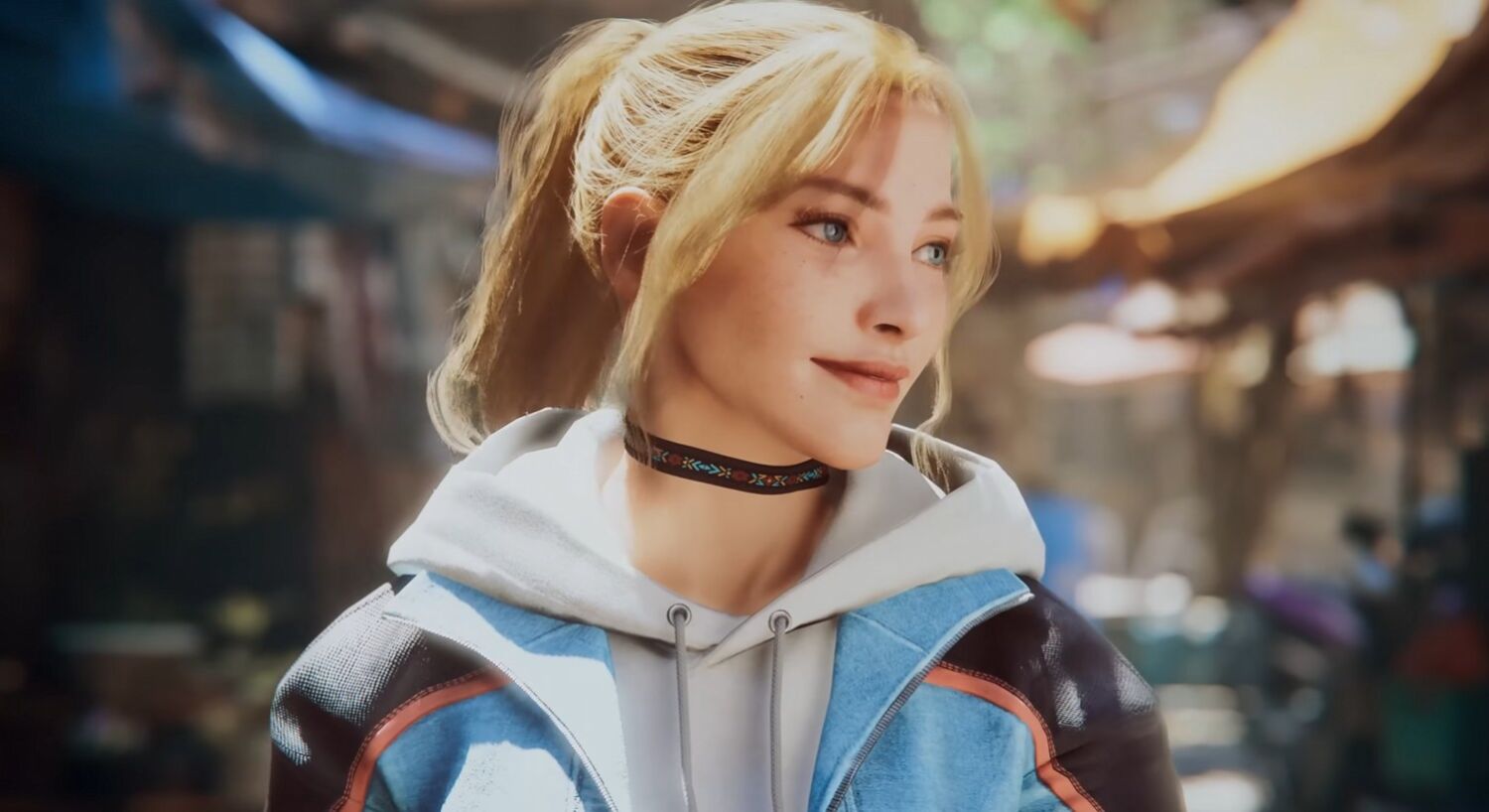
“In CROSSROADS, players will first start by playing as one of its main characters, Cielo Salinas, and as they play through his storyline, they will eventually hit a branching point where they will be able to go through the storyline using the other characters,” he explains. “You will be able to choose what kind of narrative unfolds as you go down the storyline and choose different branches to see different results.”
“On top of that, we also have side stories where legendary franchise characters come in, and other sub-stories featuring many different characters, so players will be able to learn more about the world and its characters.”
Of course, VIRTUA FIGHTER CROSSROADS innovations aren’t limited to storytelling alone, as the game has also made some interesting changes to how battles work, specifically for its new single-player campaign. While the franchise has traditionally focused on 1v1 fights, CROSSROADS shakes things up considerably by introducing instances where a player will face multiple foes in the same arena, going through different foes during fights in individual bouts.
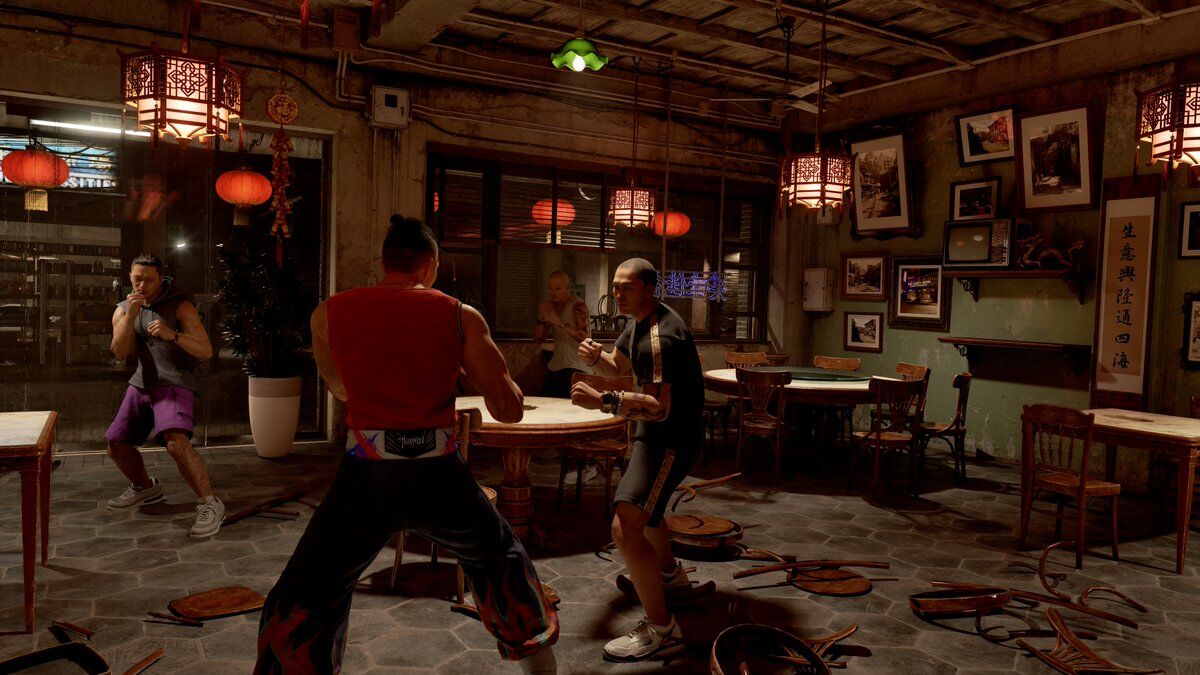
While this might seem like a roundabout way to approach combat, as a player will still end up facing individual opponents in the group via one-on-one fights, the decision to include such group encounters actually helped the team to better integrate gameplay elements into its campaign.
“The reason why we didn’t just choose only one-on-one battles in this game is that it’s very hard to design levels of the battles when it’s only one-on-one,” Yamada explains. “The player’s character is often placed in situations where they are against multiple foes, so having the traditional one-on-one fights didn’t work, as that’s not a realistic simulation of the battle. This way, it also adds to the variety and design of fights.”
Despite all these evolutions, the team remains determined to maintain the franchise’s legacy, be it by featuring some of its most legendary characters in the campaign, and down to the core fundamentals of the VIRTUA FIGHTER franchise – easy-to-pick-up but hard to master controls, and a dedication to presenting a realistic and grounded fighting game experience.
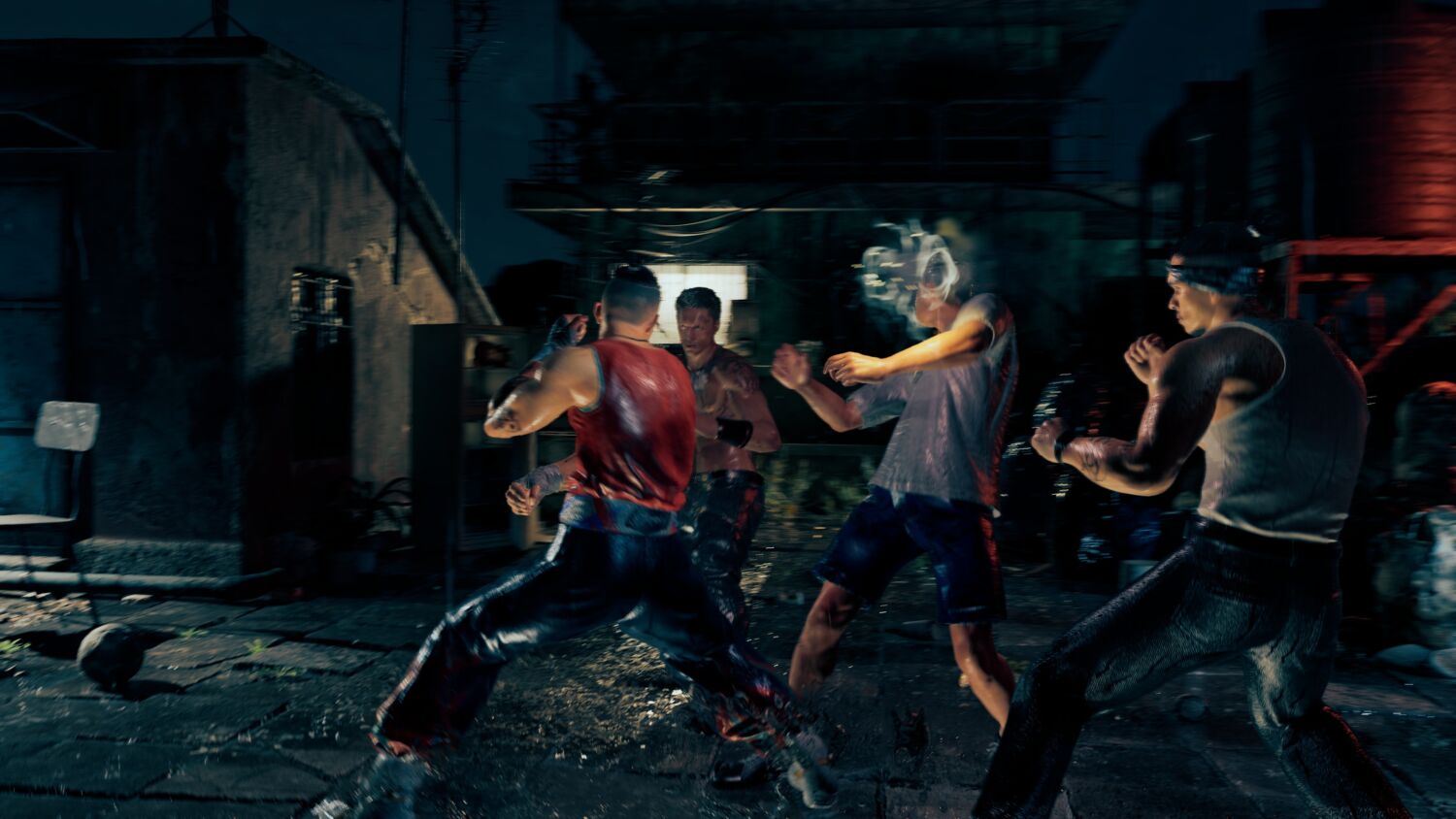
“People ask a lot about the complexity of VIRTUA FIGHTER, but the franchise actually started as a very simple game that anyone could play,” states Yamada. “It was released at a time when there were many more complex battle systems in other arcade games, yet the game only had three buttons, punch, kick, and guard, so even newcomers could mash buttons and achieve combos. It was only over time that players started learning the complexity of battles by combining combos.”
“So when we started on VIRTUA FIGHTER CROSSROADS, we knew we had to go back to the start and look at the original control system. To this end, this time we have optimised the game for gamepad control, and not the arcade stick like other titles in the franchise, which does allow for easier control for the player.”
As for realism, the team wanted to stay true to the roots of the original game, which was heavily inspired by 90s kung fu movies, but have also doubled down on presenting different forms of martial arts in a realistic, grounded nature.
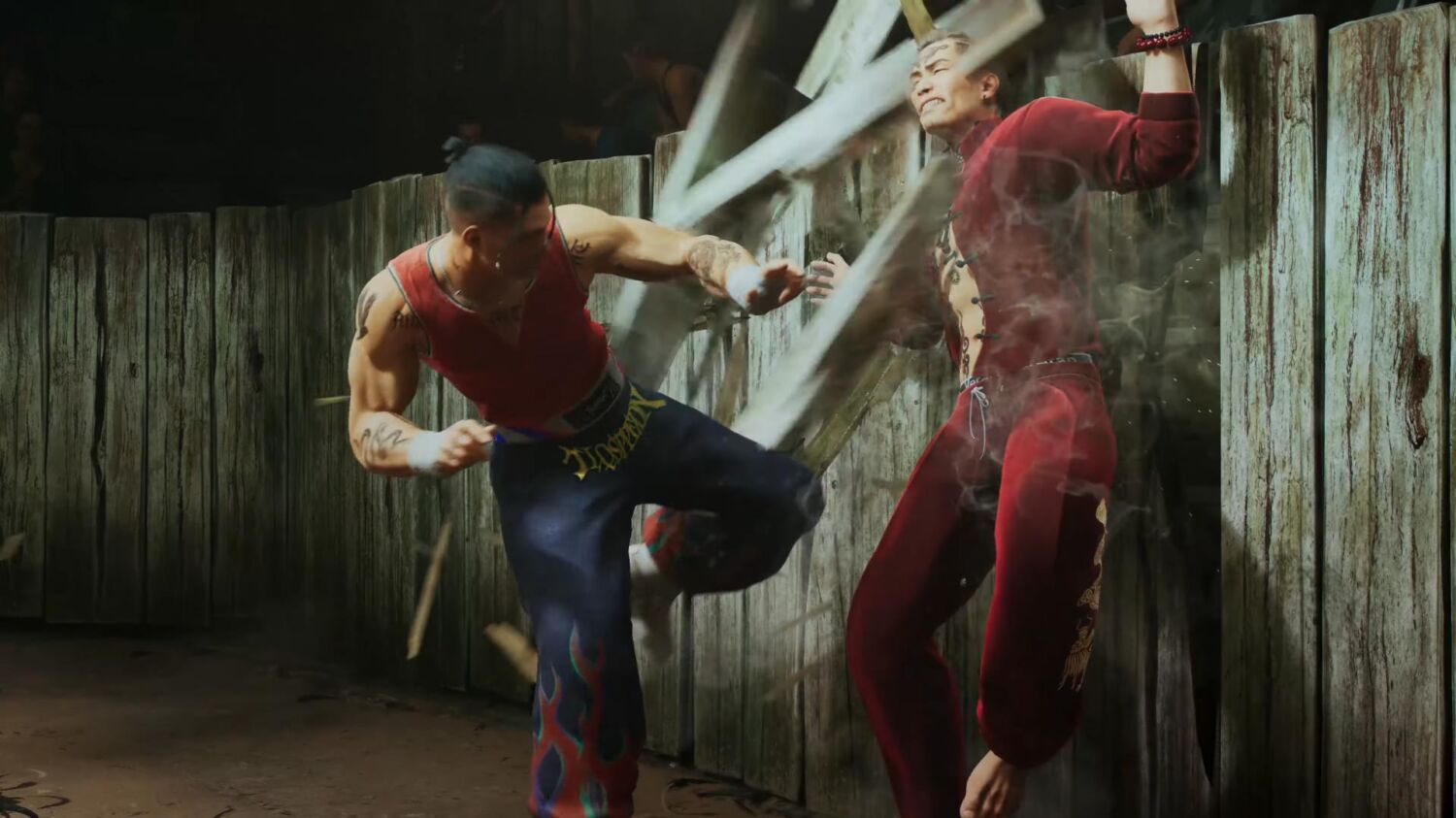
“If you wanted to modernise battles in fighting games, you could do things like adding all sorts of gauges or making fights really effects-heavy, but we didn’t go in that direction. We wanted to keep the realism for more cinematic battle scenes, and then make it more stylish in a way that fits into the atmosphere of VIRTUA FIGHTER,” Yamada concludes.
Based on the game’s initial reveal trailers and Yamada’s comments, it’s clear that the team is both honouring franchise legacy while still forging a new path when developing VIRTUA FIGHTER CROSSROADS. On top of maintaining the franchise’s staples like its competitive multiplayer versus mode and signature three-button combat system, the team is also introducing completely new elements with its heavy emphasis on storytelling and groundbreaking group-based single-player battles. It’s a delicate balancing act to pull off, for sure, and a journey fans will surely be eagerly anticipating as the game steadily approaches its release sometime in 2027.

Kevin is a reformed PC Master Race gamer with a penchant for franchise “duds” like Darksiders III and Dead Space 3. He has made it his life-long mission to play every single major game release – lest his wallet dies trying.

 Si Jia