This interview has been edited for clarity.
It’s like the search for sunken treasure – you know it’s out there, and in the slim chance that X does mark the spot, there’s no guarantee that you’ll hit the jackpot again.
In the case of Ubisoft’s long-running flagship Assassin’s Creed franchise, 2013’s Assassin’s Creed IV: Black Flag went on to not only become one of the most well-regarded titles in the game’s history, but it also earned its spot as one of the greatest video games ever made, receiving critical acclaim with over 11 million copies sold as of 2014.
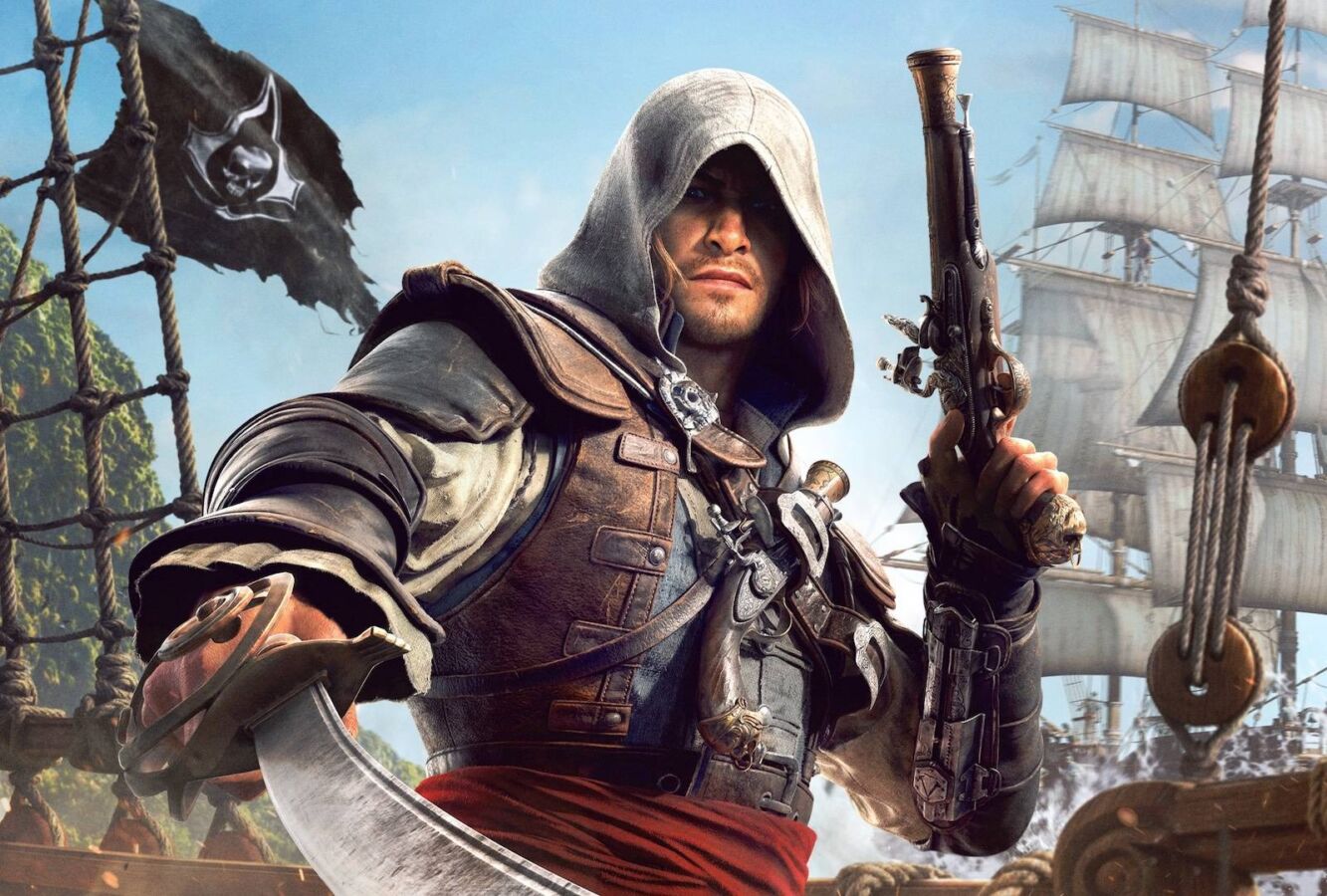
While modern titles would go on to further refine their role-playing elements and add increasingly complex features like Conquest Battles in 2018’s Odyssey, and the ability to choose between dual protagonists in 2025’sShadows, many fans who have been with the series since day one instantly recognised the influence and mastery with the original era’s tightly crafted narratives, one that gave us the likes of master assassins like Altaïr Ibn-La’Ahad, Ezio Auditore da Firenze, and of course, Black Flag’s Edward Kenway.
Kenway might have started off as a lowly pirate, but as it’s always the case, it’s never about who you were or where you came from, but the journey you choose to embark on that will leave a lasting legacy.
So it came as no surprise that when it was time to develop a full-fledged remake to bring this killer tale to the modern generation with Assassin’s Creed Black Flag Resynced, the project fell into the hands of Ubisoft Singapore – the same folks who worked on the original. After all, what better way to ensure that lightning might strike twice than working with the crew who did the original?
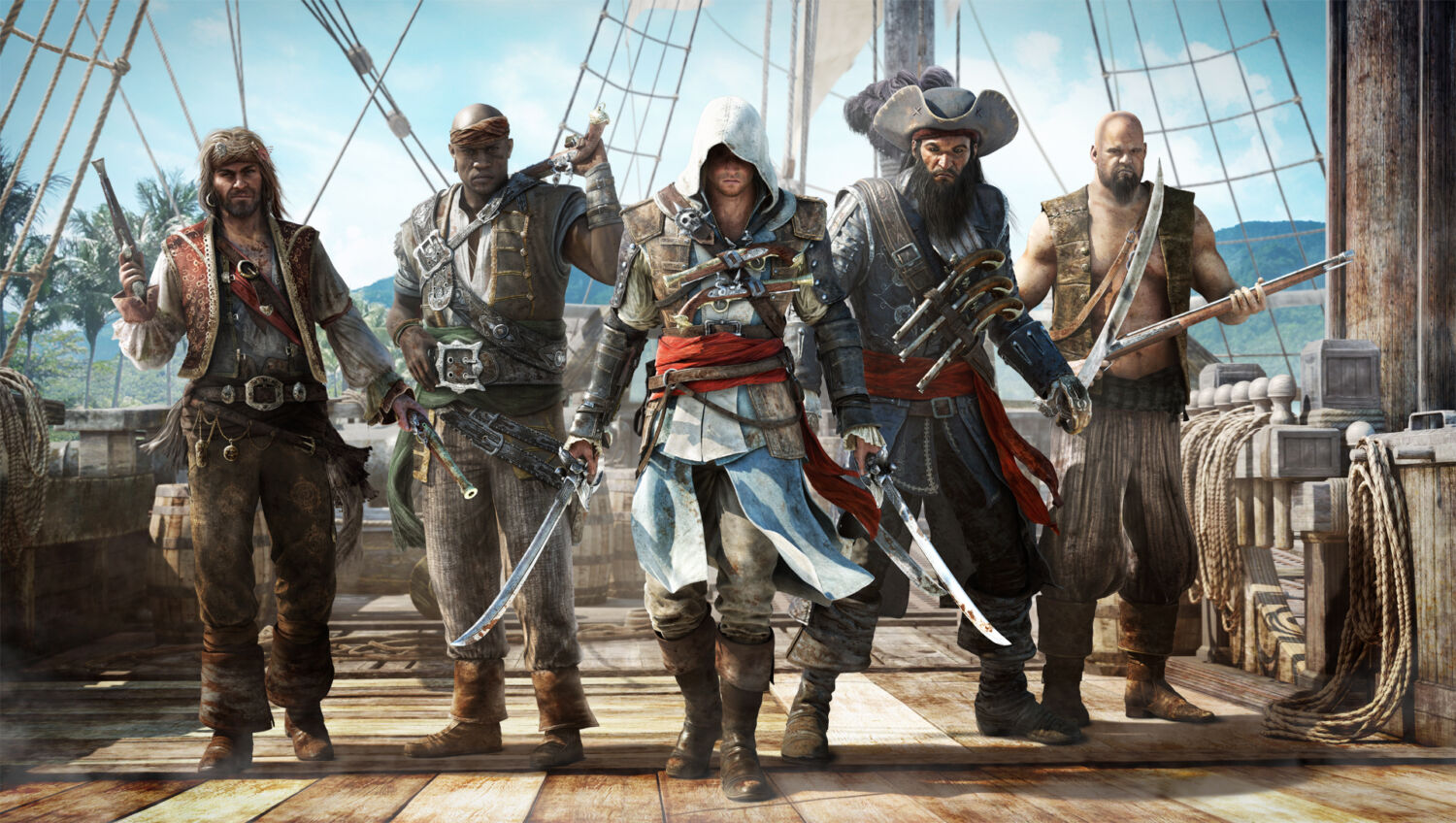
Of course, any time an older game gets remade, especially one from as long-running a franchise as Assassin’s Creed, it raises the question of why a particular title was chosen over another, say, for instance, 2009’s Assassin’s Creed II, a game many fans consider to be the best of the franchise’s classic era.
The answer? Practicality.
“It’s got a great, iconic character in Edward that people love for various reasons, it’s got two different types of gameplay, and then specifically for Ubisoft Singapore, we have all these people that worked on the original game and have the experience with water tech and naval gameplay,” explains Assassin’s Creed Black Flag Resynced game director Richard Knight during an interview with Geek Culture at the games preview event in the Singapore office.
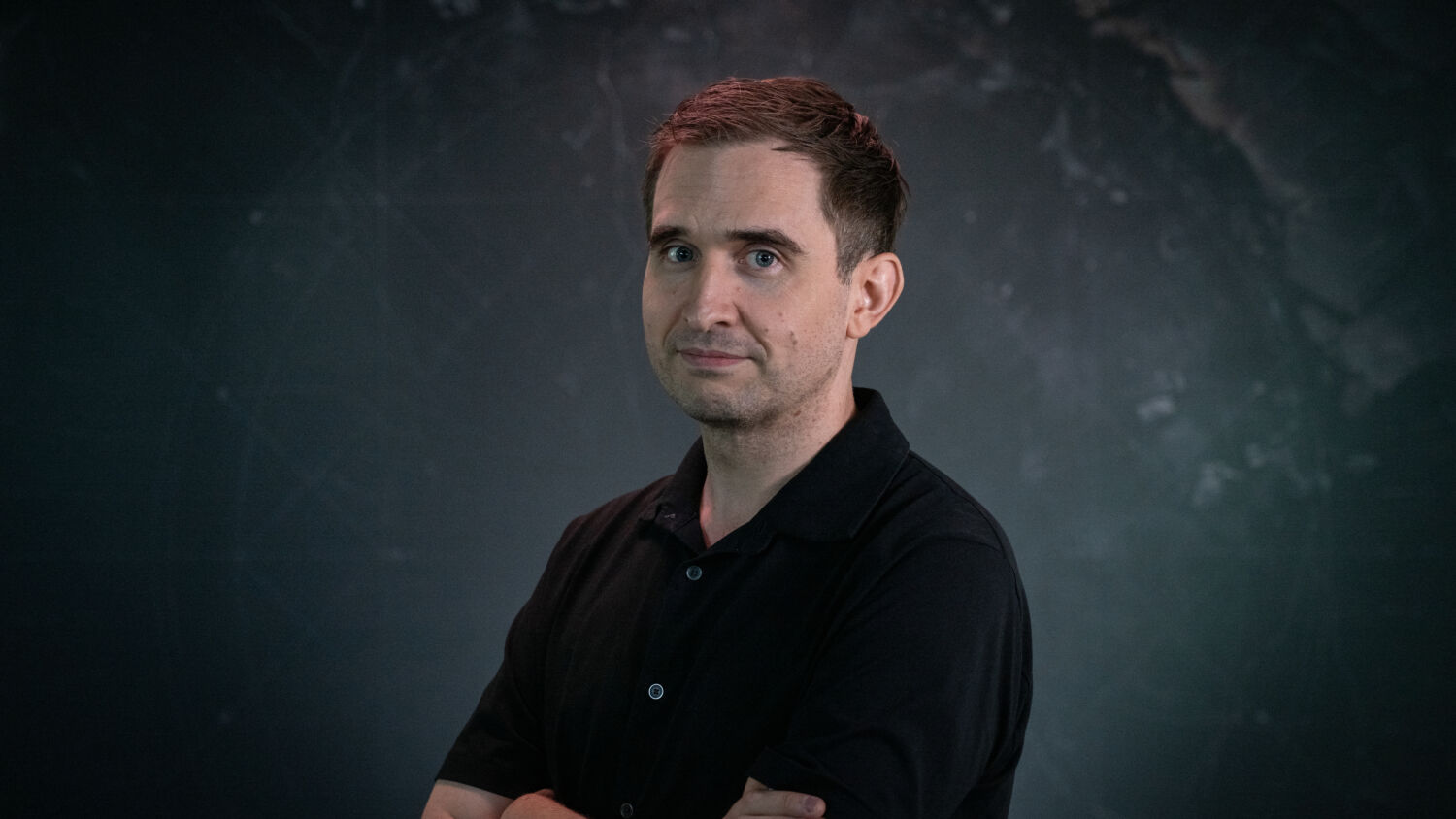
“So when you put all this together, it wasn’t a question of, why not do one of these other ones? It was ‘this’. The answer seems obvious. Let’s do this one.”
For younger fans who might be unaware, Black Flag made literal waves when it first came out for offering two distinct gameplay experiences and fantasies. On one hand, you had that classic Assassin’s Creed experience, which had been fine-tuned over the past five mainline games, and on the other, it allowed players to live out their dreams of becoming a swashbuckling pirate, expanding upon the foundations of the ship battles introduced in 2012’s Assassin’s Creed III for a true sea-faring adventure.
Introducing a vast naval experience to a franchise that was traditionally landlocked was no easy task, and that’s where Ubisoft Singapore first came in, when a comparatively small team took on the lofty task of crafting the entire naval-based component of Black Flag, from ship combat to open-ocean gameplay, resulting in a challenge the team completely blew out of the water.
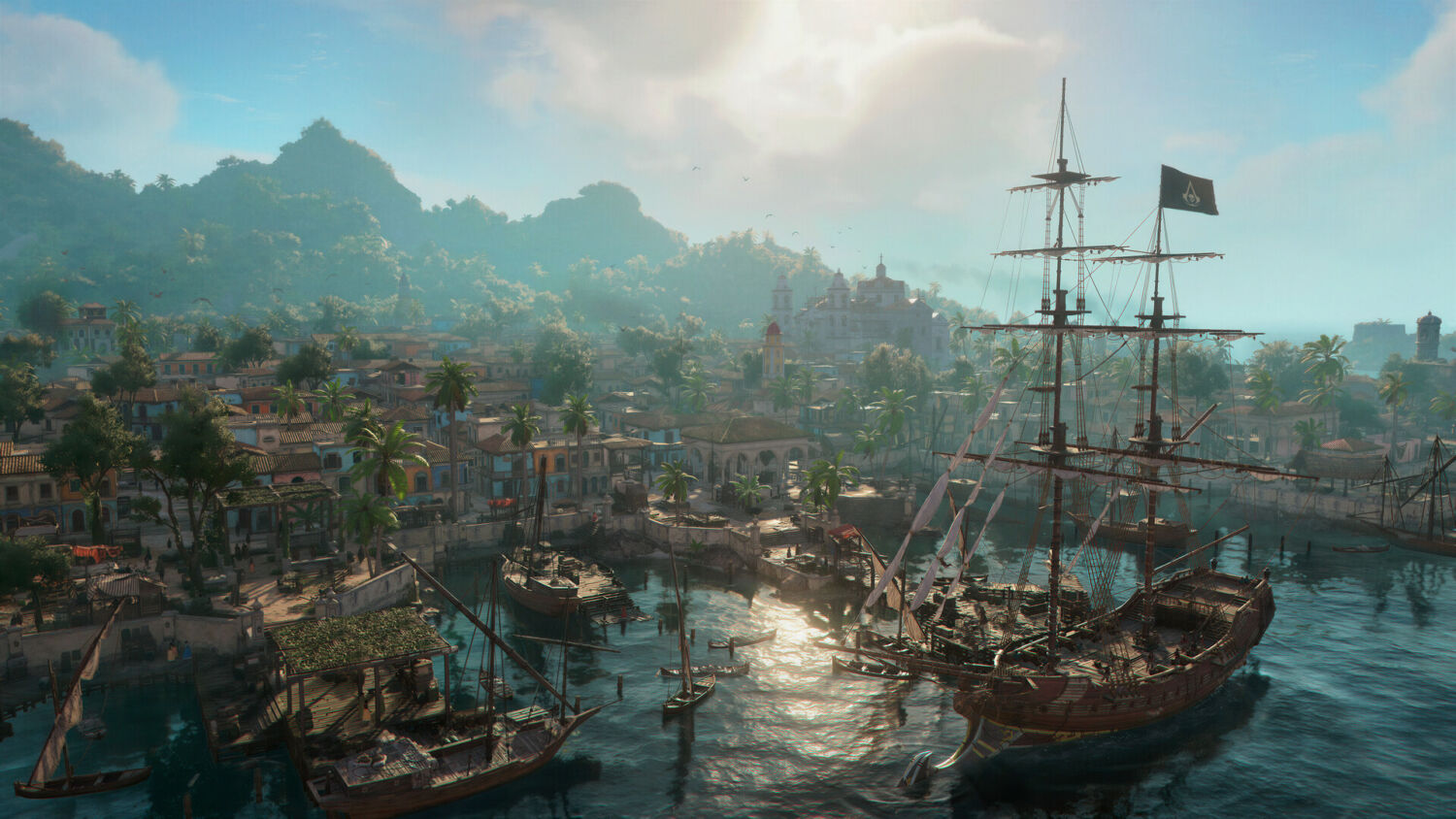
While the new task is familiar, the ask is different this time around as the team, known for pioneering the Assassin’s Creed naval formula, is now leading the charge for the entire game and has a new challenge of balancing old and new elements of the game, which was a challenge they were ready to take on, thanks to the experience the team had accumulated over the years with the series.
“This team has been on Assassin’s Creed continuously. On the original Black Flag, it was naval, but with other games like Shadows, we did a large part of the game world, not just naval systems,” Knight explains. “But what I’d say the biggest challenge is, in taking on this game, is that we have to become historians.”
“We have to understand the original game very well, along with the modern standards of Assassin’s Creed set by Mirage and Shadows. And then we need to look at all the games in between, figure out what needs to be modernised and what needs to stay the same.”
This balancing act is best seen in Assassin’s Creed Black Flag Resynced’s overhauled combat – changes we got to experience during an accompanying three-hour-long preview. In essence, ground and ship combat in the remake remains fundamentally the same, albeit being presented in a manner more akin to recent franchise titles, and that was exactly what the team was aiming for.
“We totally changed the combat, but we hope it still gives the same spirit of the original, except now with more of a skills expression system,” he continues. “Whereas something like the naval gameplay, we’ve added a bit onto it, but it should fundamentally still feel like the same Jackdaw as it did back then.”
Even the most basic of concepts came under scrutiny for the remake, such as minor but noticeable tweaks to stealth. Perhaps the most notable example would be the game’s new dedicated crouch button, which, although a staple in modern stealth titles, was never in the 2013 original, and it was simple details like these that proved the trickiest to tackle.
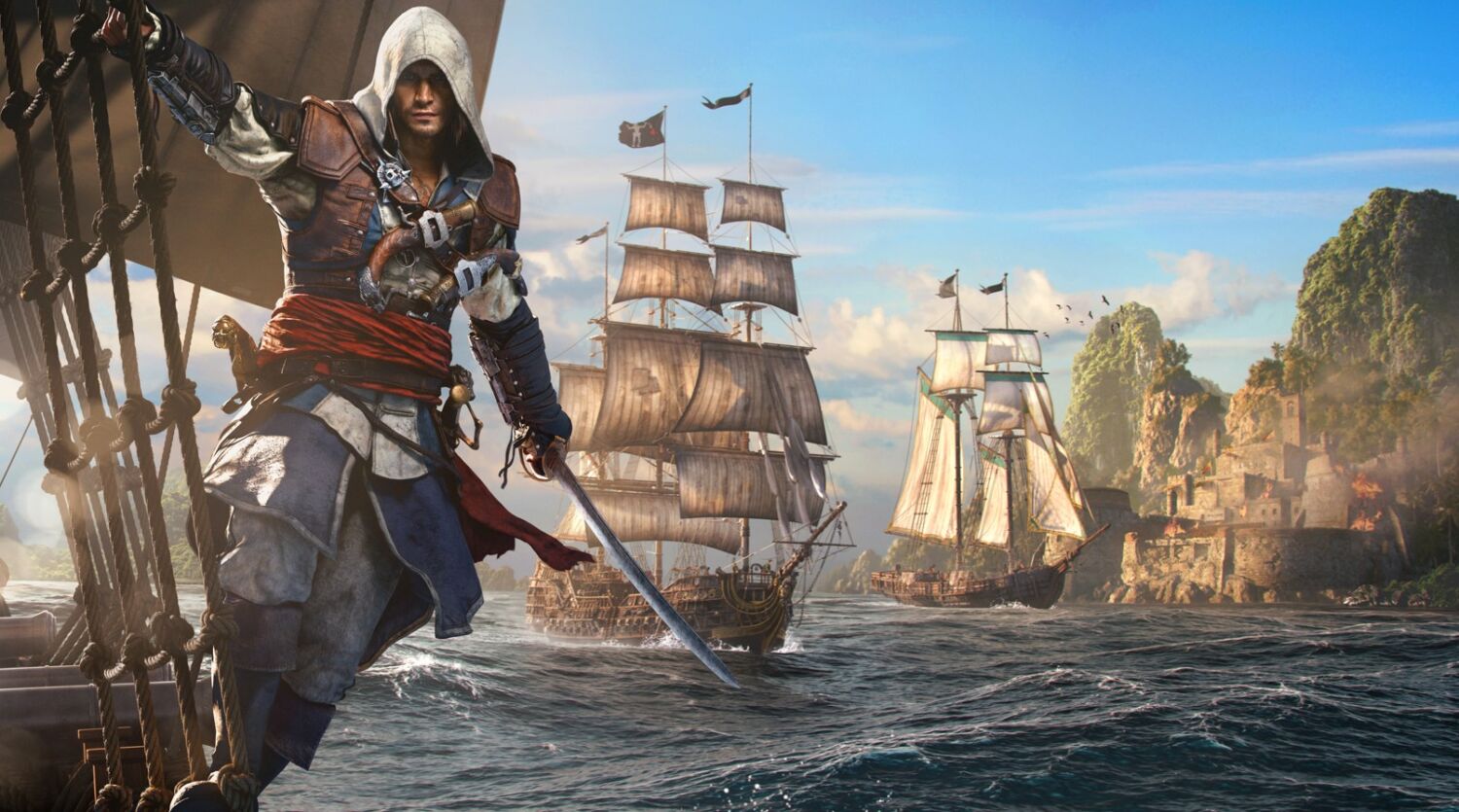
“We even took some animations like the take-downs from other games where it made sense, but only if it fit Edward as a character,” he adds. “There were things we wanted to add from games like Shadows or Mirage that we couldn’t because it didn’t make sense for Edward. We didn’t want to make less Black Flag, but a recent Black Flag, and it was important to understand the brand and be nerds about the rest of the games to understand how they all work.”
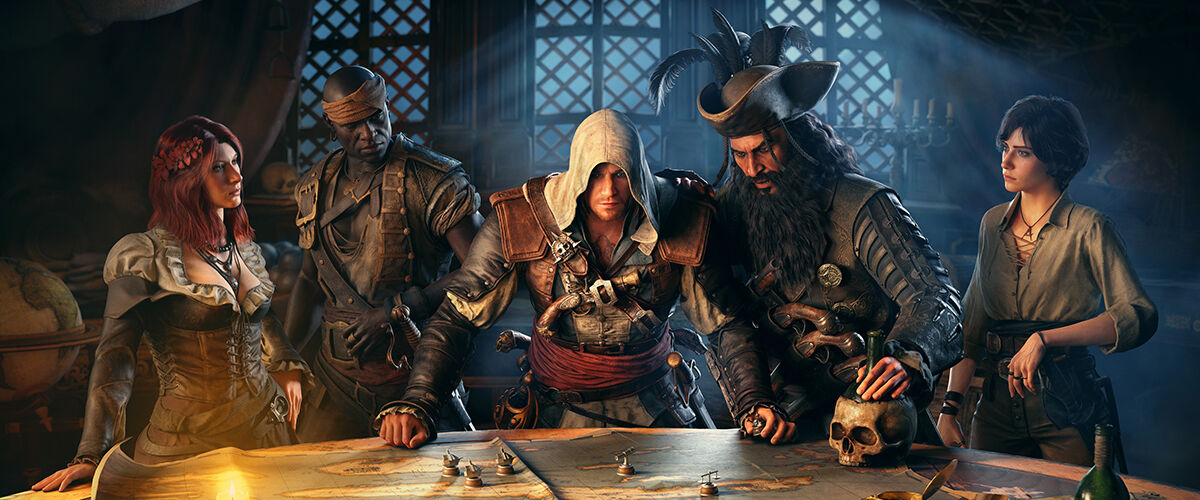
When it comes to remakes, the team could have simply gone for a shot-for-shot overhaul with only minor tweaks to gameplay and called it a day, but for Assassin’s Creed Black Flag Resynced, Ubisoft Singapore wanted to go one step further, leading to the addition of the remake’s new narrative and gameplay elements, such as the three new companion characters, ship officers who Edward can now encounter and recruit as he progresses through the campaign.
The addition of such side missions might seem trivial, but considering how important the narrative element was to Black Flag, the challenge here was not just adding these new characters, but also ensuring that they fit well into Edward’s already well-established storyline.
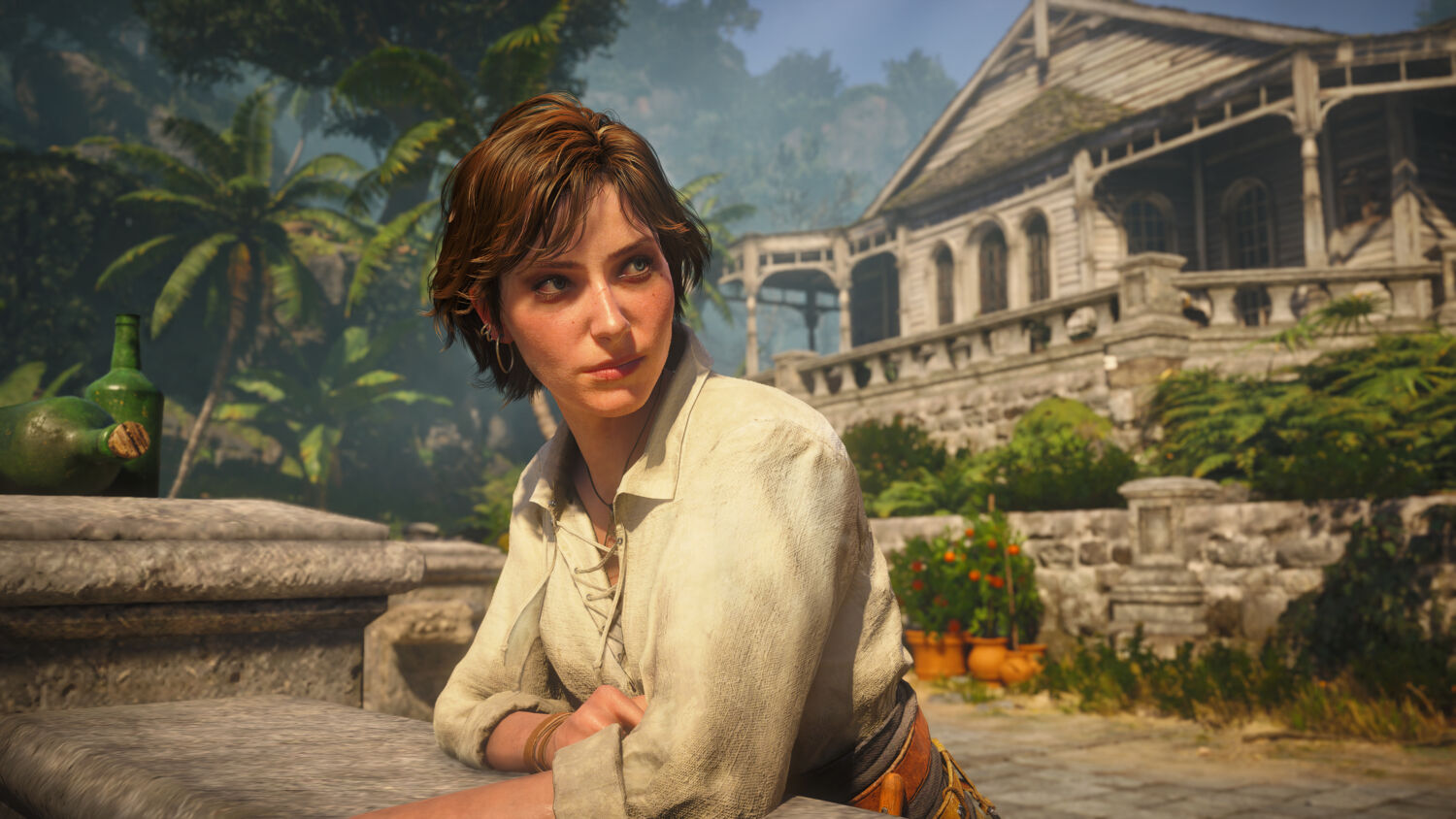
“We knew from the beginning that our guiding North Star was Edward himself, and of course, that means we have to retell Edward’s story the same way we did,” explains Knight. “And since it’s not an alternate history, and we’re not here to change it, so then what do you do?”
“We looked at the things that were not left completely addressed in the original, such as what happened to certain characters, or the concept of officers, which was what many wanted for a very long time, but we’ve never had a chance to do until now.”
“With the addition of these new characters, it’s not so much about them, but how they reflect on Edward as you do the quests. You now get to see him as a pirate captain who actually has to manage a crew,” he adds. “The original game spent more time on him as an Assassin, and less as a pirate captain, so we hope these additions offer more insight into that aspect.”
Apart from the additional officers, one new addition to Assassin’s Creed Black Flag Resynced that we weren’t able to experience in our preview session was its changes to the modern-day component, a staple in the franchise that started to wane following its move to the RPG era. The original title had players exploring the in-universe Abstergo Entertainment office as a nameless employee, hacking computers via a sphere-based puzzle minigame to eventually uncover a Templar plot.
This portion of the game was often considered one of the weaker aspects of the original Black Flag, especially compared to the modern-day parkour action seen in previous titles like Assassin’s Creed III (2012), and this is why the team has opted to remove these sequences for the remake entirely. In its place, Assassin’s Creed Black Flag Resynced will feature “rifts”, similar to those seen in Shadows, and although we couldn’t see them in action for ourselves, Knight offered brief insight on what these segments will encompass.
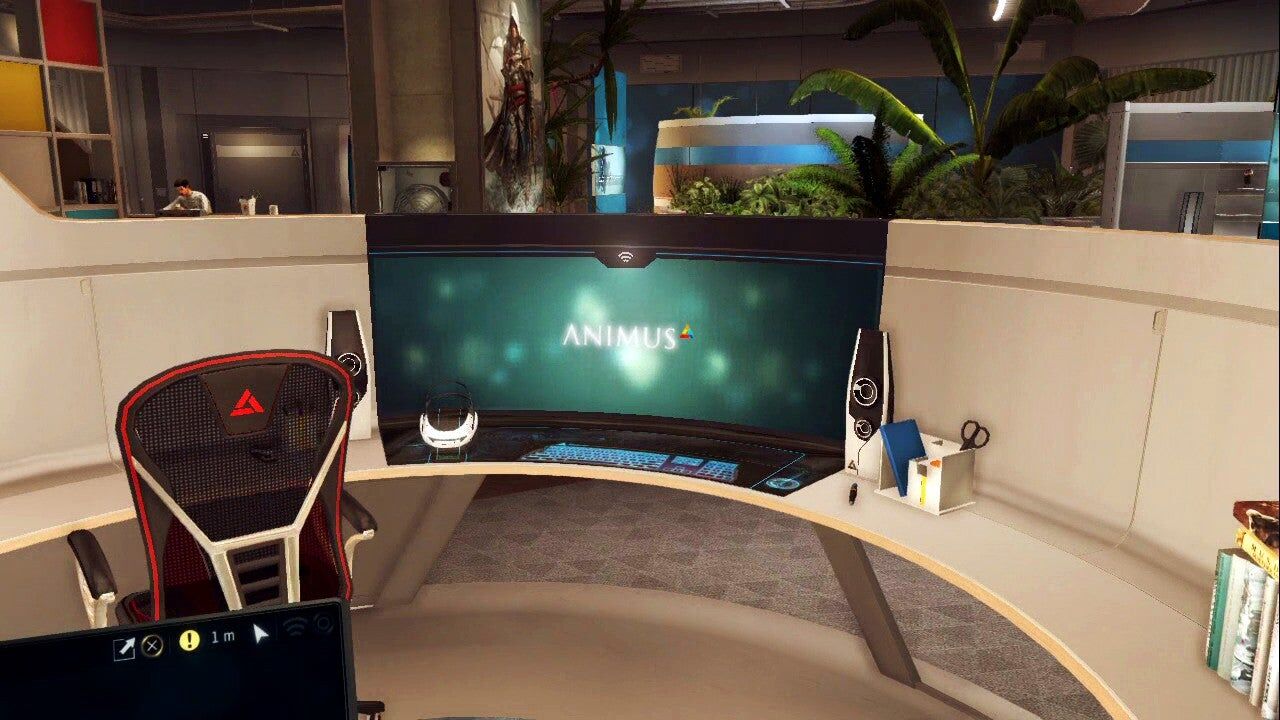
“It was one of the things we knew we couldn’t use in the remake, as it didn’t fit the game we were trying to sell,” explains Knight. “So instead, we had two goals. One is that we wanted to continue from the rifts seen in Shadows, and the other is that we wanted to tell something that didn’t feel like you’re not playing Black Flag.”
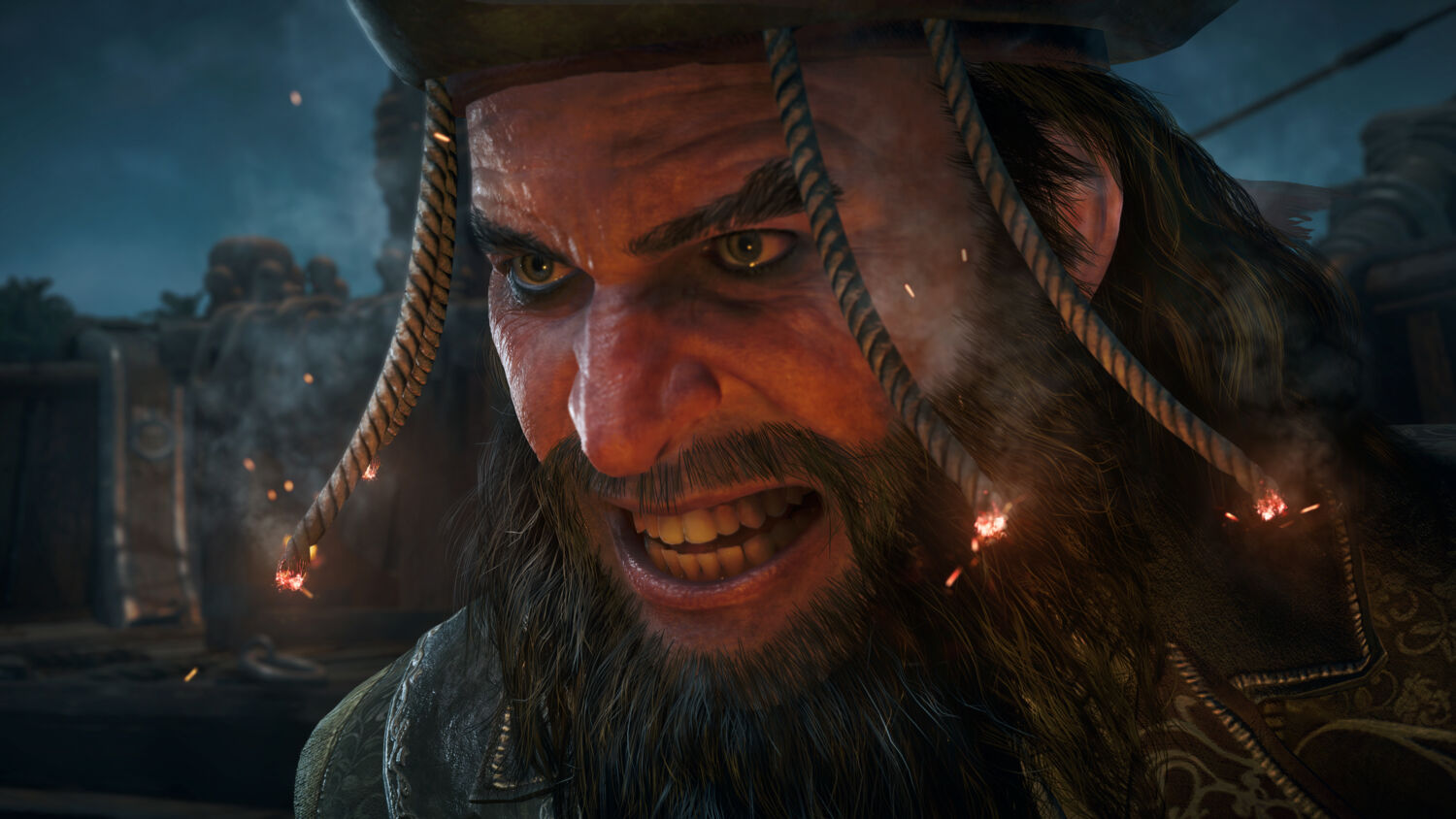
“So these riffs that we have are all telling the ‘what if?’ stories for Edward and some of his friends, like what if Edward, Mary Reed, or Black Beard had made this choice instead of that? So it still feels like you’re connected to the main plot, but you’re not completely doing the same thing either.”
Even with all these new additions, it’s still reassuring that the team has chosen to stick to Black Flag’s action-adventure roots for the remake, which, according to Knight, was still the best fit for the game and Edward himself. But perhaps the biggest question on everyone’s mind is, now that the team has had a taste of that classic Assassin’s Creed formula fans are so desperately yearning for, what does the future hold for Ubisoft’s stealth-action franchise?
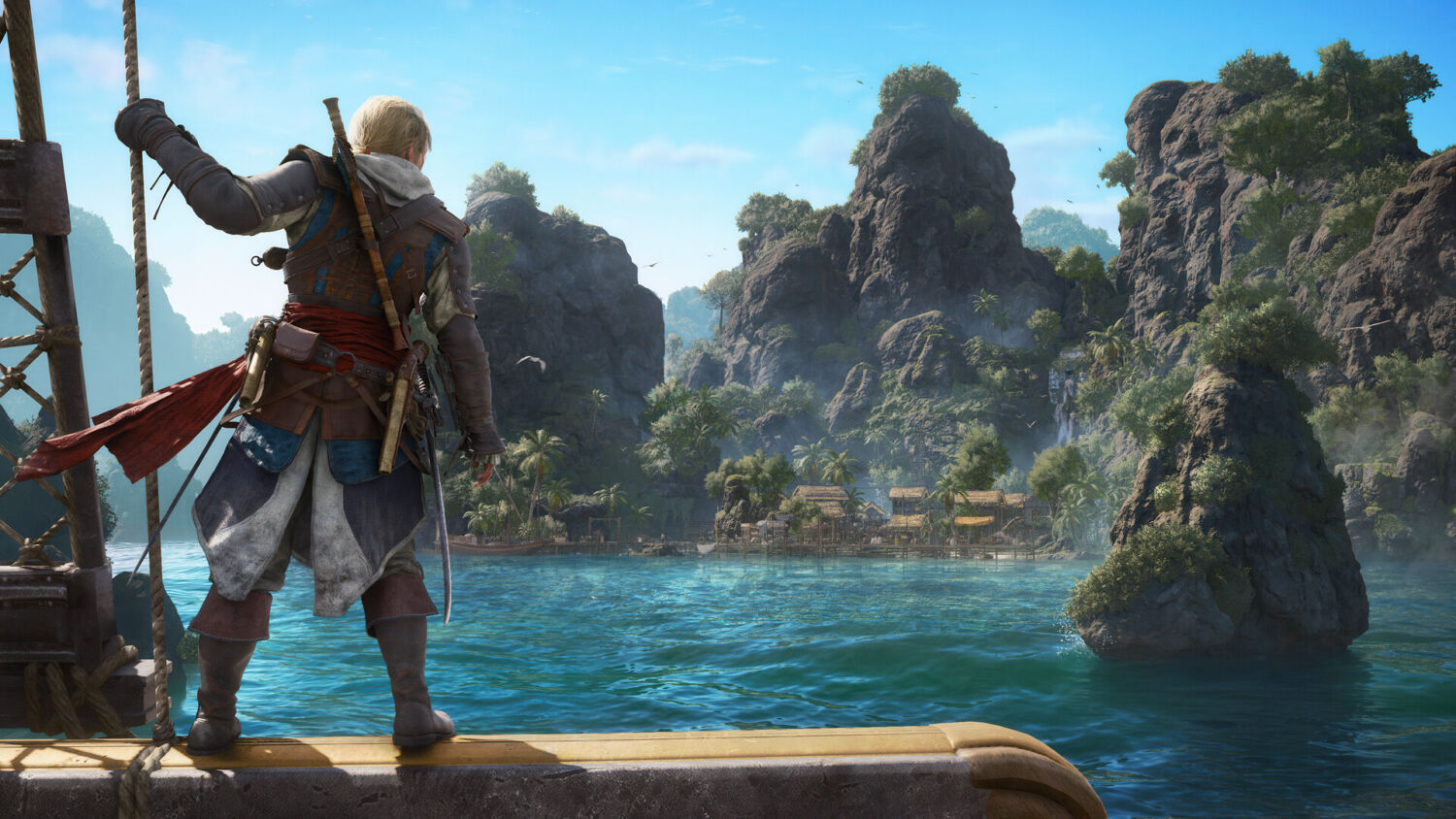
“I don’t know what the future will bring, but what I can say is that we hope this opens the door a bit,” Knight concludes.
“The cool thing about Assassin’s Creed is that there are so many different historical periods and characters to choose from, and whichever one we do take, we’ll find something that fits gameplay and story-wise, and that’s why it’s just always exciting to think about what’s next, one way or the other.”
Assassin’s Creed Black Flag Resynced will let players relive Edward Kenway’s legendary journey when it launches on 9 July 2026 for the PS5, Xbox Series X|S and PC.

Kevin is a reformed PC Master Race gamer with a penchant for franchise “duds” like Darksiders III and Dead Space 3. He has made it his life-long mission to play every single major game release – lest his wallet dies trying.

 Si Jia