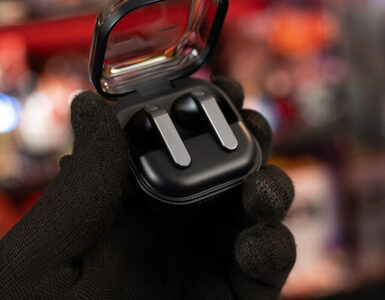
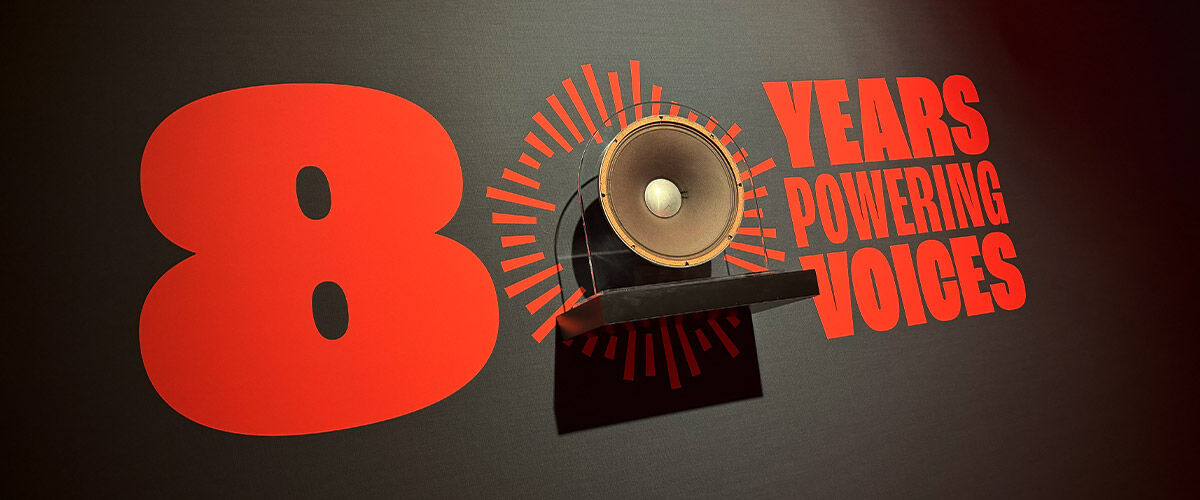
Before the orange logo started appearing on speakers in music studios and cinema halls, and way before those same speakers shrank enough to fit into living and bedrooms of homes, audio equipment manufacturer JBL served as more than just a conduit for audio accompanying movies, concerts and sporting events – it channelled the soundtrack of American pop culture.
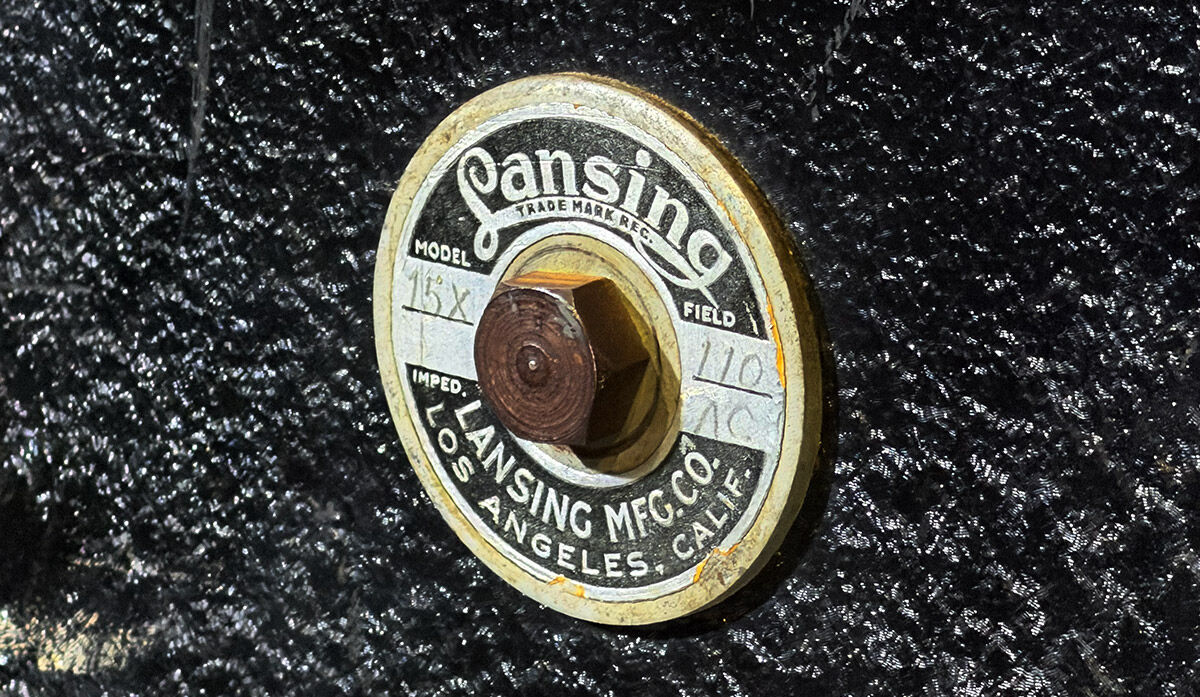
Founded in 1946 by speaker designer James Bullough Lansing, the audio engineer cut his teeth in late‑1920s Los Angeles, building audio drivers for radios but as silent films gave way to talkies, cinemas and studios needed sound that was powerful, clear and reliable. The era marked the birth of serious cinema audio – the same pursuit that drives modern audio manufacturers – and the realisation by key players that it could not be achieved with cheap radio parts, leading Lansing to develop one of the first true studio monitors, the Lansing Iconic, in the 1930s.
Moving swiftly into the music business by the 1940s, the company focused on tools for professionals first, and never considered the notion of ‘home audio’ even though by the 1960s, the likes of music labels such as Capitol and EMI adopted the JBL 4320 as control‑room references. And as multitrack recording exploded in popularty as modern pop music arrangements were getting denser, the likes of EQ, balance and dynamics were being made on JBL monitors.
When studios moved from four‑track to eight‑track, space became a problem as Hollywood audio engineers suddenly needed twice as many speakers in the same rooms. This led to JBL answering with the 4310 nearfield monitor, which is smaller but just as serious and more importantly. It became a studio staple.

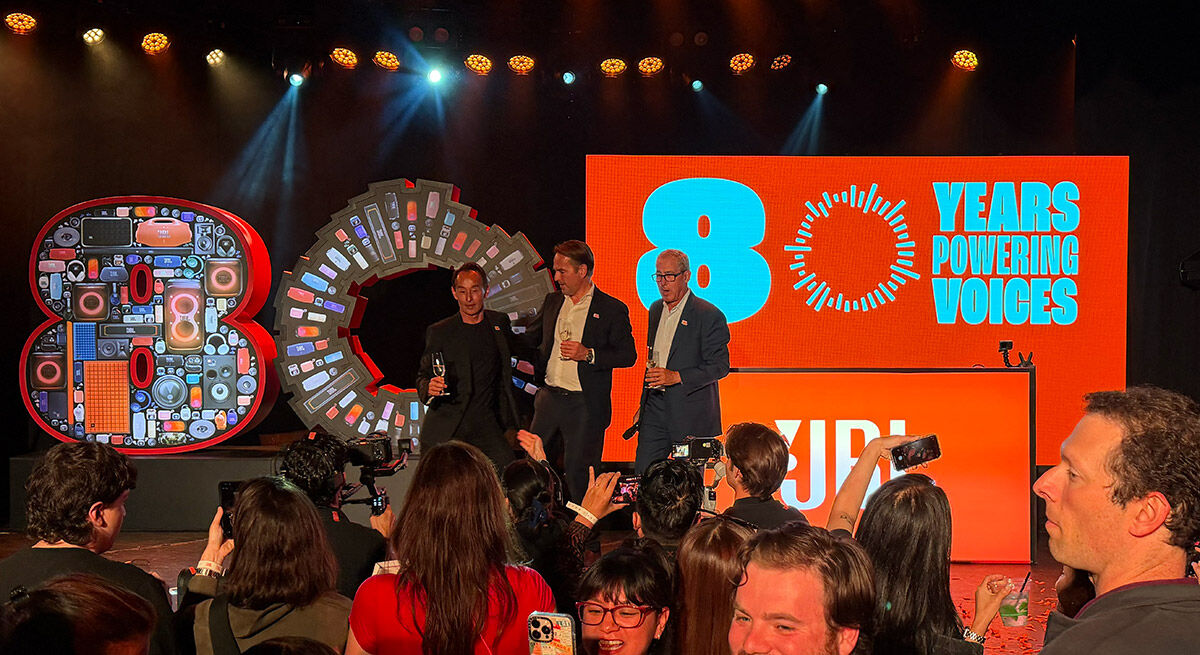
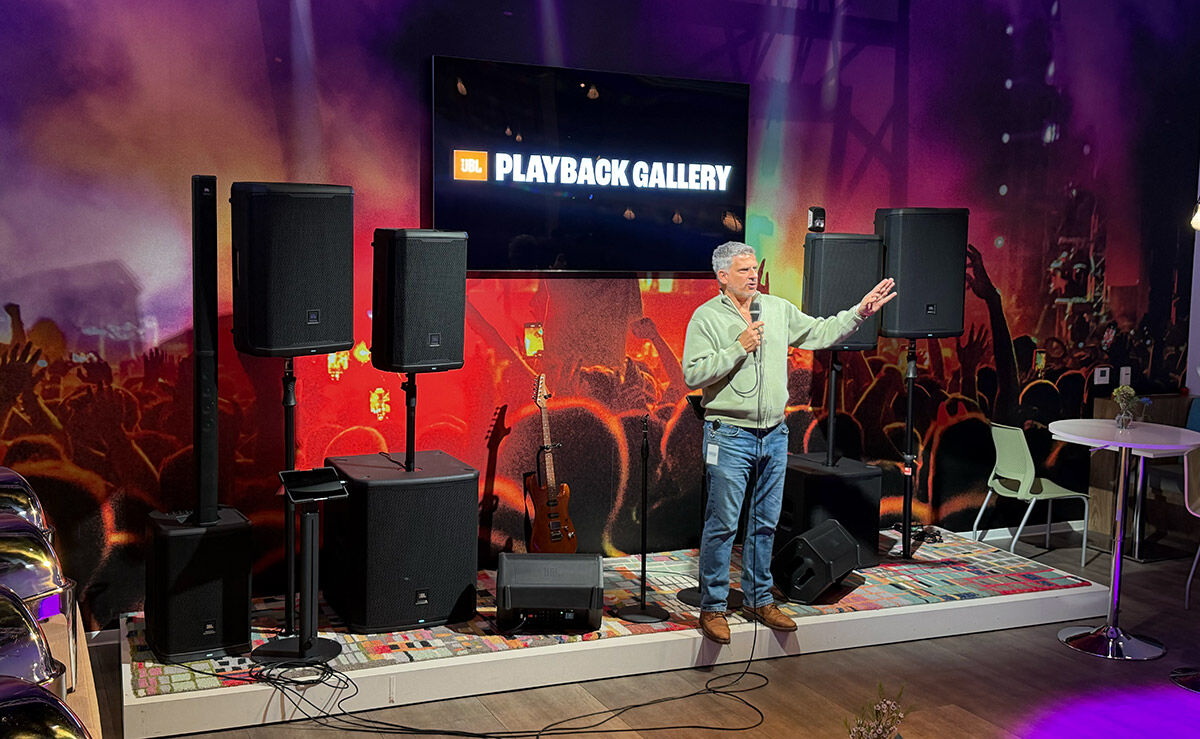
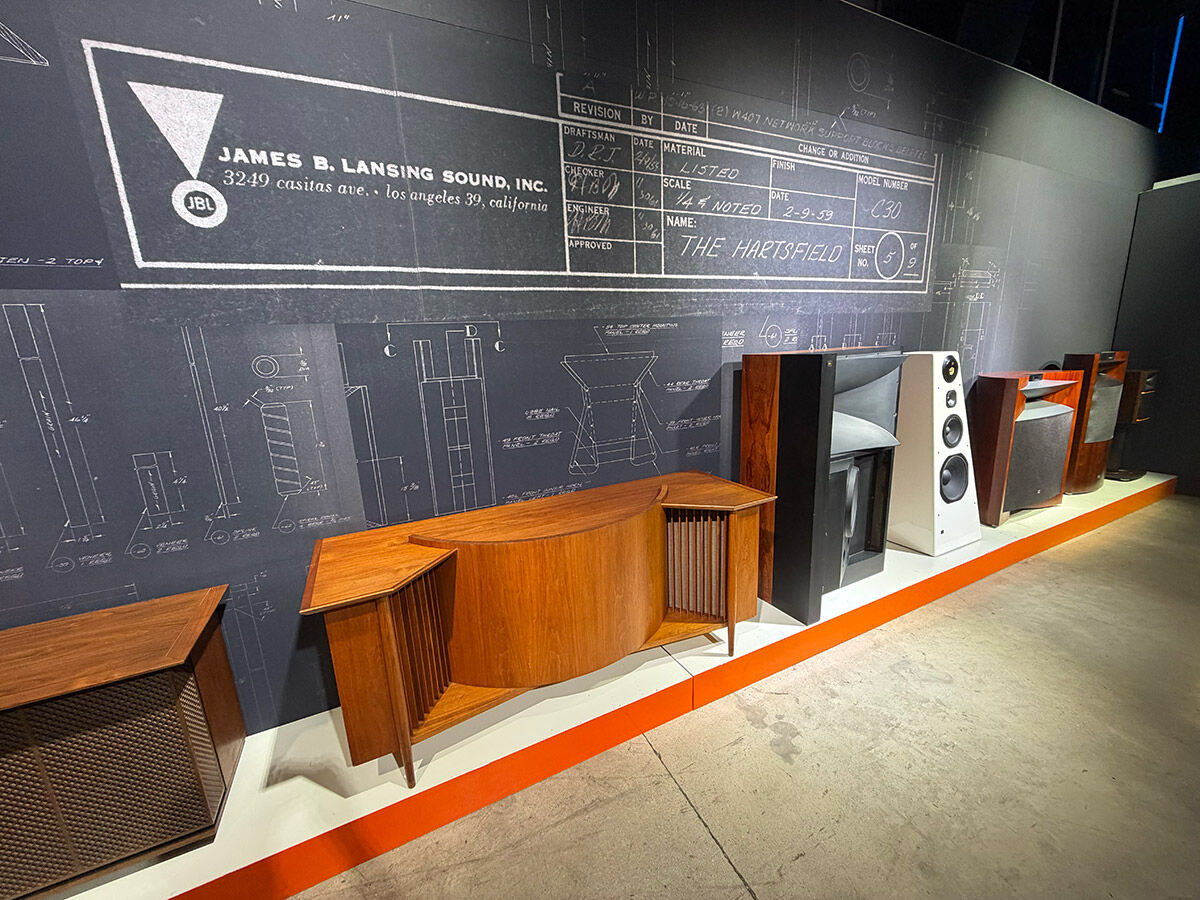
And as we walked into JBL’s 80th Anniversary Playback Gallery Tour located at the Harman Global Centre of Acoustic Excellence in Northridge, Los Angeles, it didn’t feel like a Bluetooth brand birthday party, but more of a behind‑the‑scenes tour of how JBL moved modern sound from event spaces, into our living rooms, as things eventually evolved to become JBL’s “pro‑to‑home pipeline” that runs hardware straight through three crucial points, encompassing its studio and cinema roots. The exclusive, by-invite-only tour leads guests to the iconic and absurdly ambitious Paragon (D44000), a legendary, highly collectible one-piece home stereo loudspeaker produced from 1957 to 1983, through to the orange‑grilled L100 Century bookshelf speakers that defined the 1970s and brought studio audio DNA into dorm rooms and suburban lounges.
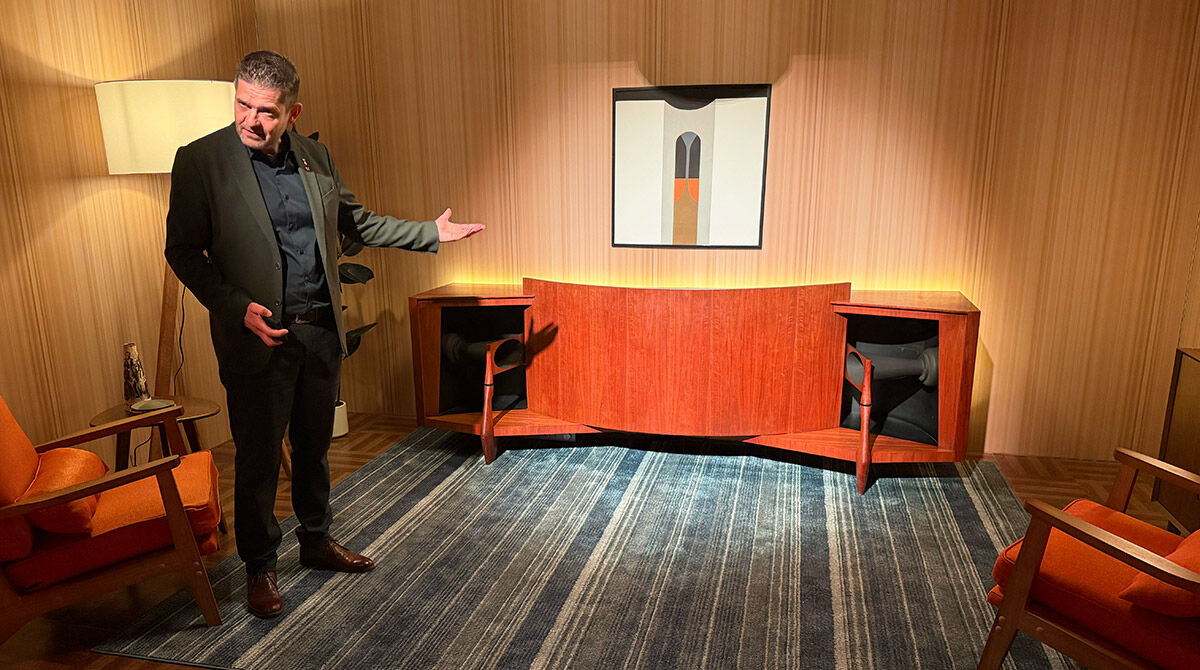
But even as the company is celebrating eight decades, the real story is actually older than any portable speaker as this is the story of how a pure engineering outfit, born in film studios and control rooms, accidentally turned its pro tools into design icons for regular humans. How? When JBL’s engineers started hauling the speakers in the studios home.
As it turns out, the staff and team who were listening critically all day in professional rooms were choosing to keep listening to the same speakers at night, by bringing them home, and JBL’s leadership noticed. And when your unintended “consumer” base is a bunch of audio engineers sneaking your gear into their houses, maybe you don’t need a separate home philosophy at all – maybe you just needed to tweak, not transform, what you already do into something people can actually live with.
What mattered is that JBL took the same engineering instincts it applied to cinema and studio systems in its pro‑to‑home story, such as horn loading, controlled dispersion, dynamic headroom, and pushed them into a domestic object that didn’t apologise for its size, even if it took over a significant portion of your living room. Despite selling only a reported 1,000 plus units of the then US$2,000 (around US$23,500 in 2026 terms when adjusted for inflation) audio system, it proved that there was a spot for audio in every home if you wrapped it in ambition.
By the late 60s, the company had plenty of evidence that its tools were escaping the studio and engineers were buying 4310 monitors for their own systems simply because they trusted the sound so rather then investigate and fight the “thefts”, JBL did the obvious – built a version of the monitor specifically for home use that kept the same audio character.
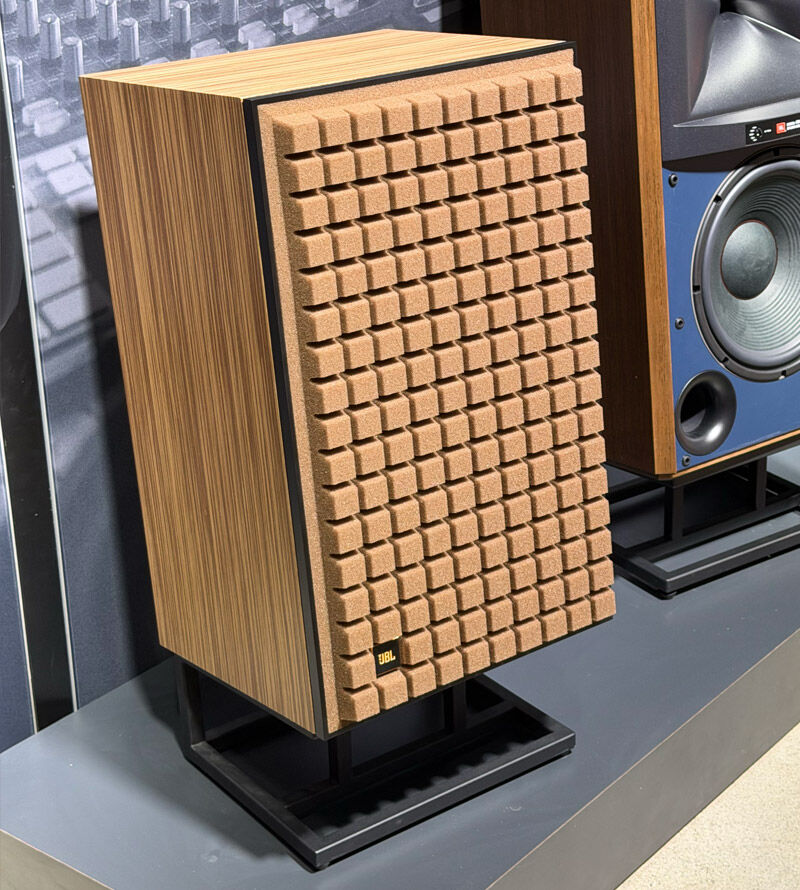
That birthed the JBL L100 Century, one of the defining hi‑fi products of the 1970s, not just because the 3-way speakers could handle rock, jazz and everything in between, the designers reimagined the exterior and repalced the boring studio box with a walnut veneer, with a deep geometric pattern aka Quadrex, in an almost radioactive orange that replaced the plain grille.
At US$550 (around S$4,075 in 2026 terms when adjusted for inflation) a pair in 1971, it was cheaper than the Paragon but still pricey, though it was now reachable to more people, such that an estimated 150,000 pairs sold through the first decade, establishing itself as a permanent place in audio culture.
What the L100 proved, more than anything, was that JBL didn’t need a watered‑down consumer line to succeed in homes. It just needed to apply its professional brain to domestic design, which in this case, is the same core tech, but with a different skin.
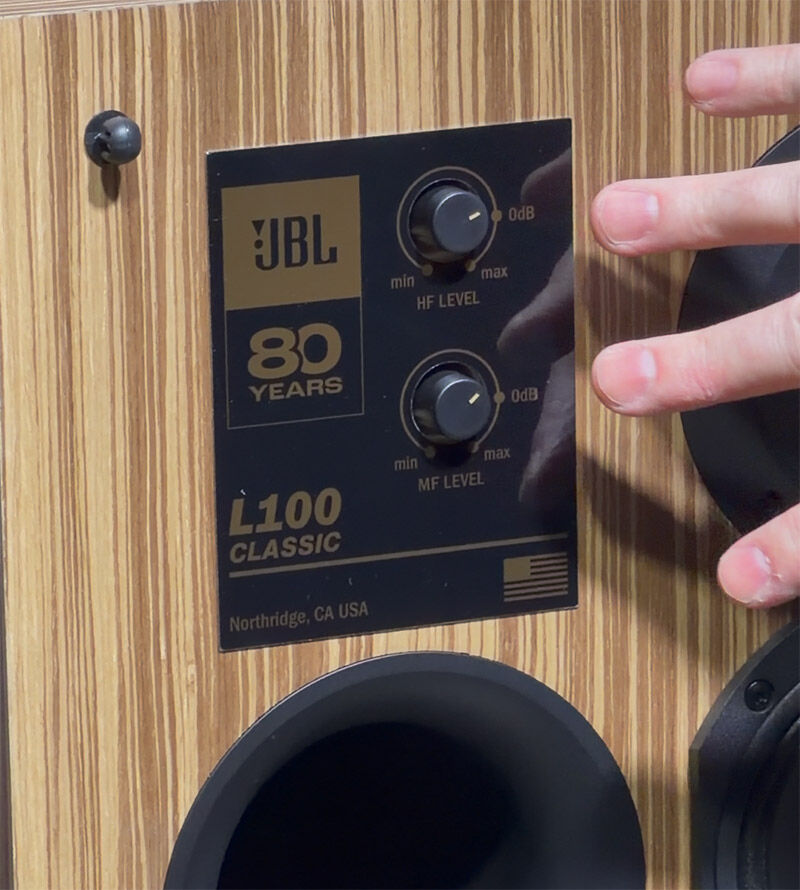
Which is why the model will not and cannot die as the modern JBL L100 Classic recreates the look and feel with updated guts and the L100 Classic 80, created for JBL’s 80th anniversary in 2026, leans into nostalgia and collectability with California oak veneer, brown Quadrex grille, gold highlights and a tightly limited run.
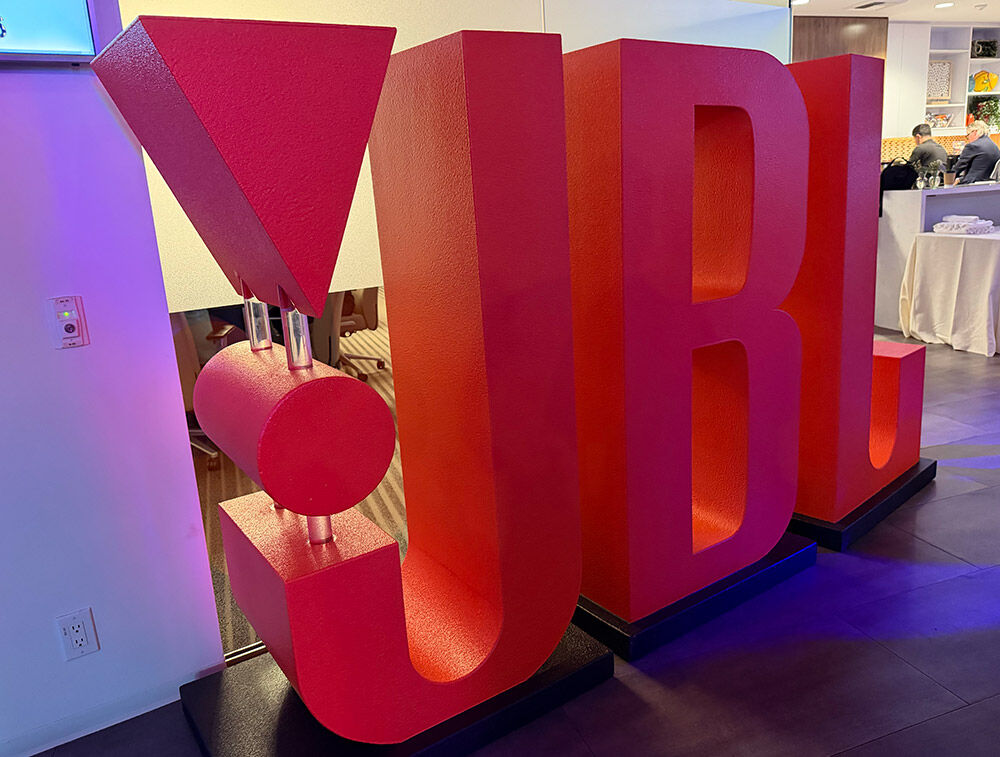
Even JBL’s logo is part of the pro‑to‑home story. In 1966, industrial designer Arnold Wolf, who also designed the Paragon, was asked to come up with a new logo for the brand. It had to be simple, instantly recognisable, and, in the best geek tradition, a little bit clever. The result is the logo you still see today, a “JBL” in a block, followed by a bold exclamation point. That exclamation point is not just punctuation, but a stylised compression driver and horn, abstracted into a minimal shape.

Today, the company’s JBL’s catalog is full of things James B. Lansing never could have imagined, from AI‑boosted Bluetooth cylinders, party speakers with light shows, stream‑ready hi‑fi systems, to finely tuned automotive setups. Though the 80th Anniversary Playback Gallery Tour made it clear that the old pattern is still there – start with serious engineering for cinema halls, recording studios and high‑end projects such as stadiums and outdoor theaters, and use that same DNA for objects in homes, be it a college dorm room in the US, a shelf in a living toom in Paris, small jazz bar in Tokyo, or even the White House.

Yonk is a geek who is fortunate enough to have an equally geeky Star Wars fan for a wife, who owns a LEGO Millennium Falcon encased in a glass coffee table as their home’s centre-piece.

 Kevin Low
 Si Jia