
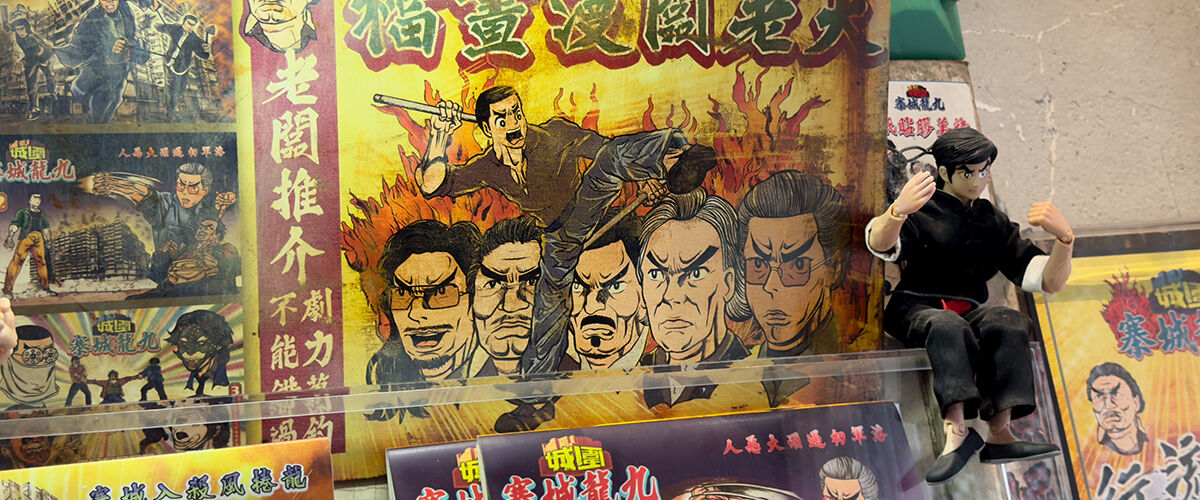
Hong Kong might be a modern vibrant hub of culture and lifestyle, but it was once home to one of the world’s most infamous enclaves, the Kowloon Walled City (九龙城寨), a densely populated boiling pot of crime so dangerous that even the authorities of the time simply left it alone to fester, and the main inspiration behind the 2024 action film, Twilight of the Warriors: Walled In (九龙城寨之围城), from director Soi Cheang (The Monkey King franchise).
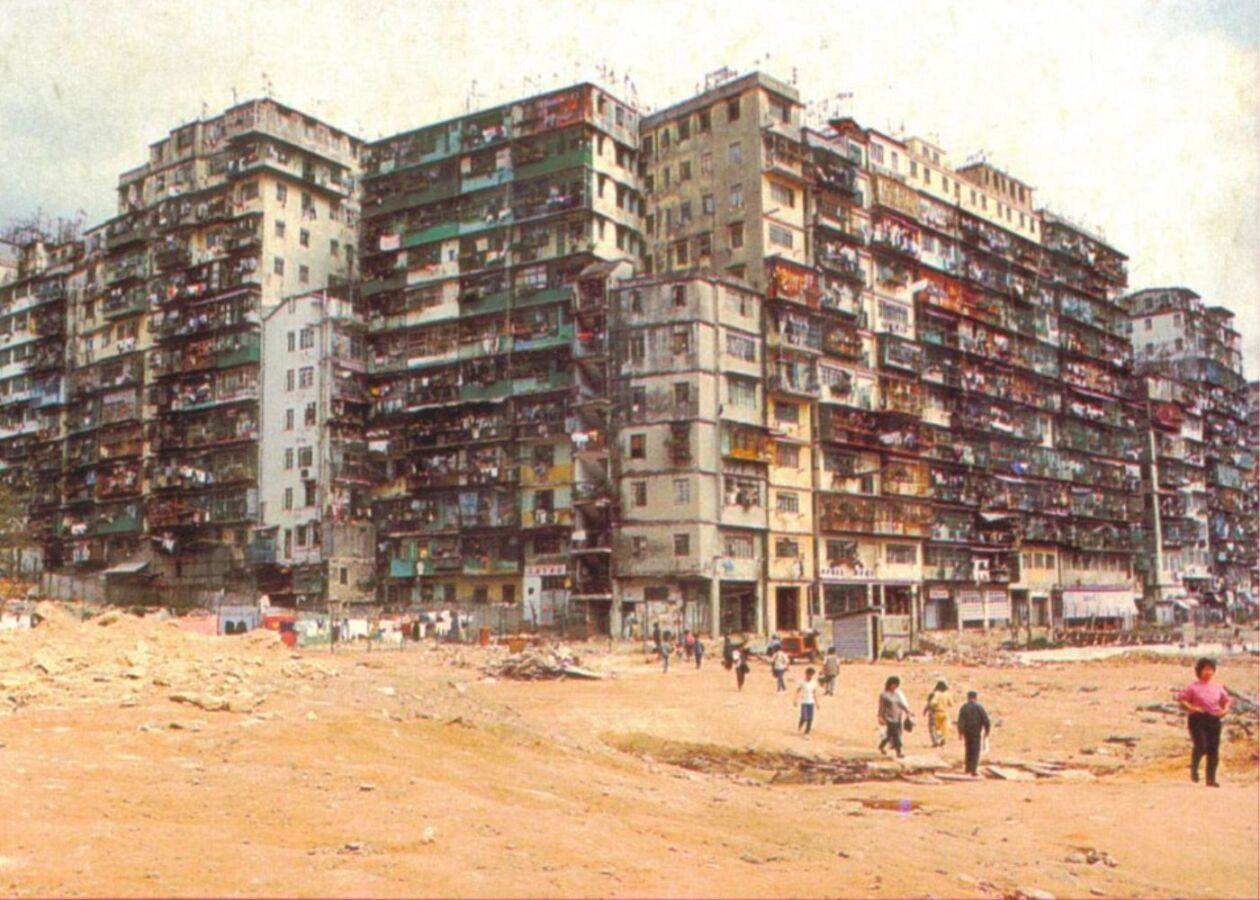
Situated in the heart of the Kowloon City District, the Walled City was a sprawling 25,900 square meter enclave initially built as a coastal outpost in the Song dynasty around the 10th–12th century, and would go on to become a stone-walled fort during the Qing dynasty in 1847 to assert Chinese authority as British influence expanded in Hong Kong.
When Britain leased the New Territories from China in 1898, China insisted that the Walled City remain Chinese territory, plunging the Walled City into legal limbo, a site untouched by either government. After World War II, waves of refugees poured in, and with no zoning laws or enforcement, residents began building upward and inward, forming a tightly packed mass of self-built structures and narrow alleys, all lived in by a massive population of 35,000 residents, making it the densest place on Earth.
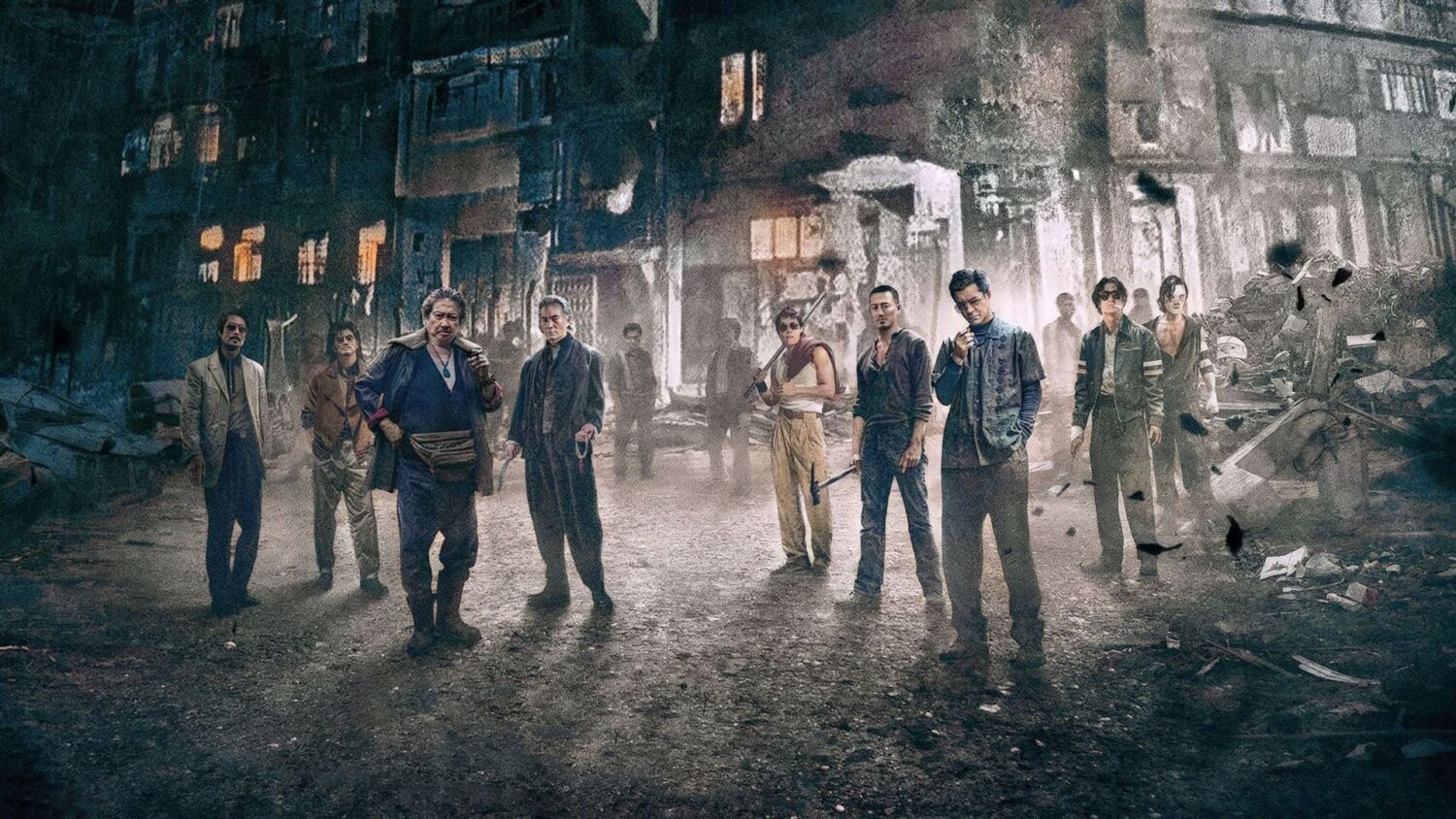
Unsurprisingly, the lack of government intervention meant the Walled City was a hotspot for triad activities, especially during the 1950s and 1960s, where it established itself as a melting pot of gambling, drugs and prostitution. Despite this, its residents remained a tightly knit community, born out of necessity to help each other survive the harsh environment, something brought to life, albeit in a heavily dramatised form, in the Twilight of the Warriors: Walled In, a film based on the novel City of Darkness by Yuyi, and the manhua of the same name by Andy Seto.
The Kowloon Walled City might have been torn down by the British in 1993, but its legacy lives on in the form of the Kowloon Walled City Park, which currently stands at the site of the enclave and was opened in December 1995. The lush 30,999 square meter park is home to not just scenic gardens and magnificent pavilions, but also two historically significant sites, the Yamen and the Old South Gate.
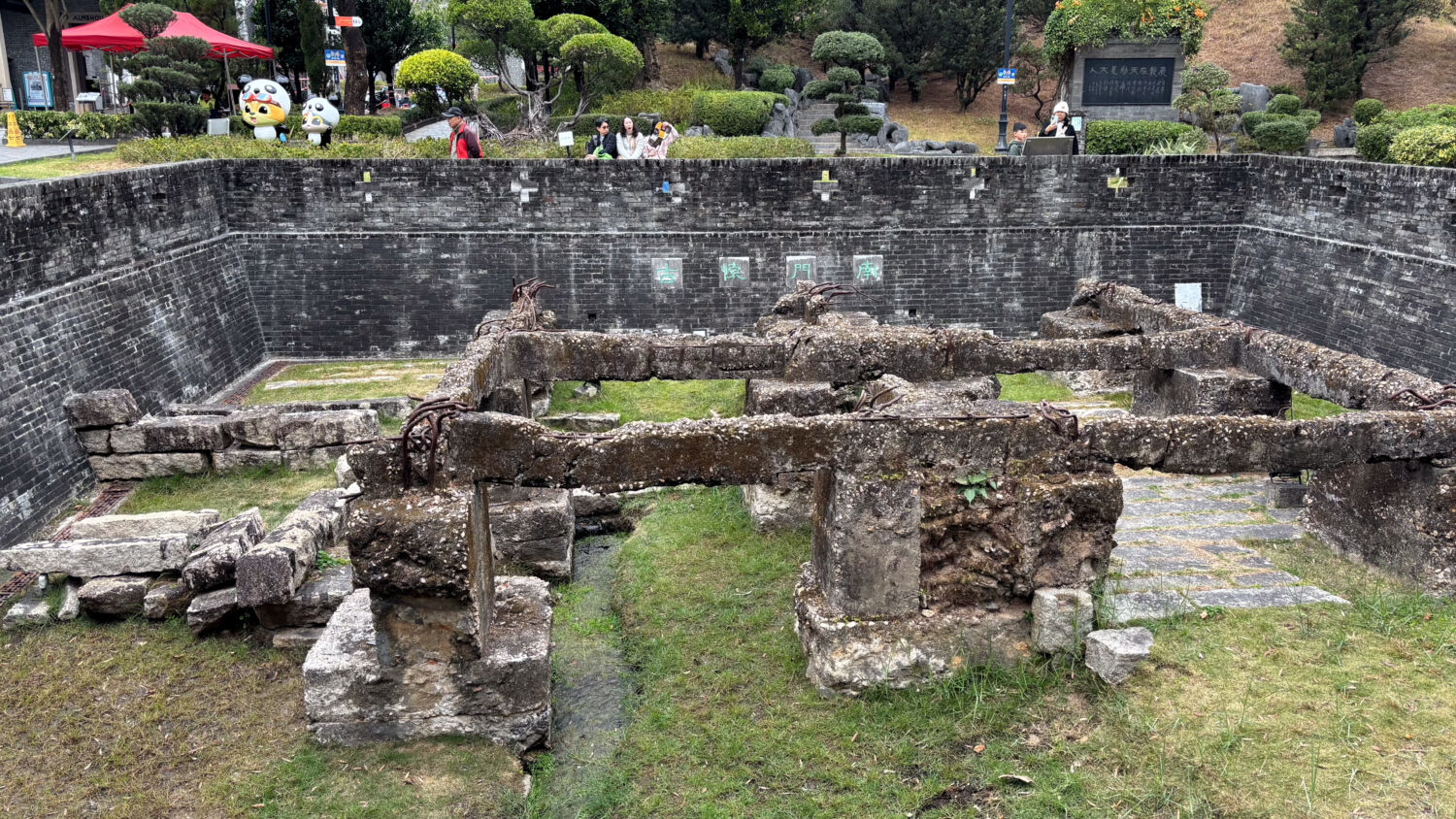
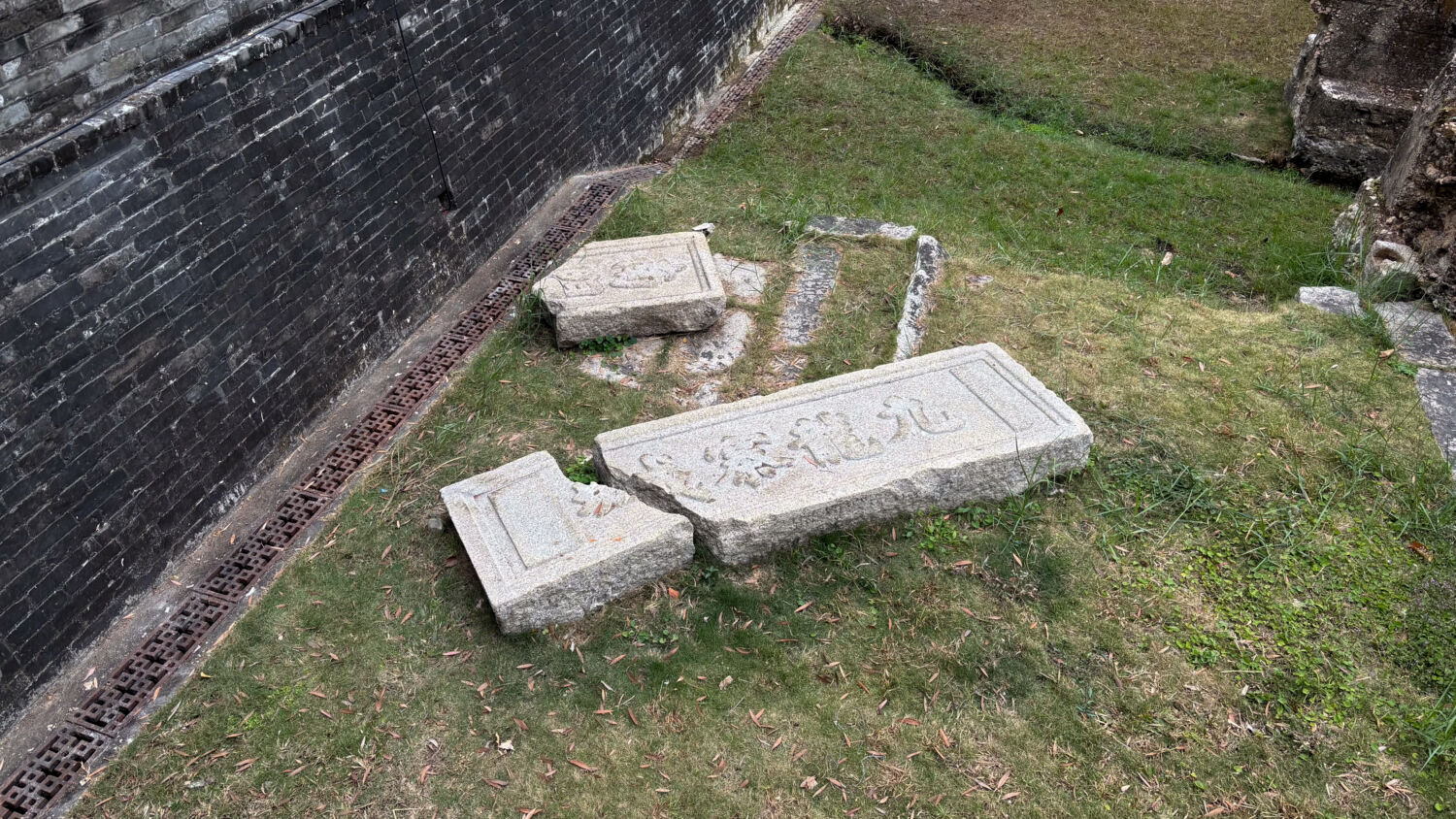
At the south entrance to the park lies the archaeological remains of the Walled City’s original South Gate, where the foundations of the original structure were unearthed alongside two carved granite plaques bearing the characters 南門 (traditional Chinese for “South Gate”) and 九龍寨城 (traditional Chinese for “Kowloon Walled City”).
The park’s centre is home to the Yamen, the sole remaining structure of the Kowloon Walled City, masterfully restored to its appearance in the Qing Dynasty. The historic building fulfilled multiple roles throughout the course of history, including housing the offices of the Commodore of the Dapeng Brigade, the Kowloon Assistant Military Inspectorate, and, when the government moved out in 1899, was used for other purposes like an old people’s home, an orphanage, a school, and a clinic.
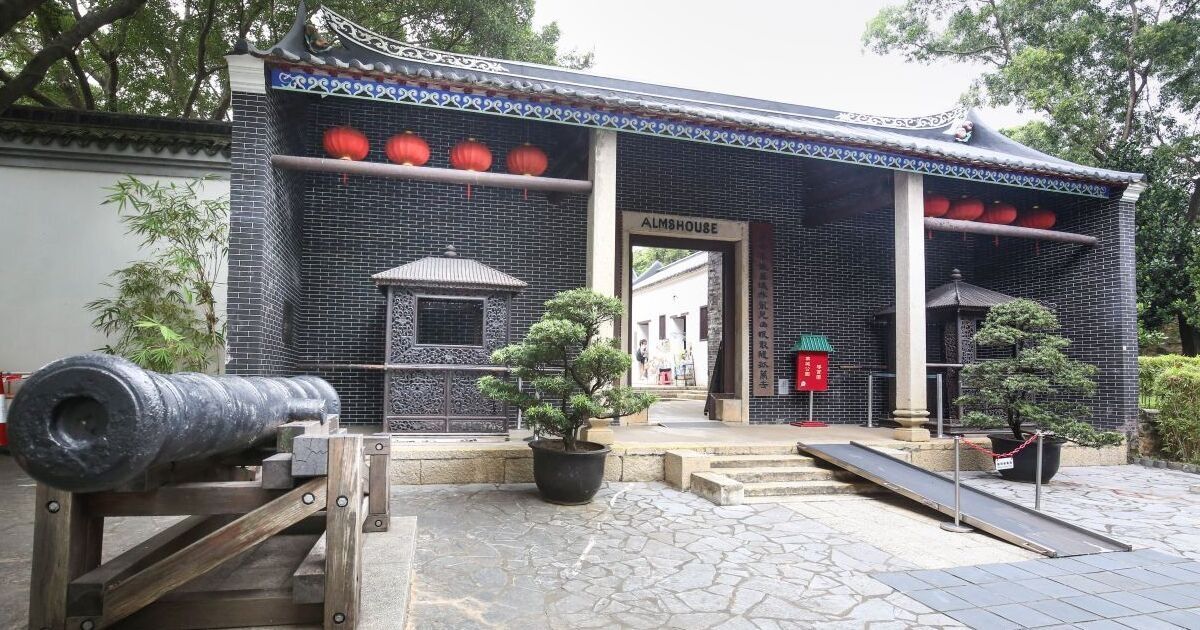
Now, it houses the site of Kowloon Walled City: A Cinematic Journey, a movie set exhibition featuring props from Twilight of the Warriors: Walled In, which will be on display for a limited period of three years from now till 2027.
These props serve more than just a replica of those seen in the film, as they also provide a glimpse into the daily lives that the inhabitants of the Kowloon Walled City might have lived. Here’s a look at everything you can expect the next time you visit Hong Kong and the Kowloon Walled City Park:
Making a grand entrance
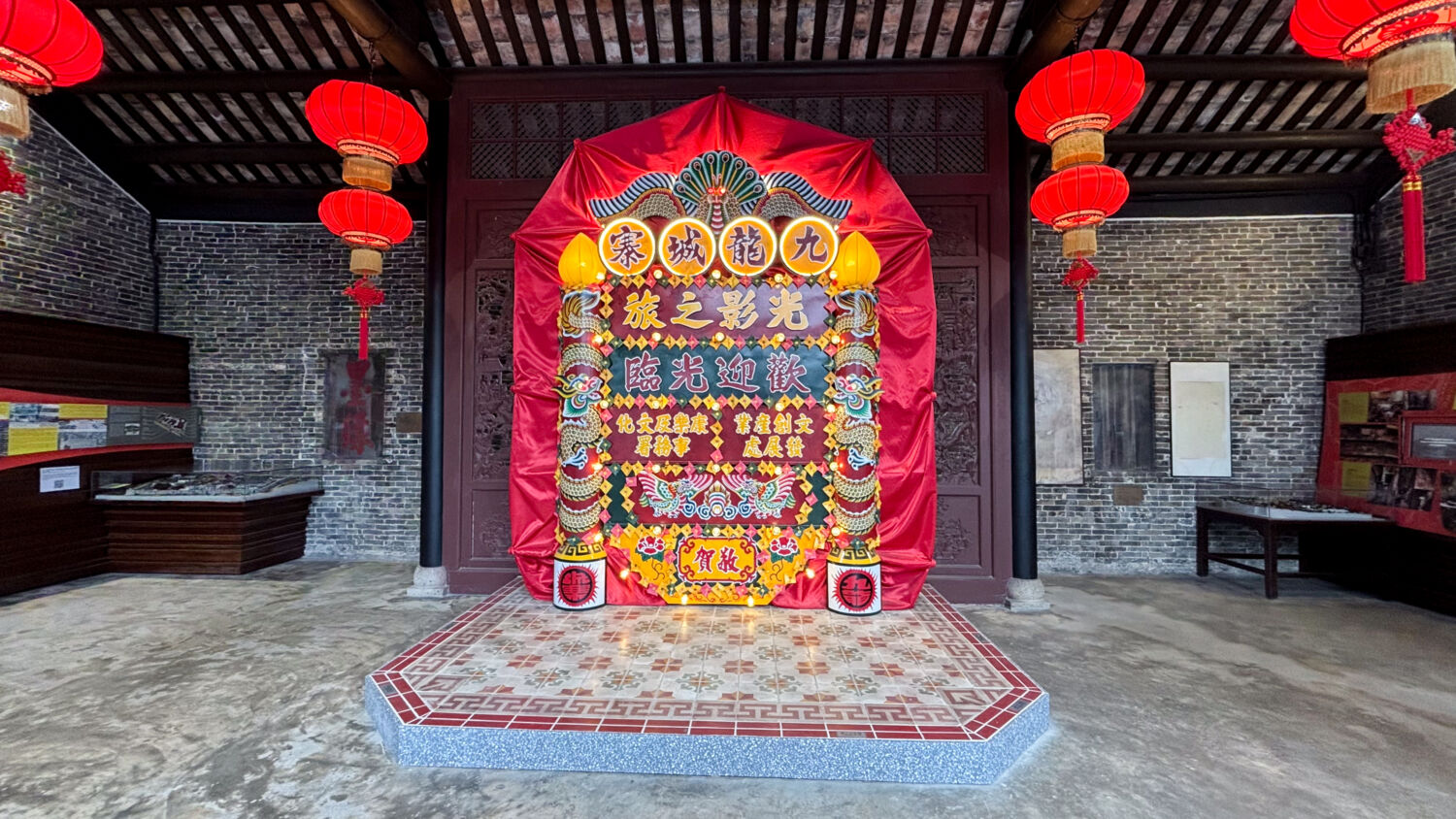
Right from the get-go, visitors are treated to a magnificent flower board display, a piece with significant cultural significance, as it was often used in traditional religious festivals like the Yu Lan Festival, where residents of the Kowloon Walled City would burn paper offerings in the streets to pray for peace and safety.
In Twilight of the Warriors: Walled In, this very festival was the setting of the climactic final clash between the film’s four heroes, Chan Lok-kwan (Raymond Lam), Shin (Terrance Lau), Twelfth Master (Tony Wu) and AV (German Cheung), and the villainous and powerful King (Philip Ng) alongside his goons.
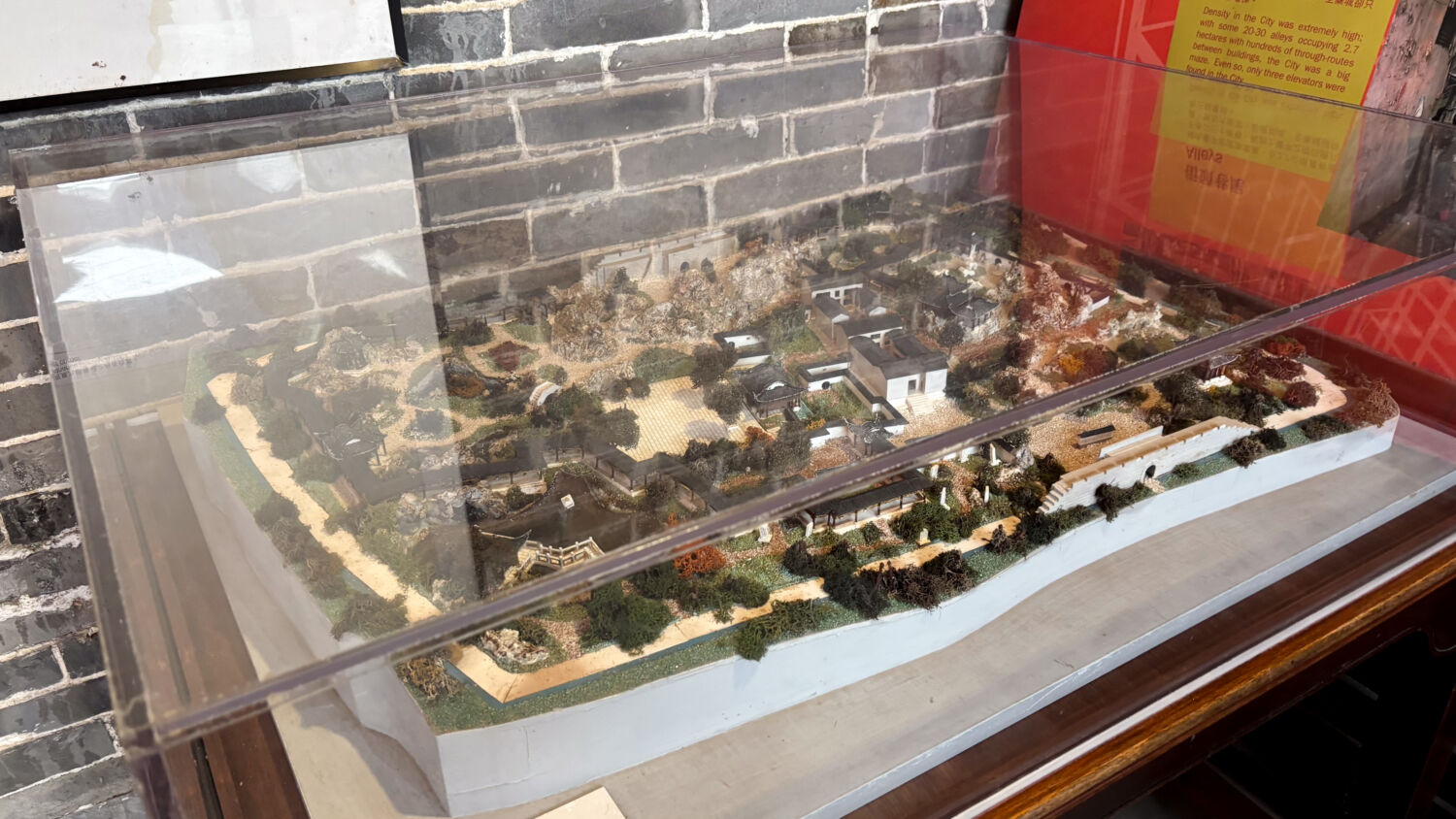
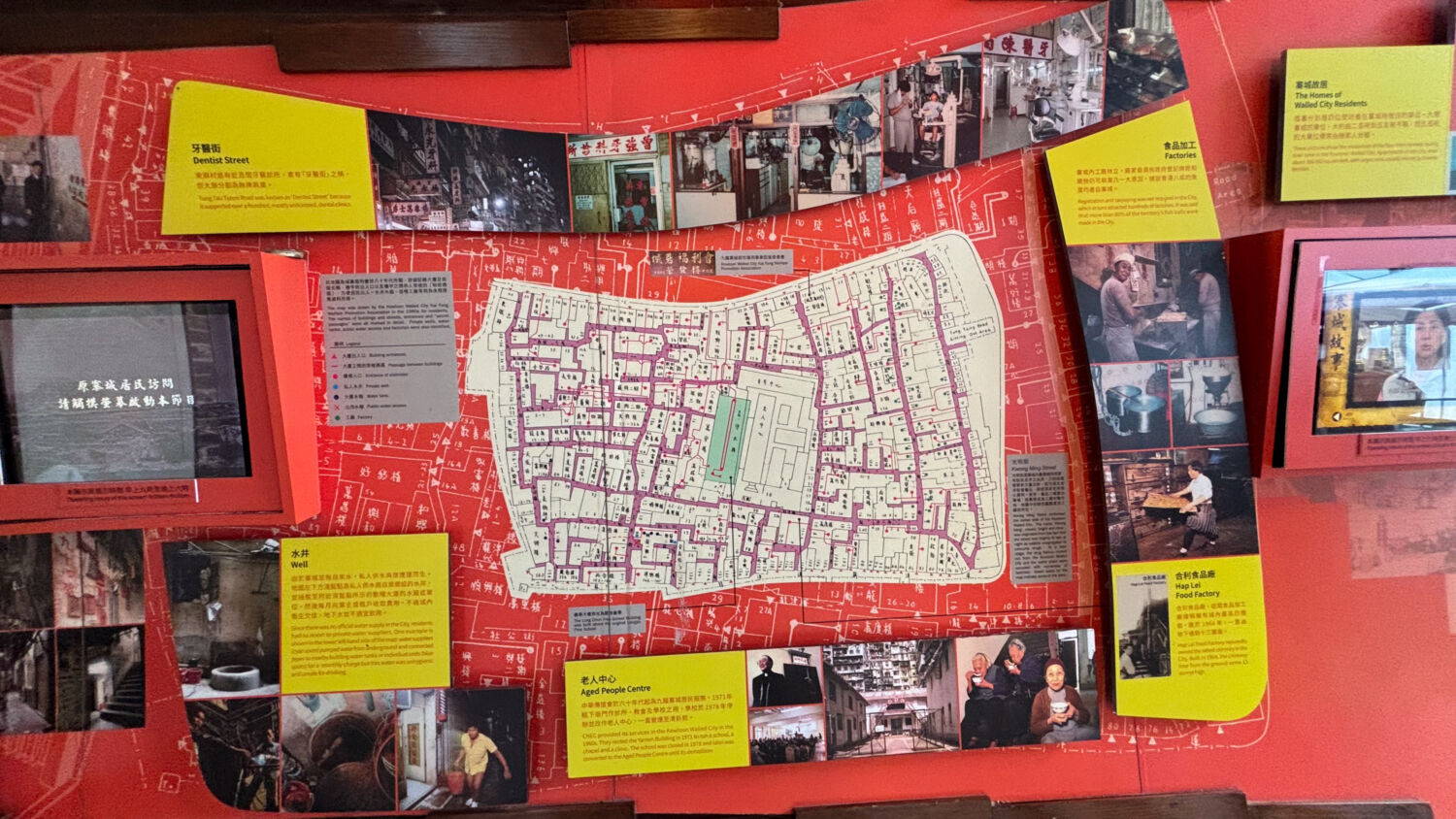
Surrounding the flower board are also multiple unearthed artefacts carefully preserved in glass displays, alongside diaramas of how the area looked throughout history, offering visitors a glimpse into the past, and how the Kowloon Walled City came to be.
Getting the lay of the land
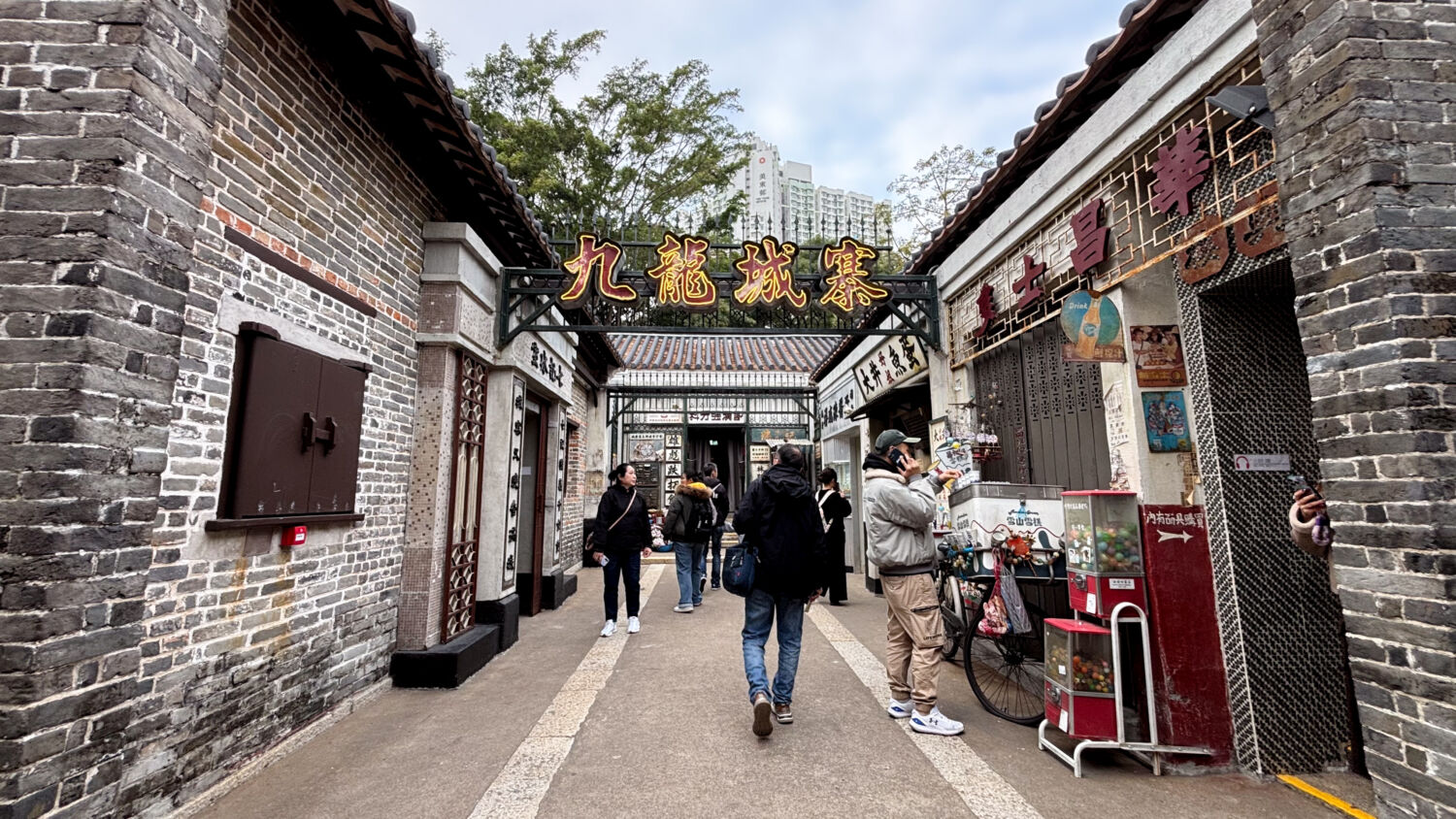
Once in the Yamen itself, visitors are free to explore its grounds, with the area split into seven exhibition rooms, each nestled inside individual rooms, the sites of what could have been offices, clinics, or other community staples in the past.
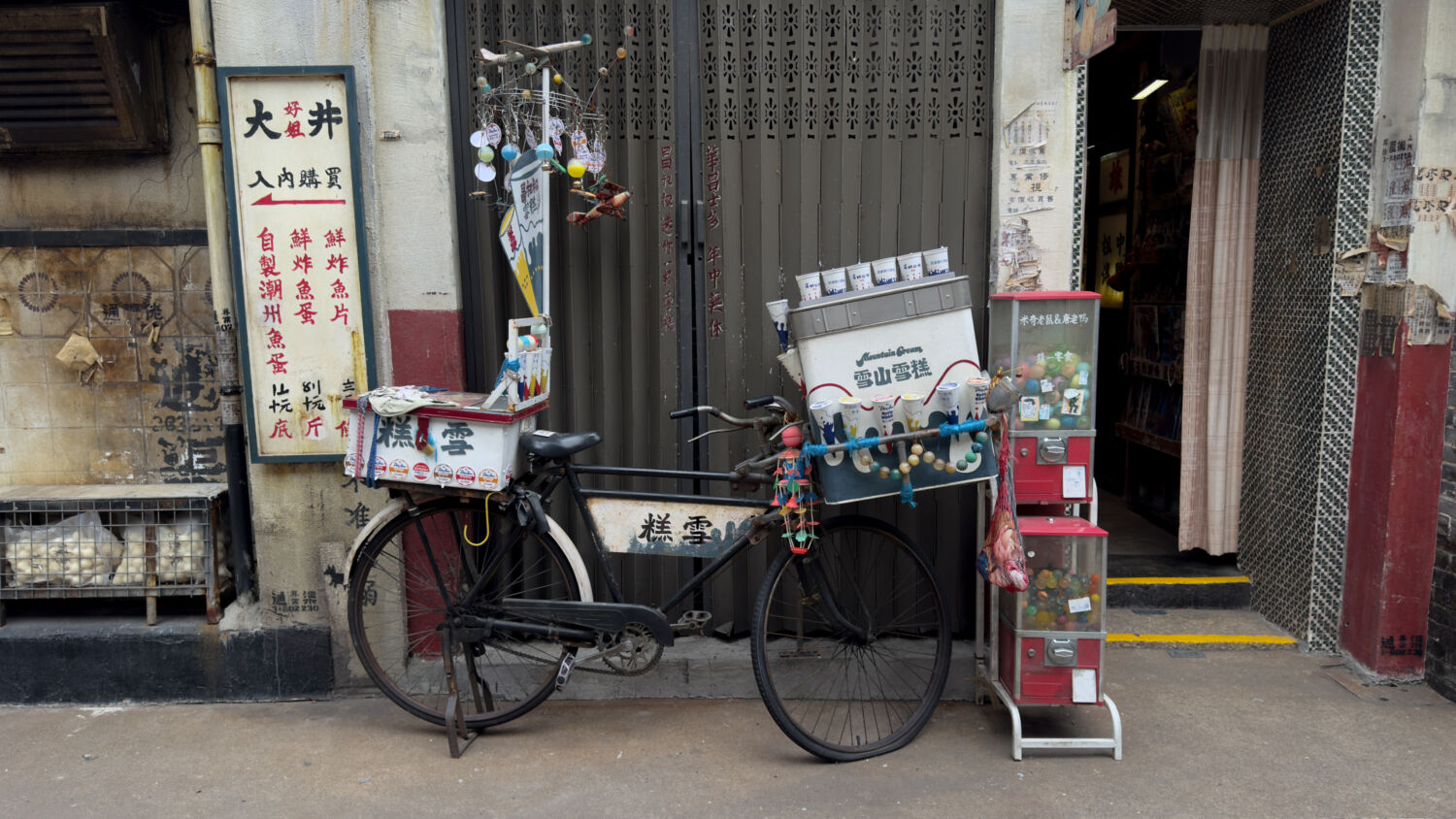
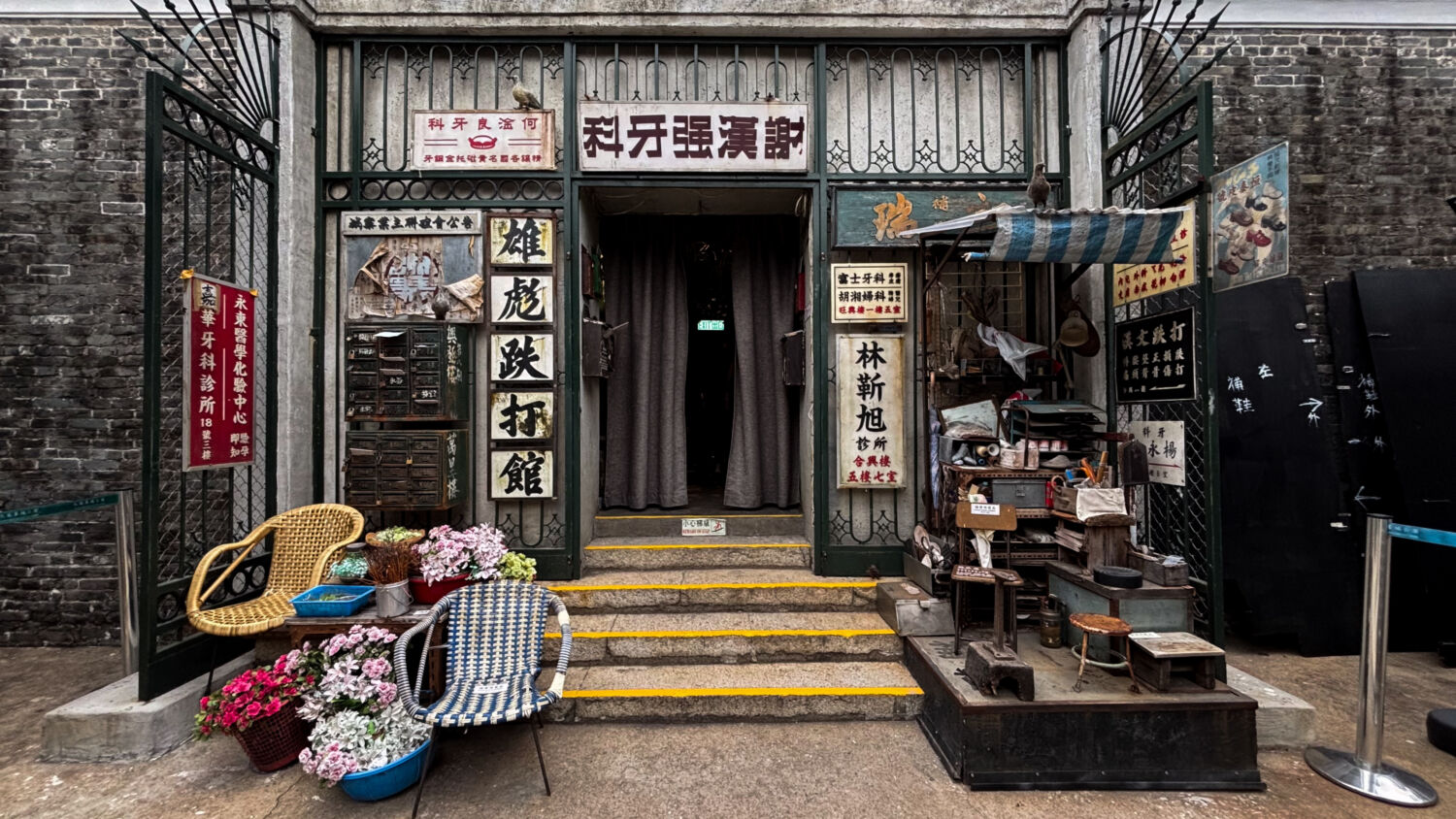
Even the main atrium houses no shortage of history, either, with a glorious old-school LED sign bearing the Kowloon Walled City’s name welcoming visitors to the experience, flanked by other snippets of Walled City life, such as an old snack cart, replicas of a shoemaker and flower shop, and an ancient post box.
A one-stop shop packed to the brim
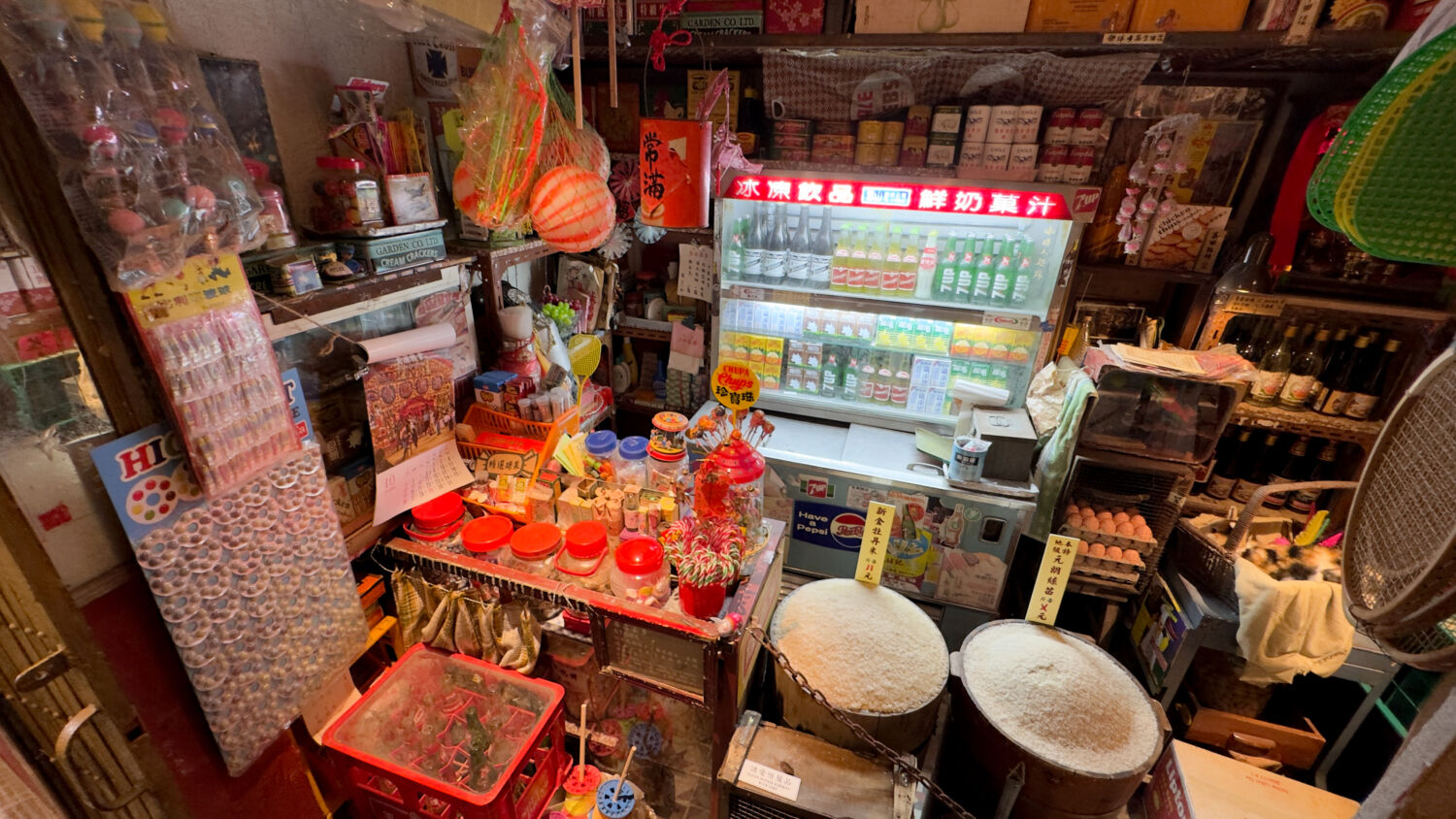
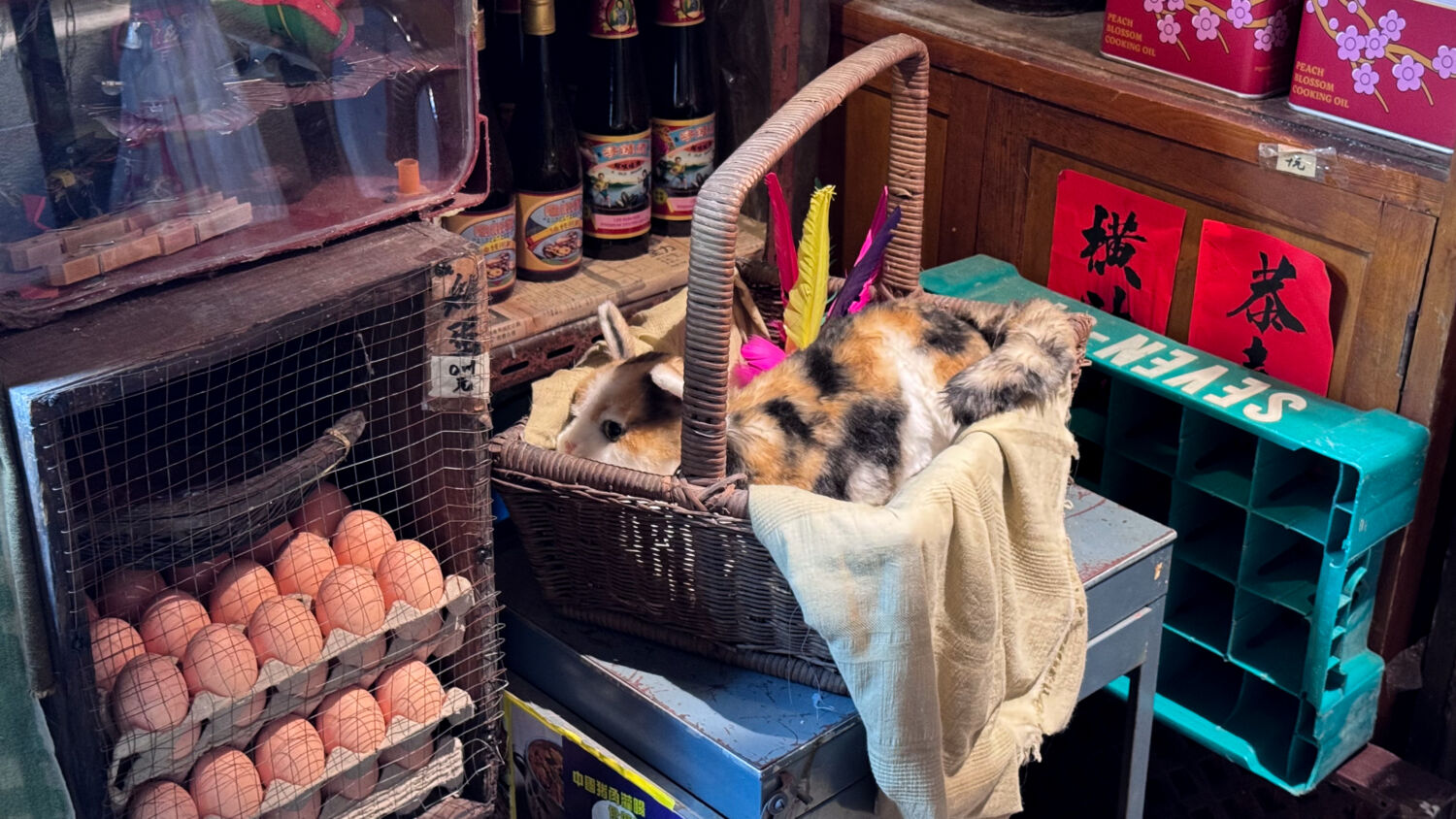
Within the first exhibition room lies a faithful recreation of a grocery store found within the Walled City. Places like this, while dingy, were often a treasure trove for the residents, as despite being small and cramped, offered a wide variety of everyday goods like soft drinks, fruits or candies, packed in shelves stacked to the ceiling. Stores like these no doubt served as a key childhood memory for many, and often doubled up as a social hub for residents to chat and exchange gossip.
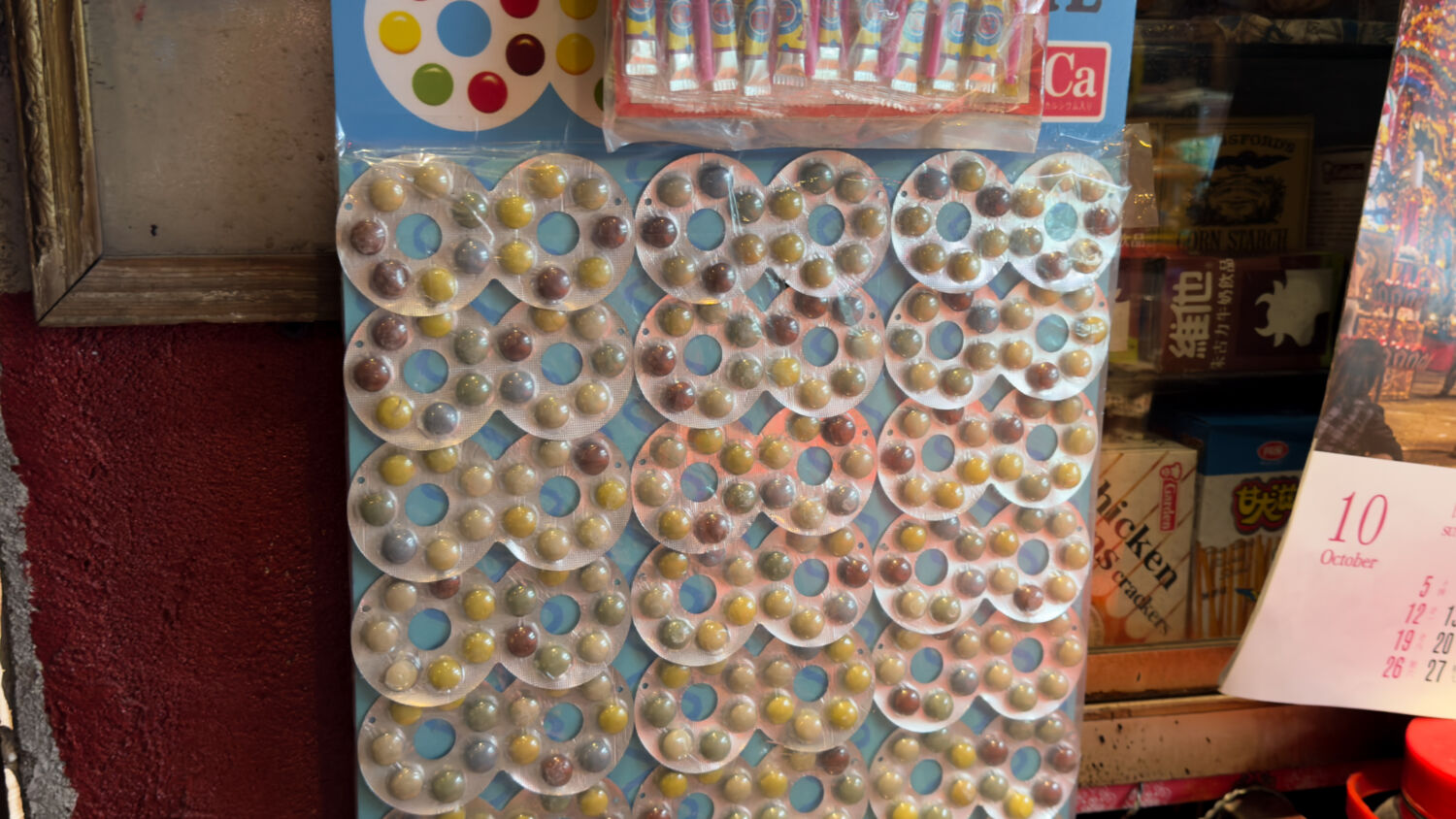
In Twilight of the Warriors: Walled In, a grocery store like this provided one of the film’s most memorable, if not a bit goofy moments, as it was where Chan buys a packet of eyeglass chocolates, which he uses as a disguise when serving swift justice to an abuser, and it was through this fight that his bond with his three comrades first blossomed.
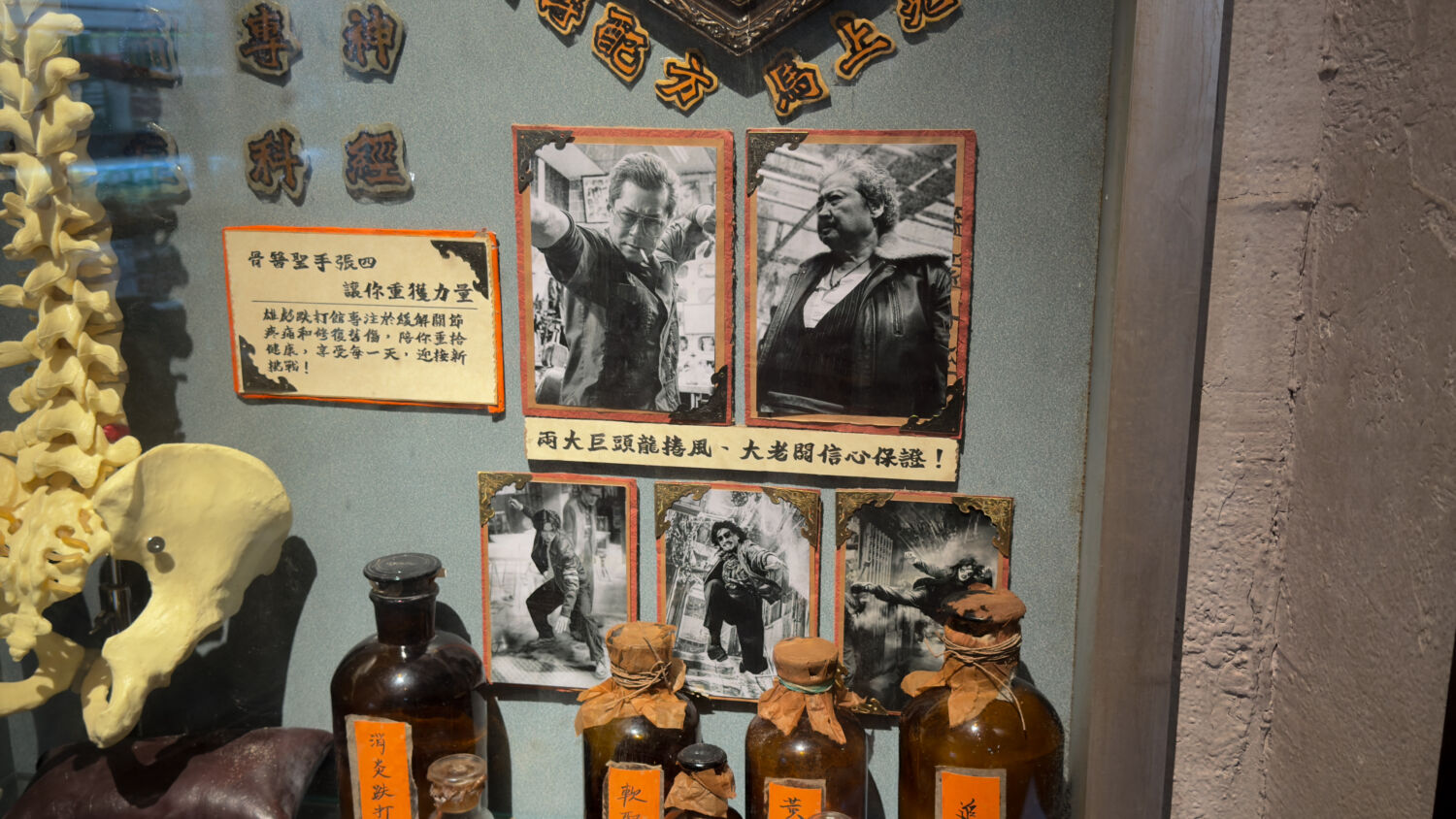
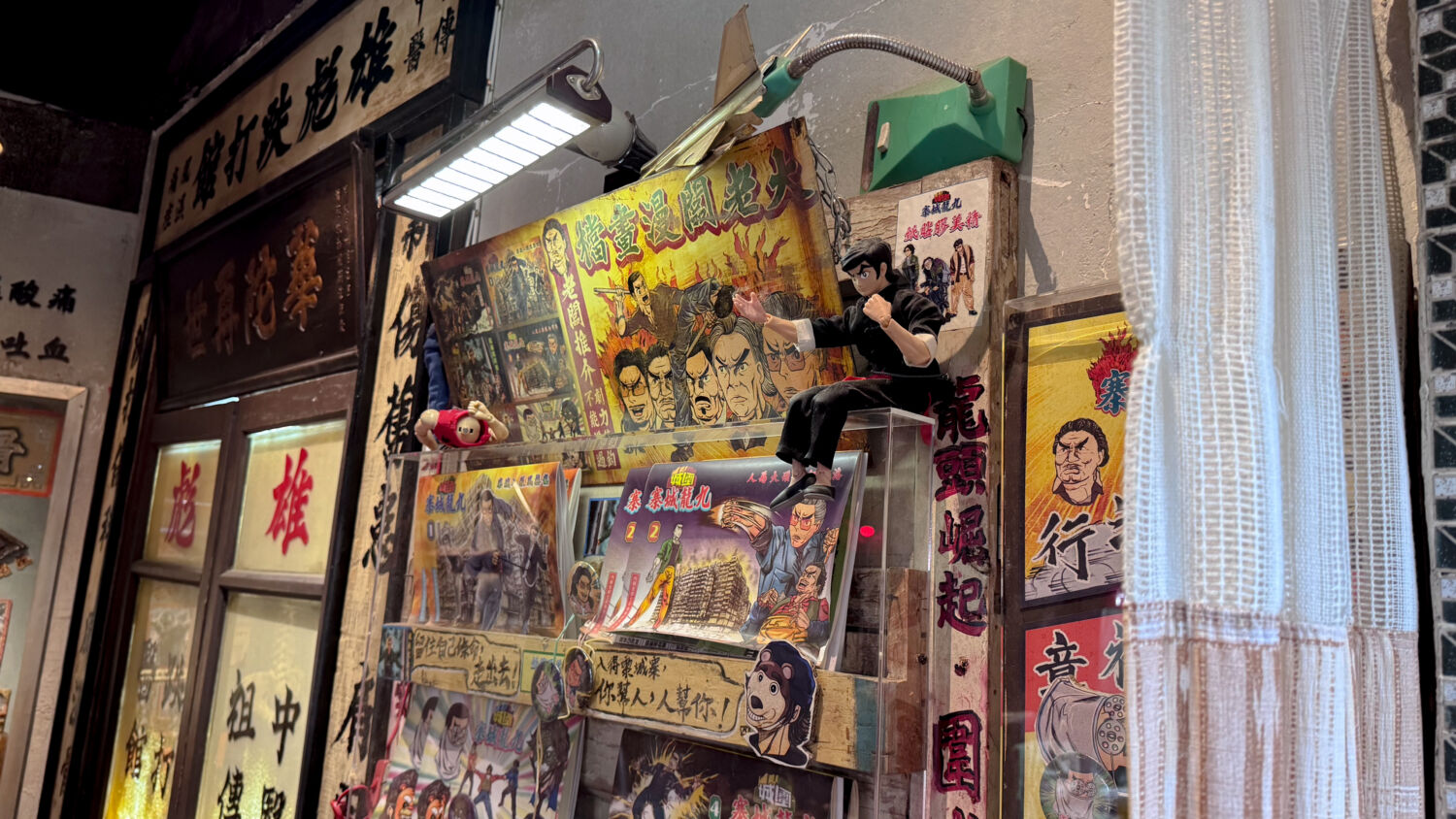
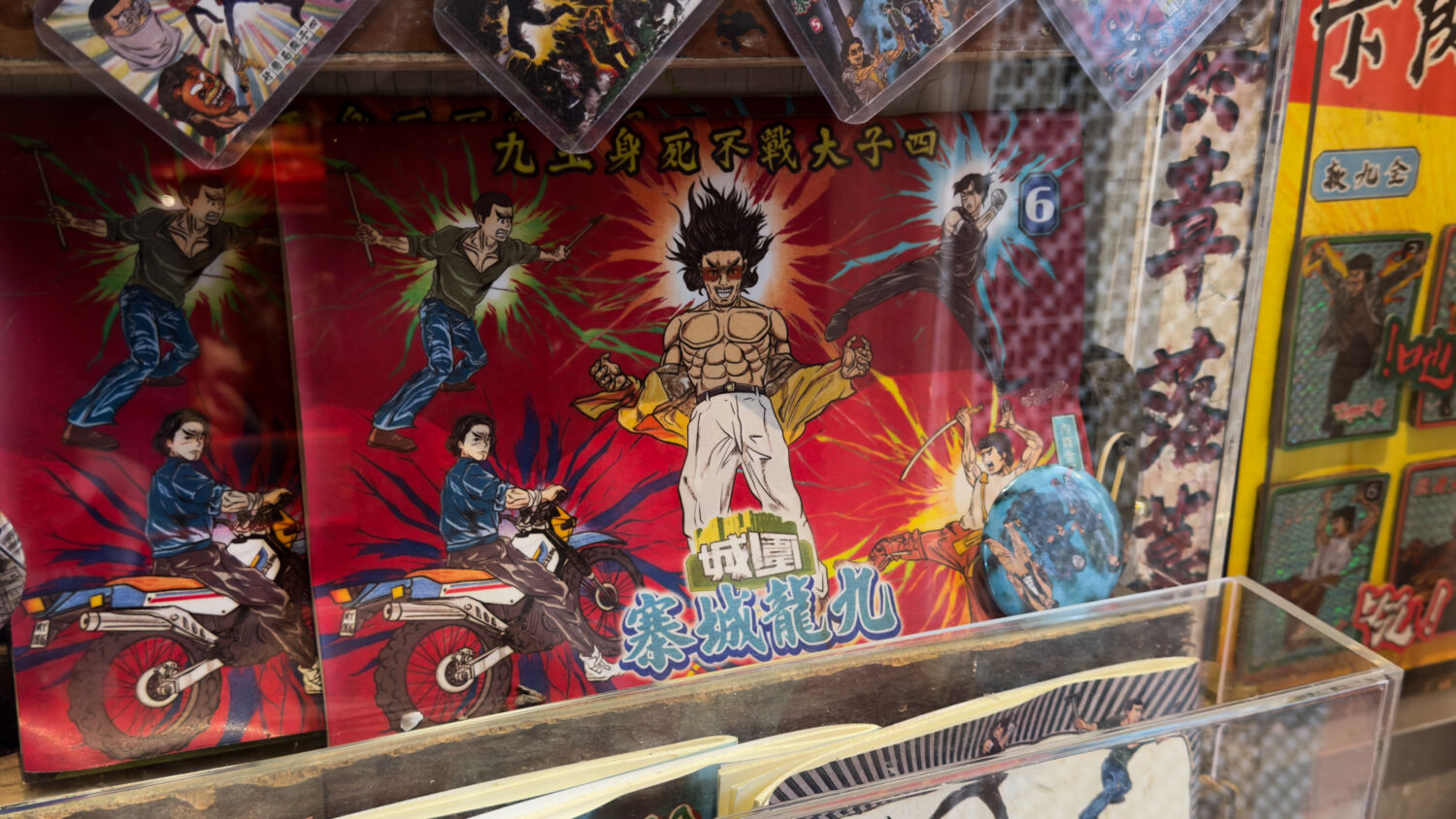
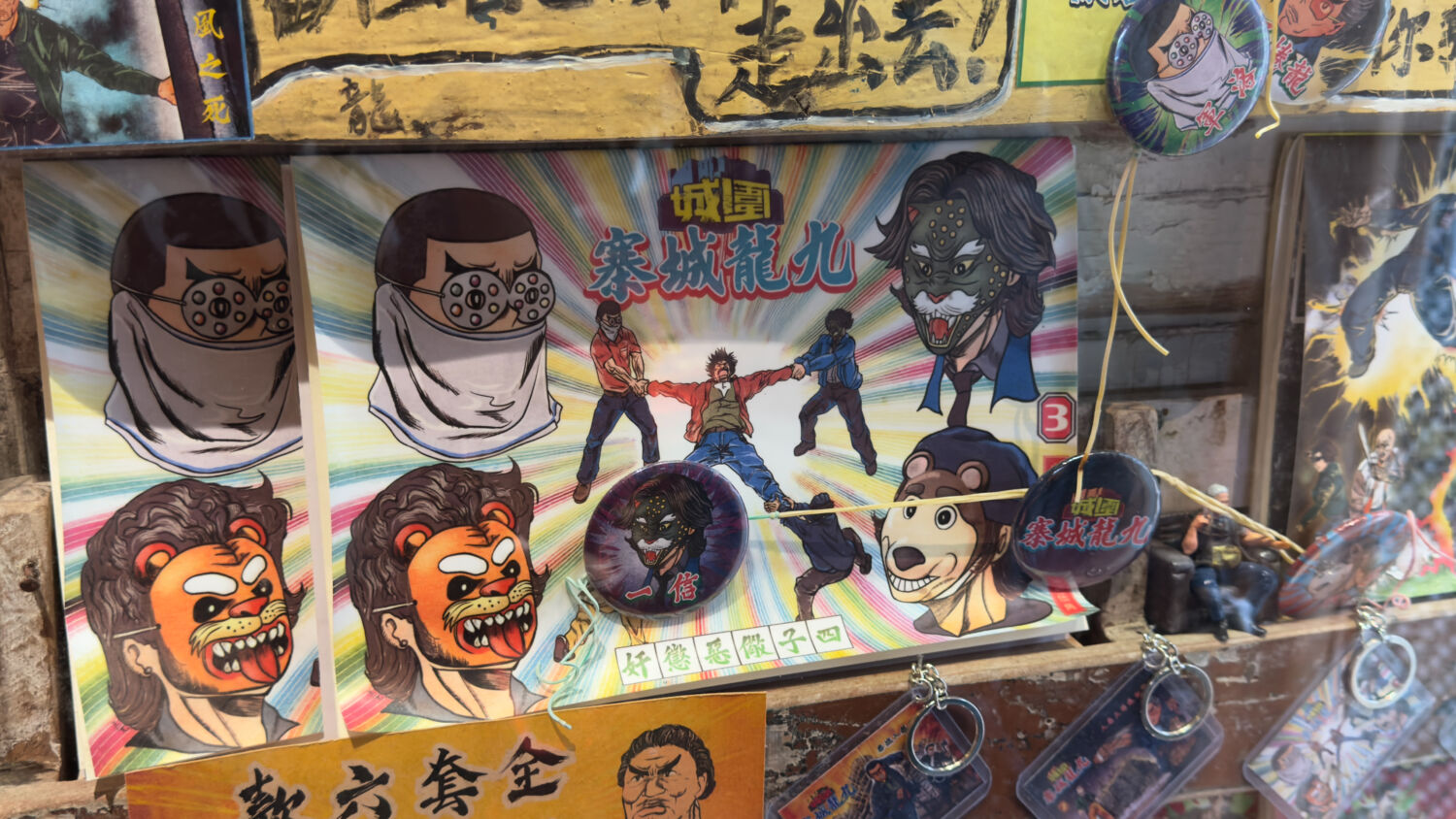
Within the same room also lies a bone-setting clinic, medical facilities which have a long history with Hong Kong for providing all manner of folk, from housewives to coolies and factory workers, with medicine to treat injuries to combat the often harsh living conditions. In the film, AV ran one such clinic, which he used to ease the suffering of Cyclone (Louis Koo), the leader of the enclave, who suffered from a severe illness.
No fishy business
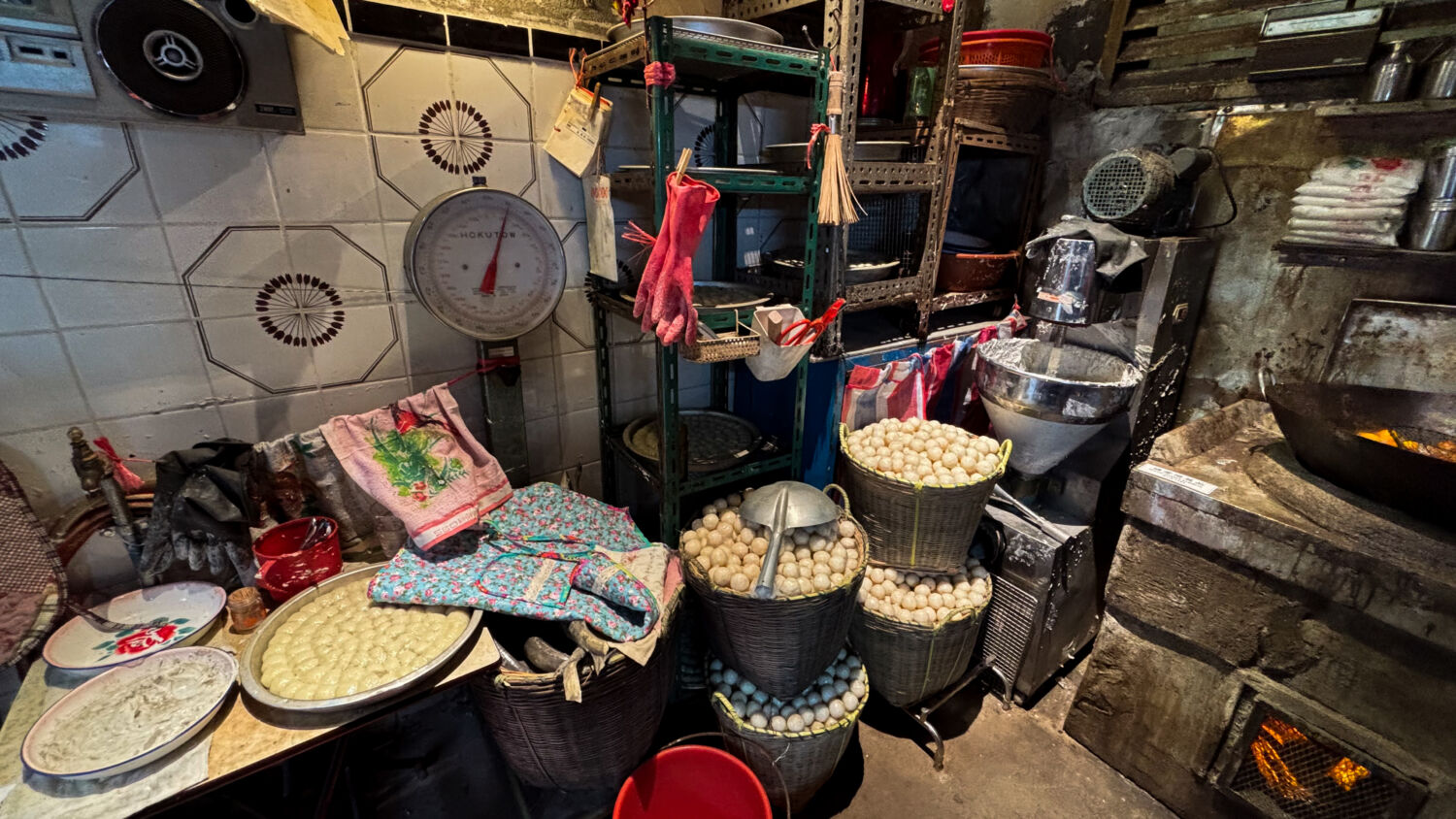
The humble fish ball, enjoyed by many today, was an important staple of food production in the Hong Kong food industry. Even when times were tough, this was one delicacy pulled through, as the Walled City was home to numerous stalls, often unlicensed, operating around the clock, churning out the local favourite using inexpensive fish like grey mullet, golden thread-fin bream, or even conger eel, resulting in its signature bouncy texture. The fish balls weren’t just popular among locals either, as they were even exported overseas, highlighting the unique resourcefulness of its residents and its bustling underground economy.
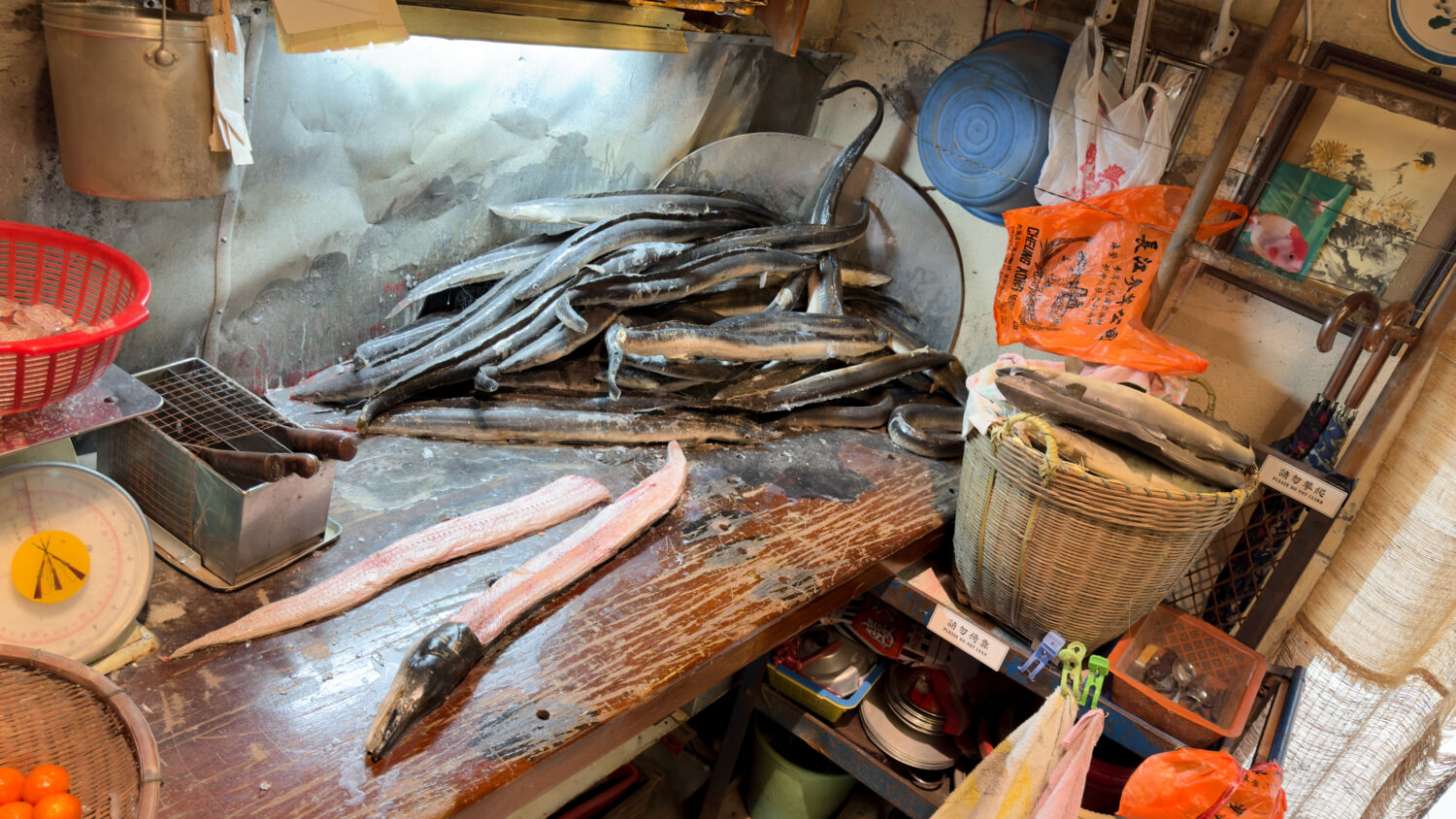
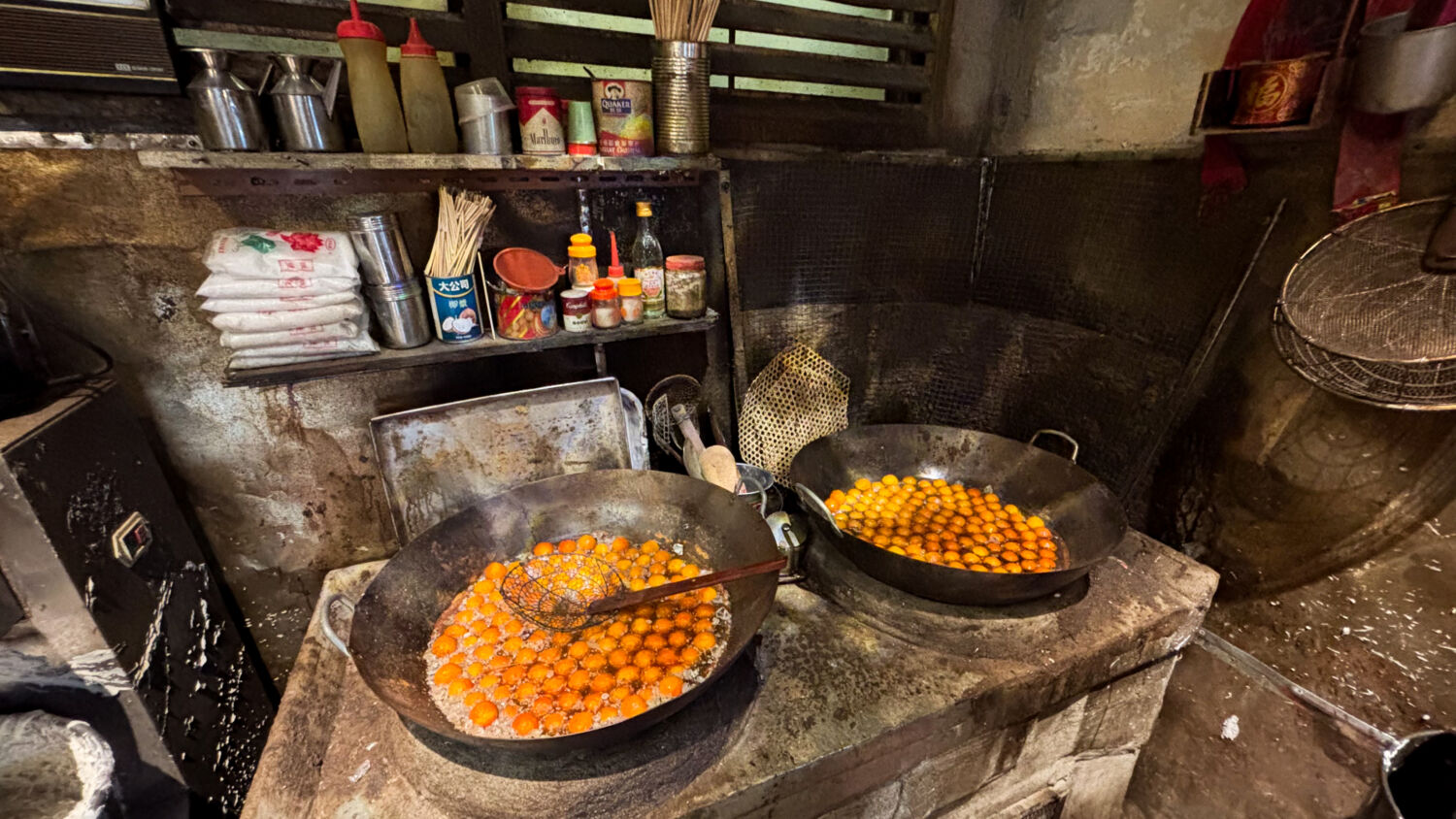
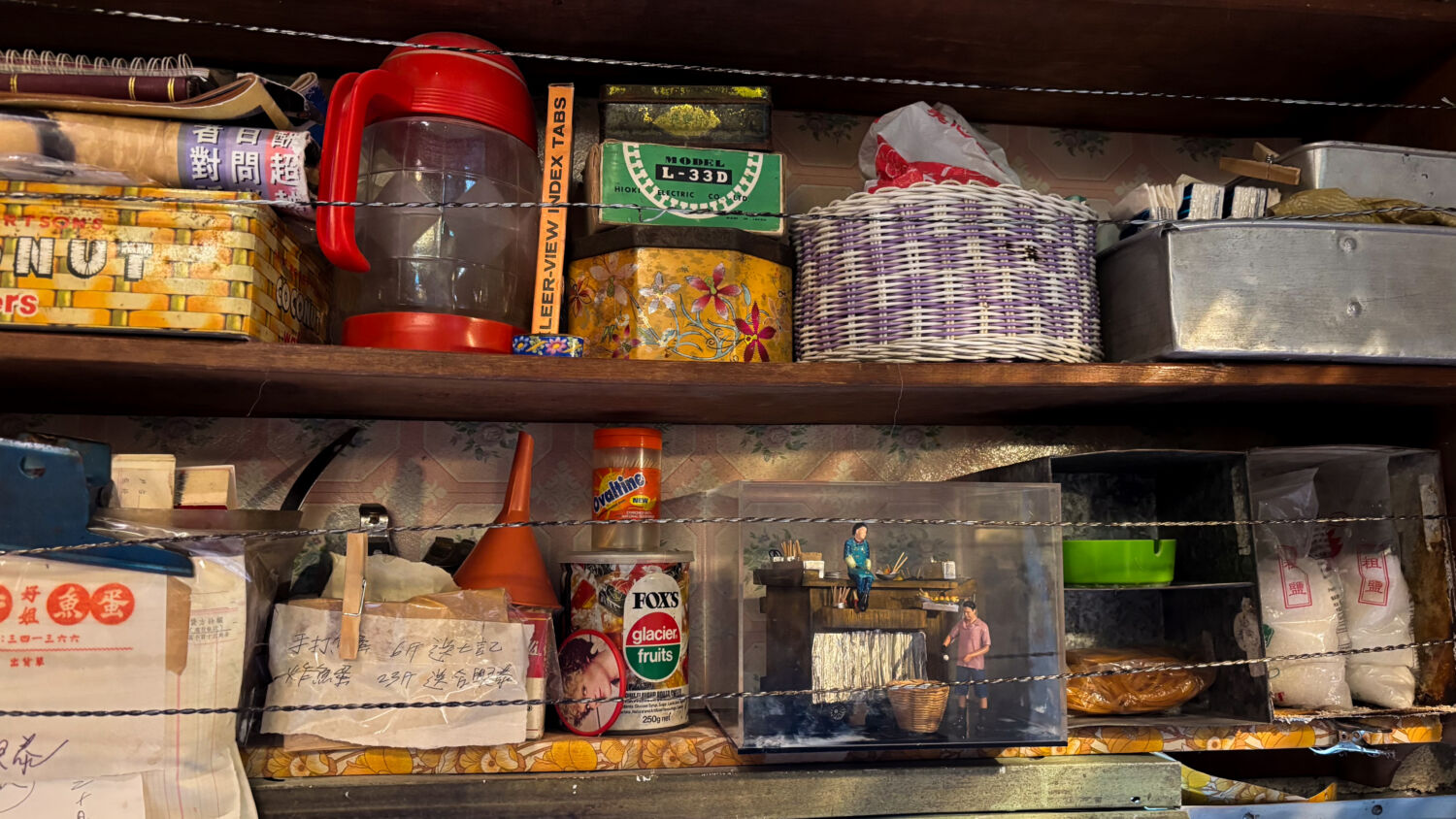
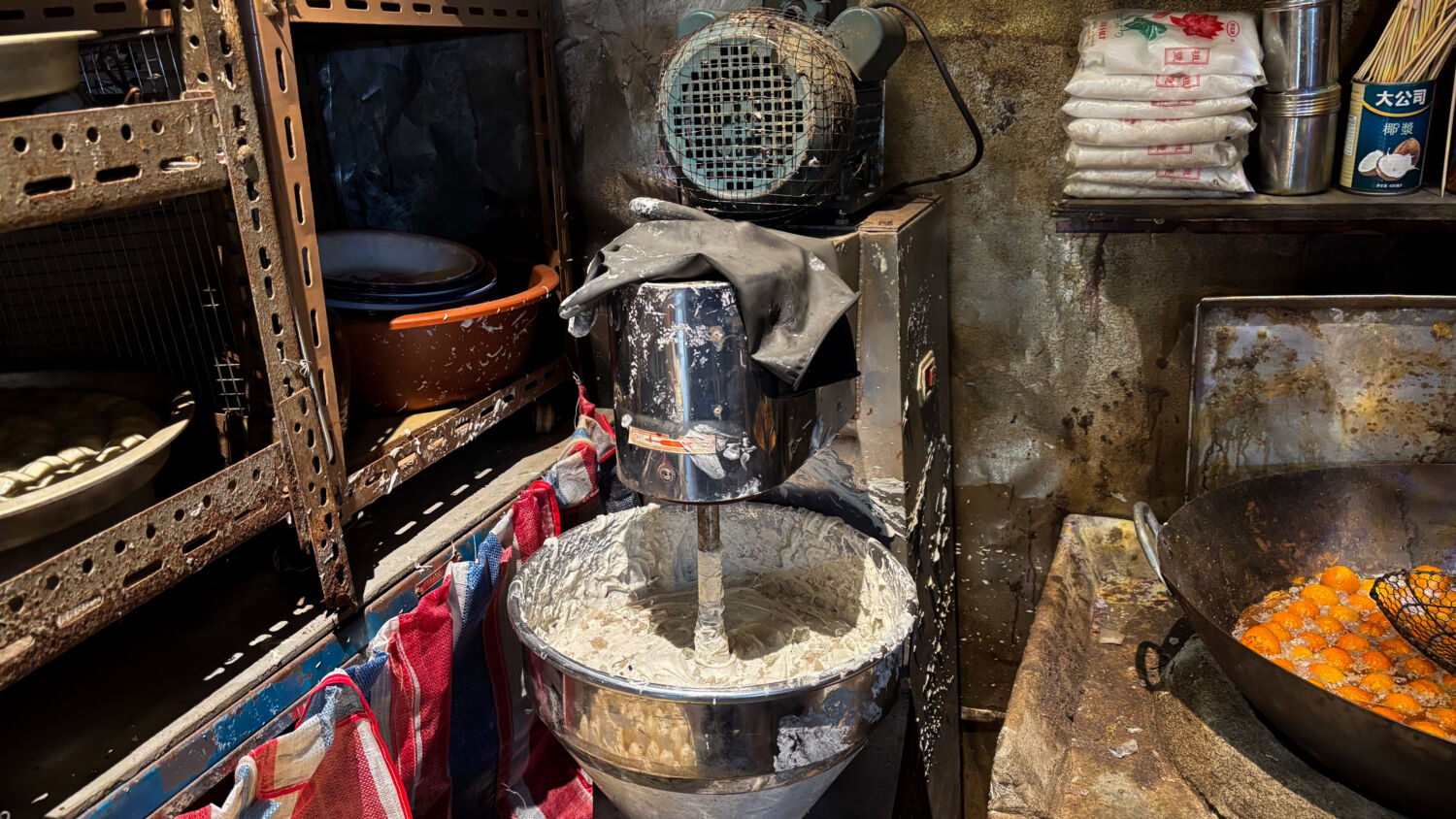
It was this very dish that marked a pivotal moment in Twilight of the Warriors: Walled In, which saw Chan making the fish balls together with his fellow workers to pull his weight among the Walled City community. Despite his initial struggles and tragic circumstances, this gives him his first taste of belonging after years of being rootless, ultimately shaping his decision to stay, a sentiment that was certainly mirrored by many real-world residents at the time.
Delivering healthcare to the masses
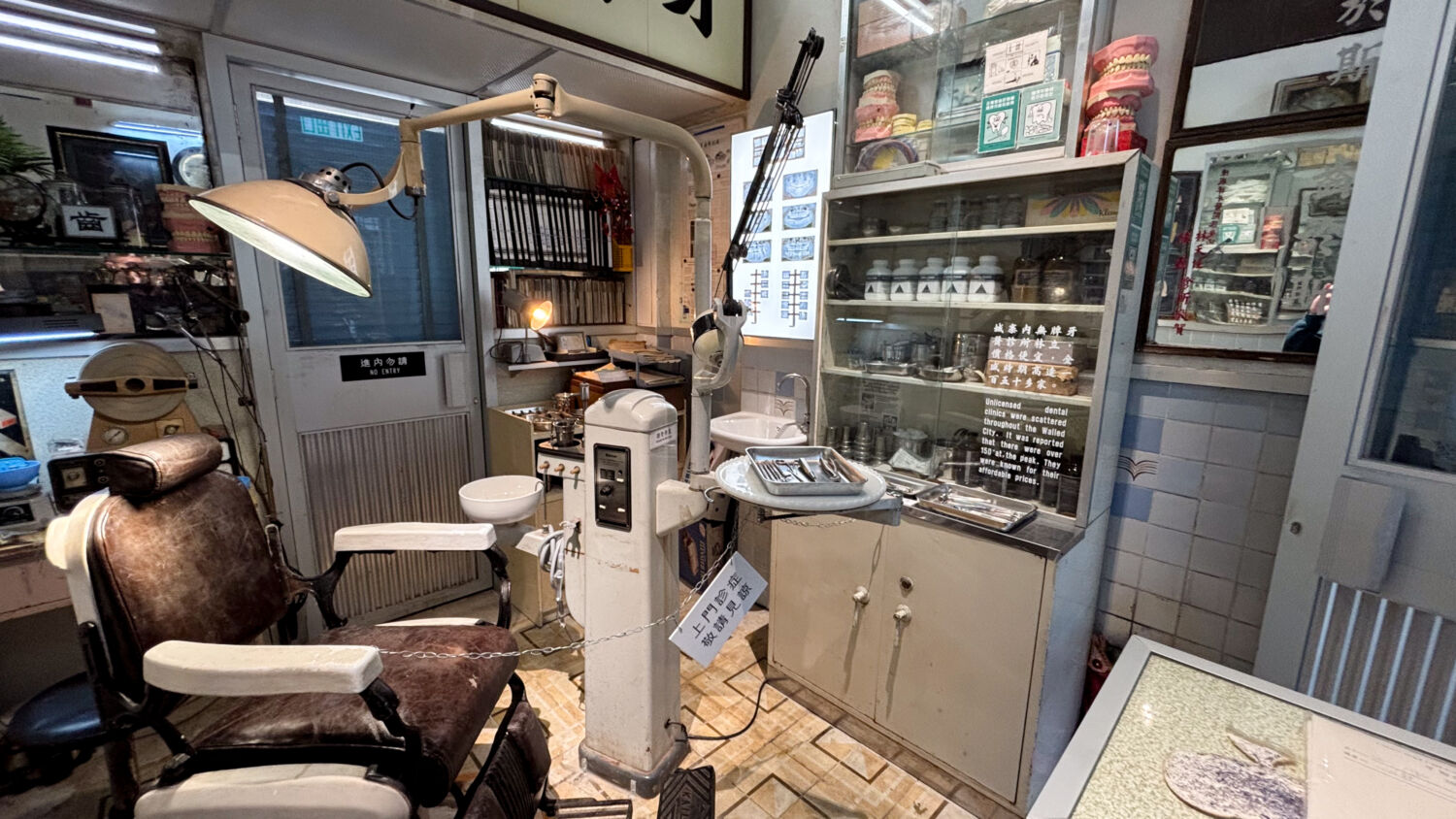
While not explicitly featured in Twilight of the Warriors: Walled In, dental clinics like the one replicated in this exhibition were practically everywhere in the Walled City, with over 150 of them in the enclave’s heyday. These clinics were often poorly equipped, but just enough to provide basic healthcare to many low-income patients, which back then, was enticing enough to the point where even those living outside the city were attracted to the dental care provided within.
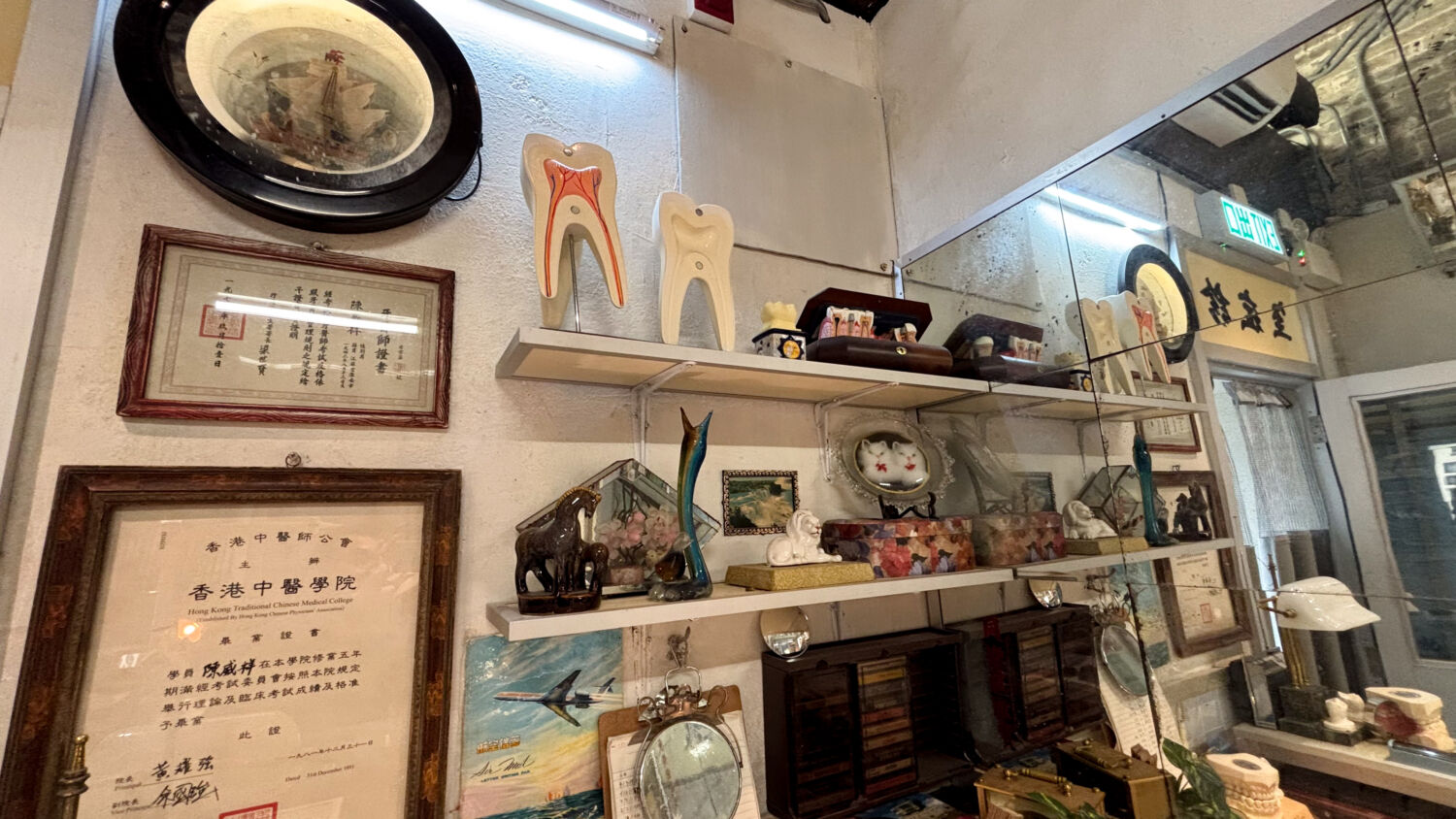
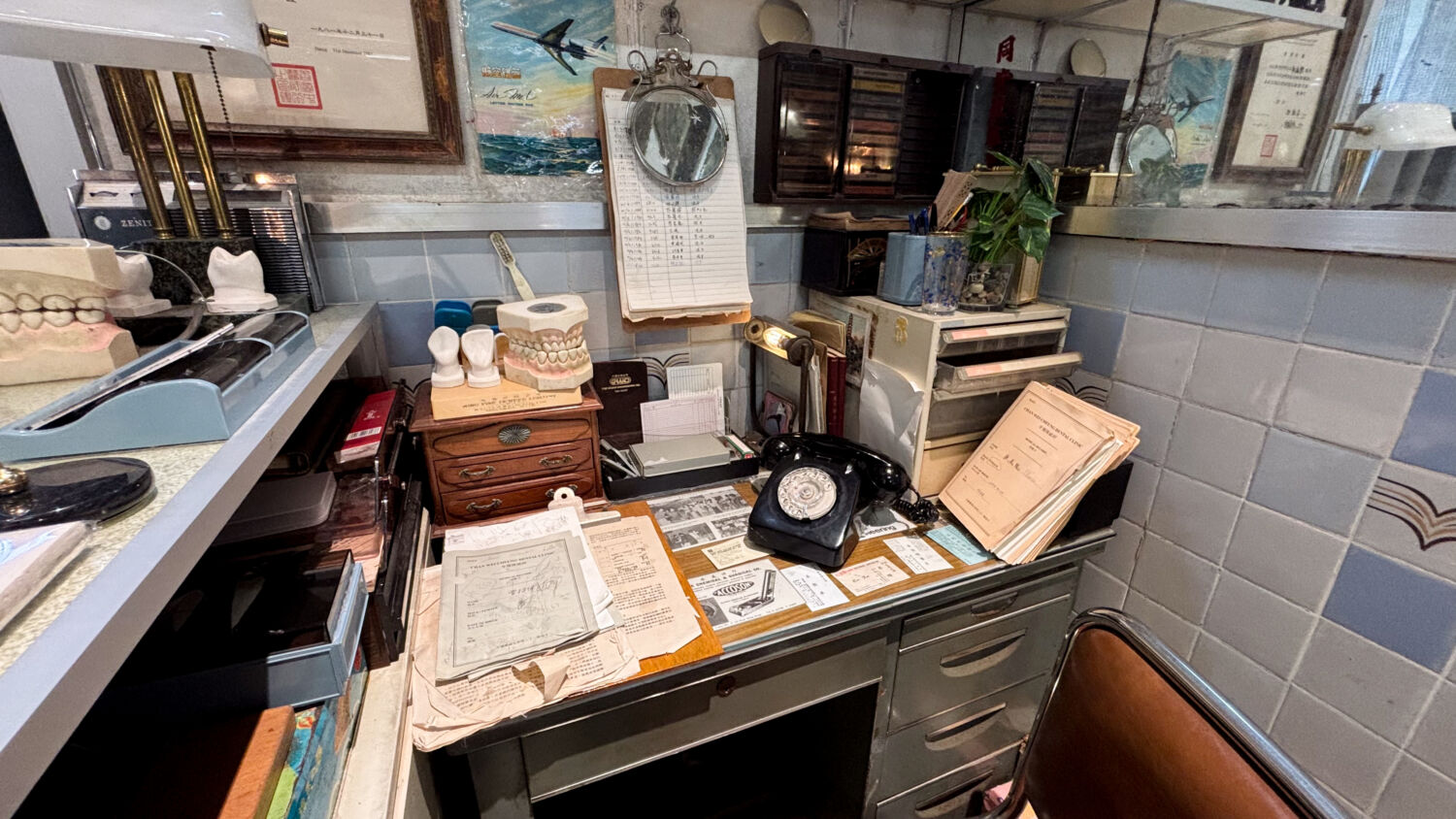
Towards the final days of the Walled City, businesses started to move out one after another due to the uncertainty of the enclave’s future. The sole businesses that continued to thrive, however, were these dental clinics, which continued to provide healthcare to the masses up until the Walled City’s demolition.
A taste of community
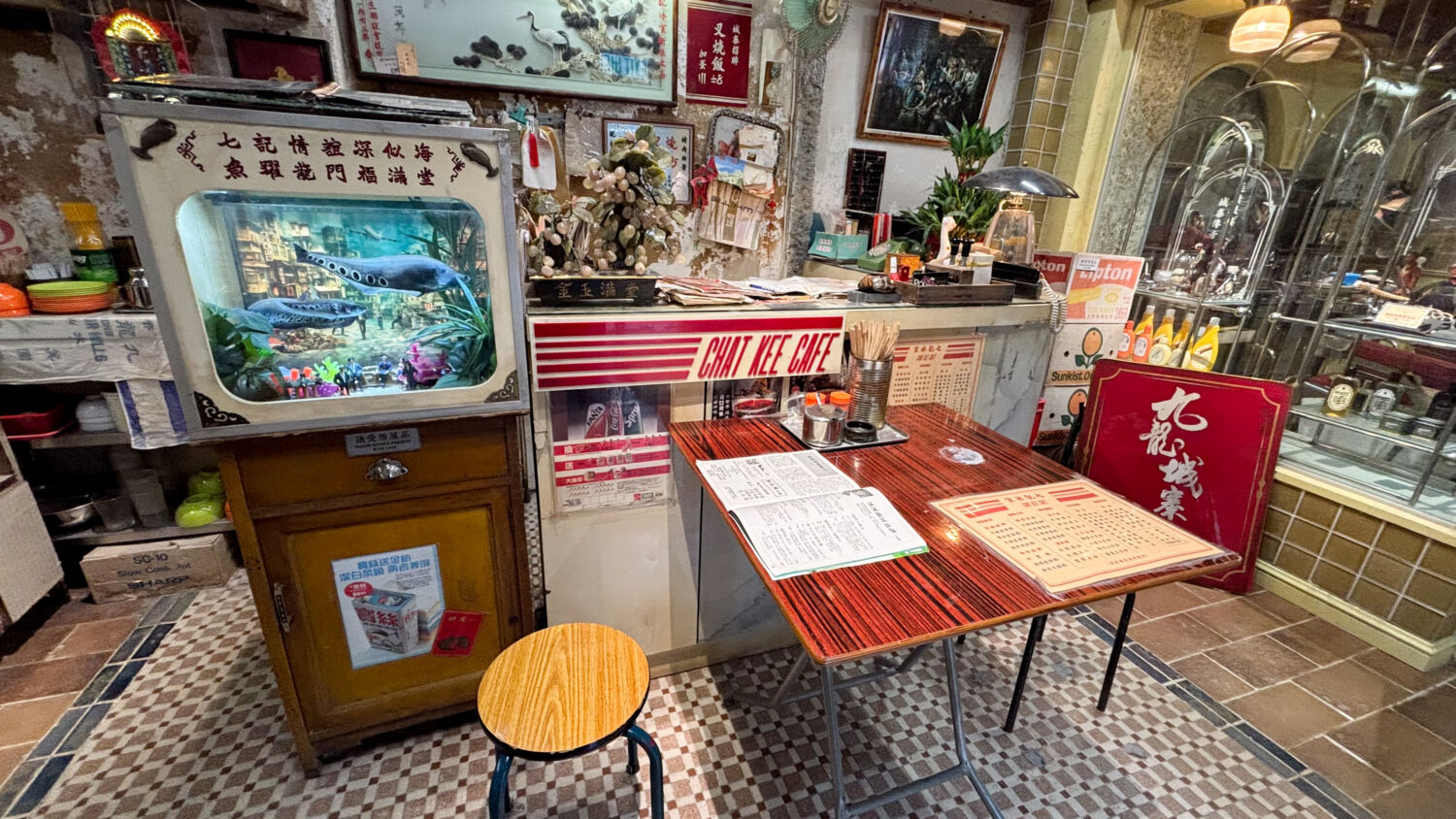
Good food brings people together, a notion even more important in a densely packed environment filled with restless individuals. Restaurants played a huge role in daily life within the Walled City, as not only were they places to get a hot meal after a tough day of labour, but some also functioned as pseudo community centres where residents would gather and chat about their day.
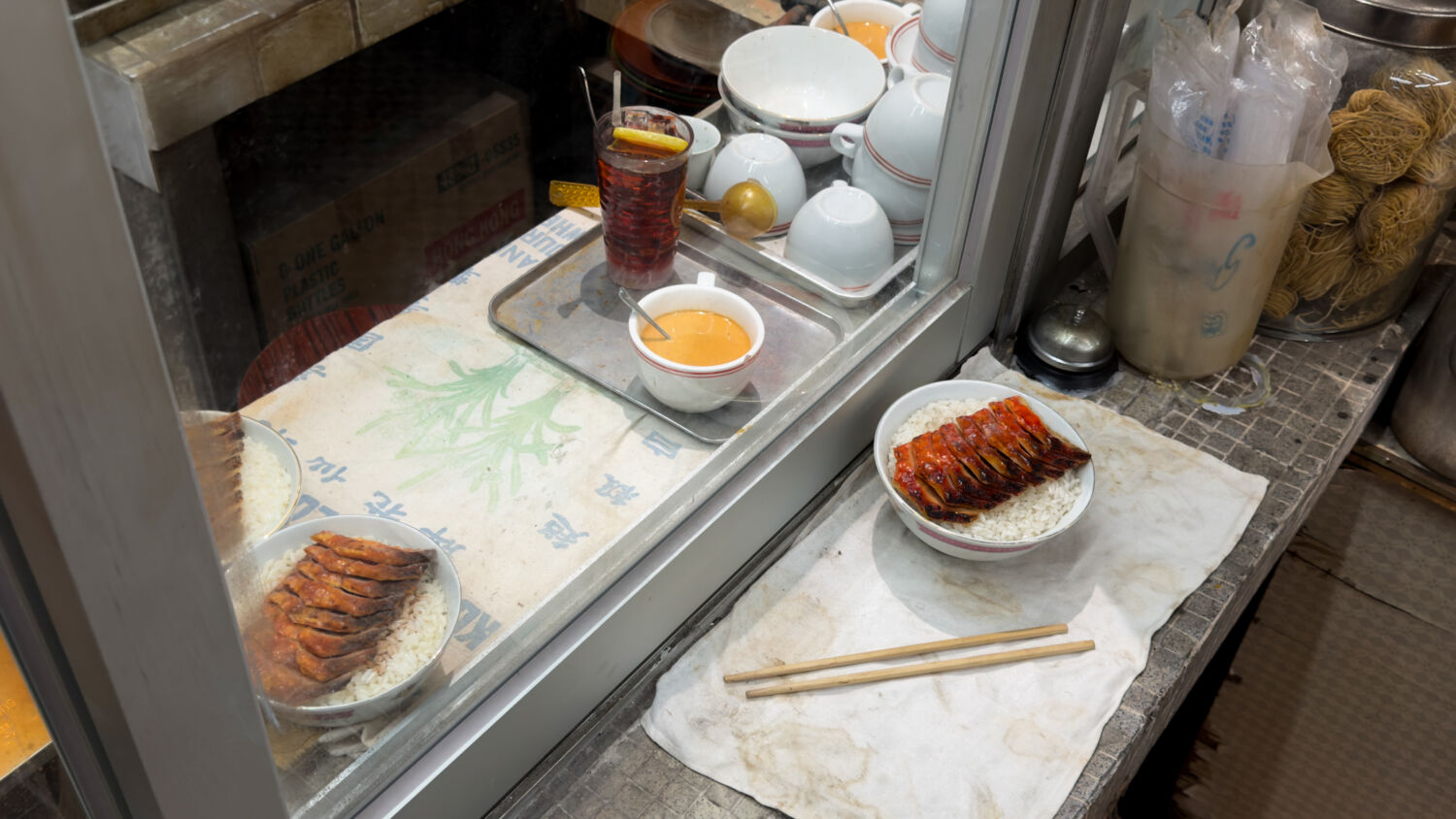
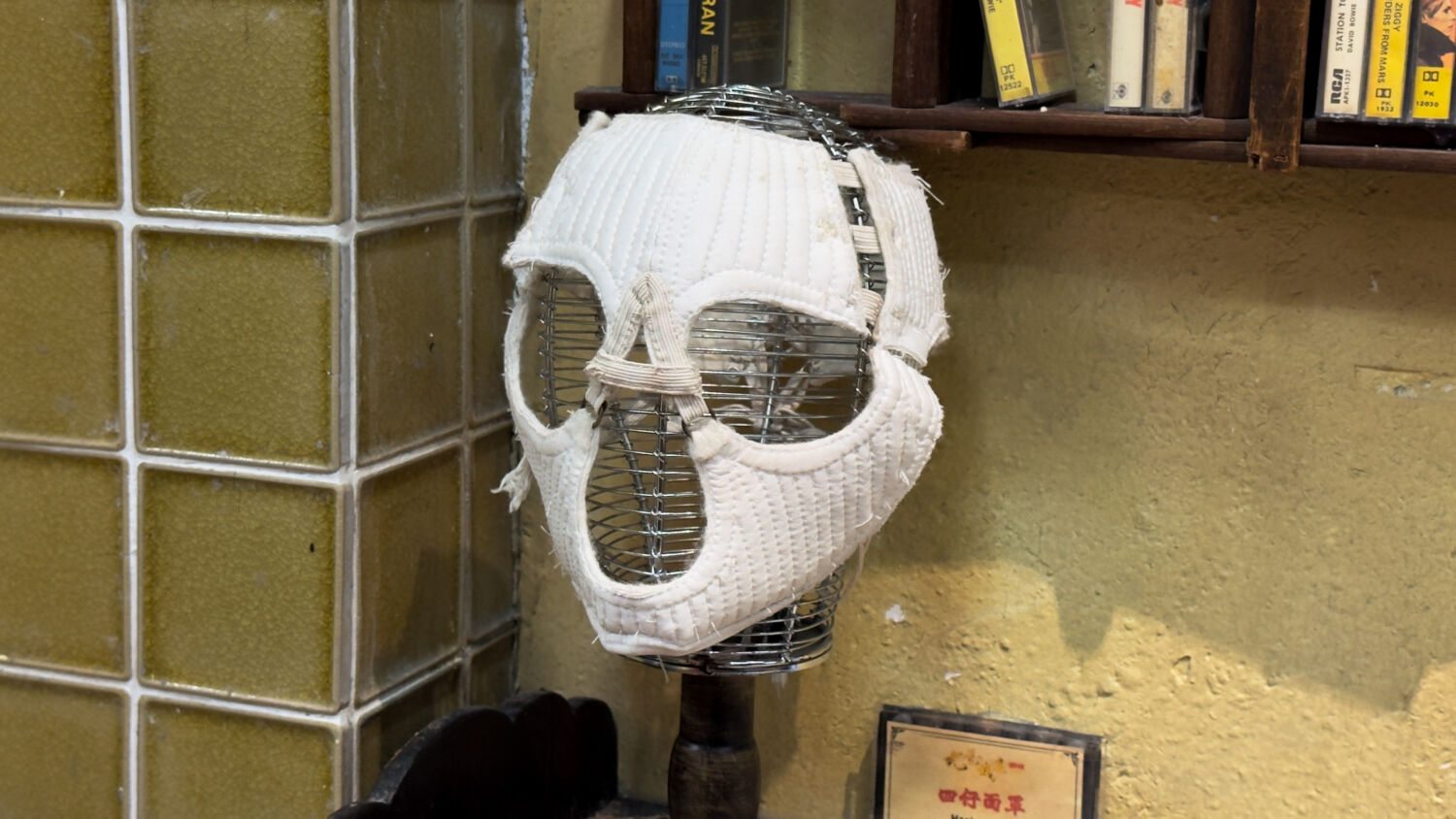
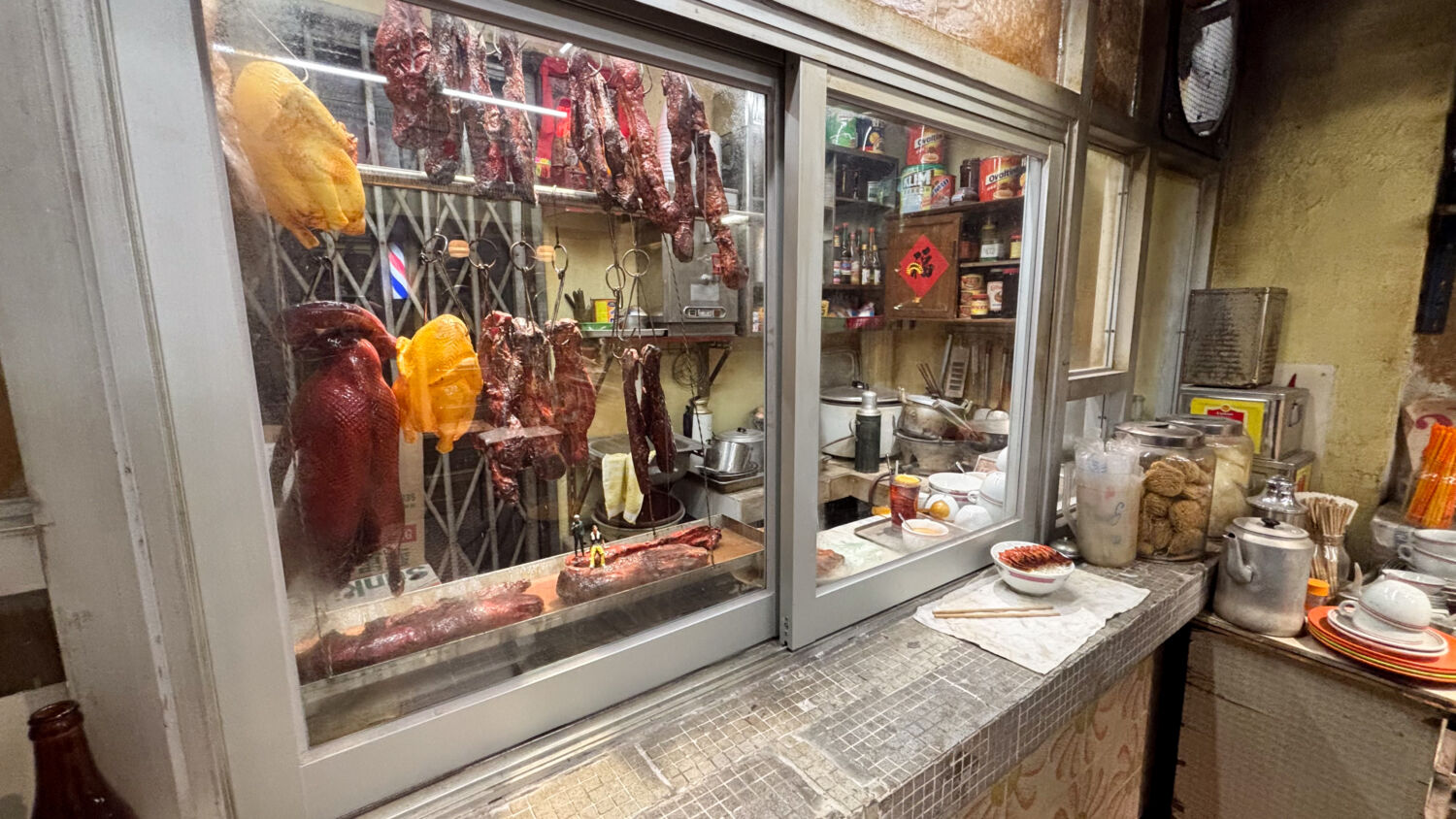
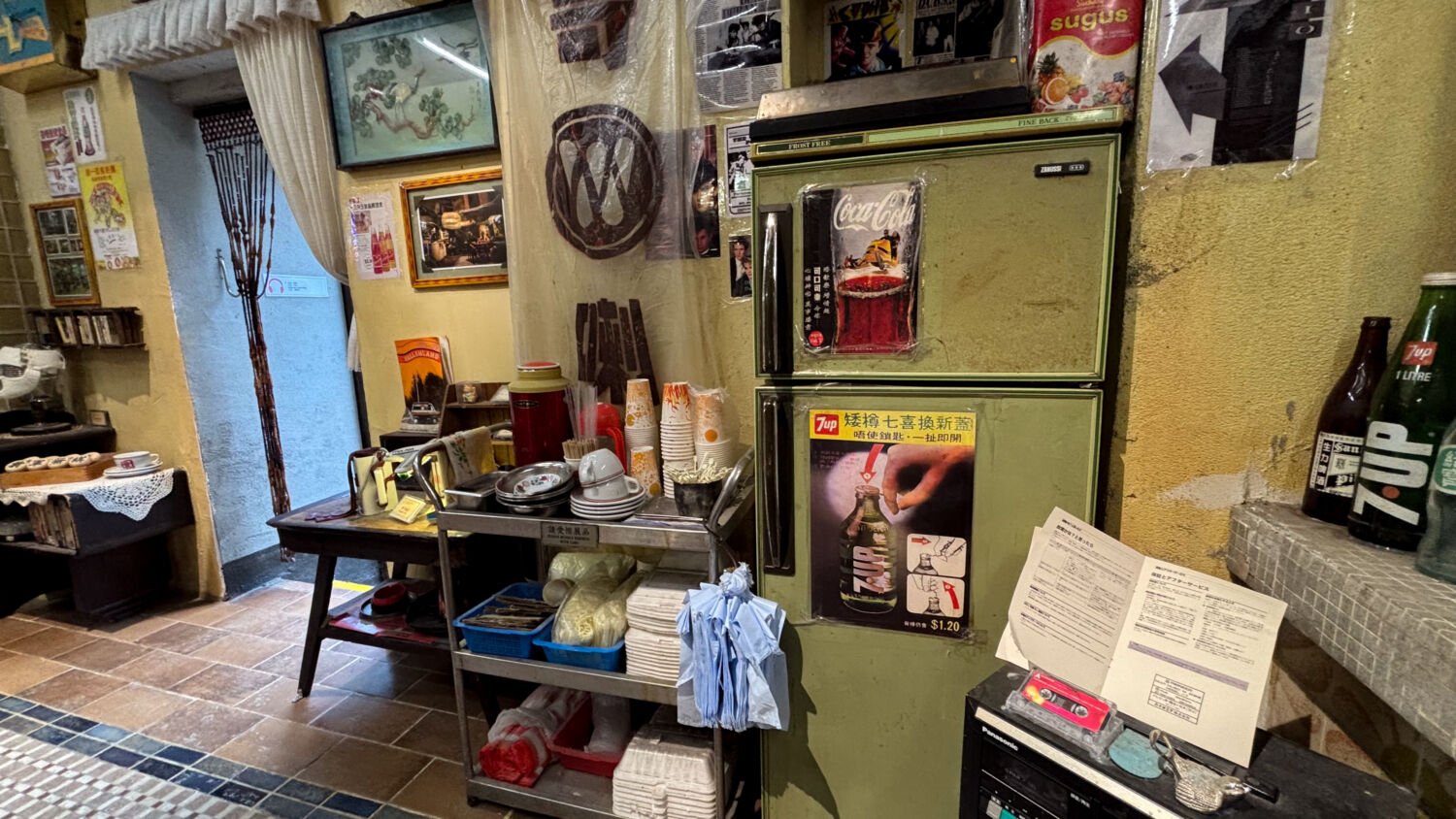
The “No. 7 Restaurant” exhibit, which recreates the prominent set in the movie, offers a peek into the daily lives of the residents, and even features some iconic props seen in the film, such as the iconic Roasted Pork Rice, storeowner Double Blades’ (Jozev Kiu) signature dish, the Karoake set that Shin, Chan and AV tries to operate, and even AV’s mask.
An iconic location in the film, now filled with memories
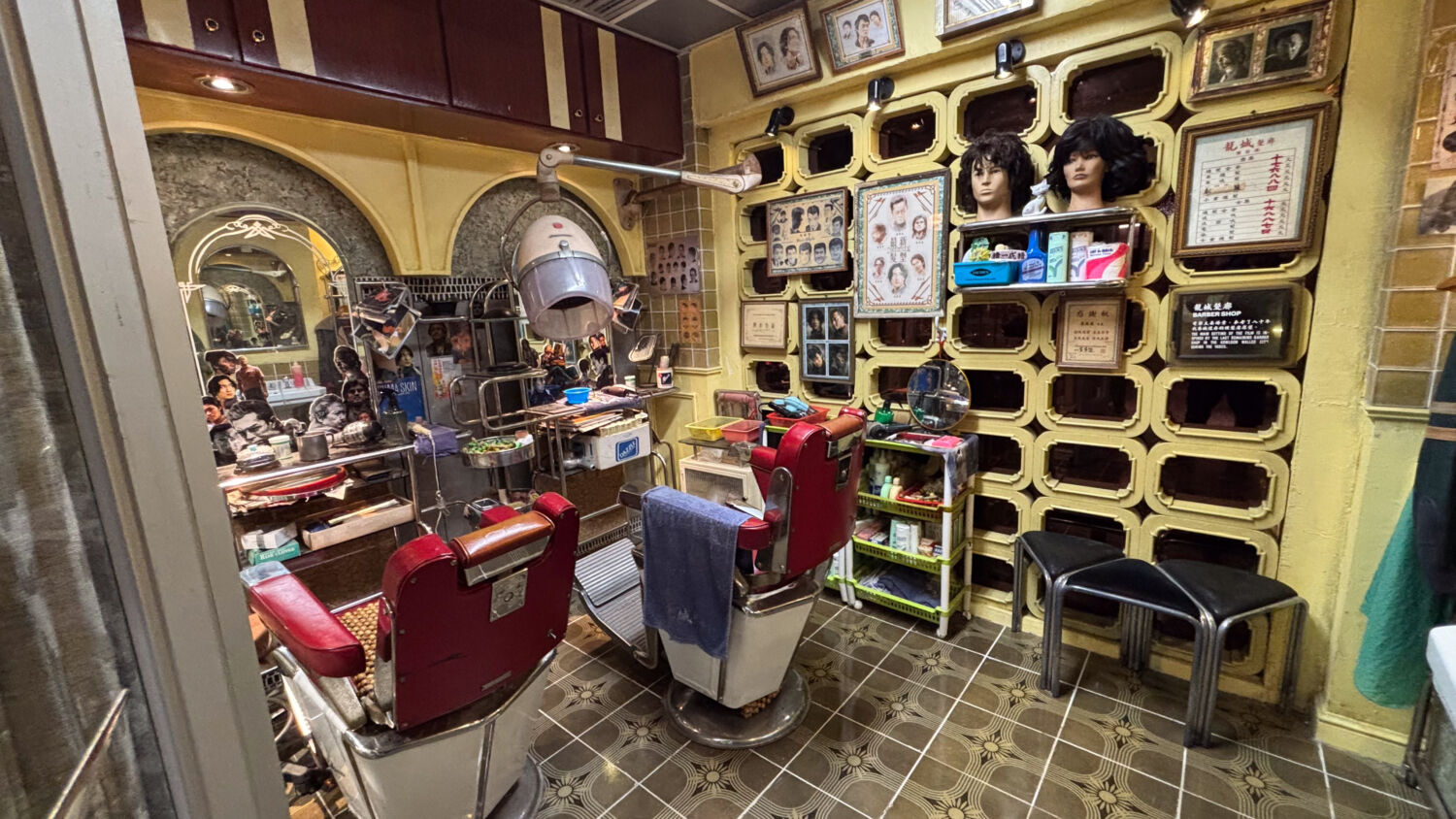
Among all the sets in Twilight of the Warriors: Walled In, perhaps none is as iconic as the barber shop. This was the home base of one of its main protagonists, martial arts master Cyclone, who chose to leave his life of violence behind and cut hair for a living. The iconic location was both his house and the headquarters of the Walled City Peacekeeping Committee, a small group of individuals dedicated to maintaining order in the enclave.
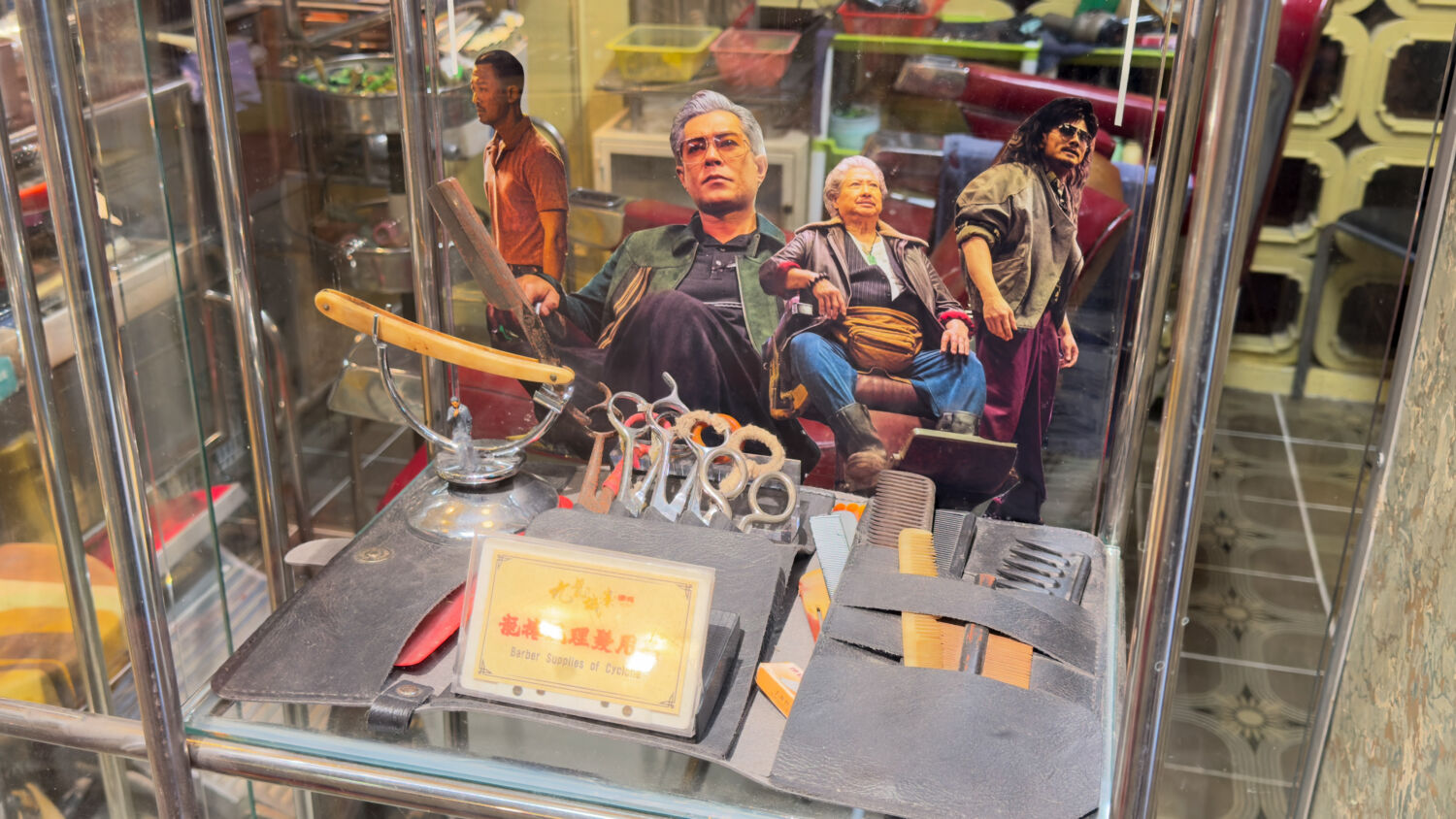
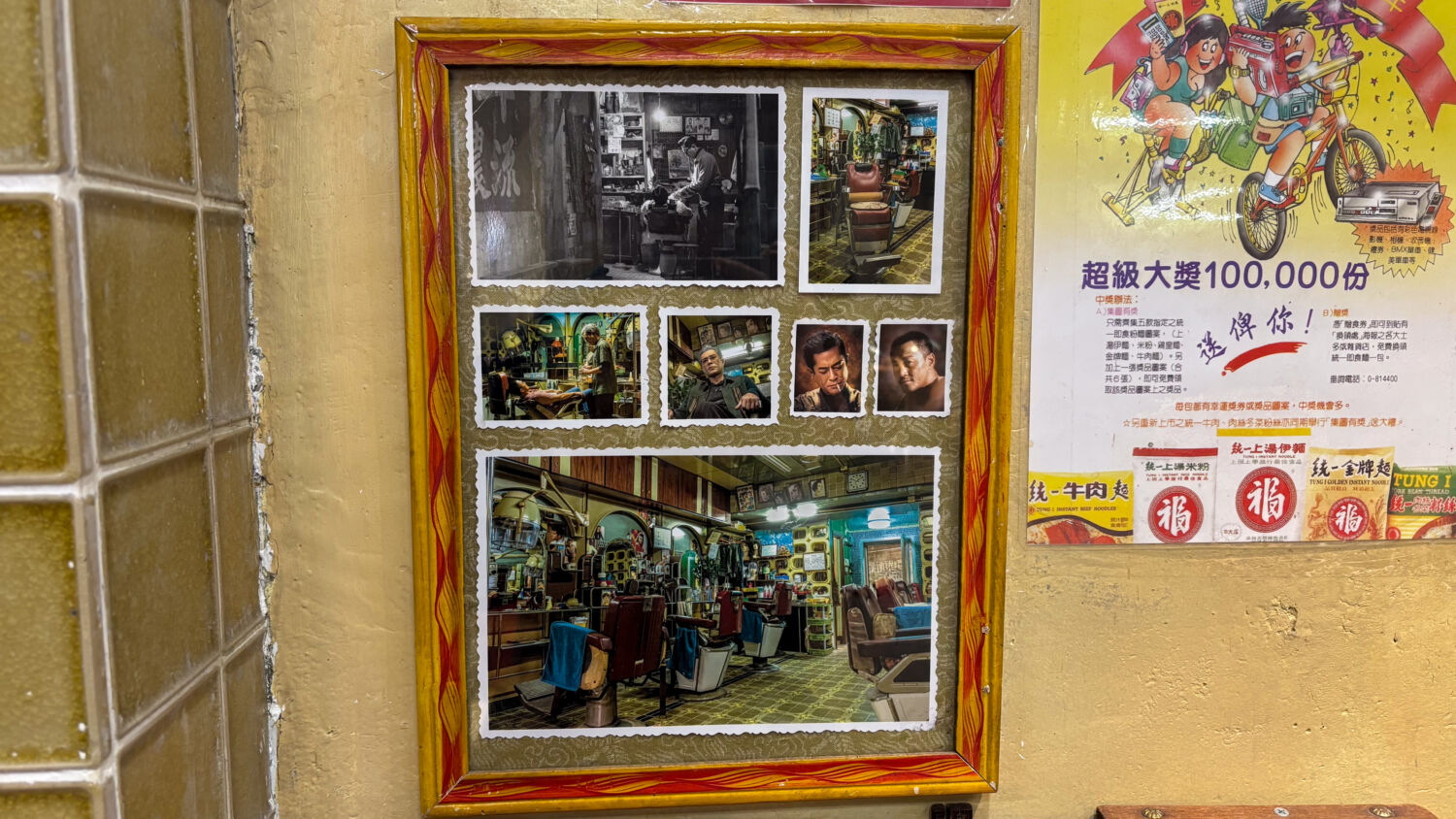
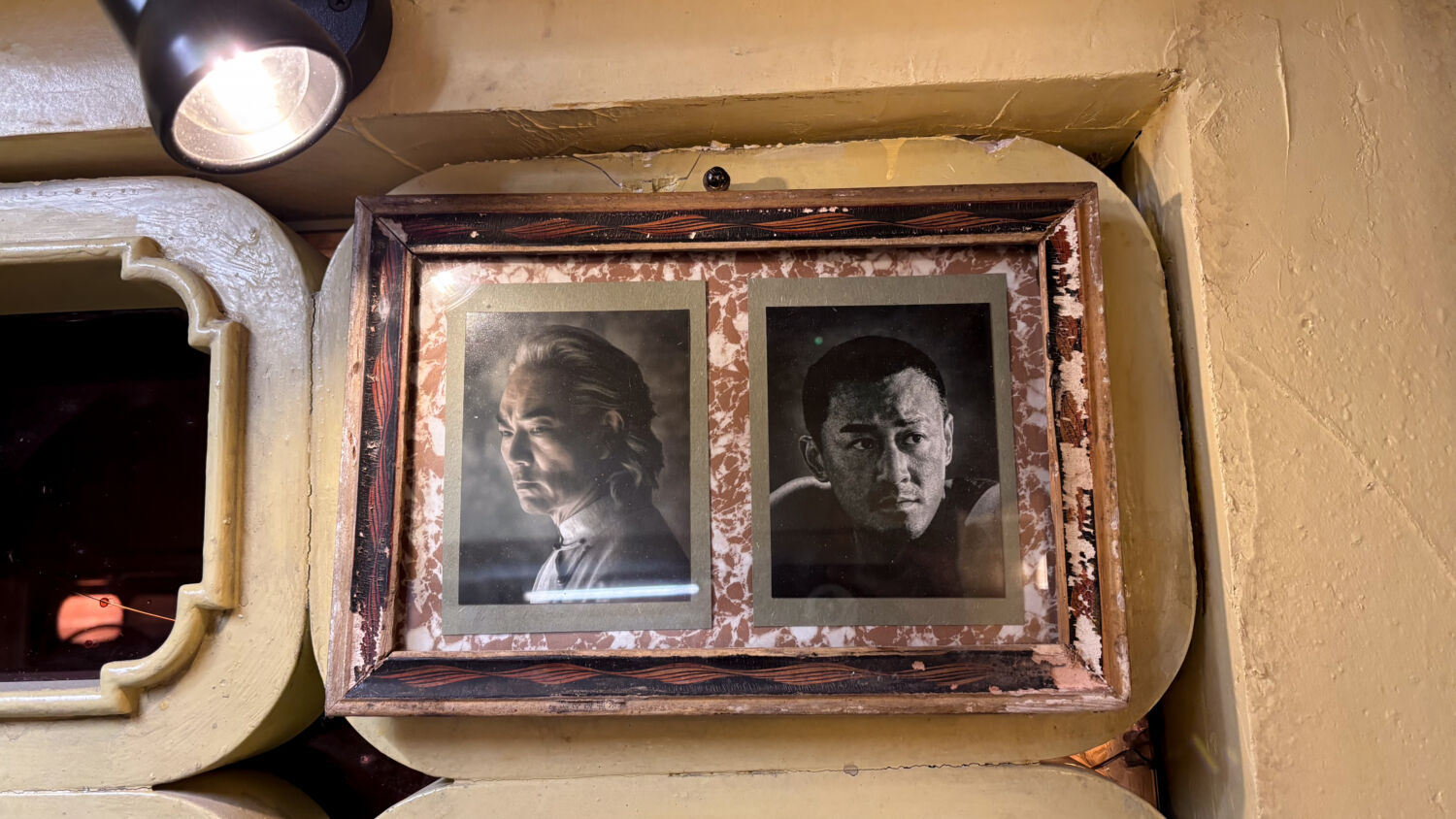
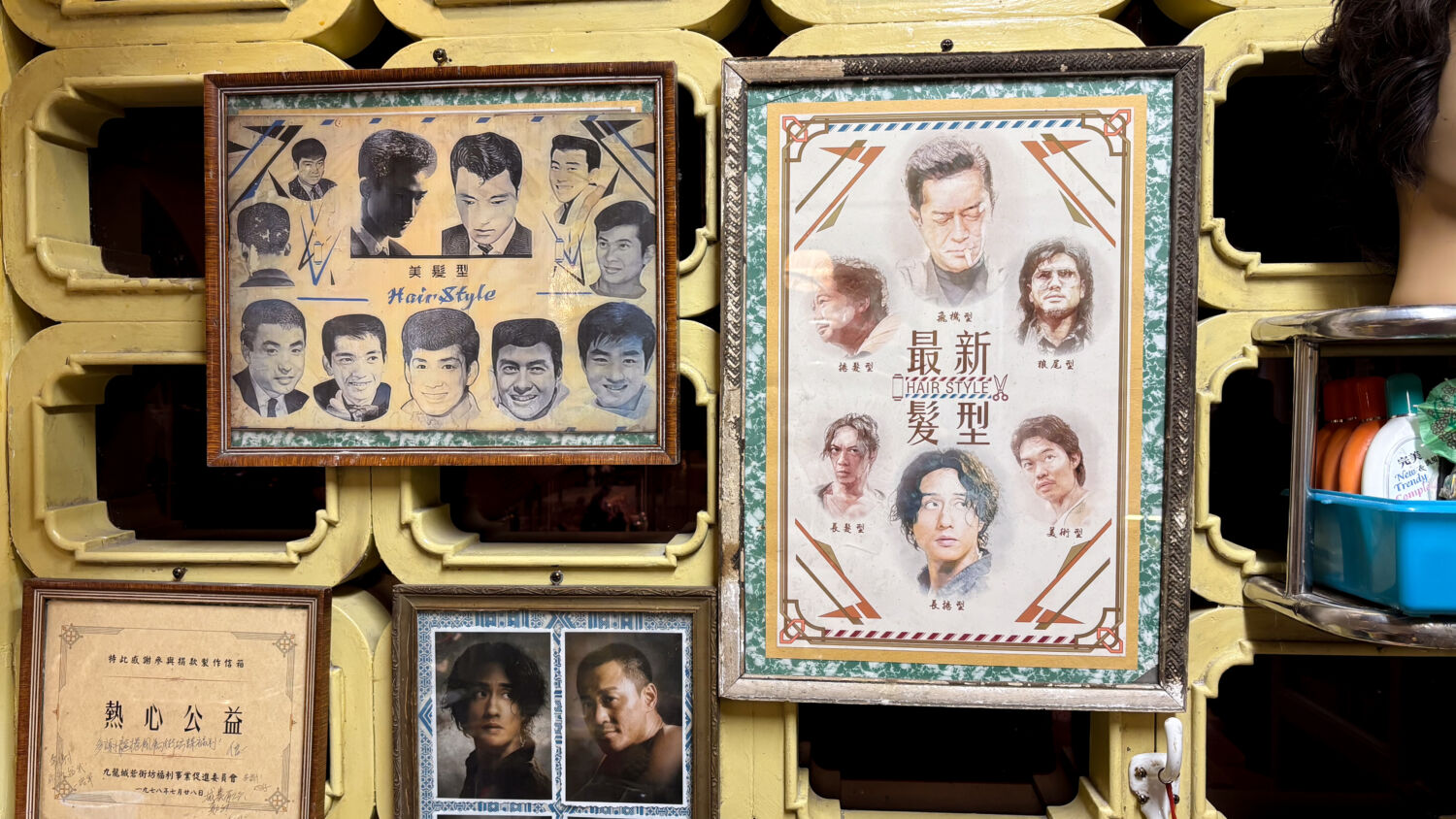
Many pivotal moments in the film occurred within these very walls, so it’s no surprise that the exhibit is filled to the brim with movie memorabilia, including dozens of cast photos and behind-the-scenes shots from the movie.
Claustraphobic streets and deafening noises, a daily struggle
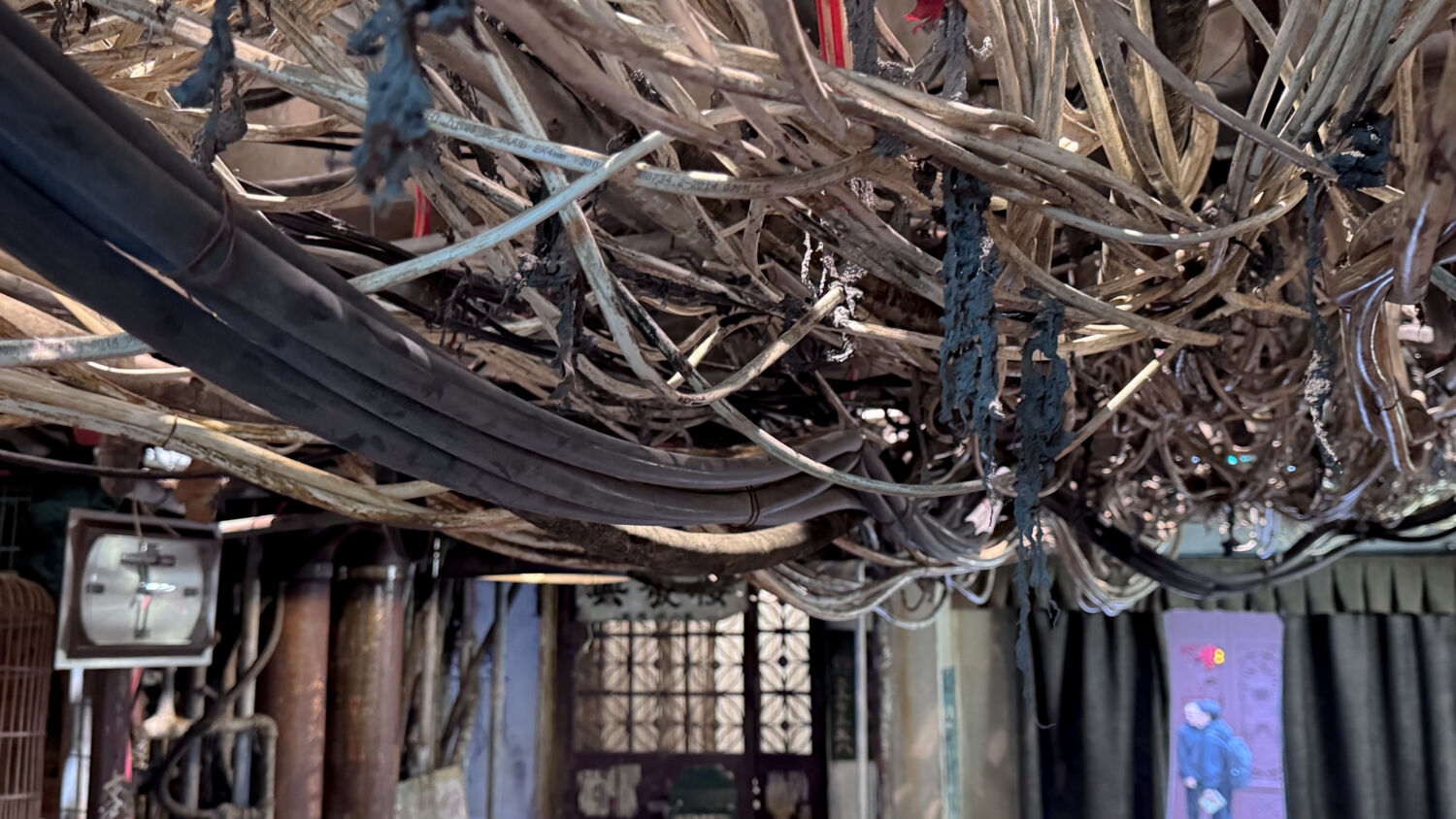
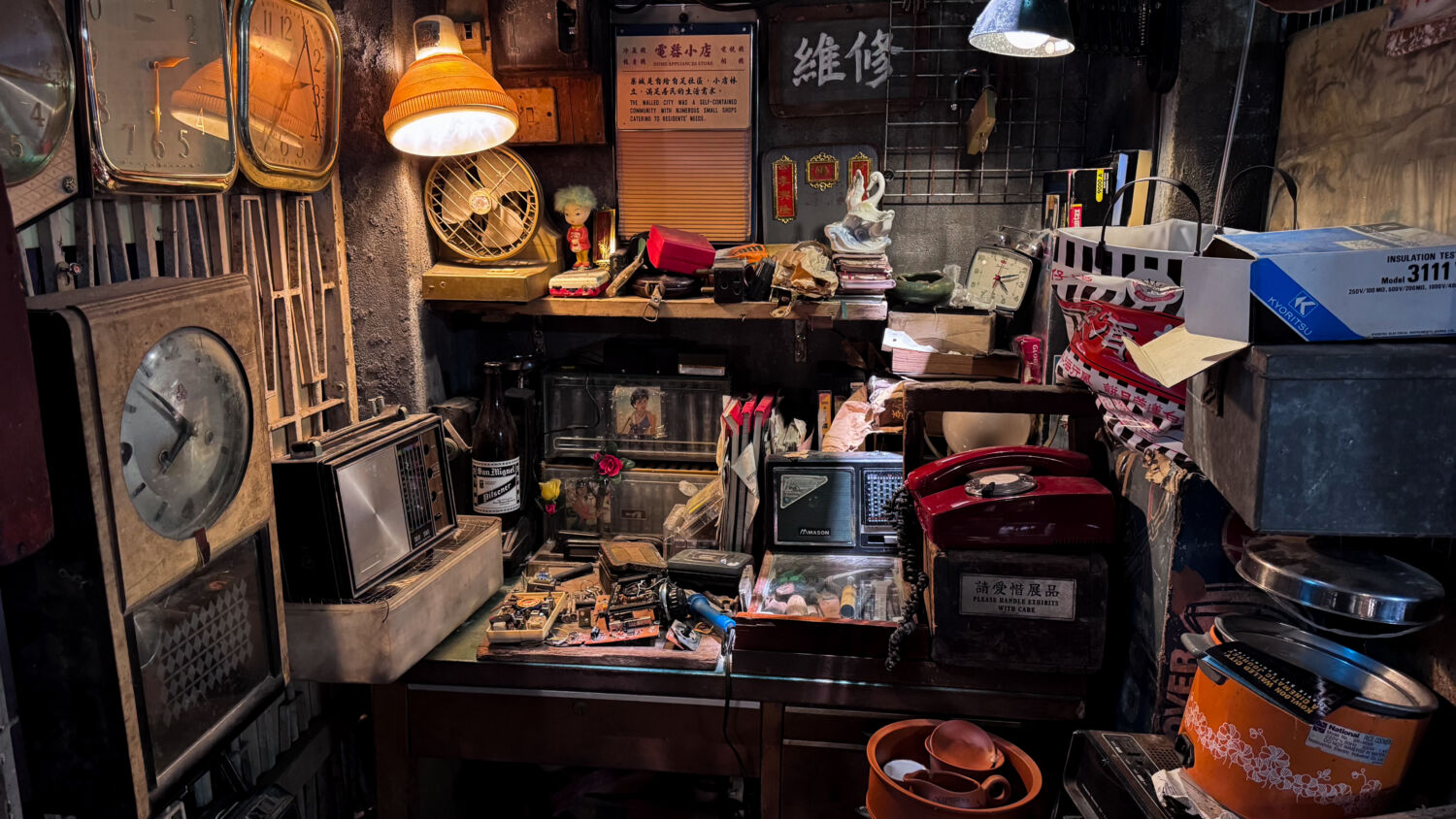
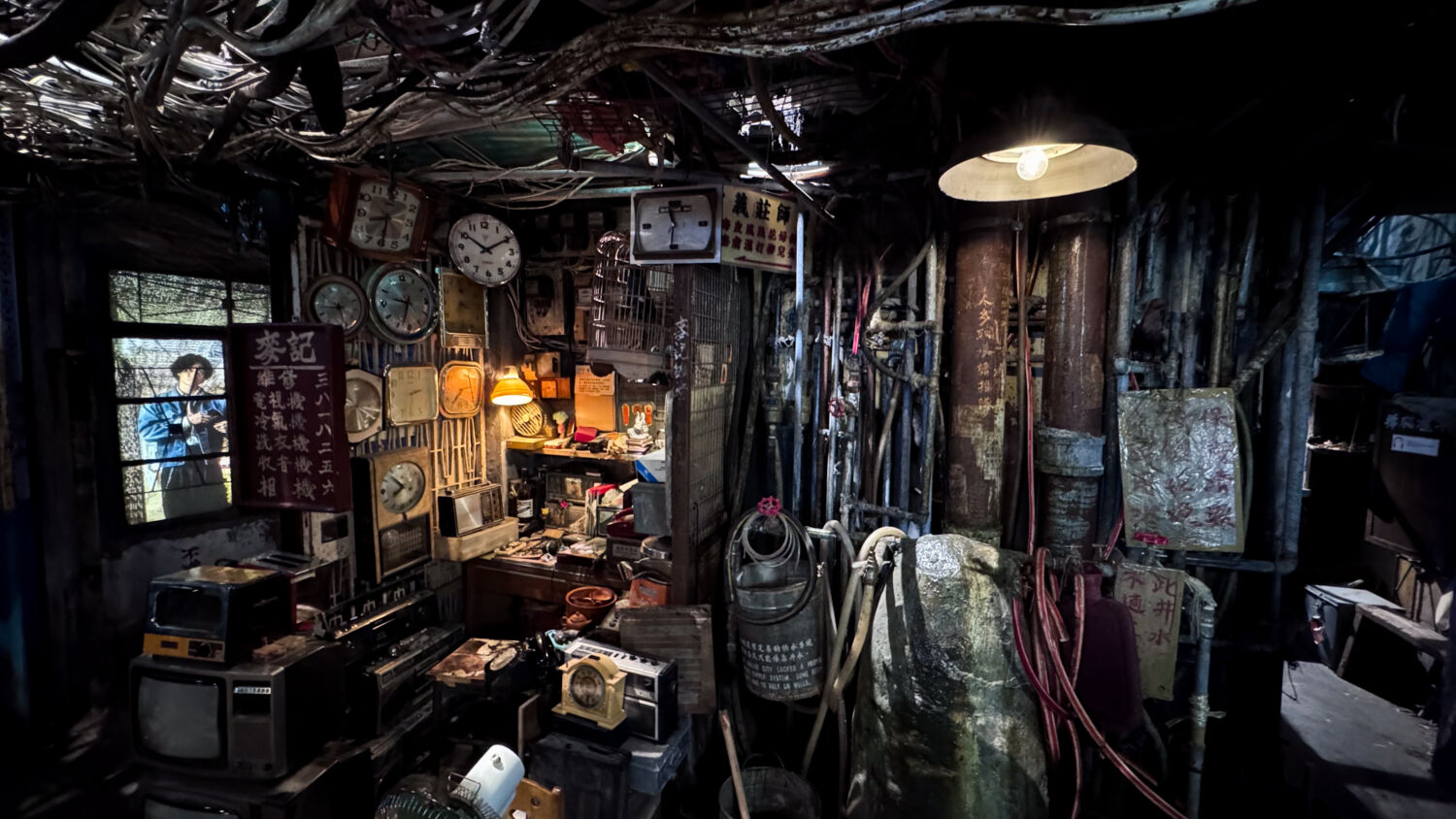
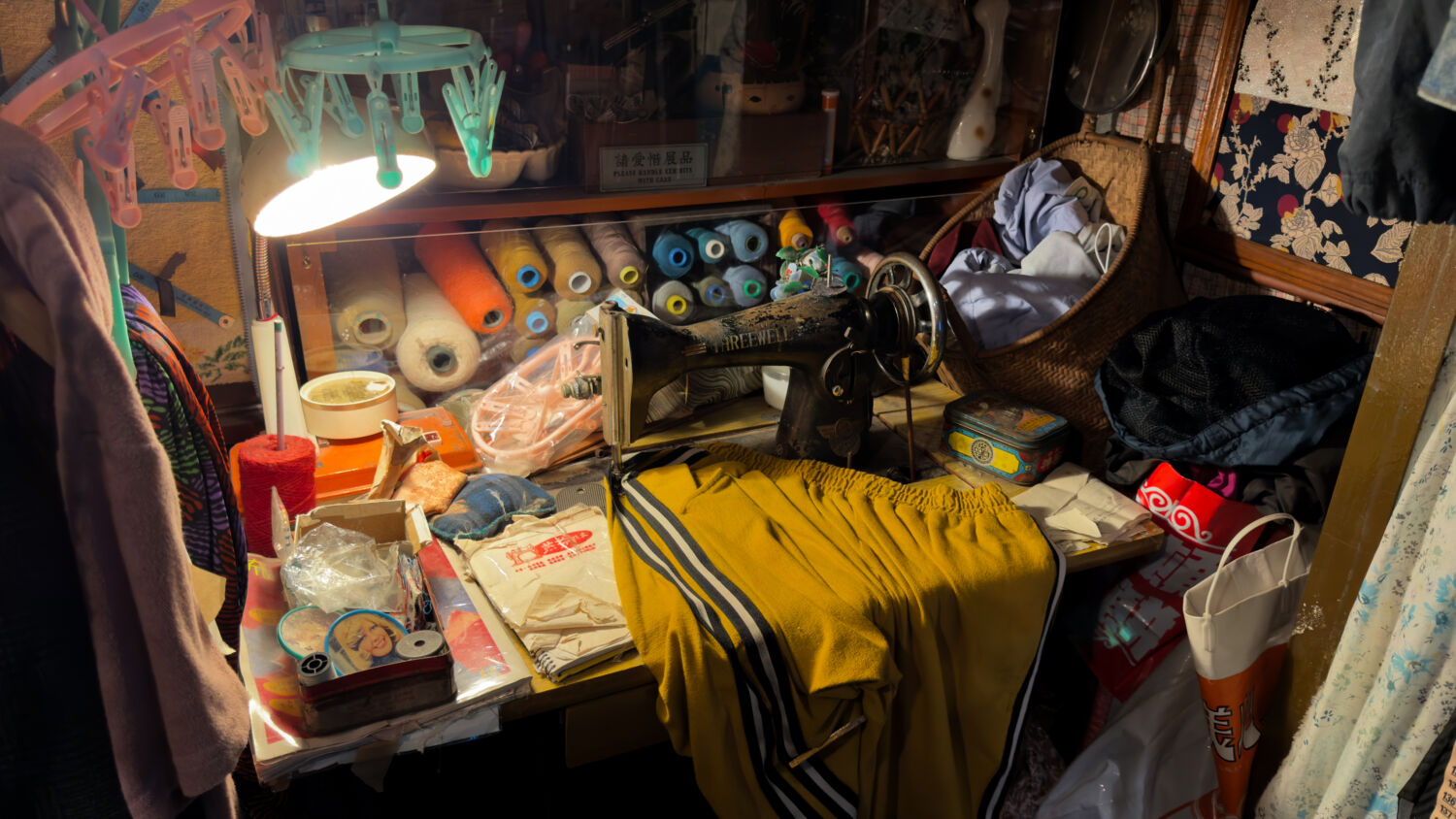
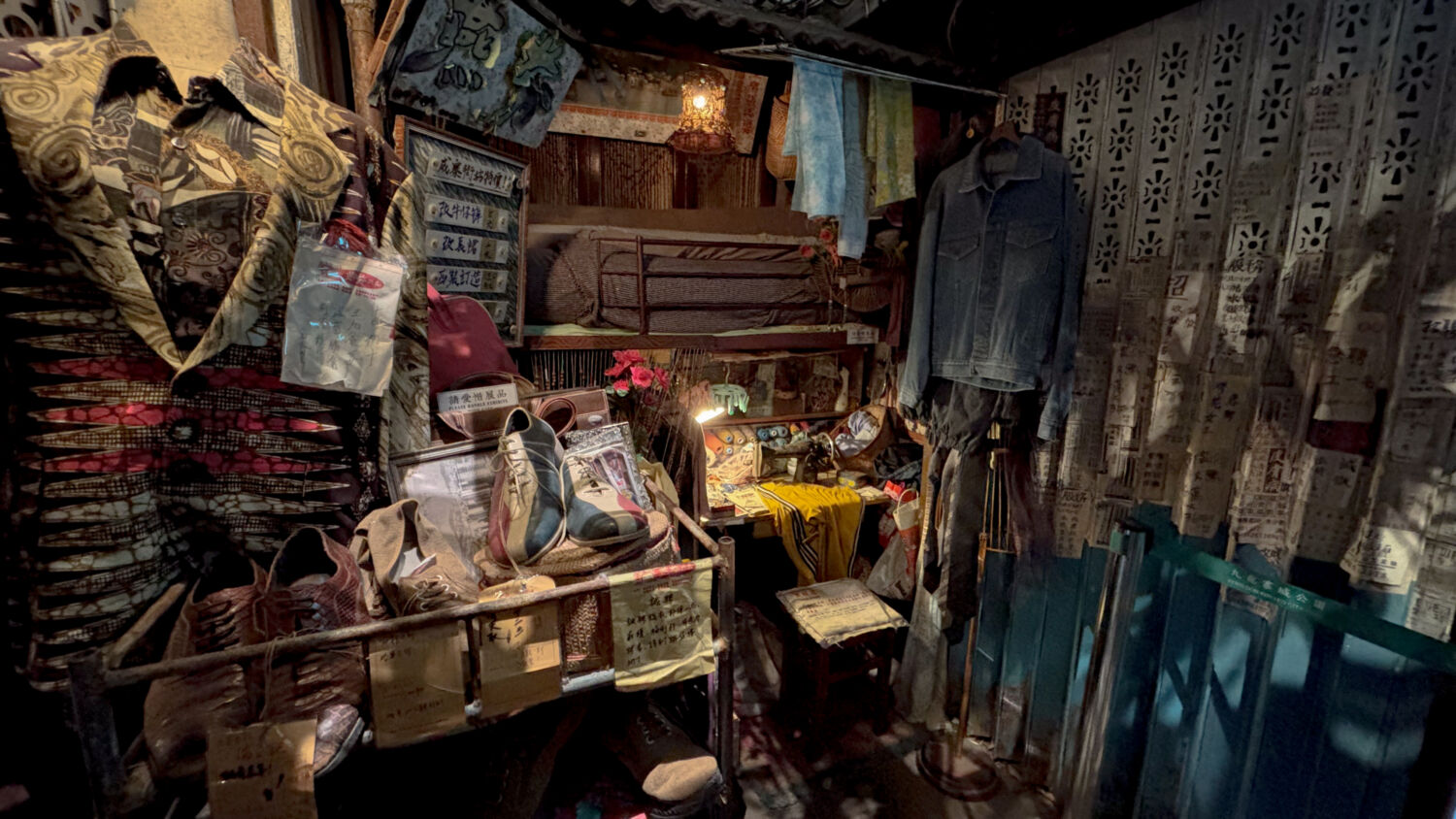
With the Walled City housing 35,000 residents at its prime, and it being a self-sustaining enclave, its streets were incredibly cramped, filled with countless small businesses on every narrow alley, ranging from tailor shops, cobbler’s kiosks, appliance repair shops, and everything in between. Its low ceiling and lack of safety regulations meant that electrical wiring and pipes were often left exposed to the elements, making venturing the narrow streets even more hazardous.
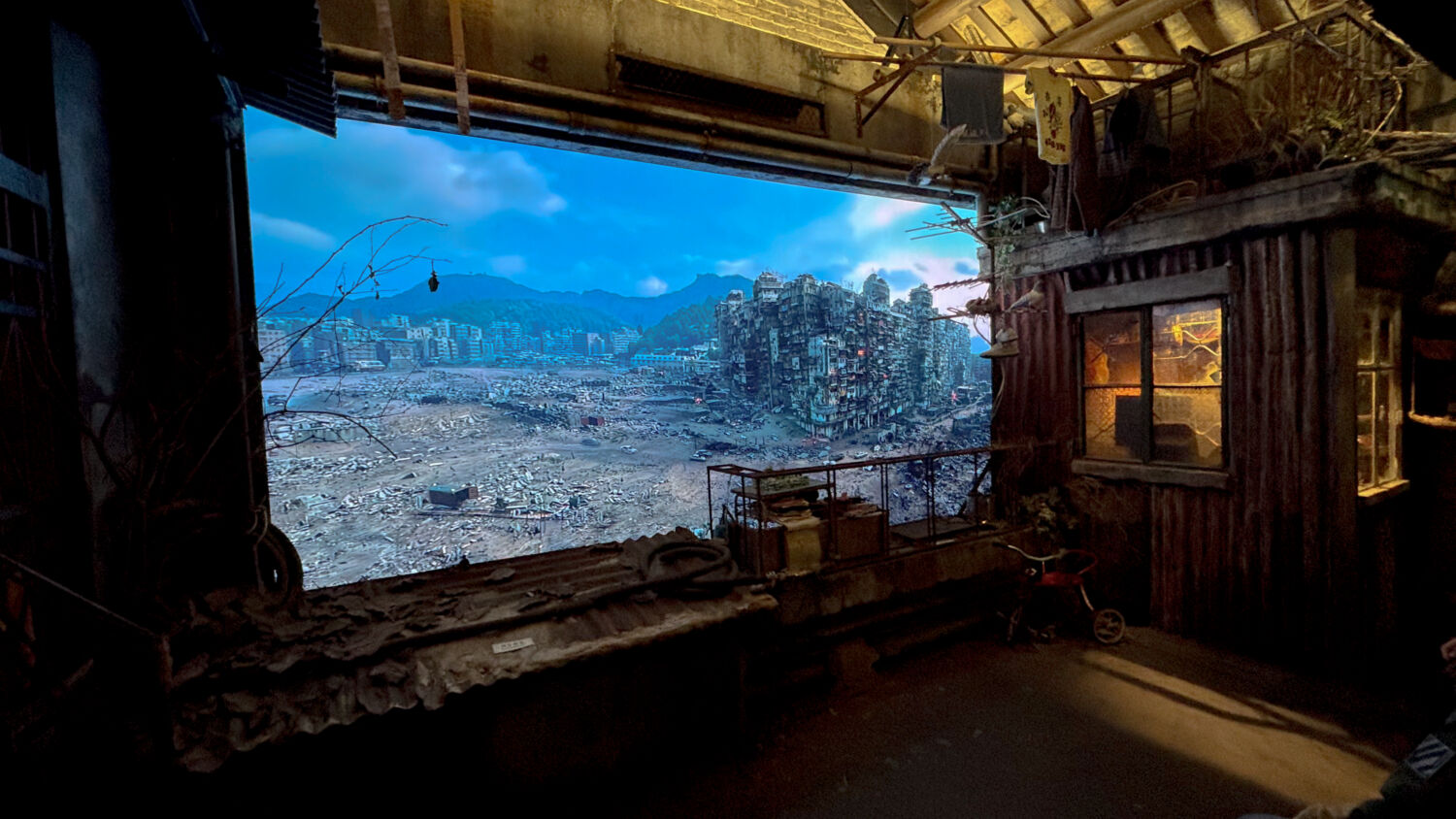
Topside, the Walled City’s rooftops told a completely different story, as although they were still cramped, they offered residents a glimpse of the outside world, and for many, it was the closest they could get to the bustling city beyond. The most unique view from the rooftops by far, however, was the low-flying planes, as thanks to the Walled City’s proximity to Kai Tak Airport, planes would constantly fly over the densely populated enclave, shaking the entire structure with their deafening engine sounds.
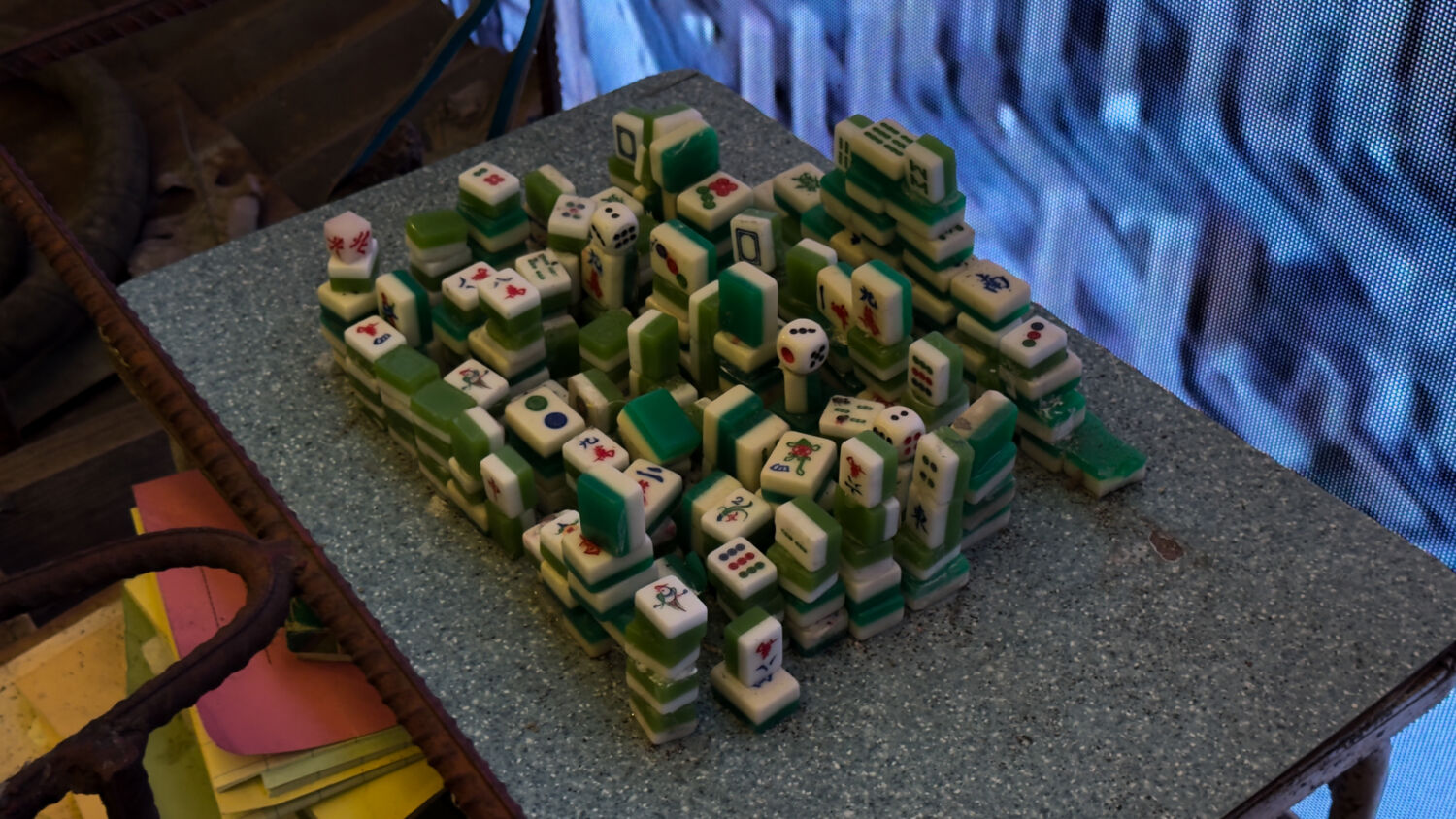
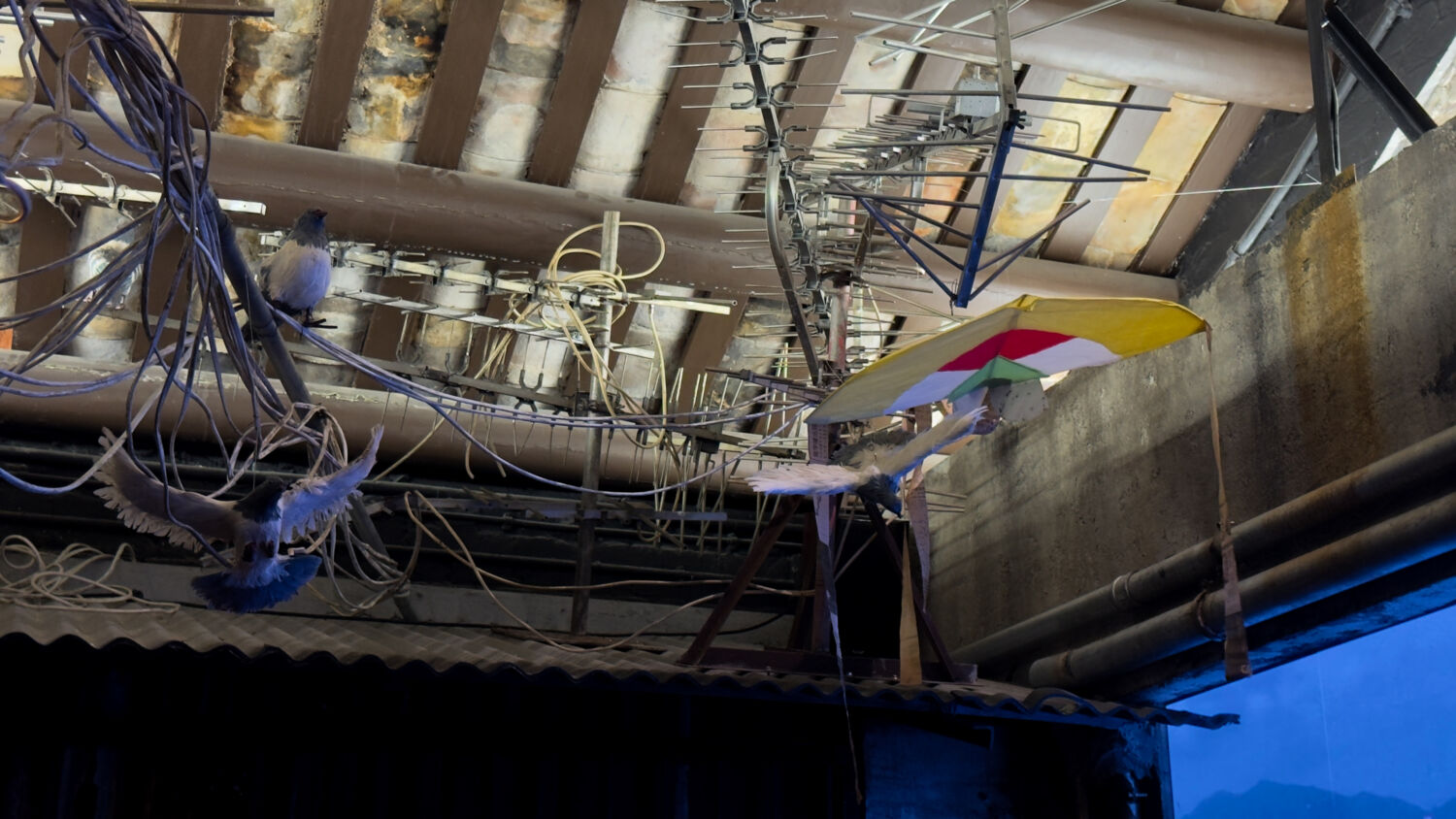
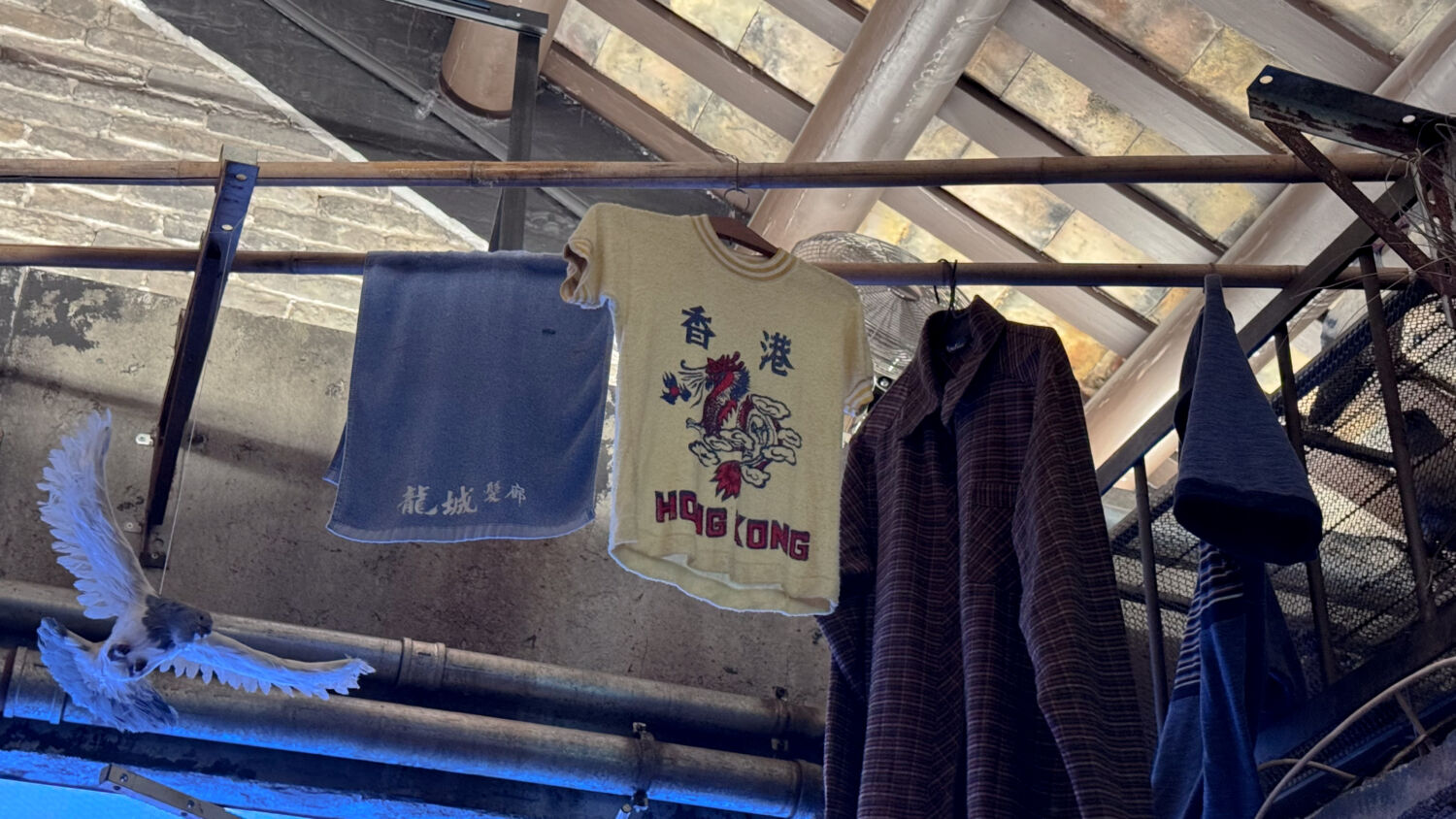
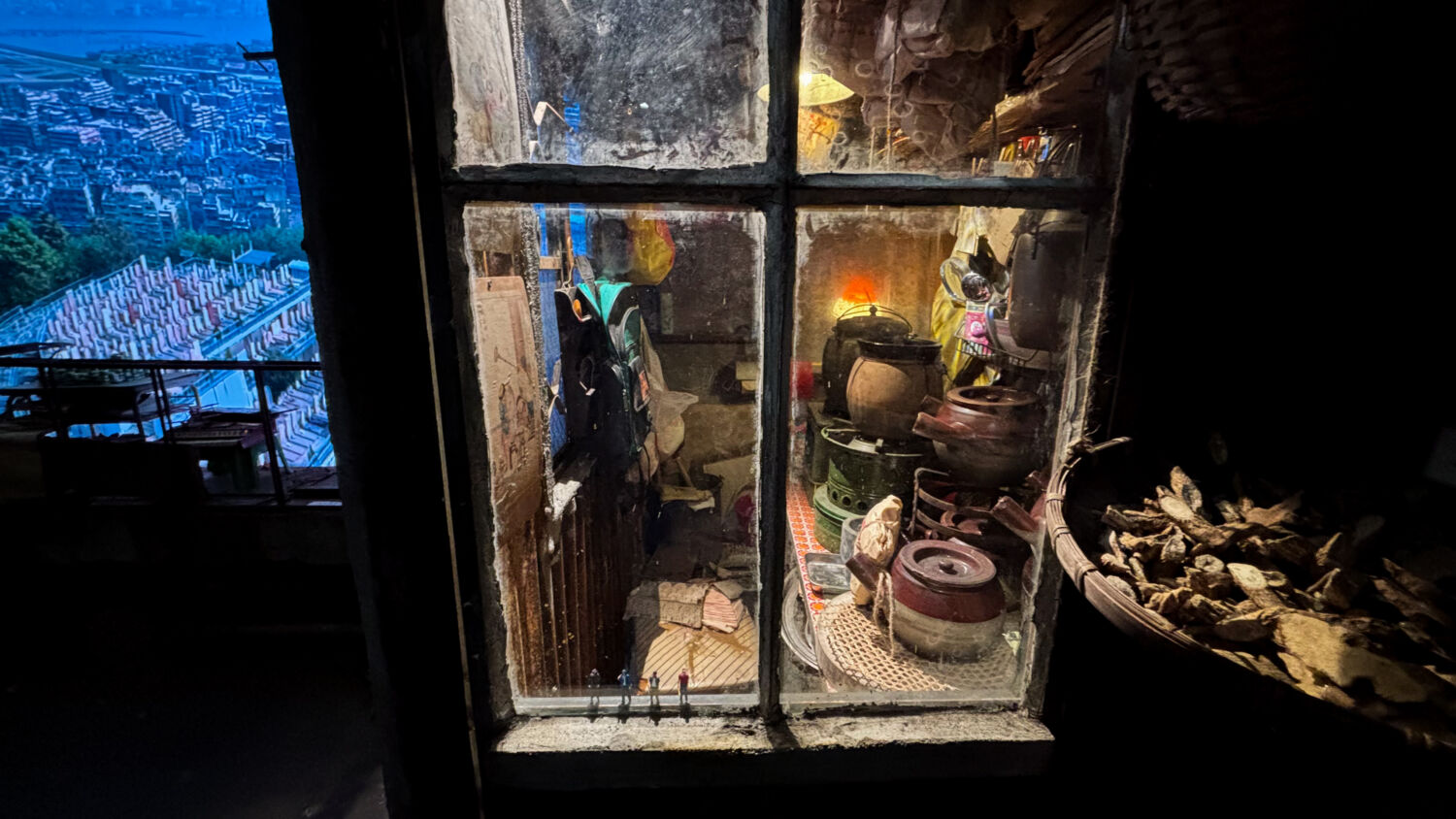
In Twilight of the Warriors: Walled In, this was the site of the climactic final showdown between its four heroes and the villainous King, an apt reflection of the real-world residents and the Hong Kong spirit – that no matter how difficult a situation may be, people can still strive to survive and fight against all odds.
Whether you are a fan of history, action movies like Twilight of the Warriors: Walled In, or just want to bask in the everyday lives of days long past, be sure to pop by the Kowloon Walled City park and the Kowloon Walled City: A Cinematic Journey exhibition during your next trip to Hong Kong.
Come snap a photo, make some memories, or simply enjoy the old-school Hong Kong vibes. History awaits.

Kevin is a reformed PC Master Race gamer with a penchant for franchise “duds” like Darksiders III and Dead Space 3. He has made it his life-long mission to play every single major game release – lest his wallet dies trying.



 Si Jia