This interview has been edited for clarity.
Since its 2005 debut, the Yakuza / Like a Dragon series has chronicled protagonist Kazuma Kiryu’s life across seven mainline titles, from the prequel Yakuza 0 to Yakuza 6: The Song of Life. In addition to the character’s appearances in the spin-offs Like a Dragon Gaiden: The Man Who Erased His Name and 2024’s Infinite Wealth, he’s now 36 in-game years older.
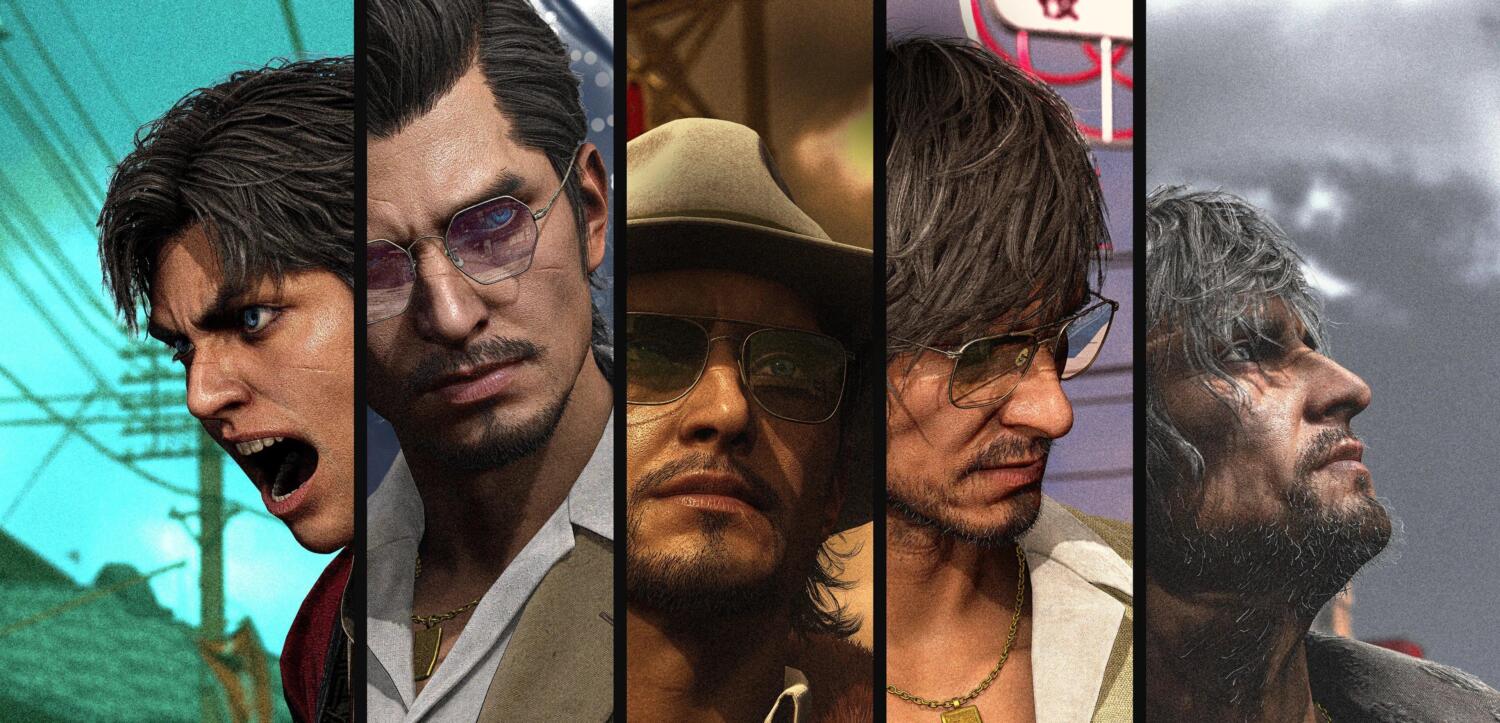
The gap, however, comes nowhere close to Ryu Ga Gotoku Studio‘s (RGG Studio) next project, Stranger Than Heaven. It turns back the clock to introduce a fresh face: Makoto Daito, of mixed Japanese and American heritage, who’s searching for a new life in Japan after fleeing persecution in the US. The 50-year journey takes him to five distinct eras and regions – Fukuoka (1915), Hiroshima (1929), Osaka (1943), Shizuoka (1951), and Tokyo (1965) – before he founds the Tojo Clan, the iconic yakuza syndicate of the Like a Dragon games, all within one title.
It’s an ambitious departure from standard RGG fare in more ways than one, starting with a completely new combat system. As noted in a previous hands-on preview, the button-mashing gameplay has been ditched for guard and parry mechanics, a weapon system, and an independent left- and right-side control scheme that feels more grounded and realistic.
Then, there’s the protagonist himself. Whether it’s Kiryu, Goro Majima, or Ichiban Kasuga, the team’s previous central figures have always been Japanese, making Daito their first half-Japanese with English as his native tongue. This collision of languages is also reflected in the cast of Stranger Than Heaven, featuring a mish-mash of Japanese and Western artistes such as Yu Shirota (Daito), Dean Fujioka (Yu Shinjo, Daito’s friend and rival), Ado (Keiko Shirai), Tori Kelly (Suzy Day), Snoop Dogg (smuggler Orpheus), and more.
For Daito in particular, much of the work went into nailing down the nuances between learned and native speech. In a real-world context, these would translate to intonation, pronunciation, accents, diction, and the like, which are all points of consideration for authenticity.
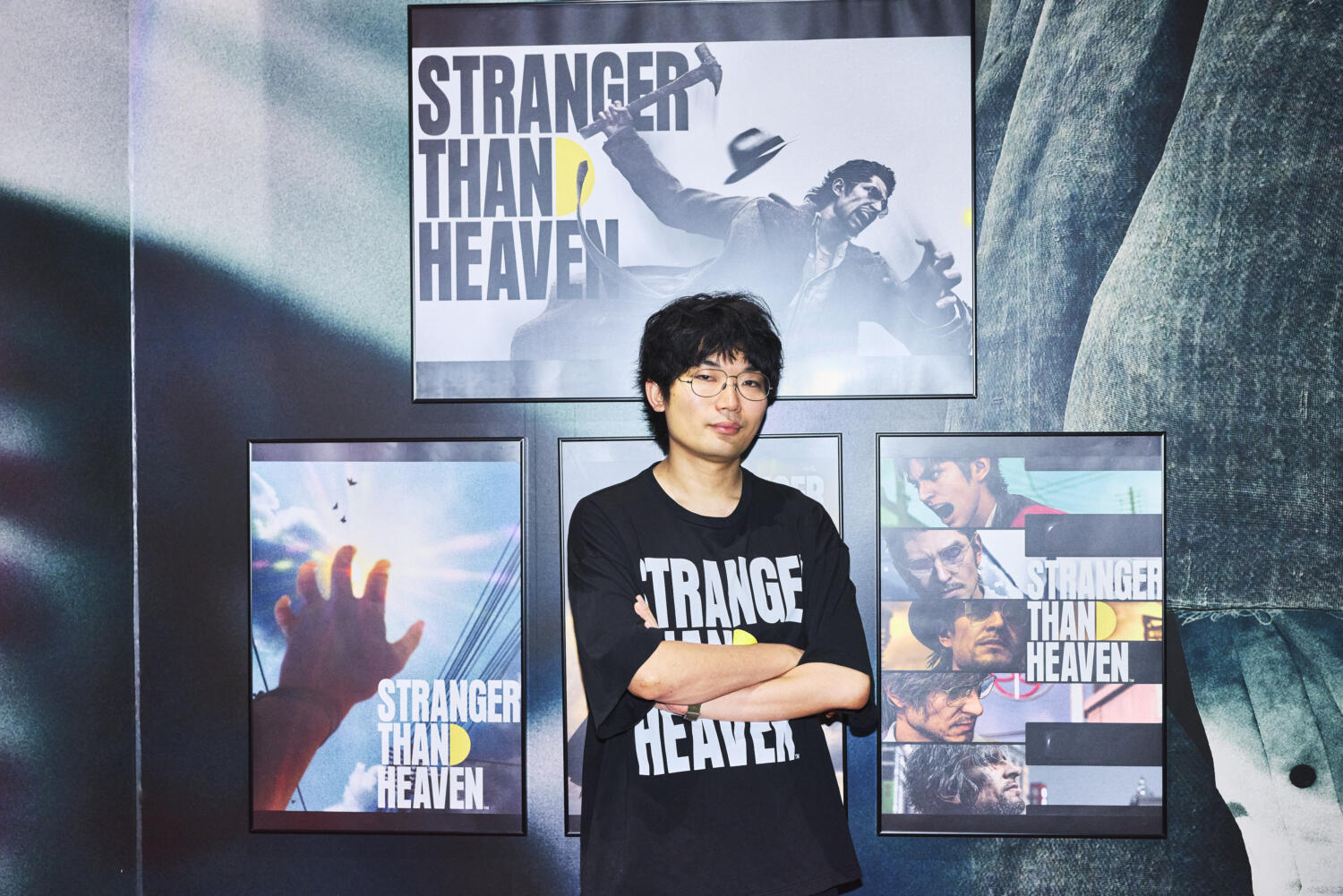
“He’s mixed heritage, right? He’s Japanese and American, so the hardest part for us was the language part – because he’s bilingual – and how he interacts with the people surrounding him,” explains director Motonobu Abe to Southeast Asian media during Tokyo Game Show (TGS) 2026. “Trying to convey that carefully in a natural way was pretty difficult.”
Despite the challenge, the team was adamant about seeing the process through their way. Instead of a traditional dedicated dub, where the original spoken dialogue is replaced by vocal performances in another language, Stranger Than Heaven features fixed, unified voice work that code-switches depending on who a character is talking to or where a scene takes place.
The decision was already made before writing the storyline, and naturally, actors fluent in multiple languages will play these bilingual roles. The idea is to reflect the imperfection and clumsiness of someone learning a new tongue rather than polished vernacular, as producer Hiroyuki Sakamoto shares:
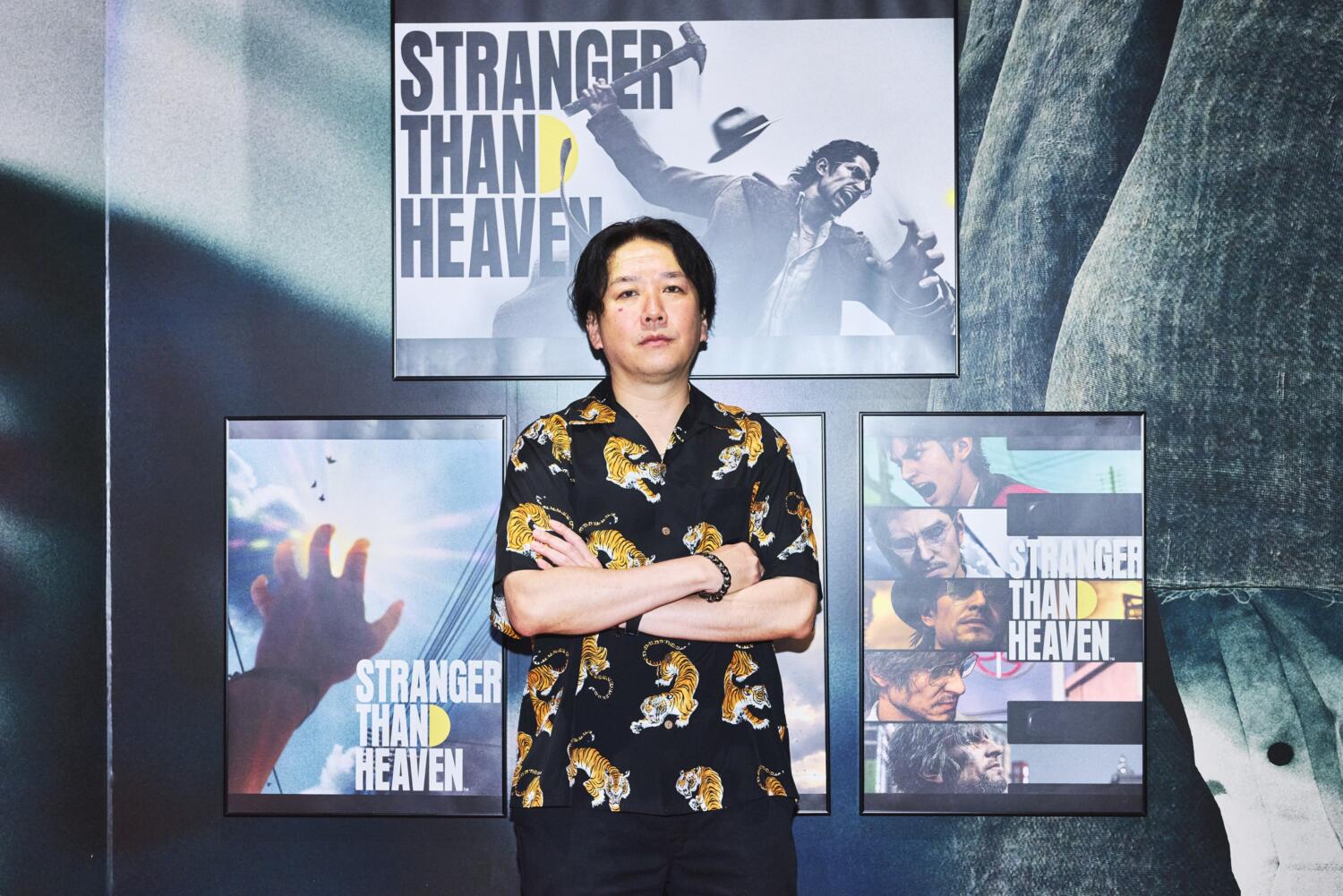
“Dubbing wasn’t going to work if you have a person who’s trying to pick up a new language, and trying to dub that with a perfect Japanese actor doesn’t really match, so that’s why we came up with this kind of mixed one-voice selection.”
Language isn’t just a tool for communication, however. As a man between two worlds, it also directly shapes Daito’s identity during a time of alienation and loneliness, tying into his search for a place to fit in. Herein lies the question: if spoken interaction isn’t enough to overcome this cultural barrier, what is? Language of a non-verbal kind.
Novelist Victor Hugo once said, “Music expresses that which cannot be put into words,” and it rings true in Stranger Than Heaven. Aligning with the thematic structure, Daito is described as having a great talent for music, with his gameplay involving saving various sounds as recordings and encountering composers, who will use them to create original compositions. As the game progresses, they can seek out musically gifted individuals to perform at shows that Daito organises on the side.
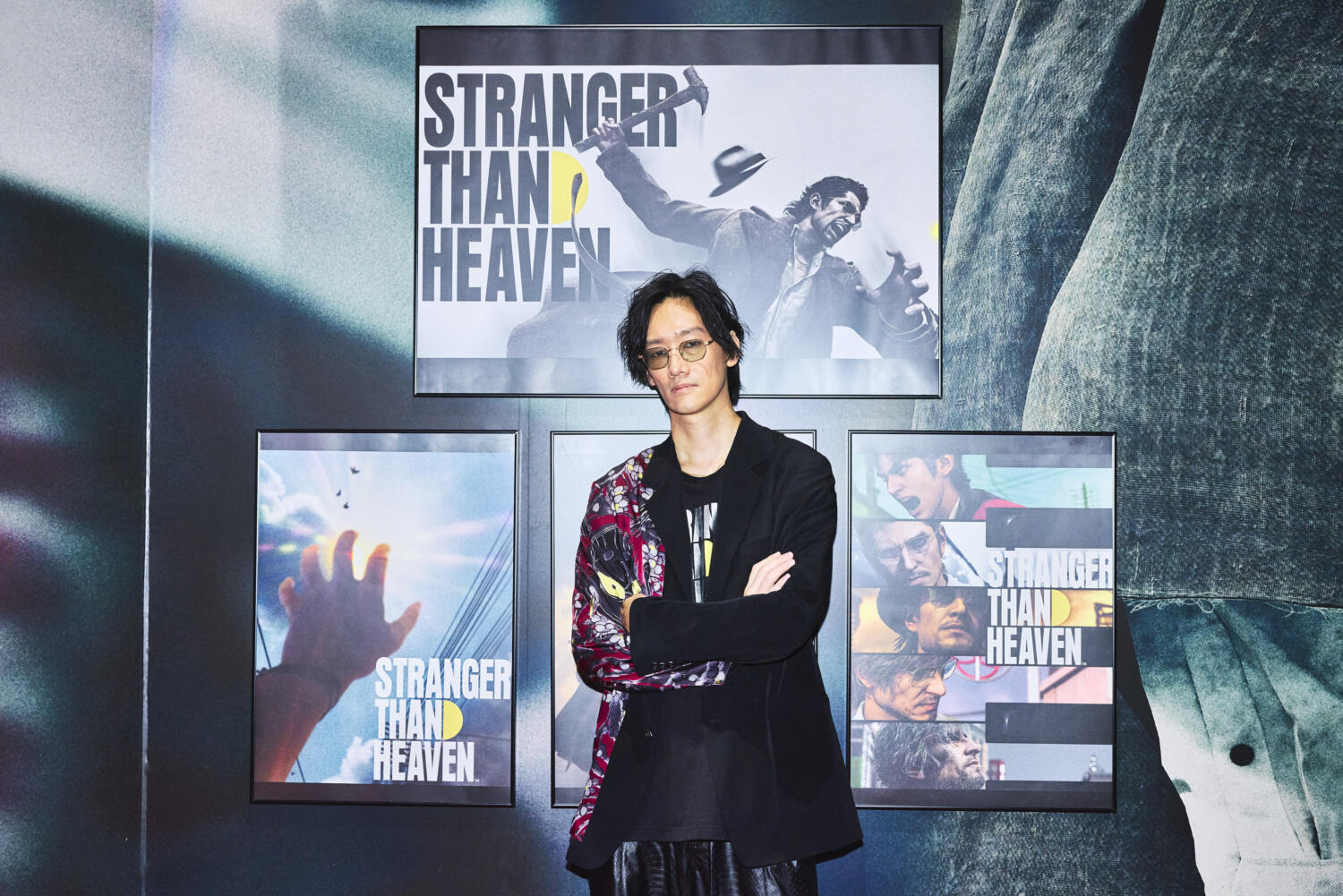
“It goes over what languages are and moves people without them having to know what’s being said. Music is a key part of him trying to be part of, or get himself known in the new place that is Japan,” expresses chief director Ryosuke Horii, adding that it helps Daito build his confidence and identity.
“He was coming from a very outside and out-of-this-comfort-zone environment, but music was this core thing that kept him accepted in Japan.”
The significance is further reinforced by stylistic user interface (UI) elements, such as a vinyl-shaped health bar (or more accurately, a circle), that represent the studio’s biggest creative leap to date. Built on the company’s proprietary Dragon Engine, Stranger Than Heaven boasts a more artsy, less photorealistic look inspired by Japanese artists of that time.
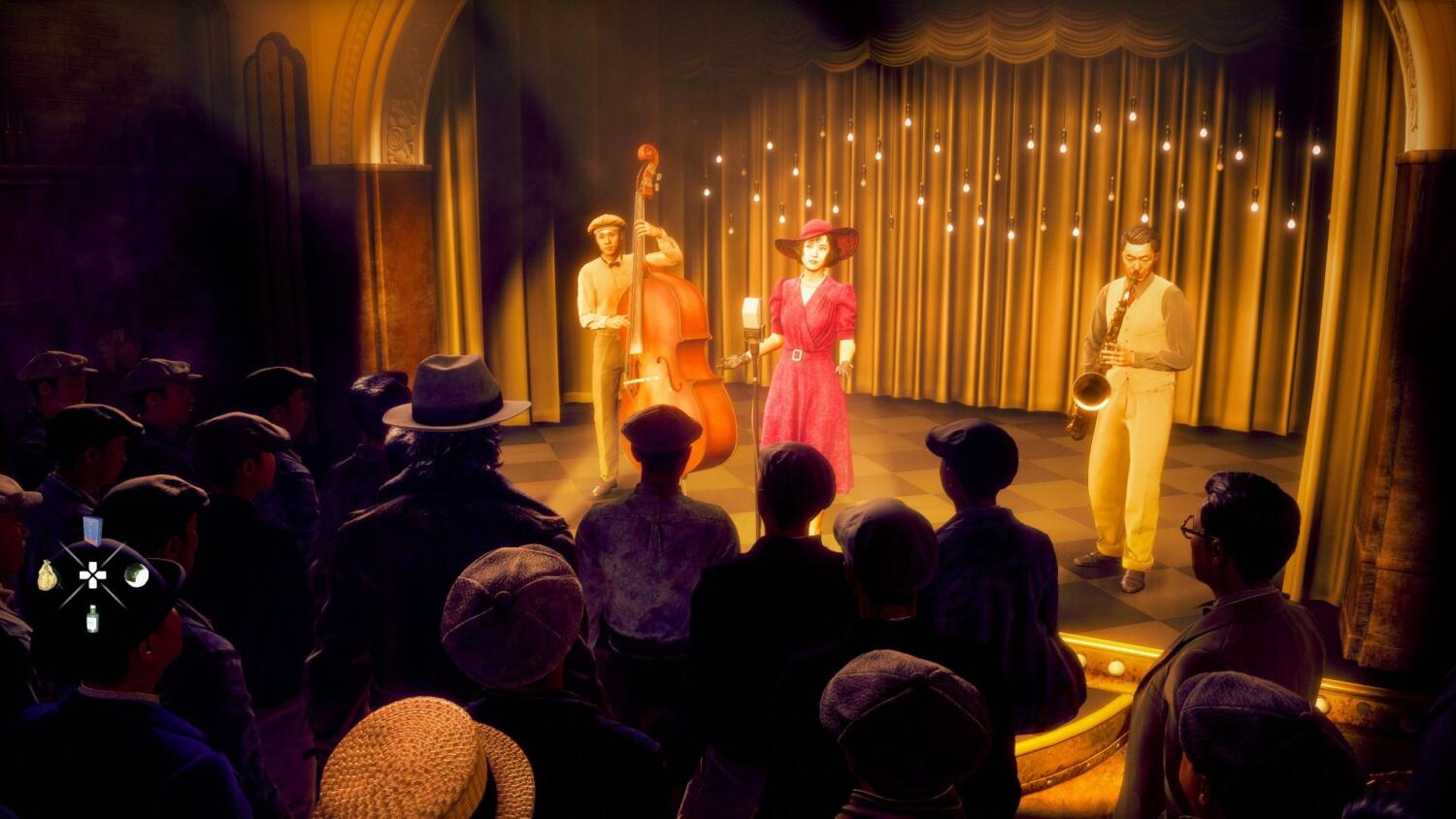
It goes all the way down to the nitty-gritty. Take, for instance, sunlight, which had a brighter glow in the past, while rain gave off a dim, damp aesthetic that made it difficult to see far ahead. Next was adapting era-accurate technology, such as vintage lenses, for a fresher presentation through the lens of living in 2026 – not just for combat, but in cutscenes, too. The biggest surprise, though, came from an internal bug encountered during development.
“There was a bug happening on the game screen, where [everything] was very bright greenish,” art director Taishi Kanaya recounts with a laugh. “[Masayoshi] Yokoyama-san (head of RGG Studios) was like, ‘Oh, that’s kind of mute, interesting, [and] cool. Maybe this is the inspiration you should be going for.’”
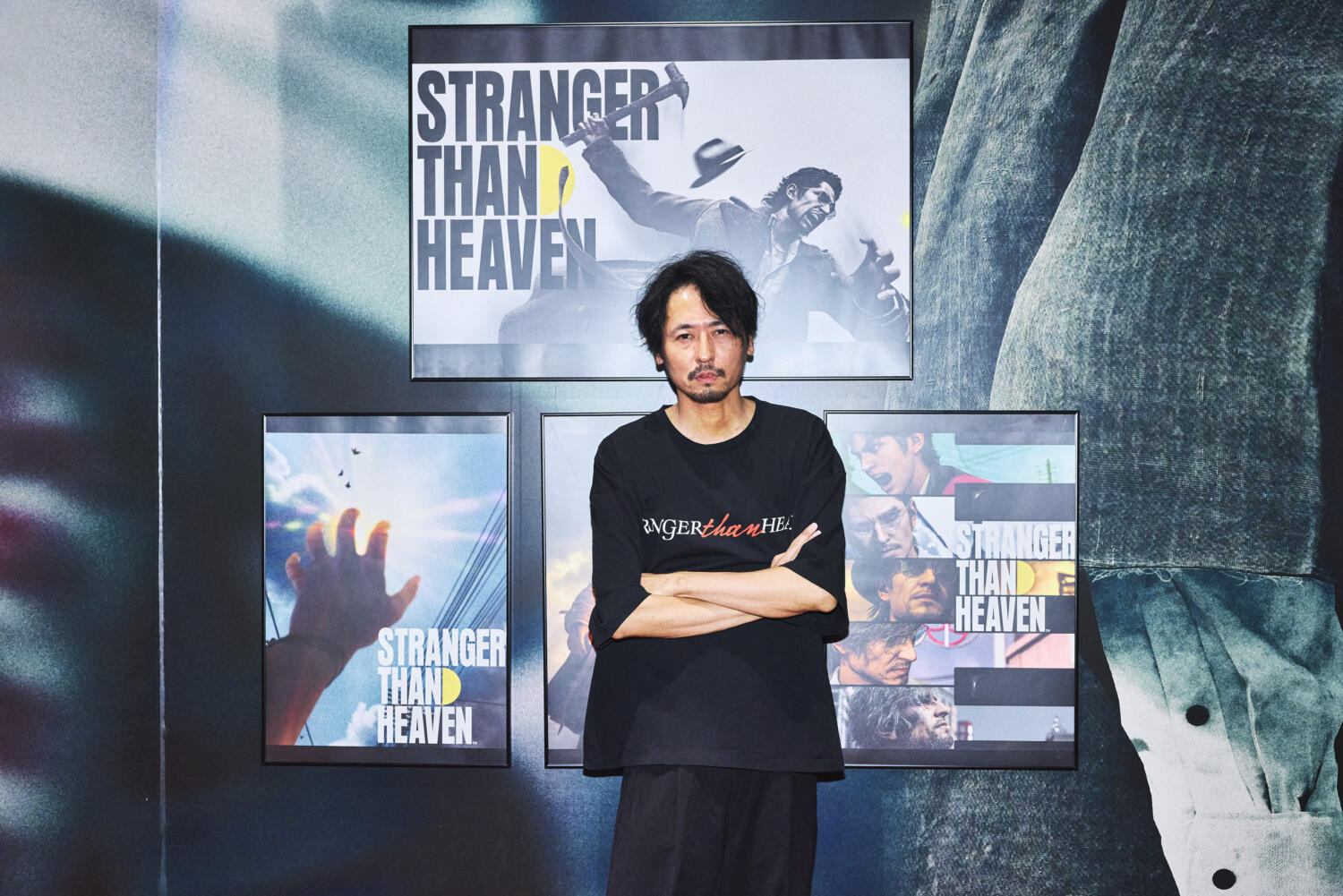
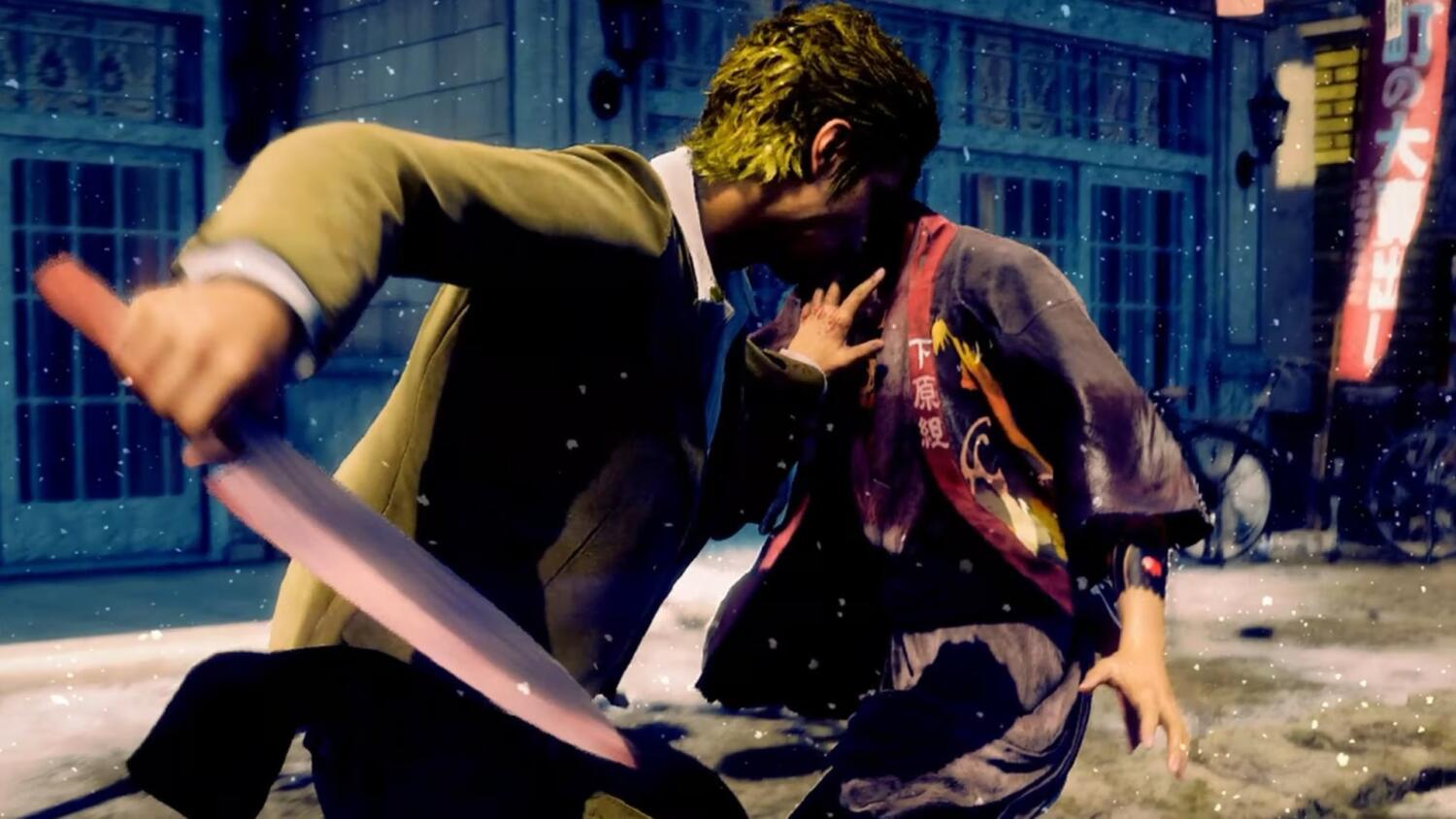
Speaking of fights, old Japanese cinema, namely ninkyo eiga – classic yakuza movies from the 1960s that portray honourable gangsters as chivalrous outlaws) – served as the main source of influence. While RGG Studios is no stranger to violence, Stranger Than Heaven packs a grittier, more visceral punch (pun intended) that establishes Daito as a desperate street brawler rather than a trained martial arts practitioner, so losing balance or throwing sluggish strikes are part of the experience.
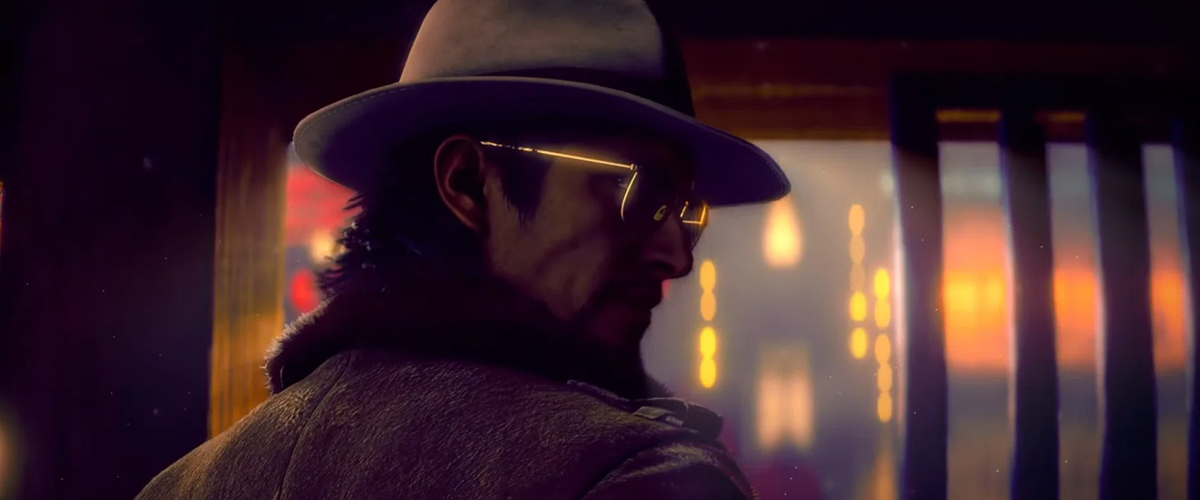
The same principle also applies to weapon impact. As Abe explains, having a knife cut into flesh will create a grotesque sensation that feels like it’s hitting the bone, instead of a superficial injury as with other titles, emphasising the killed-or-be-killed vibes in those films. Sakamoto cites another example: the first teaser, where Daito gets slashed across the neck, resulting in a copious amount of spilt blood (and personally brings to mind the famous blood-spouting malfunction in Akira Kurosawa’s Harakiri).
The latter elaborates, “We really put away the supernatural aspects compared to, say, the Yakuza franchise, [which is] kind of over-the-top. If something’s heavy in this game, it really feels heavy; if something looks like it’s going to hurt, it does sting, and when you’re using something to hit someone, there will be a realistic feel [to the hit] that makes it seem very brutal, grounded, and granular.”
Fortunately for Daito, not everyone is out for his blood. As much as Stranger Than Heaven explores discrimination and hardship, it’s a story of self-discovery, acceptance, and finding meaning in life. Two things can be true at once: while he feels like an outsider in Japan, it’s where new friendships and relationships emerge, sparking a sense of attachment, and the character’s 50-year journey will be rooted in this contrast.
“What is life? Life is a mixture of happiness, sadness, [and] struggle, but ultimately, it’s about finding your place and where you belong,” Horii muses. “It’s about [understanding] what sticks with you when you’re struggling a lot, and what’s still important after all of that.”
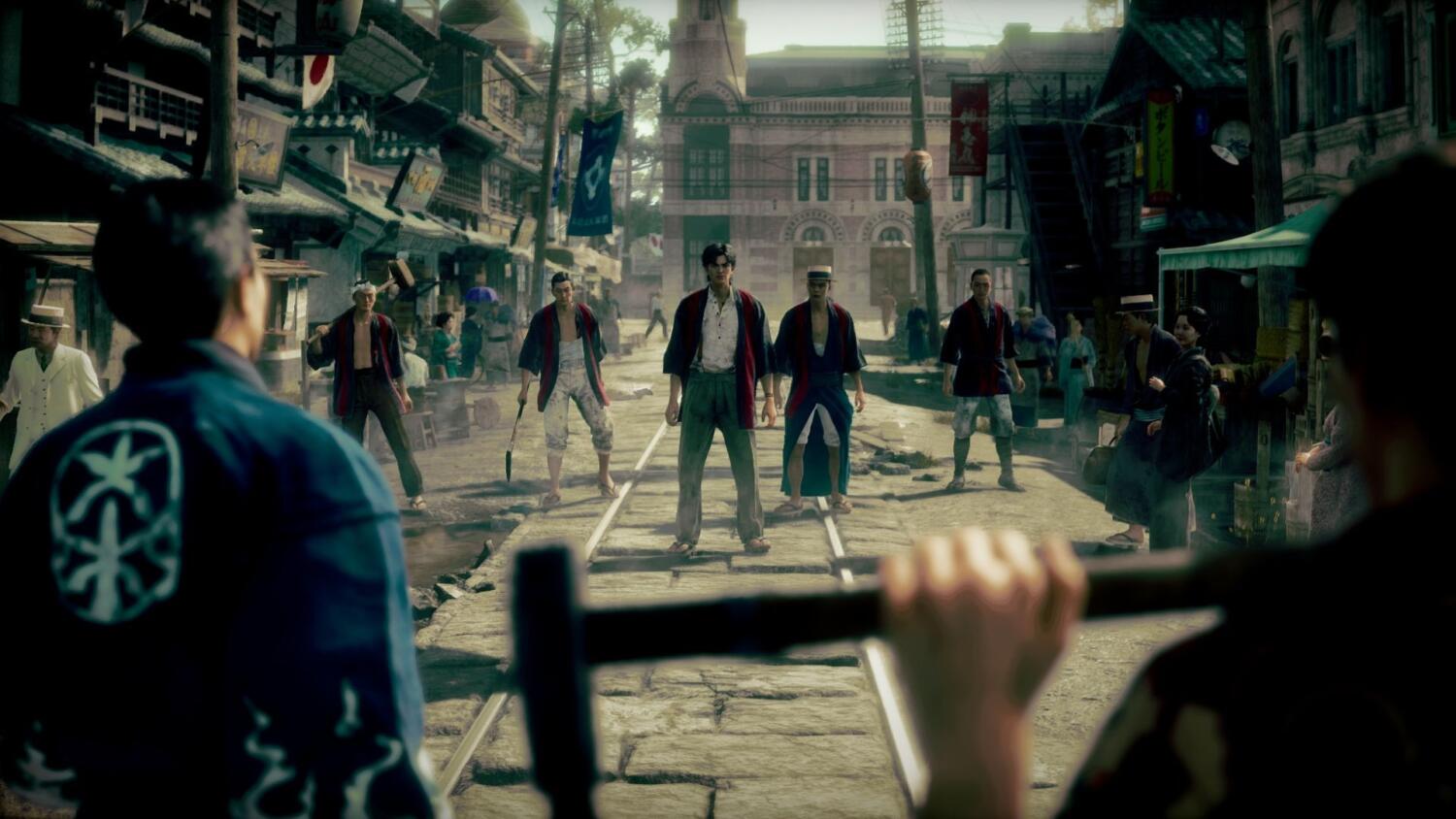
“There’s the part of seeing relationships and lifestyles that are completely different from Daito’s, [which] changes how he looks at and views life. It’s not just about all the struggles (Horii describes his life as an “emotional roller coaster”), but also seeing that different side that moves and matures him, in a sense,” Abe continues, adding how the very human experience of one’s place in the world “is going to be for everyone” – some more than others.
Stranger Than Heaven releases for PS5, Xbox Series X|S, and PC on 15 January 2027.
Si Jia is a casual geek at heart – or as casual as someone with Sephiroth’s theme on her Spotify playlist can get. A fan of movies, games, and Japanese culture, Si Jia’s greatest weakness is the Steam Summer Sale. Or any Steam sale, really.