This interview has been edited for clarity.
Having a single, consistent protagonist across a series cultivates a deeper emotional connection, but standalone titles offer a blank slate that erases the constraints of existing lore and established canon. Since its debut in 1998, Square Enix’s Dragon Quest Monsters spin-off series has featured a different main character each time, starting with Terry, who was introduced in Dragon Quest VI, followed by the first flip of the script – a pair of siblings, created specially for the second title.
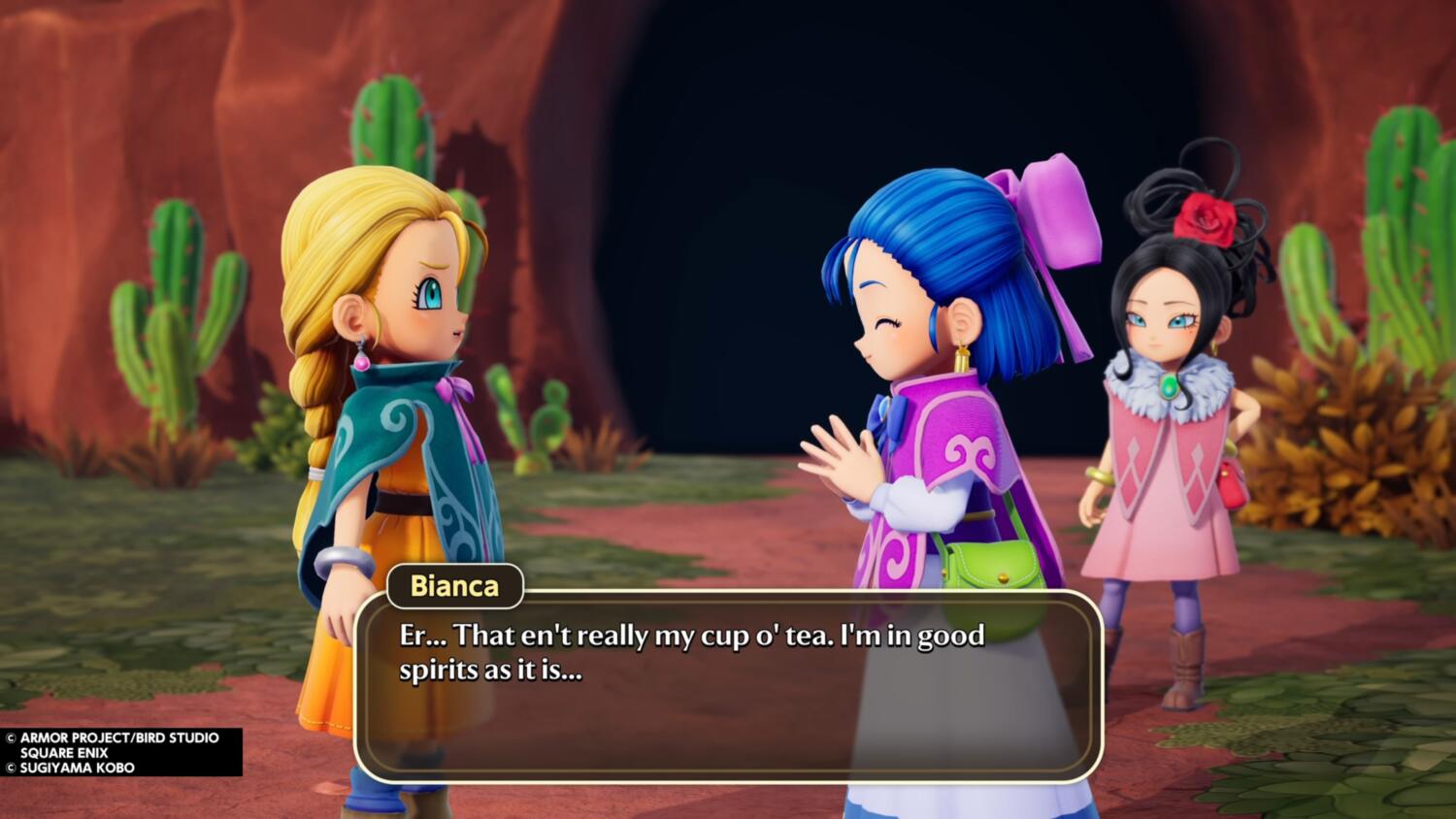
The second surprise came in the form of Dragon Quest VI antagonist Psaro, hardly the typical pick for a poster boy. Continuing this streak of firsts is Dragon Quest Monsters: The Withered World, which shifts the spotlight to the female pair of Bianca and Nera from Dragon Quest V. In a way, it serves as a callback to its roots, with the monster-collecting offshoot originating from the 1992 title.
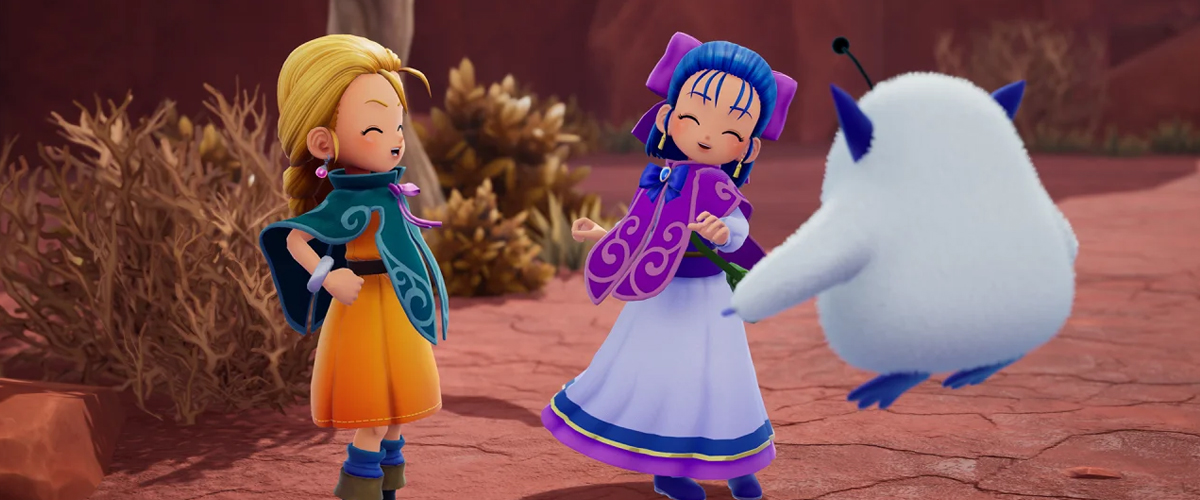
Unlike its mainline counterpart, however, the Hero isn’t part of this undertaking, giving the heroines a chance to shine. Set in the kingdom of Witherwood, the upcoming instalment takes them on a search for the fabled Leaves of Life that will supposedly cure their sick fathers, only to discover that malevolent forces have destroyed them.
“Dragon Quest V is all about who the main character, the Hero, will end up with, but here, we’ve taken the Hero out of the equation, so it’s really about Bianca and Nera, and watching them grow up and [embark on] adventures as kids,” shares producer Takumi Shiraishi in an interview with Southeast Asian media.
It also opens up an interesting exploration of character dynamics. As old-timers would know, there’s a distinct contrast between the two personalities – Bianca is the spirited and adventurous foil to her more demure, gentle blue-haired partner – and players can assume either role, or change between them on the fly after a certain point in the game.
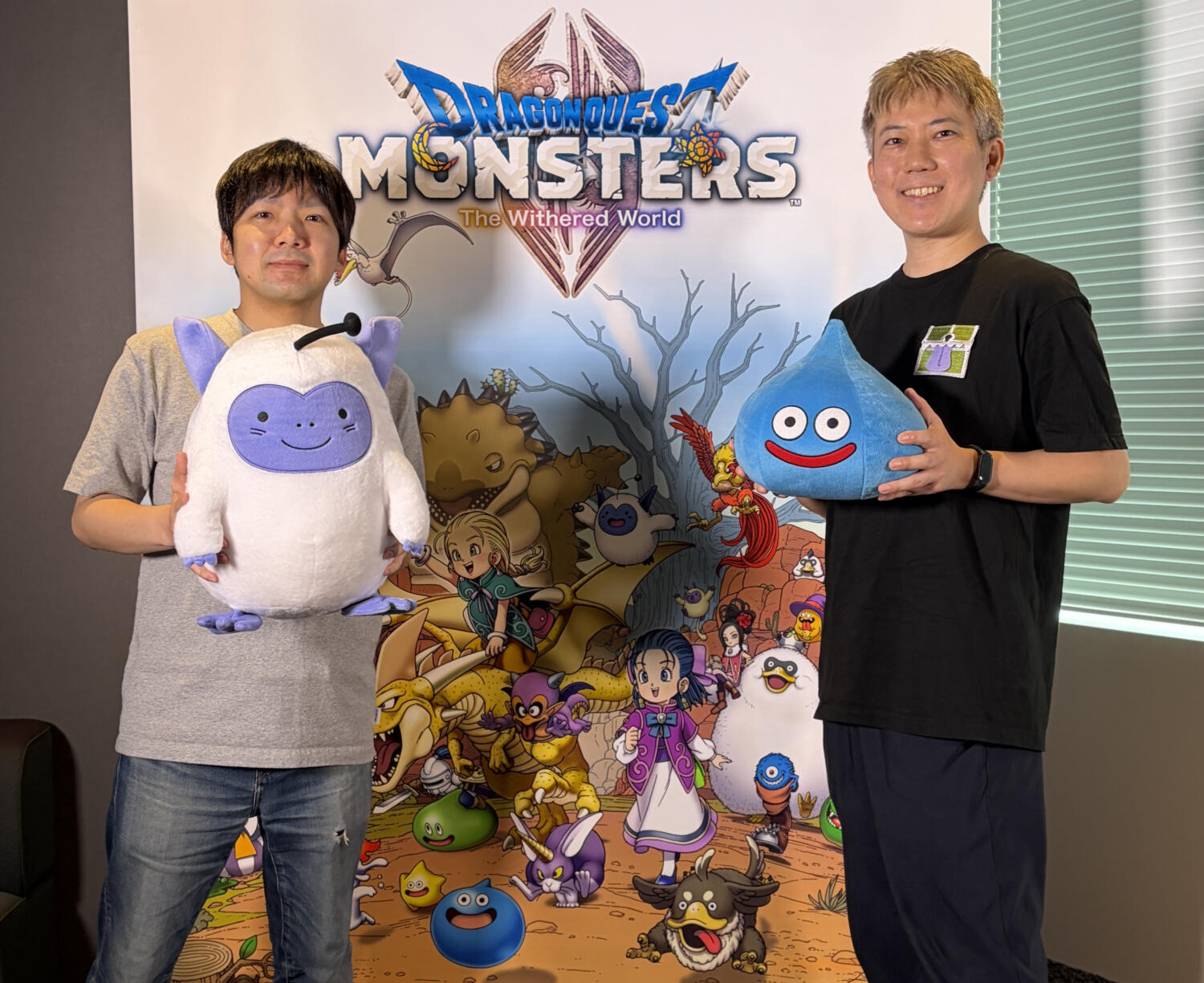
These traits translate deftly to their individual gameplay designs as well, each bringing a different flavour to the experience. Bianca, the chosen one for a separate one-hour preview held at Square Enix’s Shibuya office in Tokyo, leans into an offensive play style and boasts attack buffs, enemy debuffs, and full-party healing among her battle perks. Meanwhile, Nera’s kit is tailored for party support, spanning ally resurrection, status cleansing, and defensive abilities.
The idea, creative producer Kento Yokota reveals, came to bloom from franchise creator Yuji Horii himself, who suggested crafting an adventure around the duo’s child versions to complement the design of an early mock-up.
“Everything was scaled in a way that made it very cute, very adorable,” he recounts. “The protagonists and the environment matched so seamlessly, so it was a perfect fit.”
More than 10 years after their last outing, the duo looks better than ever before. The graphical revamp immediately stood out, starting with the stylised 3D cel-shaded look that replaces the original pixel-art aesthetic and the 2D/3D hybrid stylings of its 2009 Nintendo DS remake. Shadows and lighting now have more depth, while finer details in a character model, such as facial expressions, are better conveyed. The interior of Witherwood Castle, where Debora – Nera’s willful sister and part of the Dragon Quest V party – makes her first appearance, gets a colourful, brighter makeover, too, but outdoor environments bring the biggest change in scenery.
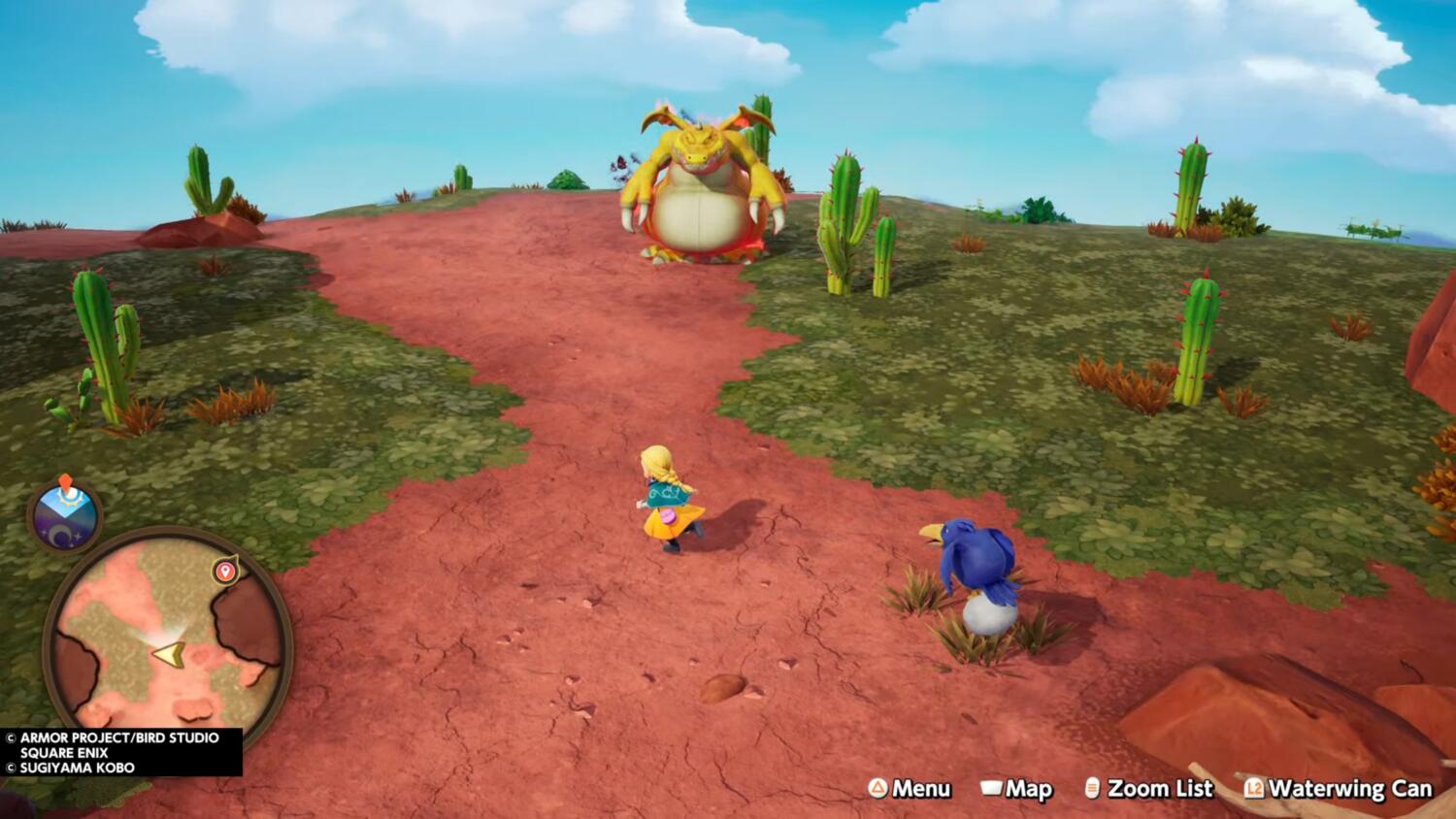
Navigating a rocky terrain in Story Mode, which covers the first world to the Shrine of Serenity in the hands-on session, gave off an undulating effect that adds dimensionality to the map. This whimsical charm is an evolution of its previous aesthetic identity, topped off with extra flair, as Yokota describes:
“It’s certainly cuter, in a word. It’s clearly part of the same Dragon Quest Monsters series, but just made in a different style.”
To strengthen the thematic cohesion, Dragon Quest Monsters: The Withered World features new gameplay elements that tie into both the visuals and narrative. Watering withered areas with the Waterwing Can, for instance, restores them into bonus-granting Lifebuds and revives Roots of Creation, allowing players to fast travel, replenish HP and MP, or access the Monster Depot, the storage facility for excess recruited critters introduced in the previous game.
The mechanic is the first of familiar retreading. The core loop remains unchanged, around befriending monsters, raising them, and pitting them against other creatures or wranglers. Like before, battles are turn-based, and players can use items, select a tactic, or issue specific orders to their party of critters, who will do the fighting. Victory earns experience points, and levelling up unlocks more spells and skills that grow progressively stronger in tiers.
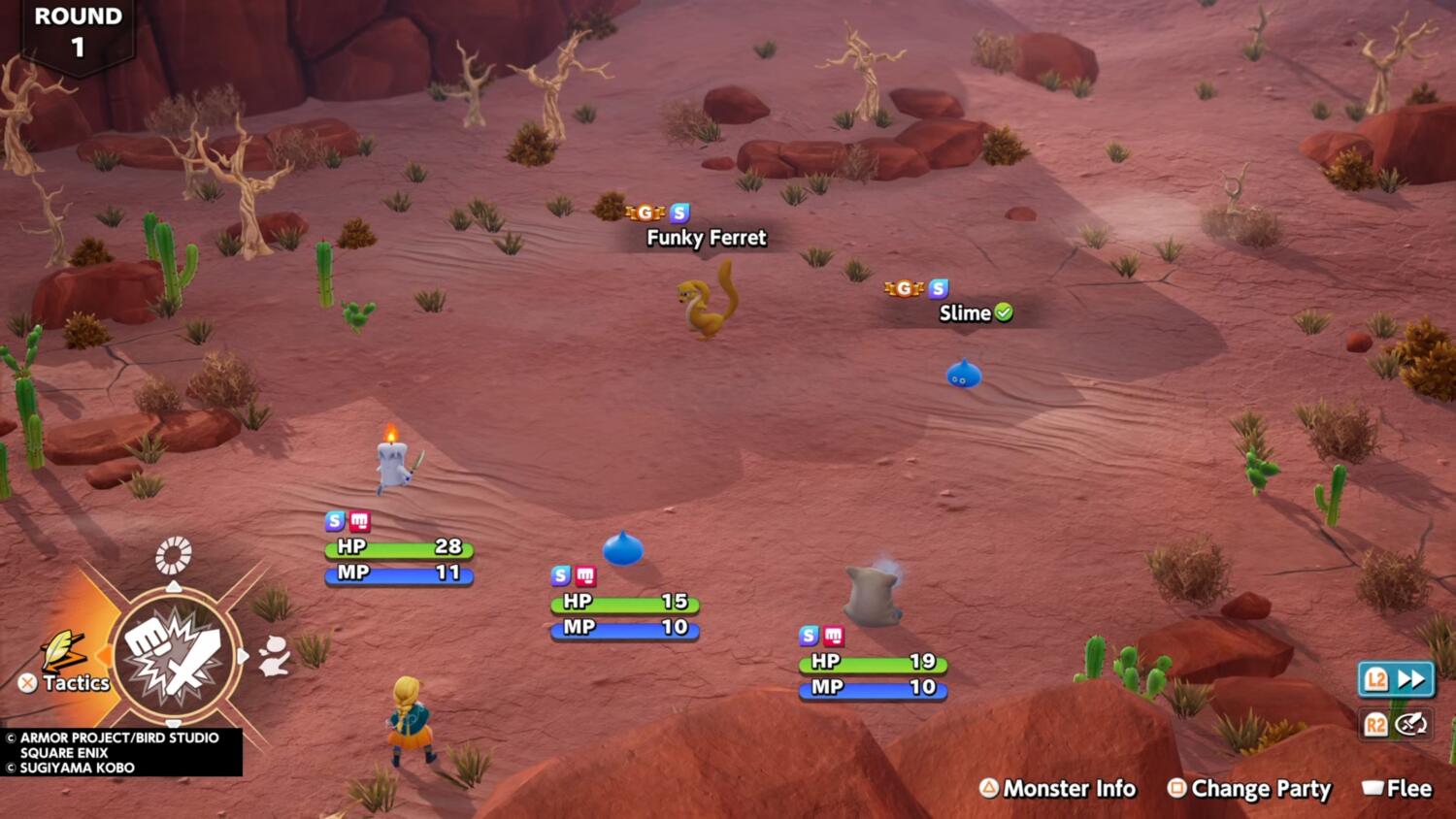
Alternatively, scouting works by selecting Show of Force from the command menu, which then displays the success rate as a percentage. Feeding treats to the target or using certain skills increases the odds of capture, while failure may anger them and disable the function for the rest of that encounter. It’s a comforting routine for veterans and straightforward enough for newcomers, who can change the pace through the fast-forward and speed-up options.
Powerful, high-tier foes return with the same yellow glow, too, with the secondary party taking over when the main party is defeated. This time, however, felled members are represented by a coffin, a fun little nod to the mainline Dragon Quest titles; in the preview, Bianca spawned in a place called Boughborough after both parties were decimated, losing half the gold coins in the process (note to self – some shiny things are best left alone).
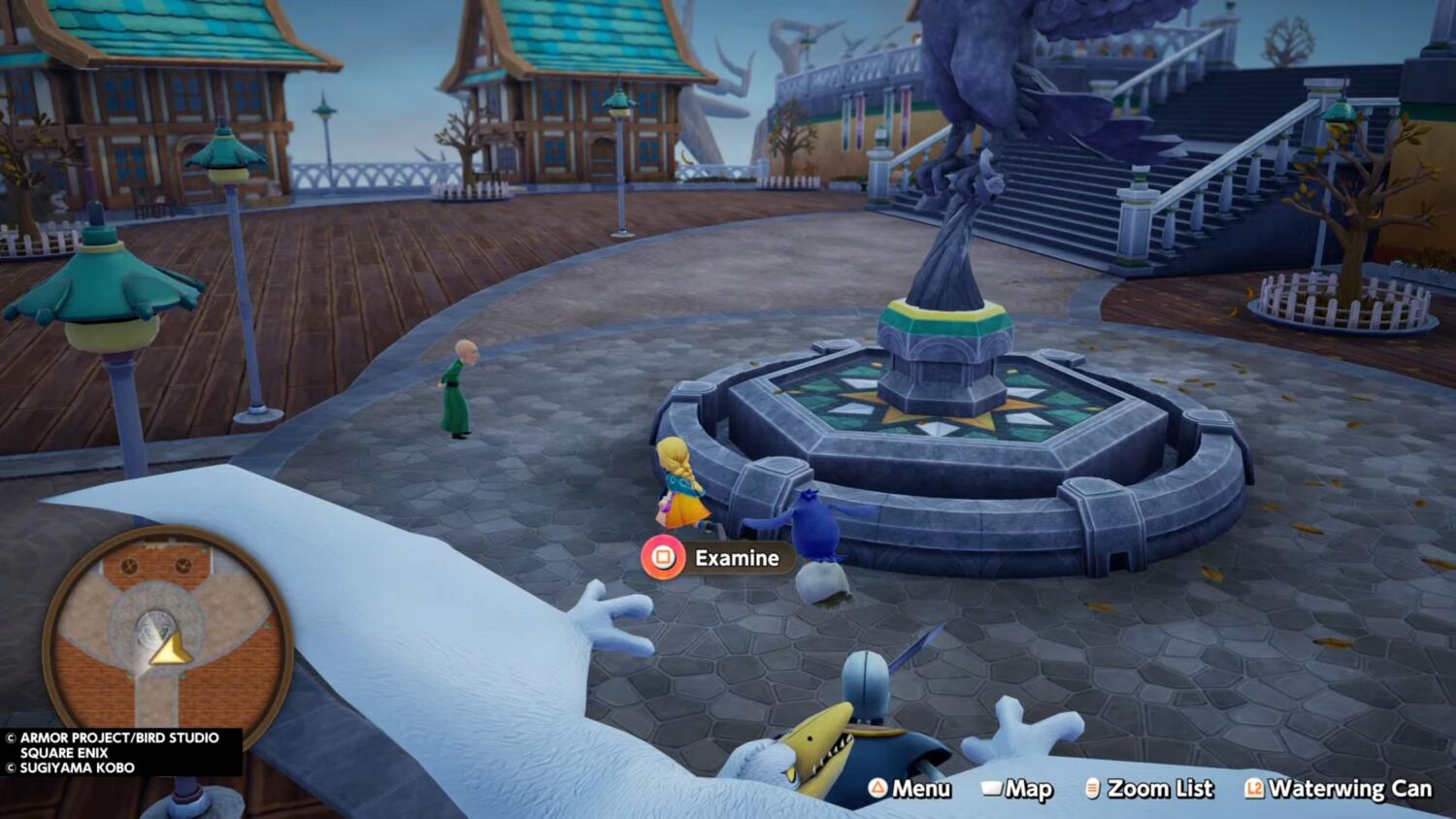
New to Dragon Quest Monsters: The Withered World is Wrangler’s Spirit. Once per battle, a mysterious power possessed only by monster wranglers may flare to life, blessing allies with buffs or hindering foes. Alongside a rush of satisfaction, the mechanic allows players to turn the tide of battle, rewarding well-timed execution. The other twist on tradition is a follower system, where up to five monsters can trail behind the player.
It’s a first for the franchise and a long fantasy in the making. “This concept of making friends with monsters and having them join you on an adventure is something we really wanted to realise in 3D fully,” expresses Yokota. “It feels like, finally, we were able to make that dream happen beyond just sprites and real 3D animation.”
Shiraishi tacks on, “[This game] will bring this bond you share with monsters to a new level.”
The sense of fulfilment is certainly well-earned, because numerous hurdles paved the road to the finish line. Looking back with fond exasperation, the duo share anecdotes of the “chaos”, in the latter’s words, that went down during development, including having bigger monsters stuck on the stairs or hiding behind the character, and the need to rebalance their size for player visibility. Good news for those who aren’t exactly a fan of the feature – there’s an option to toggle it on and off.
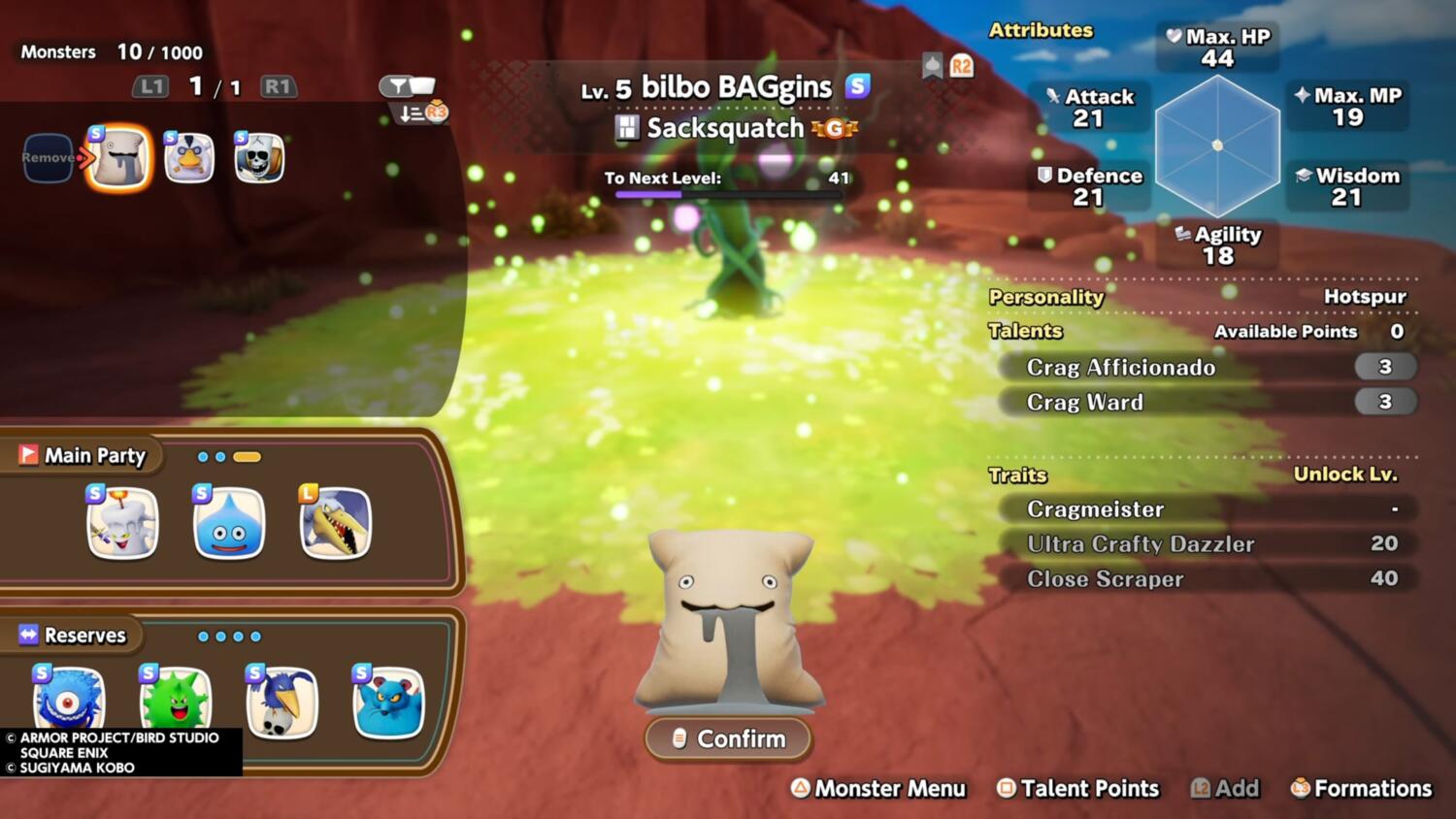
With a bestiary of over 500 species, this attention to detail is all the more important. It goes without saying that classic fan favourites like the Slime will return, joined by all-new creations that align with the sensibilities of late Dragon Ball creator Akira Toriyama, who contributed monster designs for a majority of the series. Before embarking on the journey, players are assigned a starter companion by the ever-adorable Fizzy based on their answers in a mini-quiz, landing on Wax Murderer for this preview.
Of course, every monster has its own stats, talents, traits, and personalities, and the list will only expand with the franchise’s signature Synthesis Mode. Combining two parent monsters breeds a new child monster, with sparkly icons indicating those of a higher rank than their parents. After the process is complete, three talents can be inherited from the parent monster, allowing for experimentation and discovery in unpredictable trajectories.
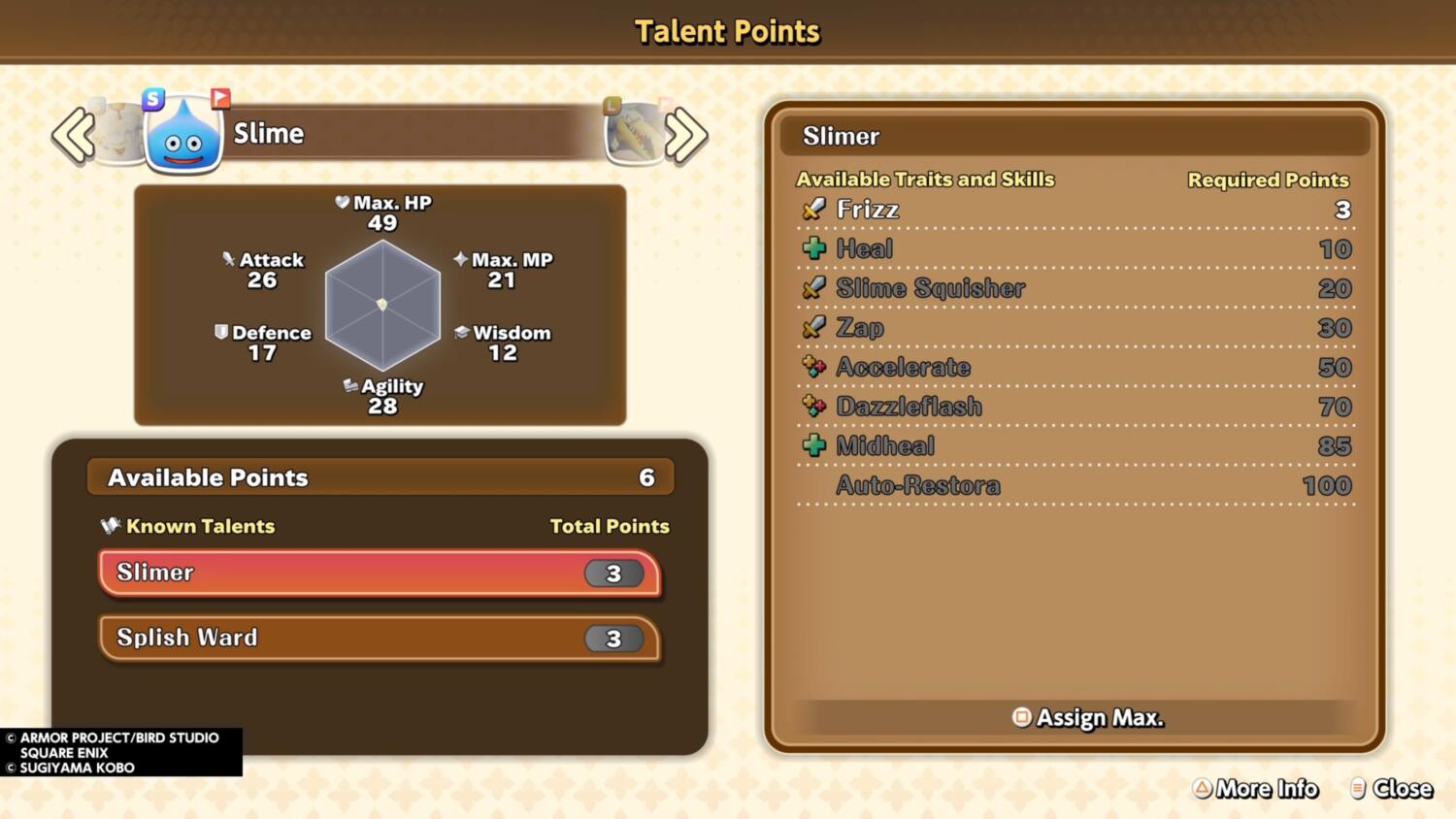
Brief as it was, the 15-minute demo offered a good idea of the sheer possibilities. Navigating the menu elements proved easier than expected for a first-timer, and it took no time before the Bullfinch, the offspring of a Bantamweight and a Platypup, was added to the roster. This sense of novelty and curiosity may be expected of newcomers, but the team is confident that veterans will find surprises even within the standard synthesising routes.
“One thing we really wanted to ensure for players was the excitement and surprise of synthesising monsters together and seeing what comes out of it,” stresses Yokota, listing the “adorable” visuals that appear during Synthesis as one such example.
Where some prefer to collect and raise monsters, others are more interested in battling. Team composition has always been integral to the Dragon Quest Monsters experience, and The Withered World is no exception, retaining the same focus on elemental weaknesses and fielding the right mix of party members. In this vein of consistency, two other points have remained unchanged over the years – that every monster is someone’s favourite (Yokota and Shiraishi’s are Fizzy and Over-Killing Machine, respectively), and that these critters are, and continue to be, the heart of the series.
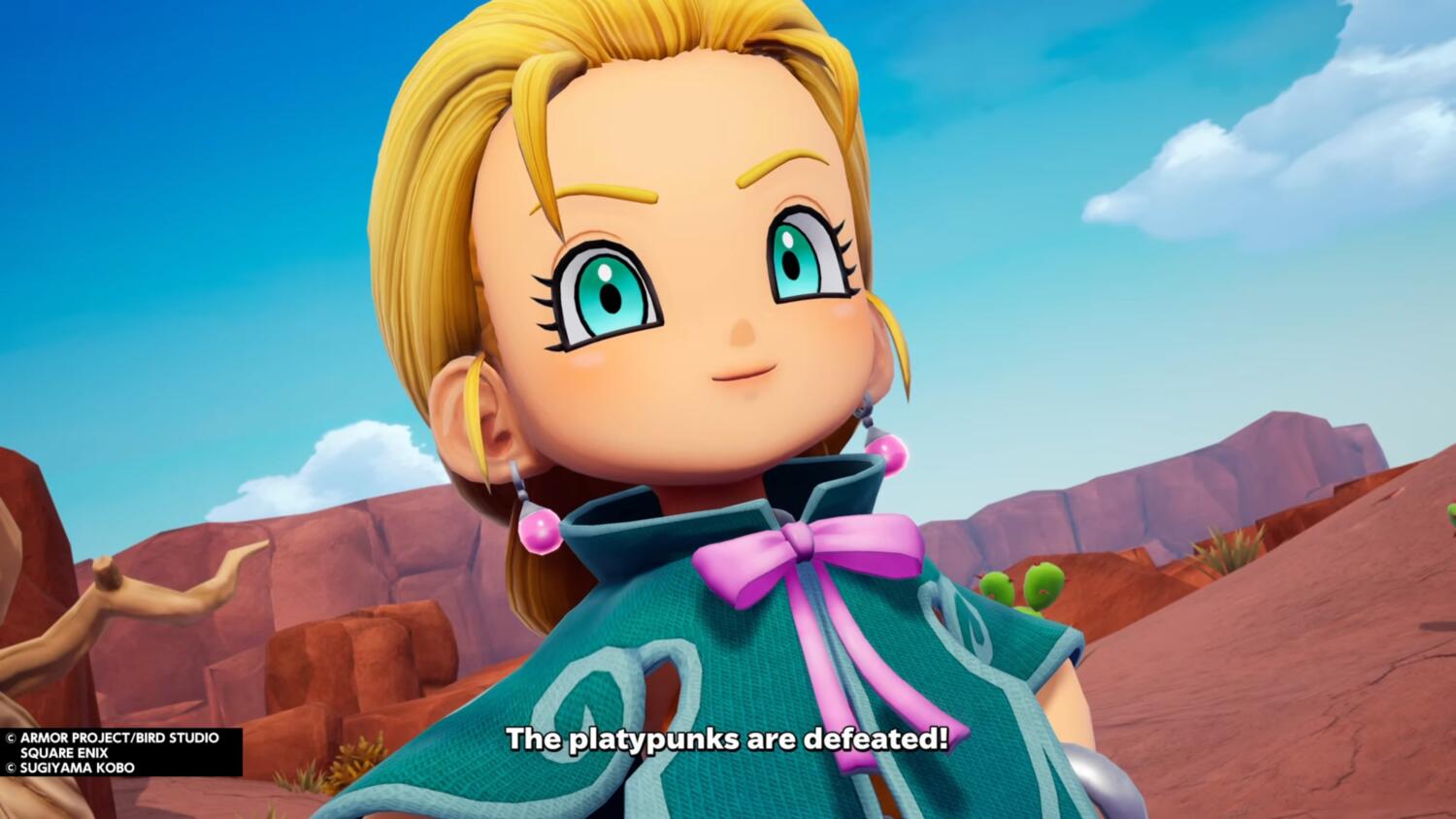
As Yokota puts it, “Who we decide to make the hero in the games affects the impression of the title as a whole, but at the end of the day, the battles unfold with the monsters, so the main heroes take a bit of a backseat.”
Dragon Quest Monsters: The Withered World releases on 3 December for Nintendo Switch, Switch 2, PS5, Xbox Series X|S, and PC.
Si Jia is a casual geek at heart – or as casual as someone with Sephiroth’s theme on her Spotify playlist can get. A fan of movies, games, and Japanese culture, Si Jia’s greatest weakness is the Steam Summer Sale. Or any Steam sale, really.
 Kevin Low