This interview has been edited for clarity.
Japanese manga and anime might be a cultural phenomenon across Asia, but never underestimate its global impact beyond the pages or the screen. Take Yōichi Takahashi’s 1981 manga series Captain Tsubasa, which not only drew readers in thanks to its unique action-focused take on the sport, but was also instrumental in popularising association football, aka soccer, in the region and beyond, with numerous prominent footballers like Japan’s Hidetoshi Nakata, Spain’s Fernando Torres, and Argentina’s Lionel Messi tracing their love of the sport to the classic manga.
It’s no wonder that the manga has left a long-running legacy, as apart from its 37 volumes from 1981 to 1988, it has also grown with multiple continuations like 1994’s Captain Tsubasa: World Youth and 2009’s Captain Tsubasa: Kaigai Gekitō-hen, four anime series, and multiple video game adaptations, the most notable of which is 2020’s Captain Tsubasa: Rise of New Champions.
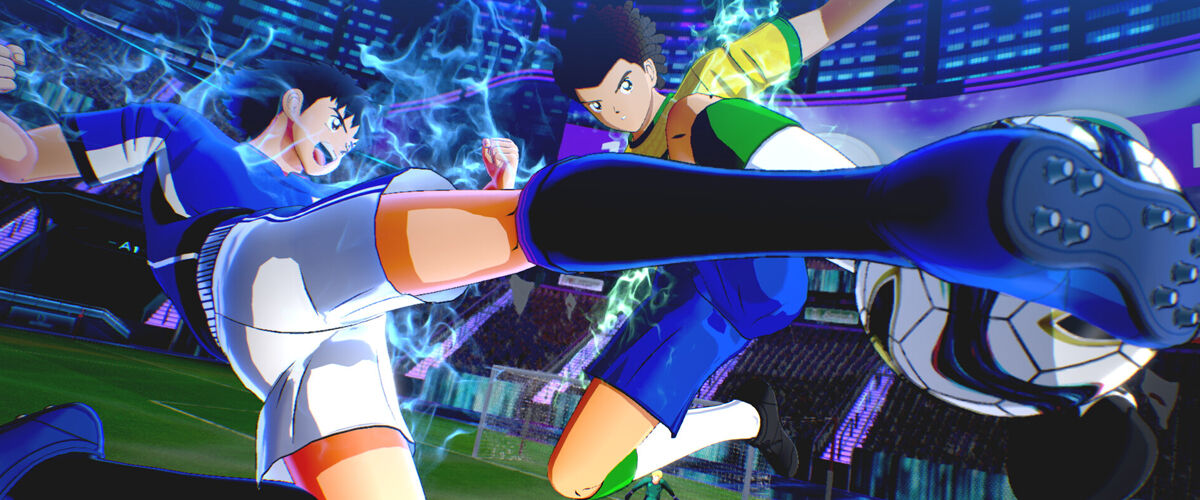
Combining traditional football game systems with a distinct anime style and more arcade-like controls, the 2020 game successfully brought the anime’s action to life, while also offering an apt starting point for gamers interested in the franchise and the actual sport. Still, it wasn’t without its flaws, with critism targetted at its control scheme and design choices.
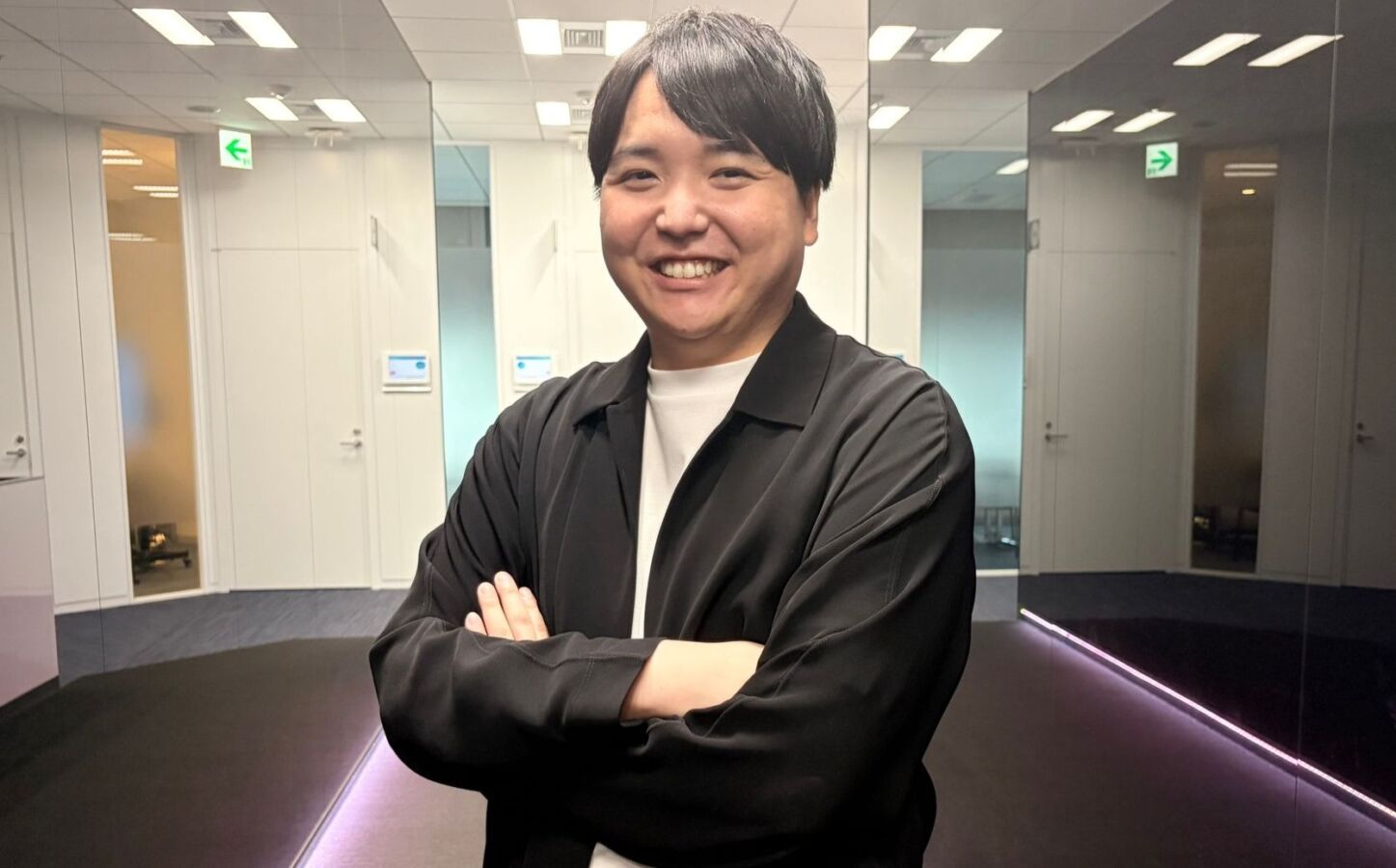
These criticisms weren’t left unheard and is something developer Tamsoft has worked to address for its sequel, Captain Tsubasa 2: World Fighters, as explained by the game’s main producer Soya Mikumo during an interview with Geek Culture and other members of Southeast Asian media.
One of the main complaints of the 2020 title was its complex controls, and although players could pull off all types of flashy power moves to score goals or wrestle the ball from an opposing team, performing these actions required players to press a combination of buttons at once, with many feeling that this wasn’t the most intuitive.
“After the release of Captain Tsubasa: Rise of New Champions, we closely checked the response from the players and then how we could improve the user experience,” explains Mikumo. “Among all the feedback from them, many comments were about the difficulty of controlling the characters.”
“While we still kept the acrobatic plays and super moves from the previous game, we have renewed its controllability by eliminating the need to press multiple buttons simultaneously, so players can concentrate on pulling off actions with just one button.”
With this small but meaningful change, Mikumo adds that the team has now incorporated systems seen in more action-focused games, such as relying on a player’s reaction speed instead of making them memorise complicated button combinations.
Mikumo’s comments were reflected during a two-hour-long gameplay preview session, where we managed to get a feel for Captain Tsubasa 2: World Fighters’ updated control scheme. True to his word, the game was much easier to pick up and play, as players can now perform all its dribbles, tackles, and super moves with just one button, with moves like countering an opponent’s tackle now operating based on timing and stamina management.
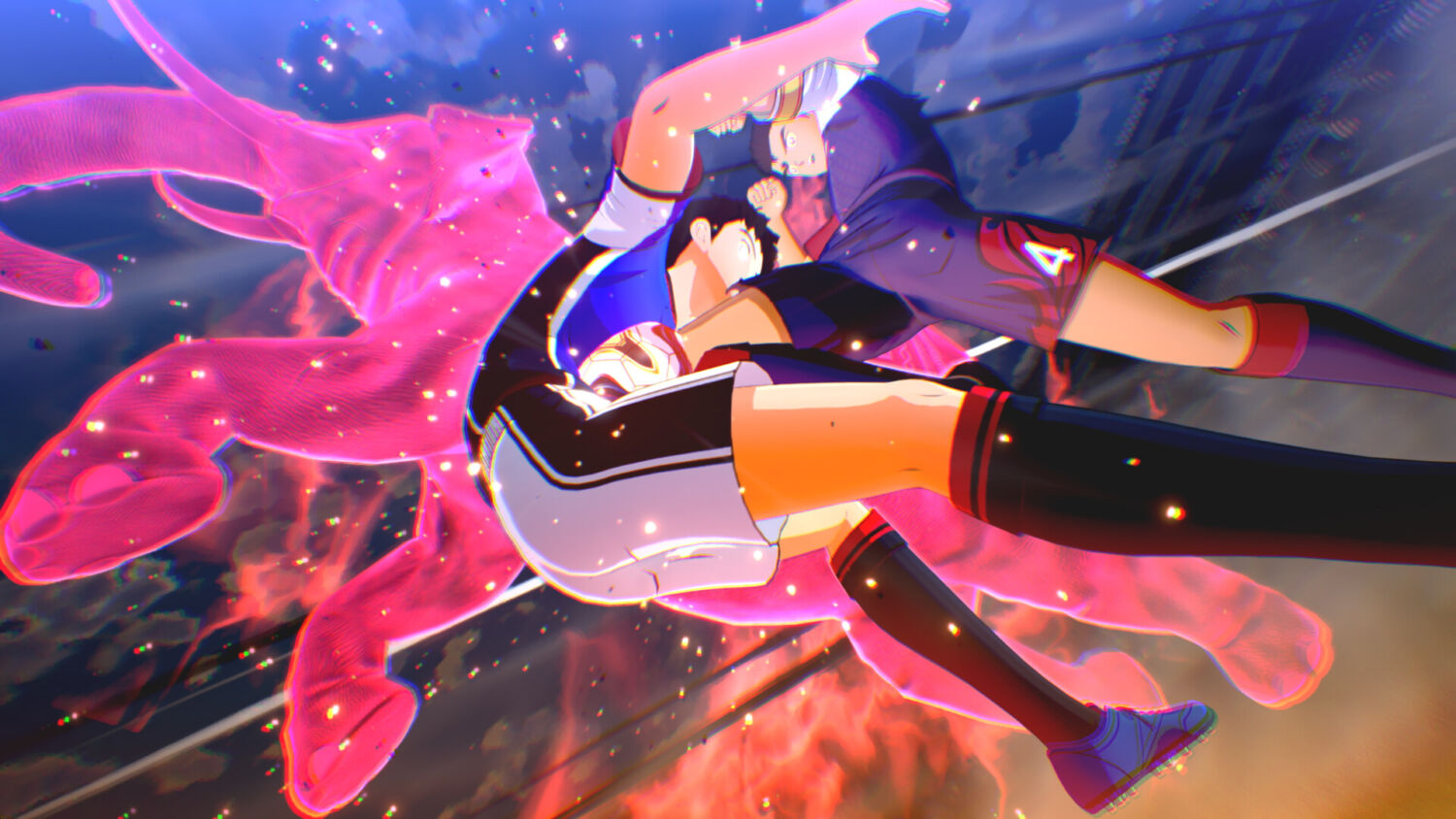
General controls weren’t the only aspect of the sequel that the team had addressed, as it also introduced systems like combo chaining and Goalkeeper Tactics to improve the flow of the match, allowing players a chance to score fast depending on how well they play instead of a more drawn-out back-and-forth.
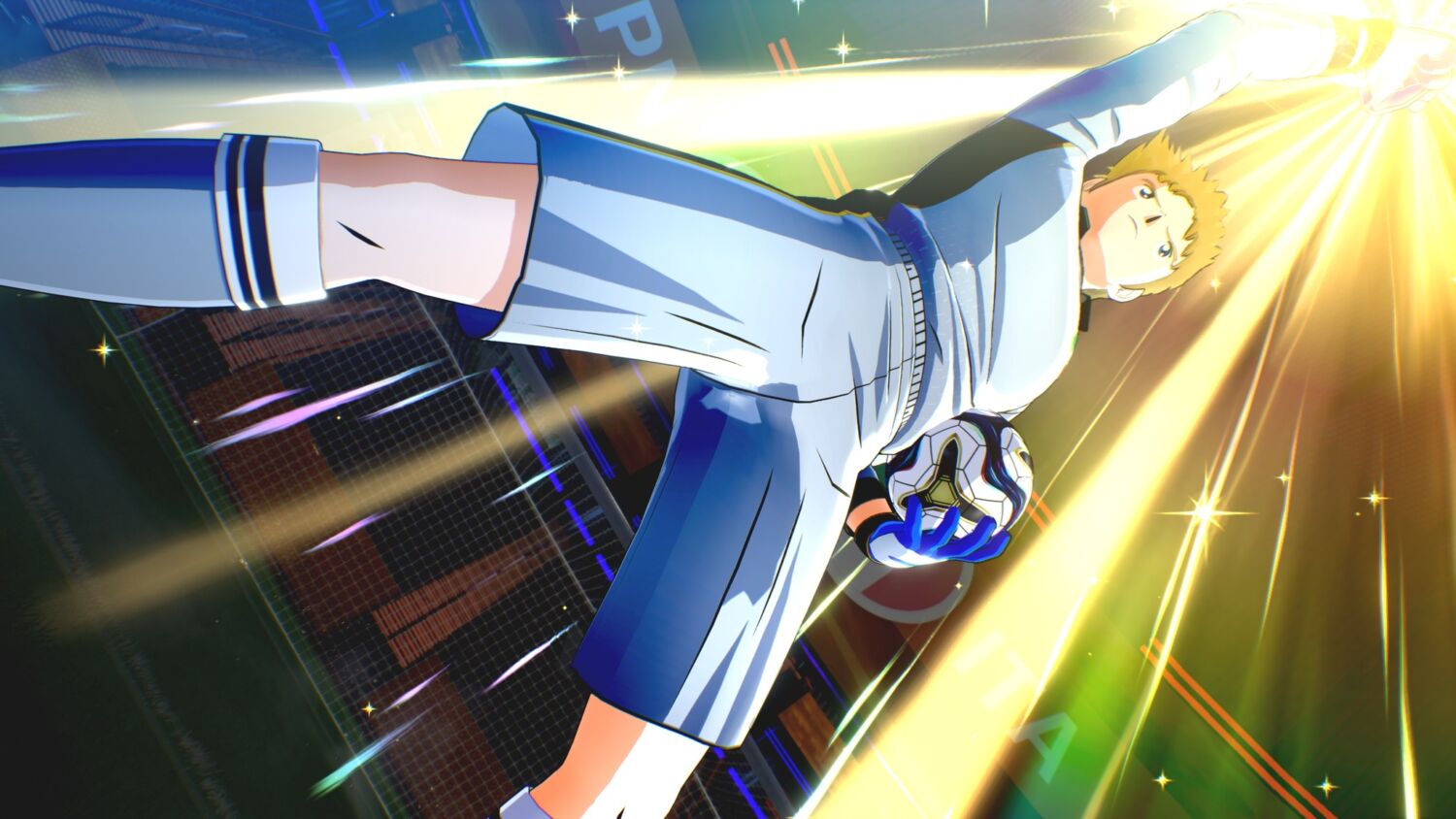
“In the previous game, as long as goalkeepers still had HP, it was very difficult to score, so we had to think about how to change the system,” adds Mikumo. “For this game, we wanted to allow players to control where they shoot in the goal, so now we have introduced perfect saving or bad saving to increase the excitement of matches.”
“We also added the chain system where players can improve their chances to score by performing multiple moves in a row, so with all these put together, the game becomes more exciting, especially during its later half, as both teams unleash their super moves and make things much more unpredictable down to the last minute.”
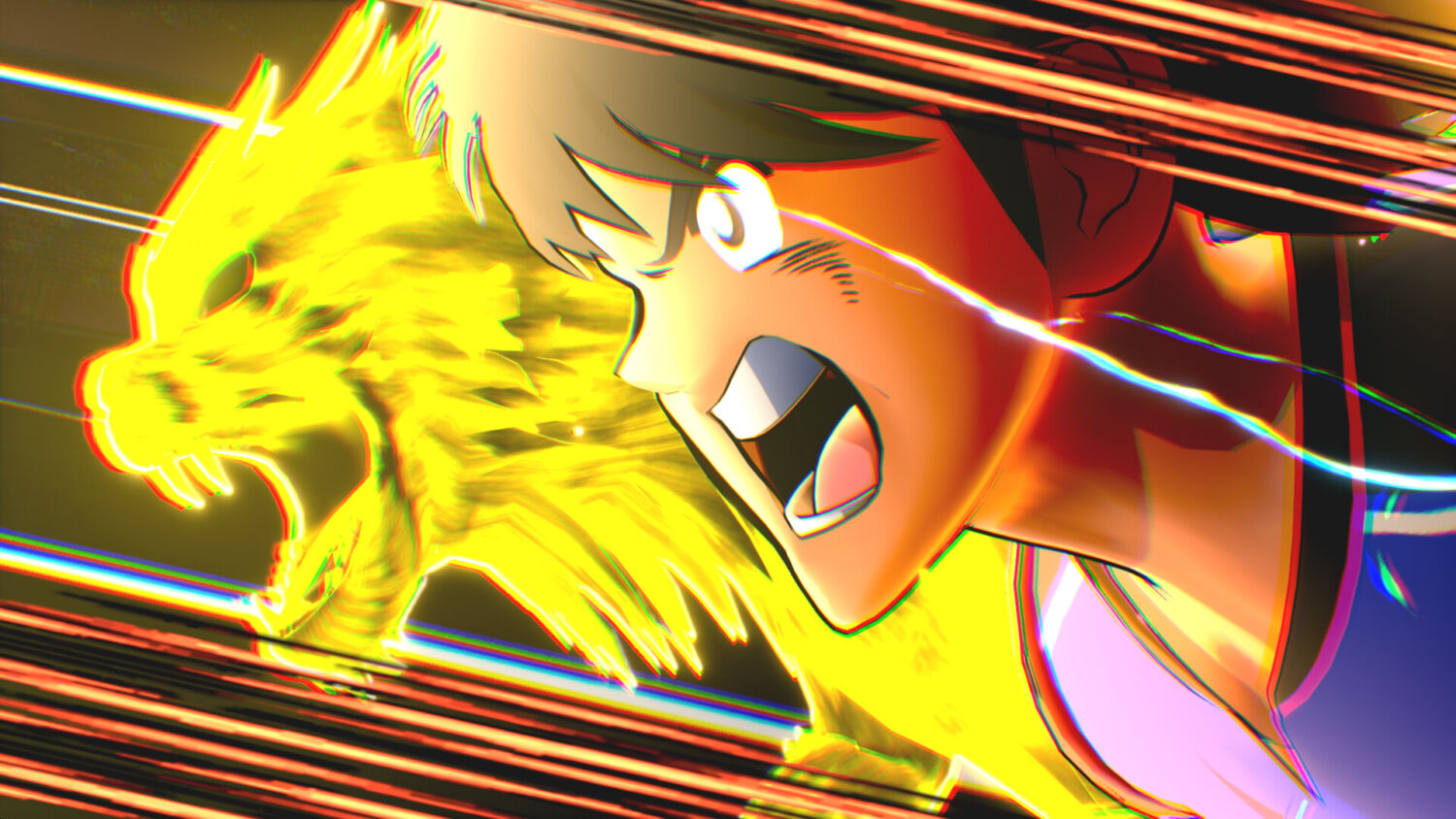
While Captain Tsubasa 2: World Fighters implements numerous tweaks to its formula to improve the player experience, it also introduces new features like additional playable teams, with 22 countries and over 110 playable characters now joining the fray. As every player has their own signature move, and each team has their own special ability, balance becomes a question, and according to Mikumo, this is also something that the team has worked on to ensure a level playing field.
“Although we understand that it is very difficult to balance all the different teams, each team’s unique feature or characteristic means that they all have different playing styles,” he adds. “We tried to balance them out based on this to ensure that no matter which team you choose, you will still be able to win if you understand how each team’s playstyle works.”
Understandably, much effort has been put into improving Captain Tsubasa 2: World Fighters’ gameplay, as that’s the main focus of games in the sports genre after all, but the team has not forgotten to give some love to its narrative too.
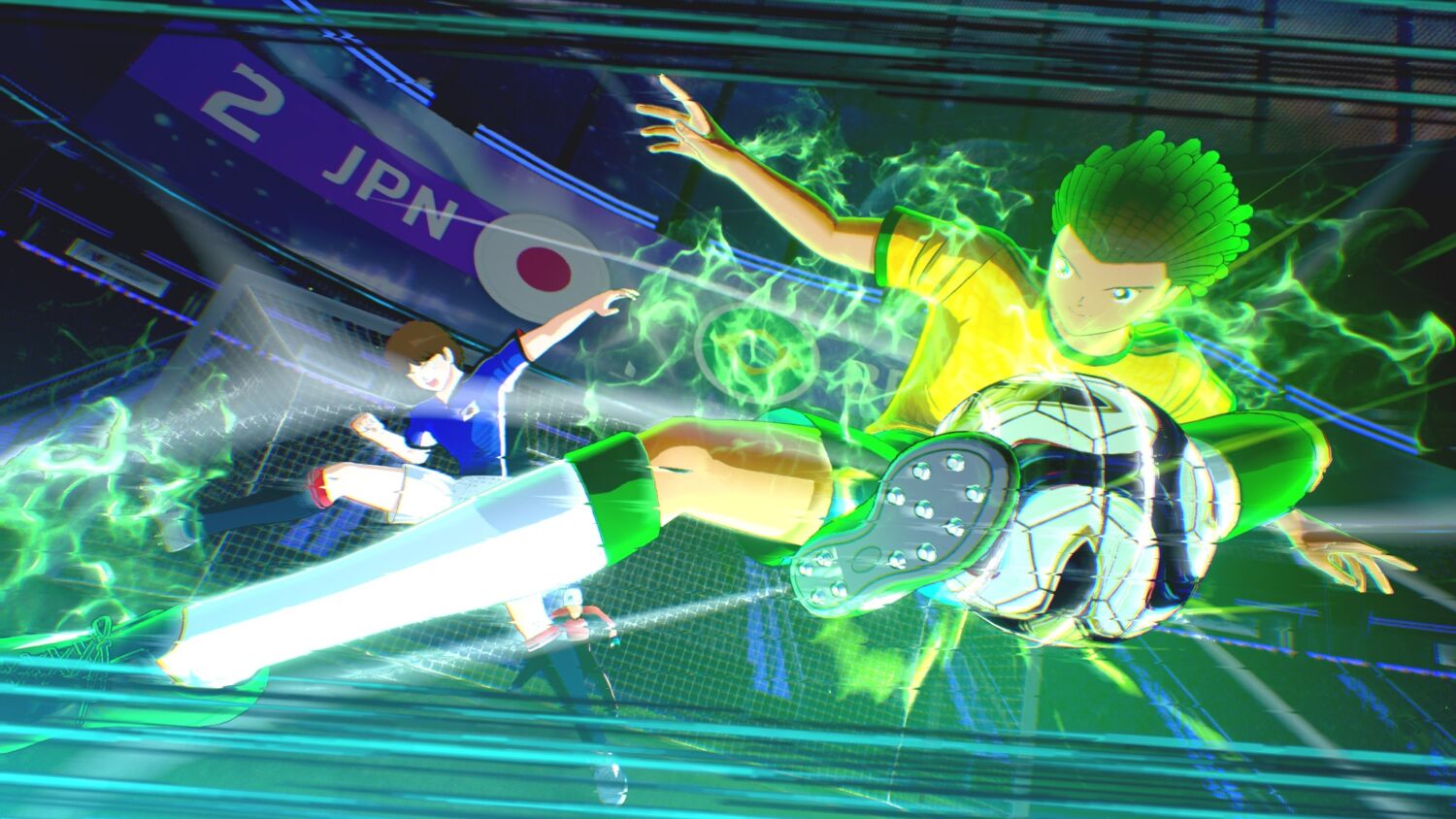
Unlike the first game, the sequel is set in the world of the Captain Tsubasa: World Youth manga series, which sees Tsubasa and his teammates taking on the strongest teams across the globe as they climb the ranks of the World Youth Championship. While the manga already expanded the scope of the 1981 original, the team is taking things one step further by crafting an original storyline supervised by series creator, Takahashi.
This gives the game the opportunity to introduce never-before-seen teams and characters, alongside original story beats that better represent the state of the world today, such as the rise of social media and its impact.
“One of the ways we are modernising the storyline is via the inclusion of SNS (Social Network Service, the common term for social media in South Korea),” explains Mikumo. “To give an example, there’s this boy in the game called Mizugi who’s initially not able to play well, but he was able to improve his technique by watching other people play via SNS, and due to this, he is able to enter the World Youth Series.”
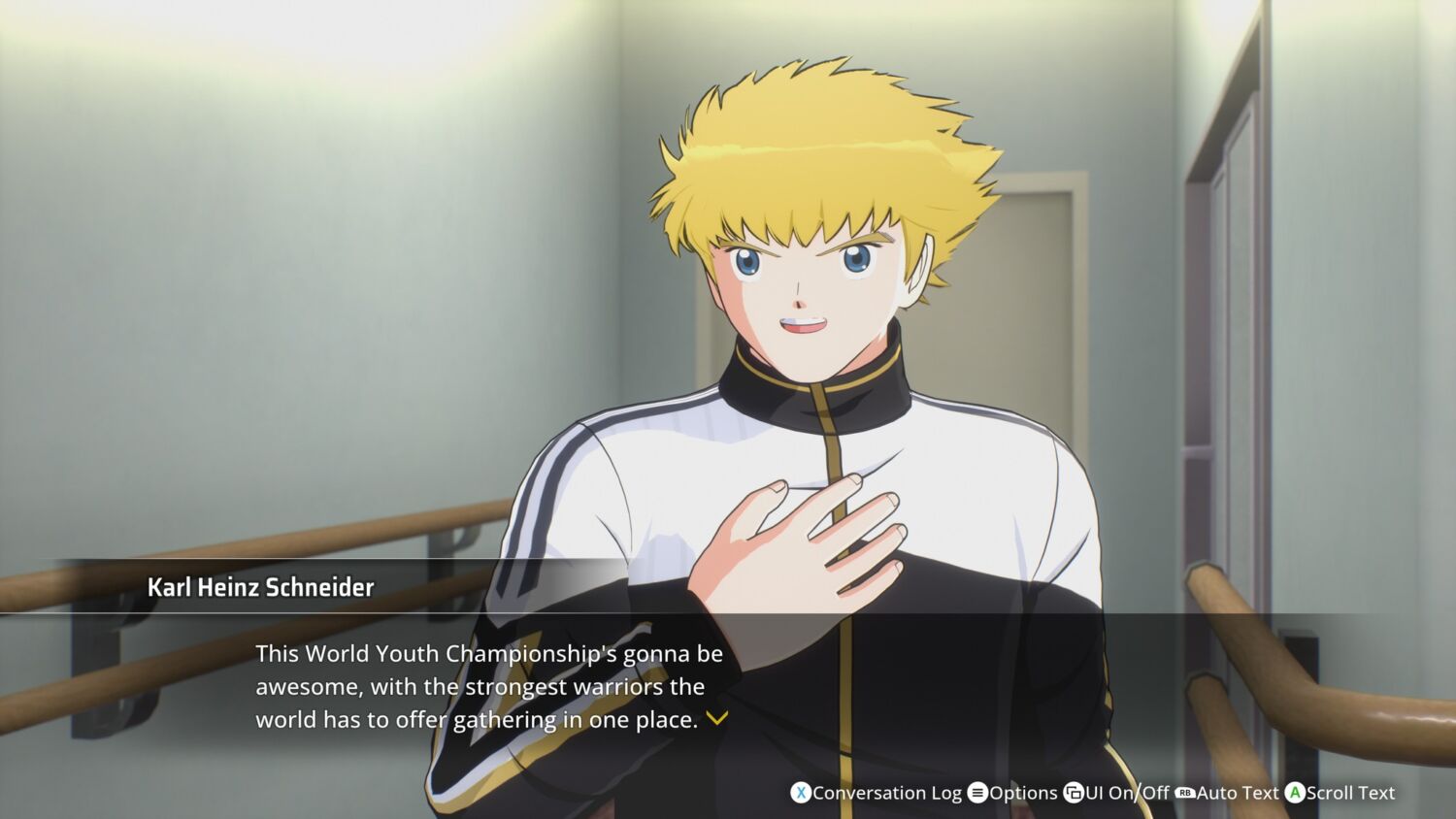
“This is how we were able to balance some of the new teams we have added. Even though main characters like Tsubasa are very strong, these new players come in with the knowledge from having watched their plays online, so they have learned to imitate or even improve certain techniques. As such, players won’t know which team will eventually come out on top, which makes it more exciting.”
With Takahashi supervising, the team also used the opportunity to collaborate with the manga’s creator and build its original teams. Since the Captain Tsubasa 2: World Fighters team was the same one that did the previous game, they were already equipped with vast knowledge of the source material, so they could incorporate these additions without disrupting the established lore.
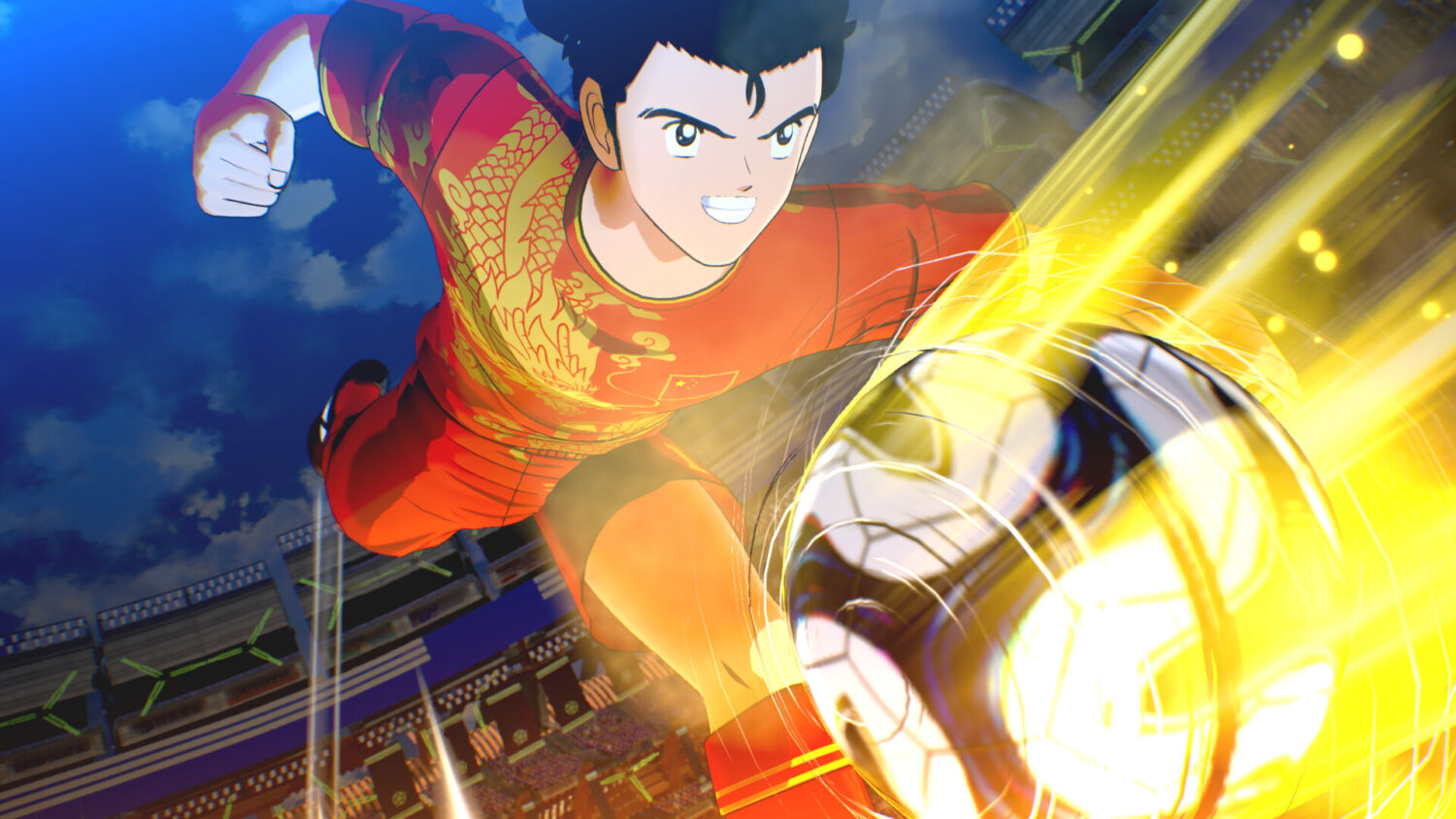
“We looked at the original manga to have a better understanding of how each team worked,” explains Mikumo. “This way, we could identify how each team was strengthened thanks to the particular abilities of its player line-up. We then took our learnings to Takahashi when creating original characters and teams, so the new additions would not just fit into the lore of the manga, but would also be able to stand up to the pre-established teams.”
Unlike the title’s gameplay improvements, which we could try out firsthand during the preview, the fidelity of its new narrative was something a little harder to ascertain since it only offered a look at three of its campaign missions.
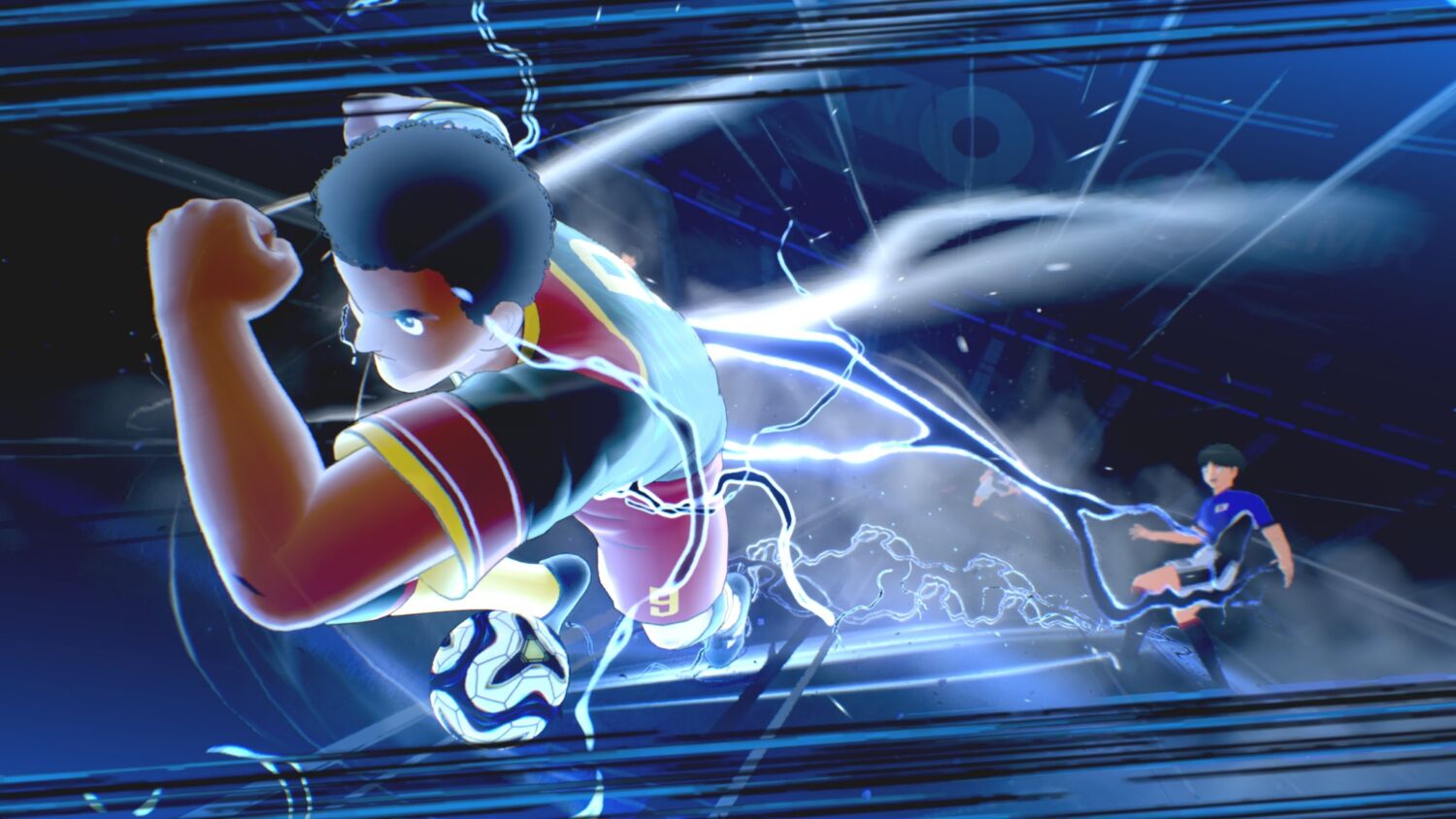
Still, this brief glimpse already included some curveballs of their own, such as a match against a powerful Saudi Arabian player who was near-impossible to tackle once he gained possession of the ball, so hopes are high that Captain Tsubasa 2: World Fighters will introduce much more intense moments like this when it launches on 27 August 2026 for the PS5, Xbox Series X|S, Nintendo Switch 2, and PC.
Kevin is a reformed PC Master Race gamer with a penchant for franchise “duds” like Darksiders III and Dead Space 3. He has made it his life-long mission to play every single major game release – lest his wallet dies trying.
 Si Jia