Apple is no stranger to accessibility — in fact, it has long campaigned for disability representation, shining light on its importance through creative campaigns over the years, including Taika Waititi’s The Lost Voice, the 2024 Paralympic tribute, The Relay, and most recently, a two-part Parkinson’s docu-style series titled No Frame Missed.
Ahead of International Day of Persons with Disabilities on 3 December, the Cupertino giant has reunited with filmmaker Kim Gehrig for its latest accessibility-centric short film, following the latter’s directing effort on the Emmy Award-winning short, The Greatest, in 2022.
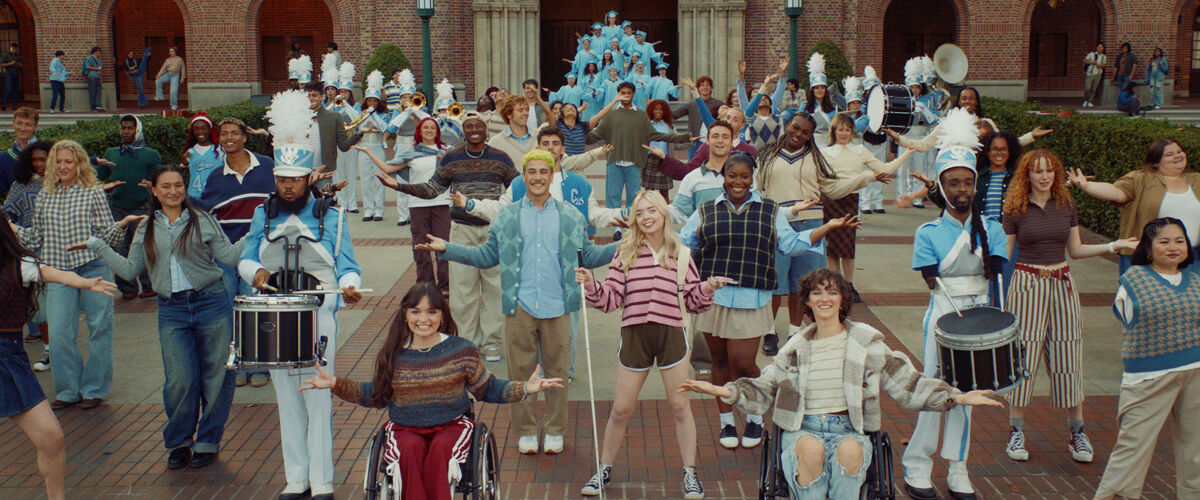
This time, the focus is on making education readily accessible to all, with the celebratory musical number featuring performances from a wide range of Deaf and disabled students from around the world. Tim Minchin, the Tony Award-winning composer behind Matilda the Musical, contributed as songwriter and musical producer, making for an apt tribute to the 40th anniversary of accessibility at Apple.

Keeping in line with the messaging, the clip also highlights how education extends beyond academics and the company’s role in enhancing and creating new opportunities for students with disabilities to experience the full college experience, whether it’s to study or socialise. The suite of built-in features in the spotlight includes VoiceOver, Magnifier on Mac, Braille Access, AssistiveTouch on Apple Watch and iPad, Accessibility Reader, Sound and Name Recognition, and Live Captions, all of which are available across the ecosystem.
Announced in May before Global Accessibility Awareness Day, the new braille additions allow for note-taking with a braille screen input or a compatible braille device and calculating using Nemeth braille, a standard braille code used for math and science. Magnifier on Mac now boasts adjustable brightness, contrast, colours and settings that make it easier to view texts and images, while Live Listen delivers improved audio through the user’s AirPods in places such as lecture theatres. VoiceOver, meanwhile, has been around for 20 years and counting, marking a turning point for blind and visually impaired owners to use a touchscreen device independently right out of the box.

Si Jia is a casual geek at heart – or as casual as someone with Sephiroth’s theme on her Spotify playlist can get. A fan of movies, games, and Japanese culture, Si Jia’s greatest weakness is the Steam Summer Sale. Or any Steam sale, really.

 HSALS
HSALS