
This interview has been edited for clarity.
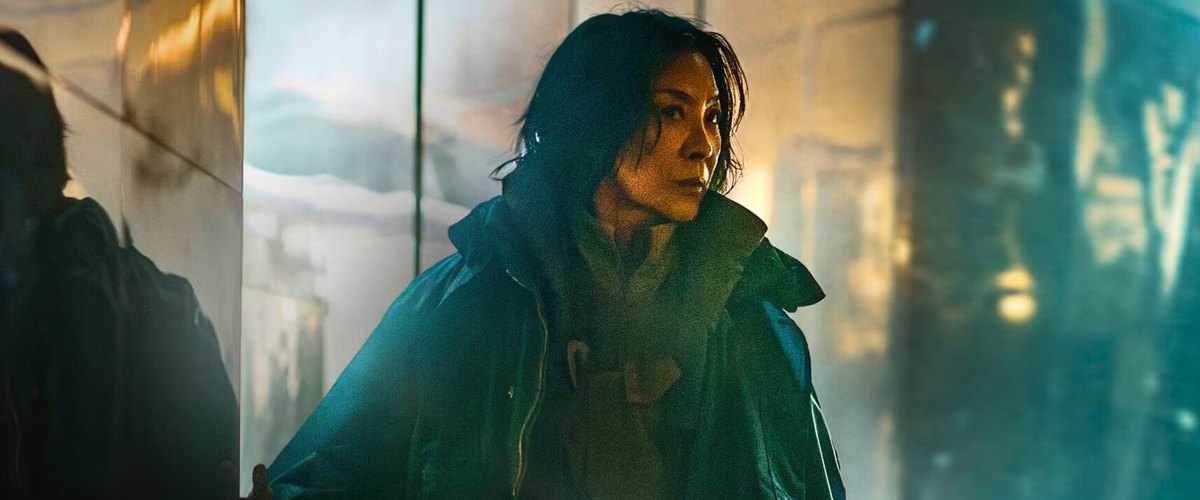
Even when she’s not the lead in a film or TV series, legendary actress Michelle Yeoh has expertly cultivated a reputation as scene stealer, whether it’s as the matriarch in Crazy Rich Asians (2018), the mentor in Memoirs of a Geisha (2005), the guardian in Shang-Chi and the Legend of the Ten Rings (2021), a Bond girl in Tomorrow Never Dies (1997), the villain in Wicked (2024) and Wicked: For Good (2025), the tyrannical emperor in Star Trek: Discovery (2017–2020) – the list goes on, so it comes to no surprise that there have been instances where the 64-year-old global icon doesn’t always relate to the main character.
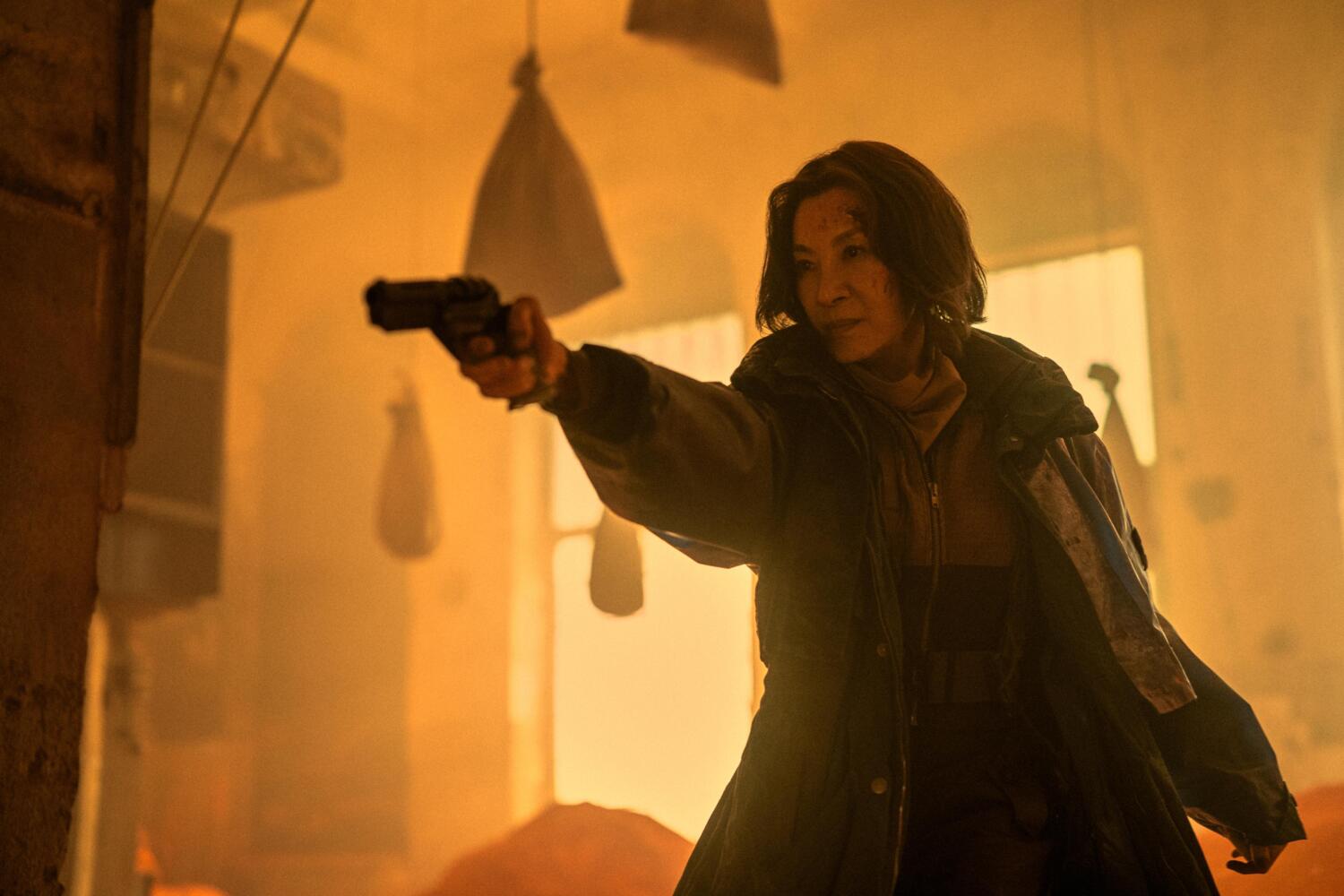
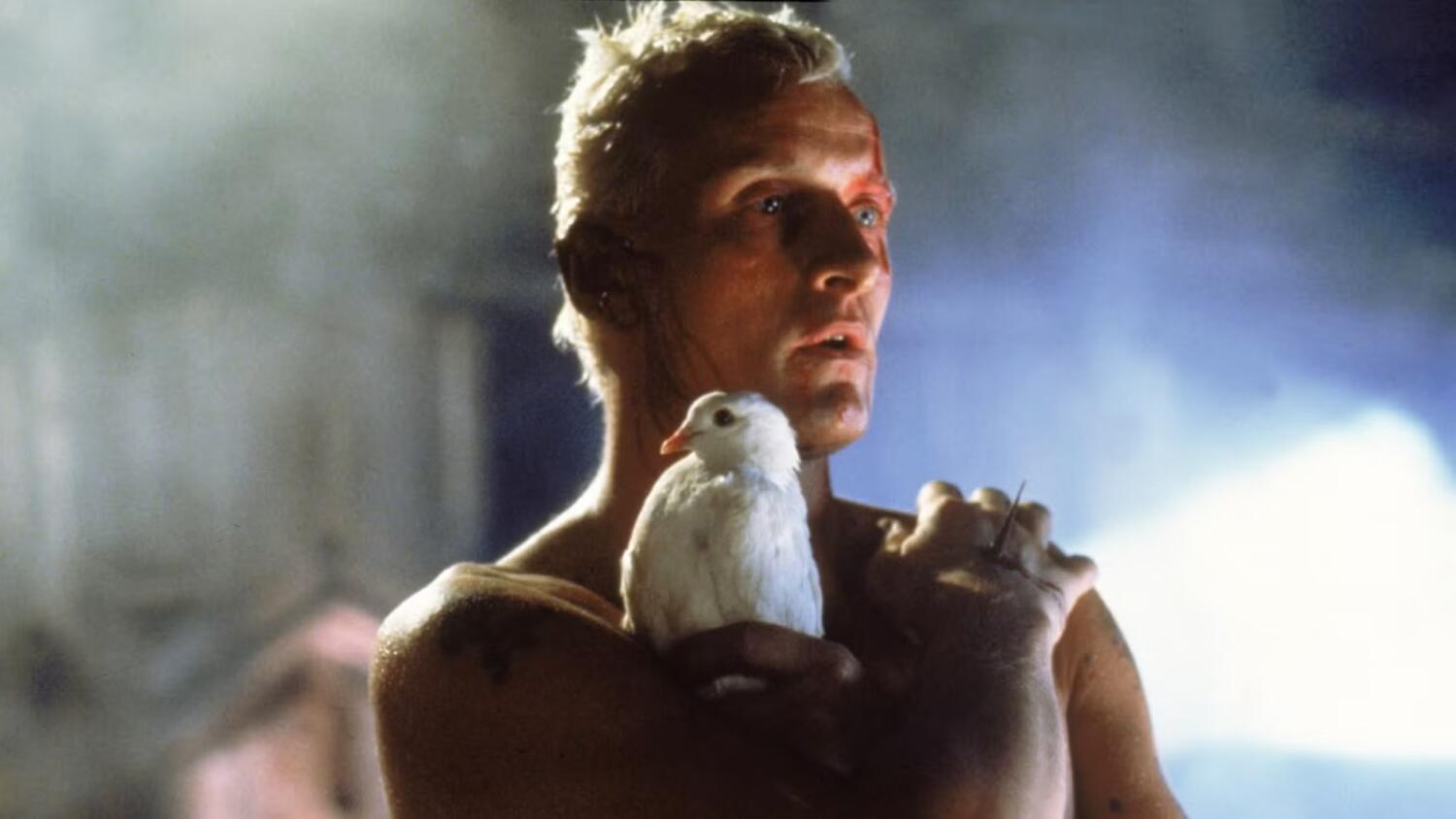
Case in point is Ridley Scott’s seminal Blade Runner (1992), which sees former police officer Rick Deckard, played by Harrison Ford of Star Wars and Indiana Jones fame, hunt down (as a Blade Runner) bioengineered humanoids known as Replicants, including Roy Batty, whom Dutch actor Rutger Hauer (Batman Begins) brought to life. Yeoh, who depicts Olwen, a Replicant Blade Runner in the latest chapter of the franchise, feels more connected to Roy.
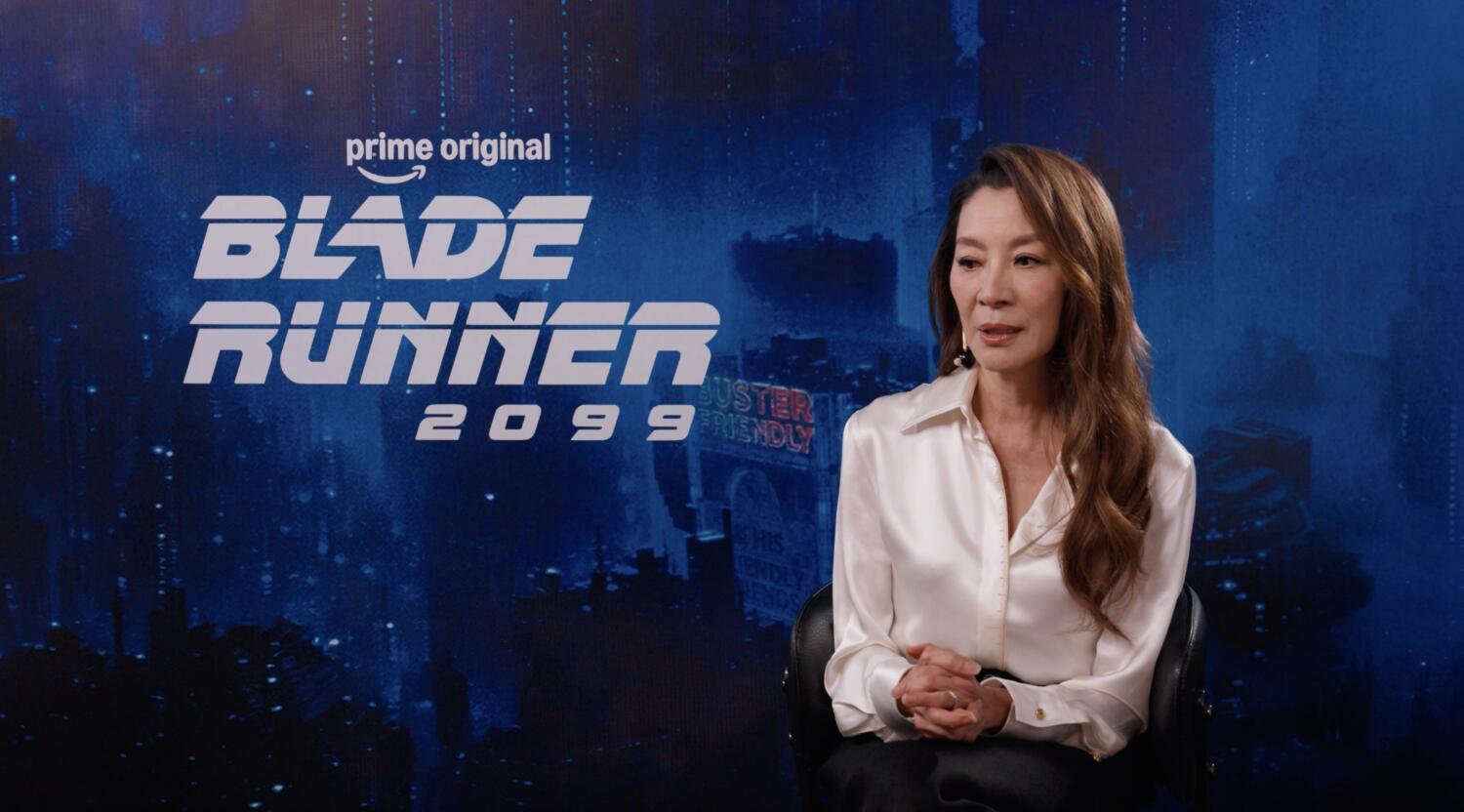
“I love Harrison Ford, don’t get me wrong,” Yeoh tells Geek Culture during a press interview in Manila, the Philippines. “But Roy had the biggest impact on me because he was vilified, and yes, killed because they were literally hunted down to be executed.
“At the end of the day, he was trying to learn human emotions and desires. He showed more humanity than a human did, and that left such a huge impression,” she continues. “What is humanity? Are we born with it, or do we acquire it as we get more life experience? That allowed me to build on Roy, because what is a Replicant? Flesh and bone. Never forget that.”
And that’s her approach to Amazon’s Prime Video Blade Runner 2099, a miniseries set decades after the original film and its 2017 sequel, Blade Runner 2049. Based on American author Philip K. Dick’s 1968 novel Do Androids Dream of Electric Sheep?, the franchise depicts a future where biorobotic androids are created as exact copies of humans in a world set after a global catastrophe.
Alongside the discordant nature of man and machine, the series, which includes films, comics, a stage play and radio serial, animated series and video games, offers an intriguing exploration of humanity, identity, and alienation, with existentialist themes remaining a staple. The future in 2099 has a jagged sense of irony, however: mankind is no longer the dominant race, and the Replicants, once used for slave labour, are now in power after an uprising.
The wrinkle in the formula gave the Academy Award-winning actress a chance to revisit the franchise’s roots and borrow inspiration from Roy, whose struggles with personhood left an indelible mark on her understanding of what it means to be human. It’s well-worn territory for the franchise, and the Ryan Gosling-led Blade Runner 2049 is no exception even decades later. Featuring K, a Replicant built to obey orders and “retire” his older counterparts, the film chronicles a journey of self-identity, free will versus destiny, and sacrifice, drawing a parallel to Olwen’s fate in Blade Runner 2099. As a Replicant, she has an expiry date, but that doesn’t mean she’s happy to leave things be.
If anything, Olwen is a fighter. Reflecting her silent-authority personality, the bio-enhanced human is determined to tie up loose ends and, like the rest of her ilk, undergoes personality changes over the course of the story, such as showing empathy and understanding human pursuits – acts that she’s programmed against. This defiance is something Yeoh respects, as explained in a separate red-carpet event.
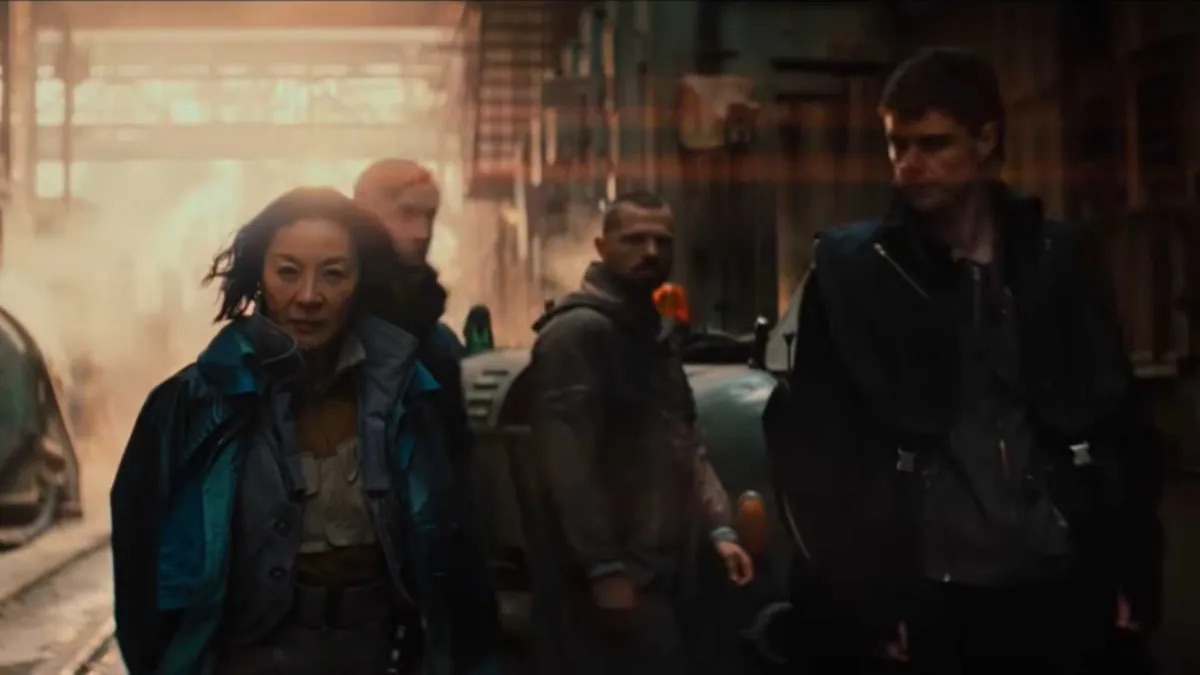
“She doesn’t let her death define who she is, who she was, and what she did, and I think that was very inspirational. Olwen’s story is to live your life, instead of waiting until your dying days and living with regret.”
Mention mortality, and the iconic “tears in rain” monologue from the original film always comes to mind. Spoken by Roy in his final moments, the 42-line death soliloquy establishes him as an emotional fulcrum, further complicating the overarching moral fabric. In Blade Runner 2099, this nuance takes the form of Cora (Hunter Schafer, Euphoria), a human pretending to be a Replicant assigned as Olwen’s partner, who also shares the same detachment and emotional numbness.
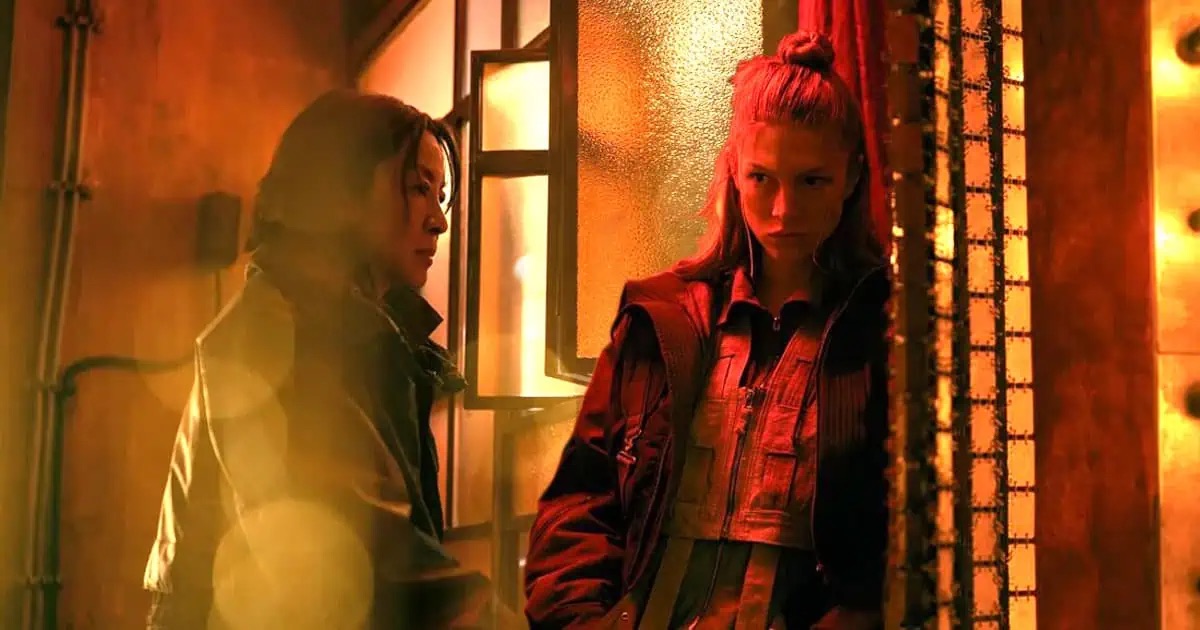
The duo marks the first female protagonists in the franchise, spelling greater significance for the larger sci-fi genre. From classic literature by Issac Asimov, Arthur C. Clarke, and more, to films such as Total Recall, Minority Report, and The Matrix, the landscape has historically been dominated by male leads, but the mould is slowly breaking in recent years. Yeoh herself is a key player here, having also fronted Star Trek: Section 31 as Philippa Georgiou – reprising her role from the Discovery series – and she believes in the importance of offering a different perspective.
“There needs to be balance between the different genders, and it’s nice to have a different lens to look at what science fiction is. Why I say that is because the future needs us, the women, to have a seat at the table, so we’re part of the conversation that defines what the future of sci-fiction is.”
The words carry weight, coming from an industry veteran who’s no stranger to minority representation. At a time when action films were synonymous with male stars, the industry veteran broke into the scene like a whirlwind with a role opposite Jackie Chan in Police Story 3: Super Cop (1992) and as a central figure in Crouching Tiger, Hidden Dragon (2000), after leaving a cultural footprint in Hollywood in 1997’s Tomorrow Never Dies.
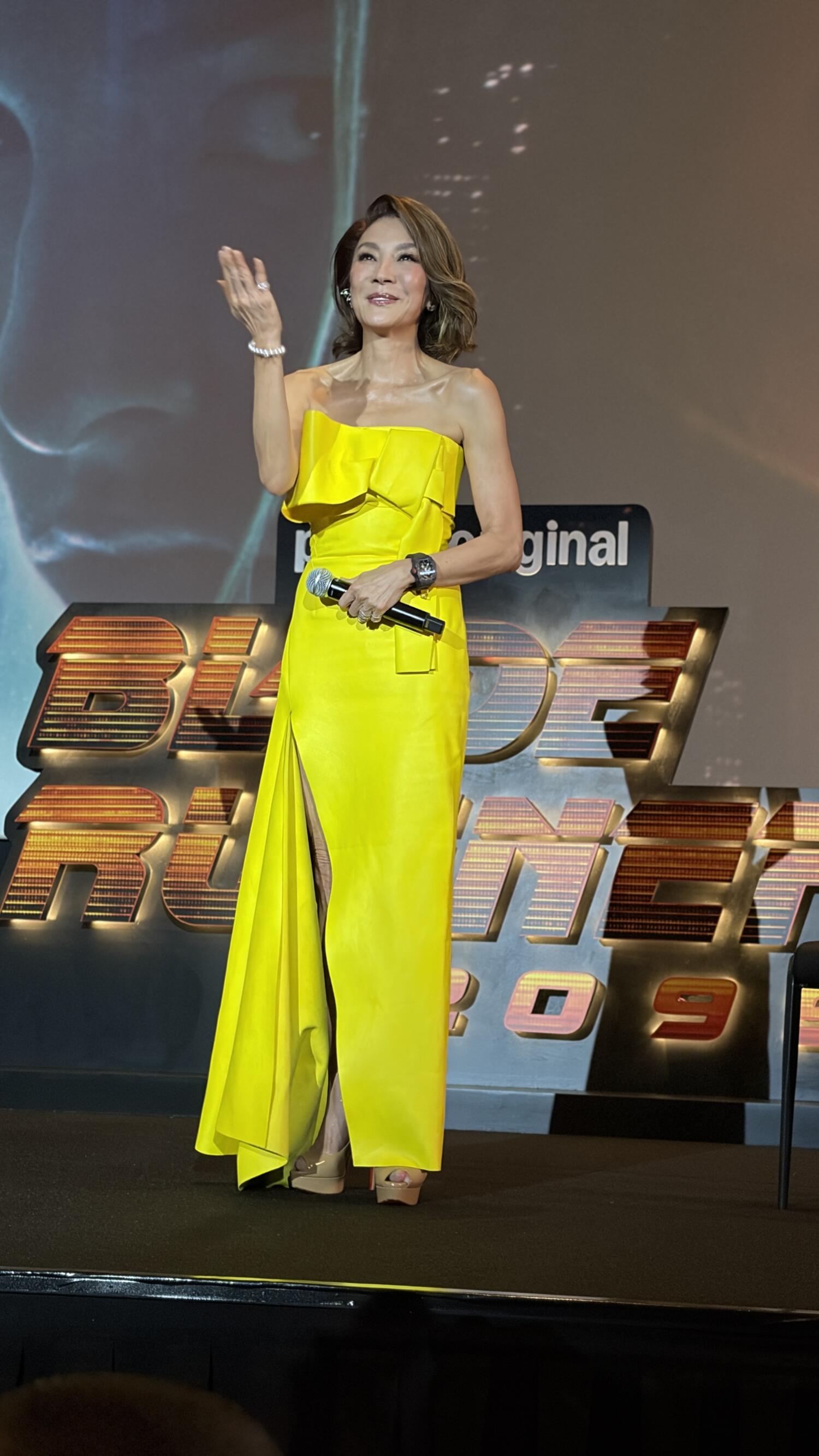
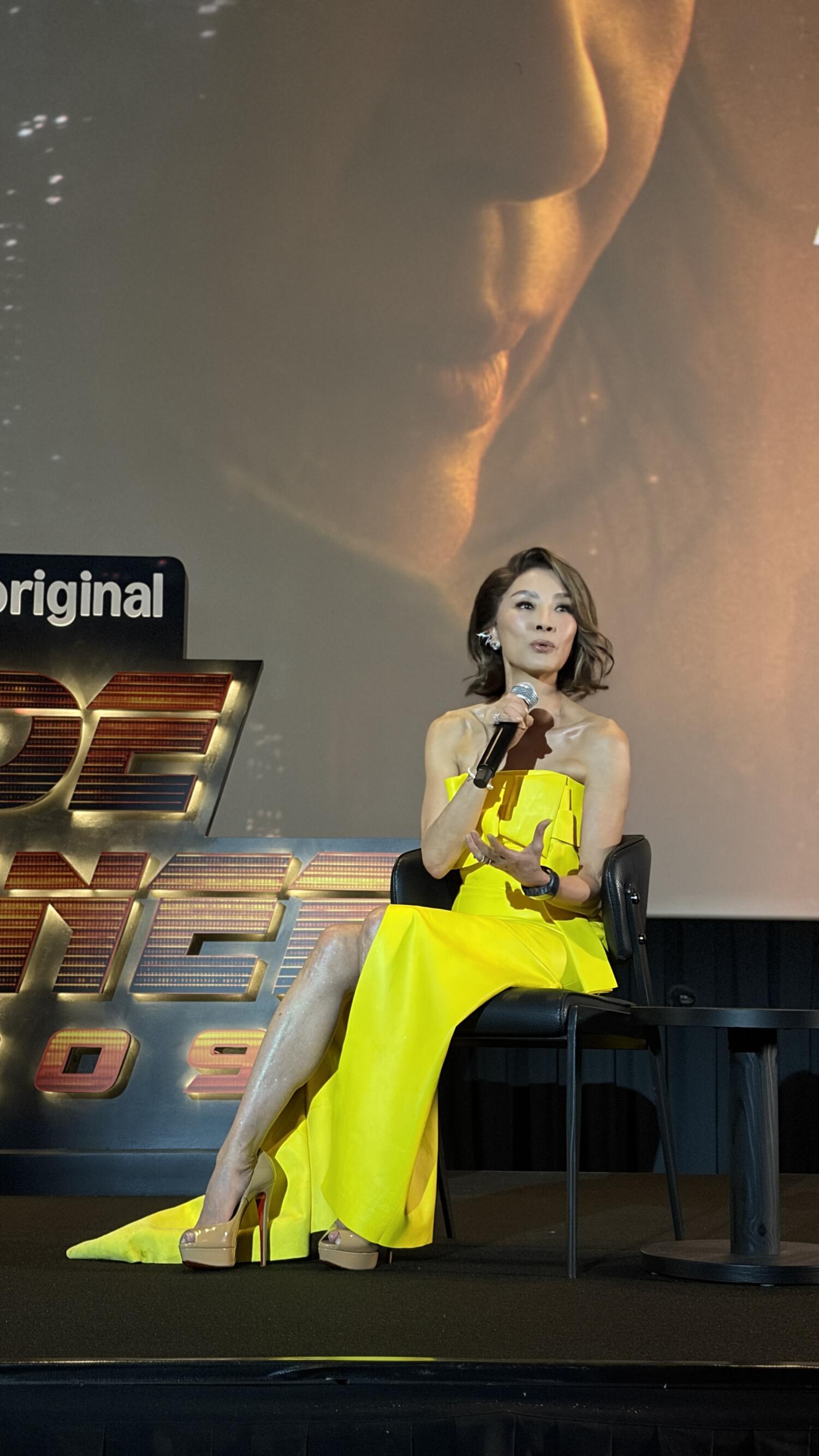
“I’ve been working on that forever. I don’t believe in stereotypes unless the stereotype has hopes and aspirations like a real person. Representation is very important, and we’re so much part of the world, so why should we be left out,” champions Yeoh to loud cheers from attendees at the red-carpet event. “The stories are ours to tell, and we have to put them out there and not be fearful of anything. Just do it.”
And while the world of Blade Runner 2099 is rooted in doom and gloom, optimism and hope can also bloom. As with the original and its sequel, the eight-episode outing highlights the role of compassion in becoming a better individual and creating a better world – messaging that easily applies to the real world.
“We want to continue to strive, but we have to learn to live together, work together, and communicate with each other, always with kindness and compassion.”
Behind the scenes, there was some looking out going around, too. In the pilot episode of Blade Runner 2099, Cora is subjected to brutal violence on-screen, which left Schafer in a battered state, prompting Yeoh to give her co-star a baby helmet that she borrowed from her sister, whose child was learning to walk.
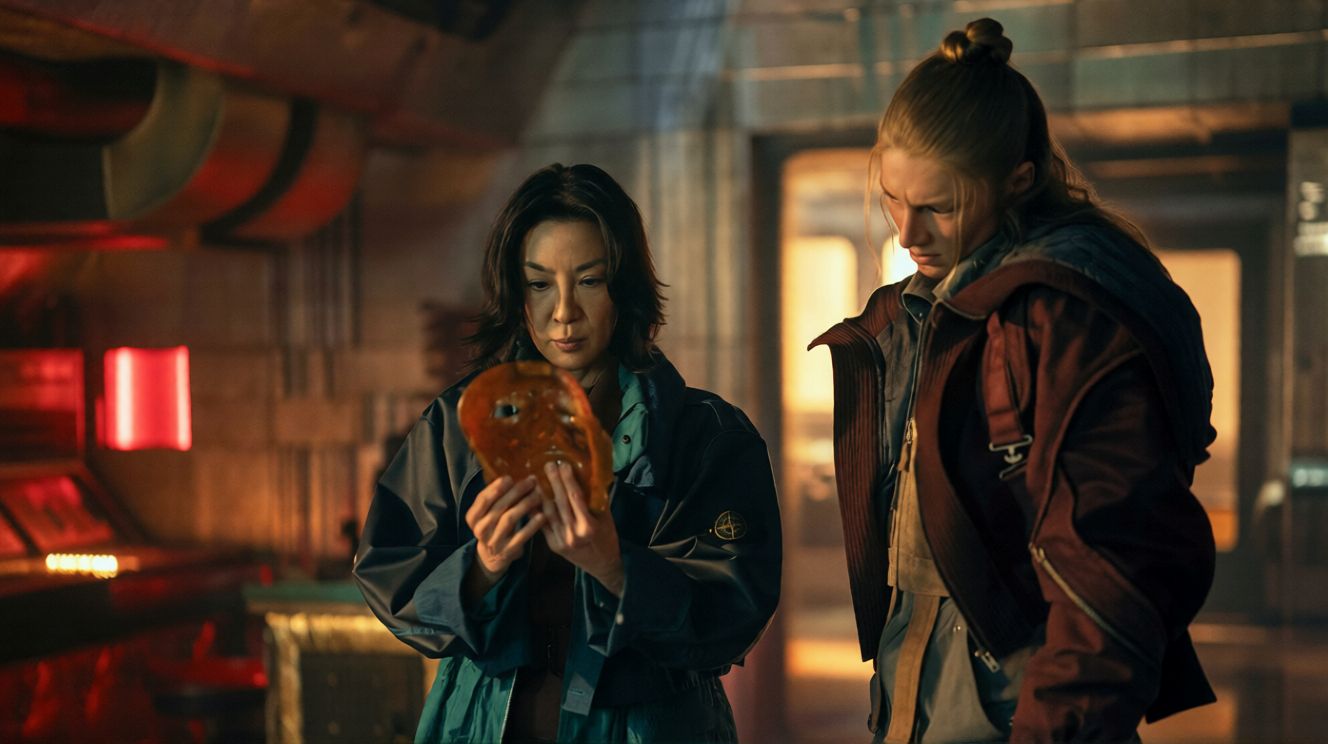
“I told her that I need that because I have a baby here, a big baby who keeps falling and hurting her head,” she laughs. “So I actually got the baby helmet – it’s one of those soft squeegee toys you put on your head – and I made Hunter put it on.”
Only someone with a wealth of experience could suggest this, including decades of working with, managing, and preventing injuries for action sequences. As Yeoh succinctly summarises, “I’ve done Star Trek, I’ve done this, I’ve done the Wicked films and the [James] Bond movies. To be part of these different legacies has given me such a full expression of my body of work.”
After all, what is a Replicant but another different body to grow into and explore?
All eight episodes of Blade Runner 2099 are out now on Prime Video.

Si Jia is a casual geek at heart – or as casual as someone with Sephiroth’s theme on her Spotify playlist can get. A fan of movies, games, and Japanese culture, Si Jia’s greatest weakness is the Steam Summer Sale. Or any Steam sale, really.
 Yonk

 Kevin Low