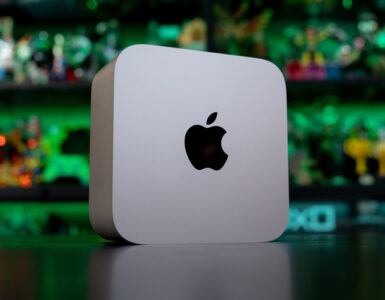
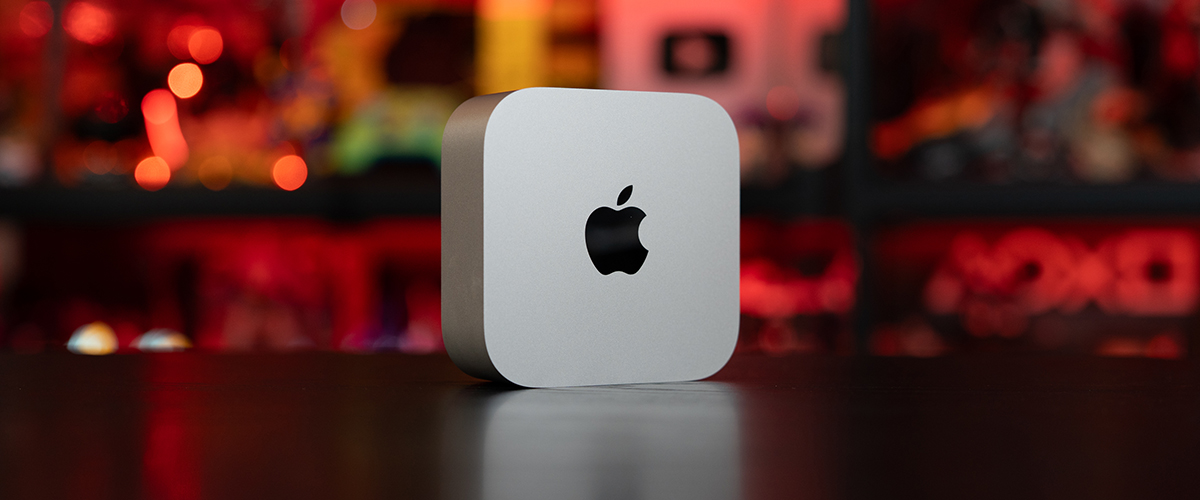
Here’s a little secret: a regular desktop computer is what the majority of users need right now, and the Apple Mac mini is the smallest and most advanced one there is. Where big is no longer representative of power, minimalism provides the unspoken acknowledgement that the best desktop is the one you forget is sitting on your desk.
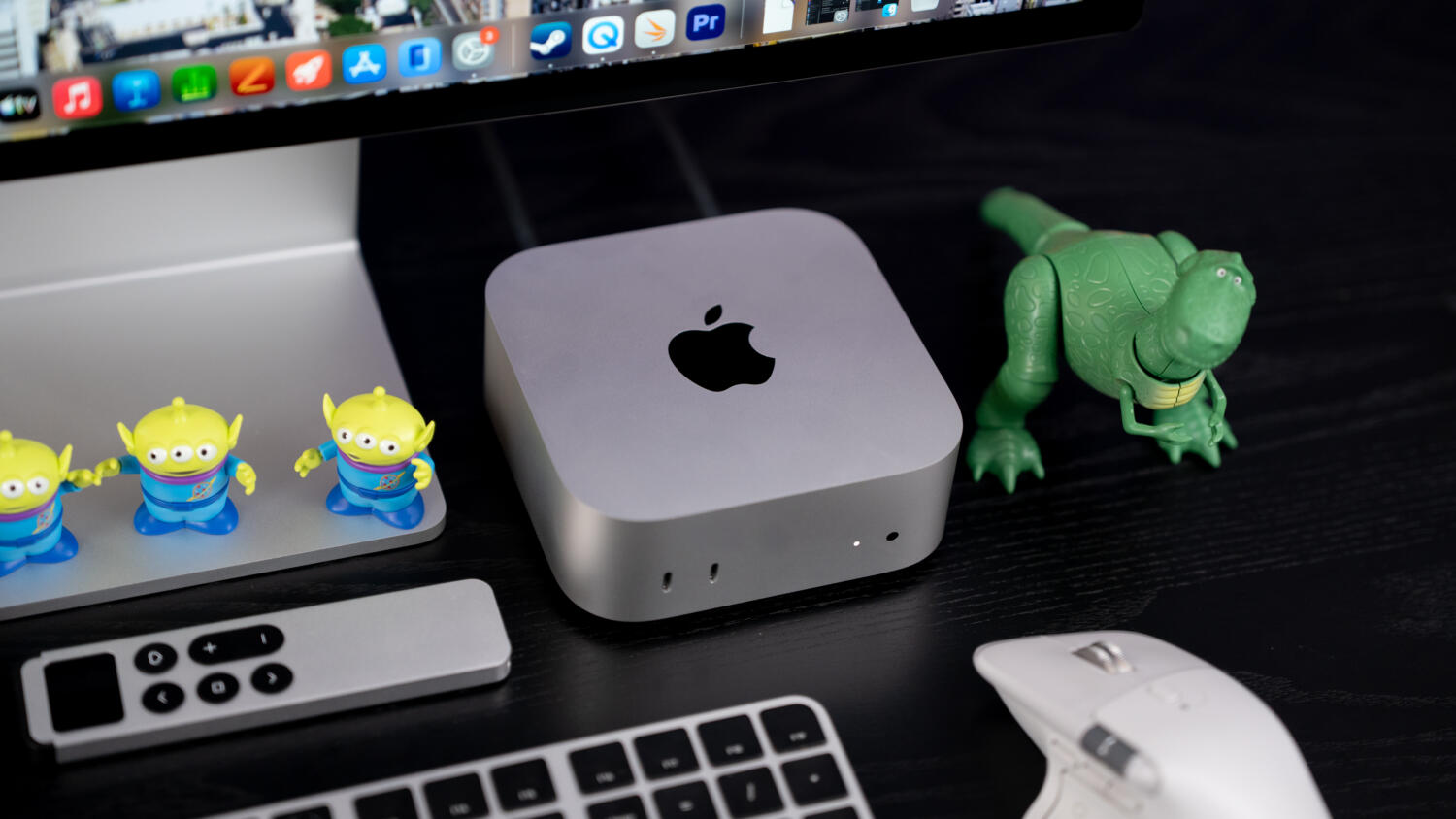
Few desktop computers commit to that as well as the Mac mini, which debuted in 2005 as the most affordable entry into the Apple Mac ecosystem. Priced without a keyboard, mouse and display, the paperback-sized aluminium box has since grown into something far beyond what its small size represents – a home computer, a school machine, a creator’s workhorse and, if Apple gets its way, an unobtrusive, always-on device that sits and works quietly on your desk.
It has been almost two years since the Apple shrank the device to make it look more like an Apple TV with its M4 launch, and this year’s update comes with an unusual naming quirk – the standard model runs on the latest M6 Apple silicon chip and priced from a relatively low S$1,299, while the higher-end model steps up and into the M5 Pro territory, which means the base M6 configuration is technically a generation ahead of the M5 Pro, though the way that technology advances, the Pro is considerably more powerful – and expensive – despite using last generation’s architecture.
On paper, the M6 model gets a 12-core CPU and 12-core GPU, two more cores each over the M4 model it replaces (there was never an M5 model), alongside a new Dual 16-core Neural Engine and up to 32GB of unified memory with 170GB/s of bandwidth. As always, Apple claims the current unit offers up to 40 per cent faster CPU performance, up to 2x faster graphics and storage, and up to 4x faster artificial intelligence (AI) performance than the M4 model.
On-device AI has been Apple’s primary focus with this year’s launch, supported by Neural Accelerators built into every core of the GPU, which marks a first for the Mac mini. The M5 Pro model goes further with up to an 18-core CPU, up to a 20-core GPU with third-generation ray tracing, and up to 64GB of unified memory with 307GB/s of bandwidth.
Since Apple’s own AI claims are the headline this year, it’s worth saying what this review is about, and we spent our time on the things most people will actually do with a Mac mini: editing, video exporting, gaming and living with it on a desk. Our unit is the M6 with 24GB of unified memory and 512GB of storage, priced at S$1,899.
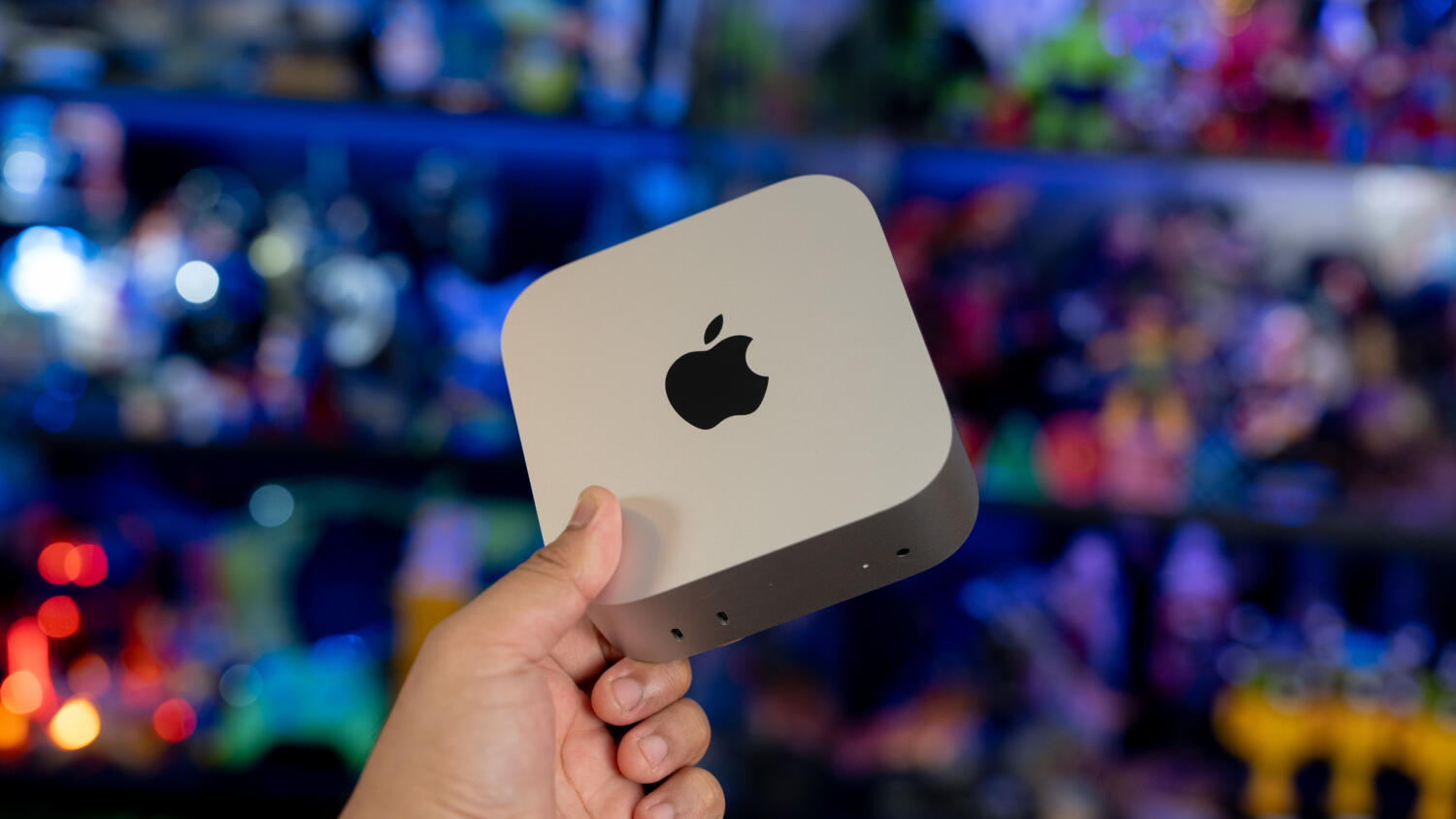
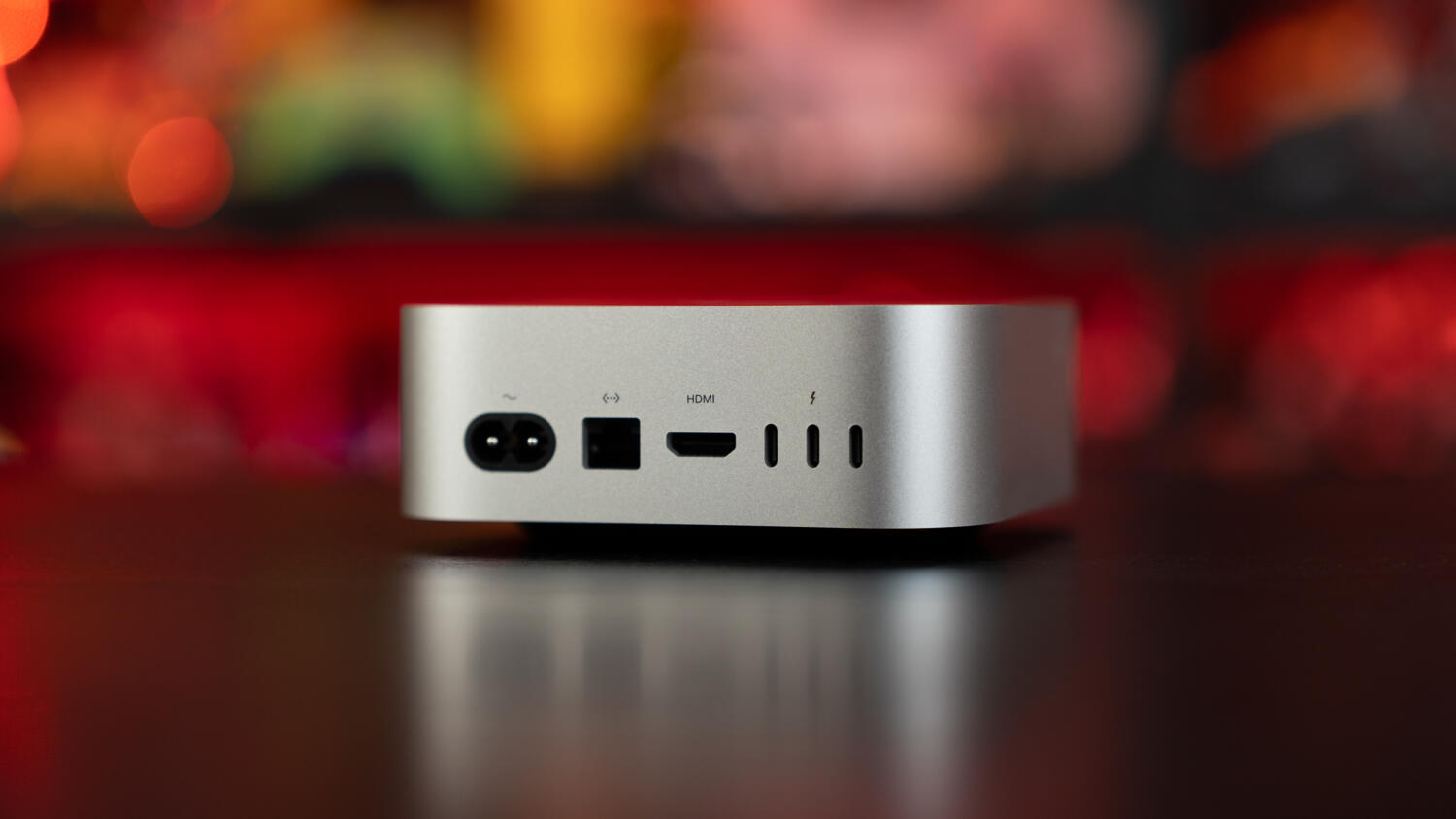
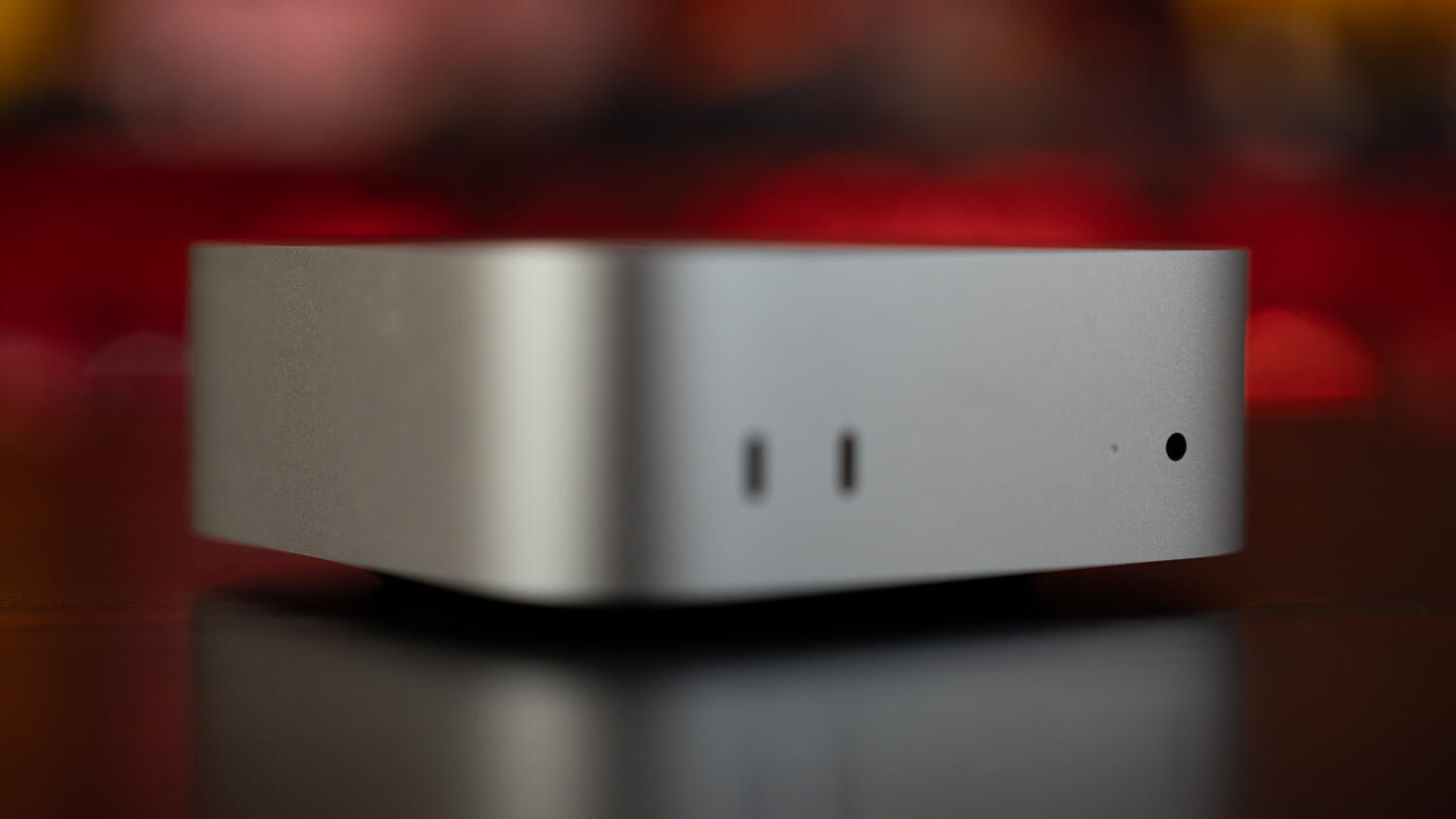
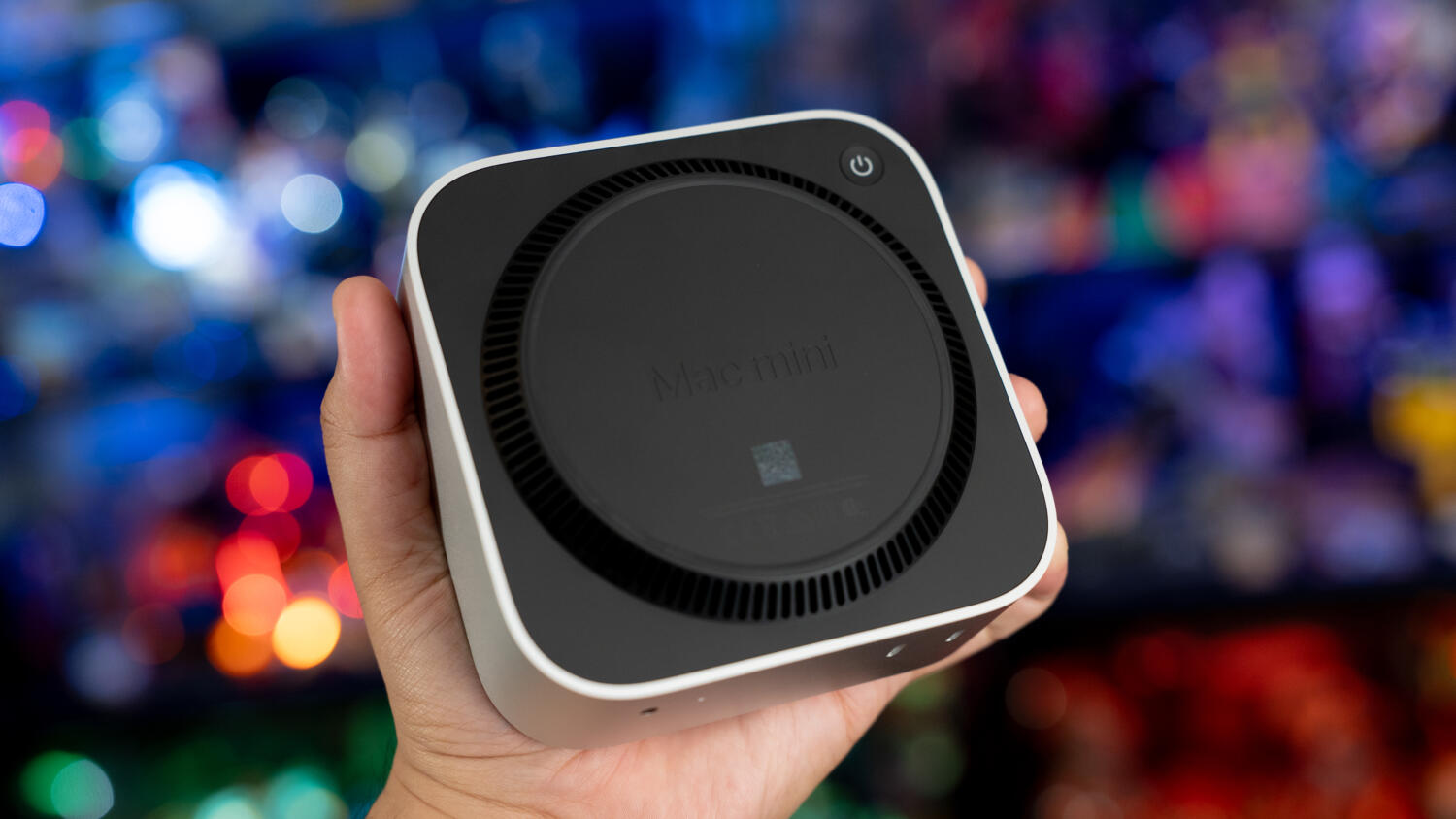
Like the M4 model, it measures 12.7 x 12.7 x 5cm and weighs an identical 0.67kg for the M6, and 0.73kg for the M5 Pro. The outer aluminium shell retains the standard Apple design, equipped with three Thunderbolt 4 ports for the M6 and three Thunderbolt 5 ports for the M5 Pro, with both versions packed with two USB-C ports, an HDMI port and the new 2.5Gb Ethernet port, up from the Gigabit Ethernet port on the M4, that can be upgraded to 10Gb Ethernet. This year’s version also comes with the newer Wi-Fi 7 and Bluetooth 6 for stronger connectivity. And there’s no way to deny that Apple wants you to keep the machine on 24/7, as the Power button is still located on the underside of the unit – an awkward spot to access daily.
Based on benchmark performance, the M6 scored 4,511 on single-core and 20,761 on multi-core for Geekbench 6, and 3,948 and 22,654 on last year’s Mac mini M4 Pro, as well as 1,928 and 14,504 on the M2 Pro model
Novabench gave an overall score of 3,666, compared with 3,699 on the M4 Pro, with the following breakdown:
- CPU: 1,953 (M4 Pro: 2,086)
- GPU: 272 (M4 Pro: 410)
- Memory: 607 (M4 Pro: 665)
- Storage: 735 (M4 Pro: 538)
All in all, the M6’s performance is comparable to the M4 Pro, indicating how much power the base M6 has right now. Numbers alone don’t tell you the whole story, so we put it through our usual workload of fully converting 10 minutes of 4K 60fps footage to 1080p resolution. Using Handbrake, it took 5:48 on this unit, against 3:45 on the M4 Pro and six minutes on the M4 iMac.
In our tests, we threw several tasks at it, such as streaming 4K, running dozens of tabs, photo and video editing, and the unit powered through all of it effortlessly. Thermals and noise were a strong point last year, and remain so, with fans staying at an inaudible level after 3 hours of video streaming, and the enclosure was barely warm to the touch.
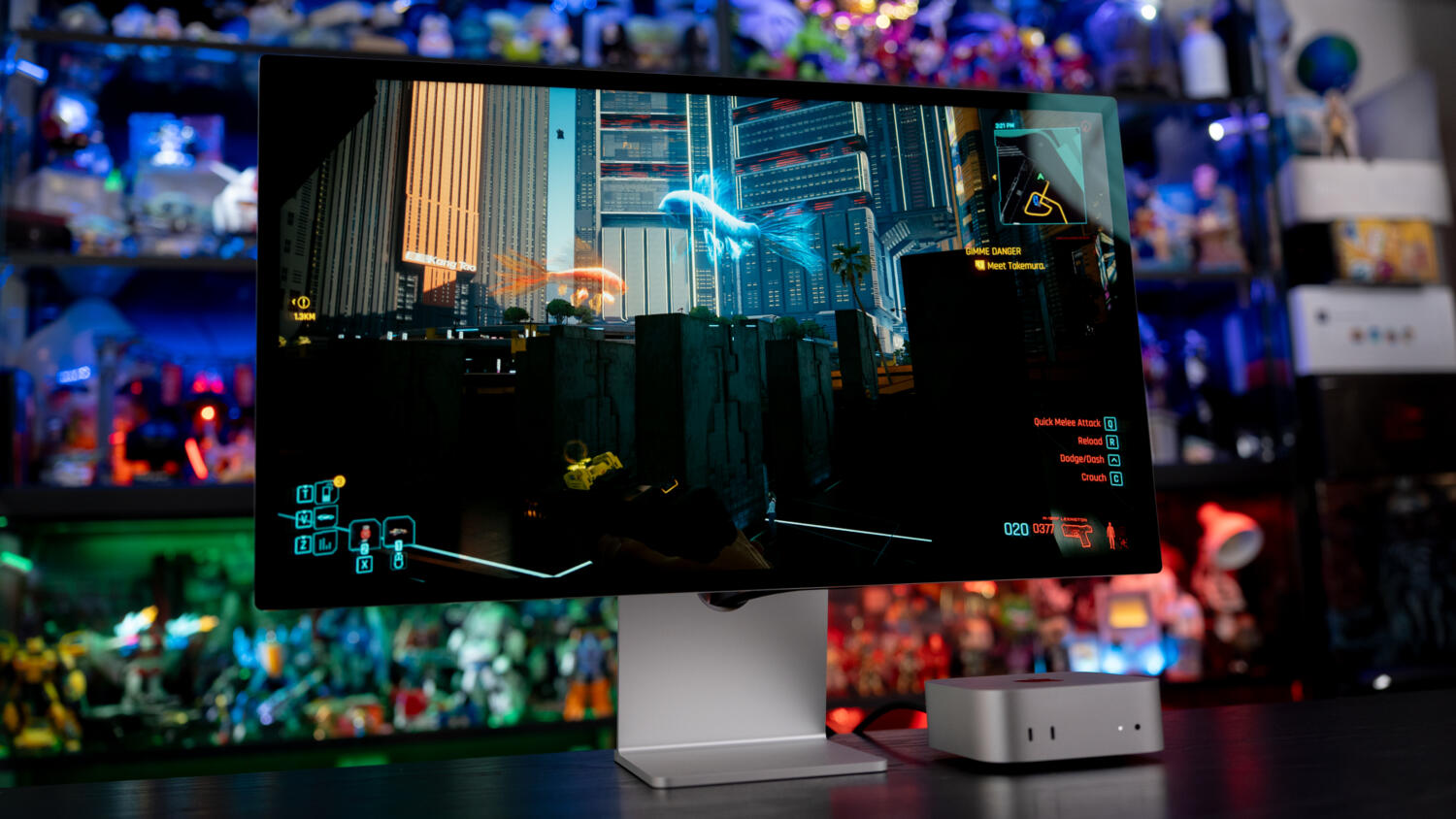
One main difference users need to be aware of is that starting prices of the machines have gone up, fixed at S$1,299 for the M6 and S$2,499 for the M5 Pro. Compare this to the Mac mini M4, which launched at S$829 and S$1,999 for the M4 Pro, translating a hefty jump of S$450 and S$500, respectively, and a larger premium than what the previous generation asked for. And therein lies the other issue with higher prices for this year – the same bare minimum doesn’t cut it. A 16GB unified memory and 256GB hard drive for the M6 model is not future-proofed, and neither is the 24GB with 512GB M5 Pro model, especially when you’re paying much more.
For most everyday users, the base M6 model remains the sensible pick, with enough of a bump over the M4 to justify the upgrade if you’re coming from an earlier machine. The M5 Pro is for those who know they’ll use the extra cores and are not ready to leap over to the more premium Mac Studio model just yet. Either way, the Mac mini continues to show that despite its size, it’s not lacking in ambition, and as always, you can opt to continue using your existing monitor and accessories if you choose to upgrade.
GEEK REVIEW SCORE
Summary
The Mac mini continues to set the gold standard for a powerful, versatile, and high-performance unit in a form factor that packs in a lot more than what its pint-sized profile suggests.
Overall
8.8/10-
Aesthetics - 8.5/10
8.5/10
-
Build Quality - 8.5/10
8.5/10
-
Performance - 9.5/10
9.5/10
-
Value - 8.5/10
8.5/10
-
Geek Satisfaction - 9/10
9/10

Hsals needs more space in his house, and more money in his bank account to pay for all the toys, collectibles and other geek related items that companies are churning out. Free-time? Girlfriend? Who’s got time for those?
 Si Jia
 Zinho De Costa