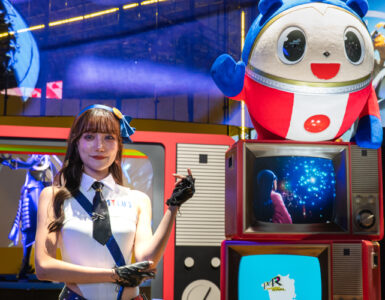

This interview has been edited for clarity.
The third Persona instalment may be largely credited with establishing the franchise’s current formula, but its sequel holds a special place in the hearts of many. A small-town mystery on the surface, it turns into a universal story about confronting hidden insecurities and flaws, embracing personal truths, and forming connections with people who accept them.
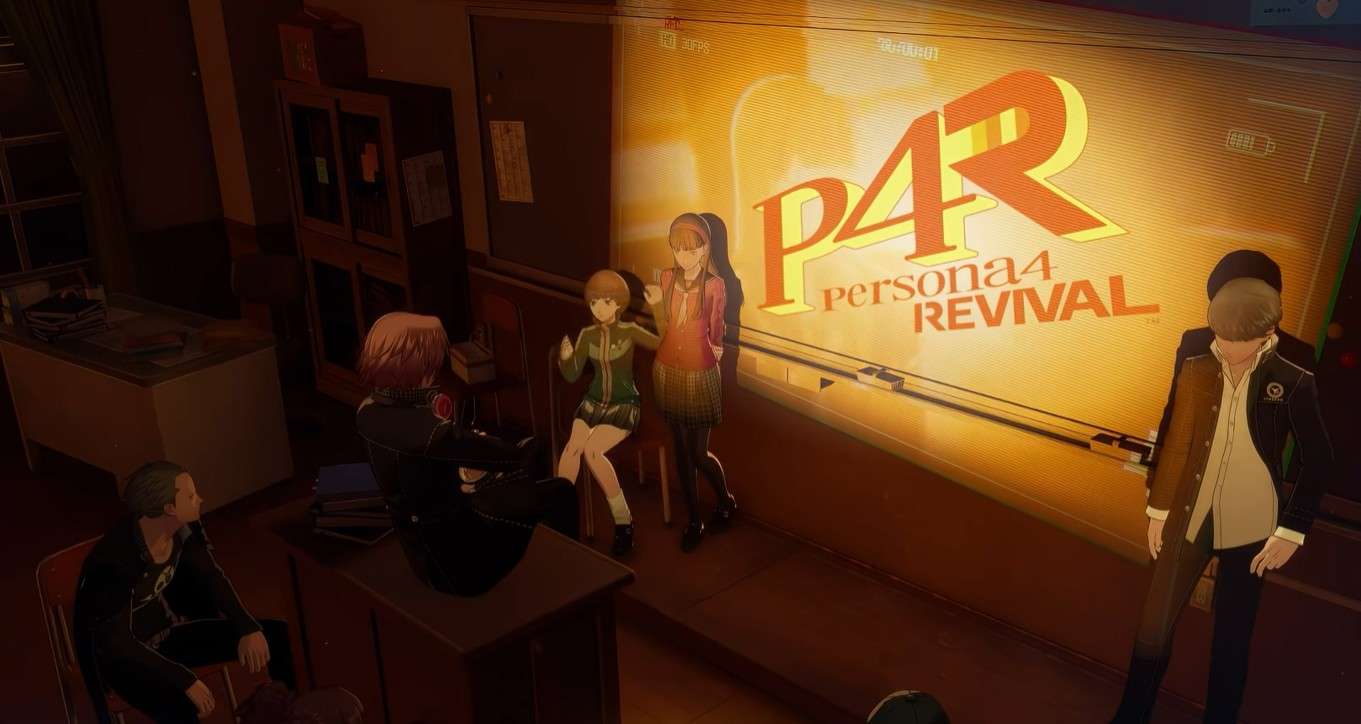
Persona 4 Golden followed in 2012 as an enhanced re-release, bringing new content, convenience features, and a modernised look that earned Atlus more critical acclaim. With Persona 4 Revival, the studio is looking to (re)make history for the third time, taking a similar approach to 2024’s Persona 3 Reload, a remake of the 2006 original. Existing design elements, such as character models and environments, have received a fresh coat of paint, while all in-game and animated cutscenes were overhauled.
Unlike the latter, however, which left out some major content of Persona 3’s enhanced releases, the forthcoming entry is set to be an extremely faithful adaptation of the source material. A one-hour hands-on preview at Sega’s Tokyo office showed early proof, teasing a welcome return to a familiar, charming world, even if the improvements may not justify another revisit.
Like the original, Persona 4 Revival centres on the protagonist, a high-school student who inadvertently gets embroiled in an investigation into mysterious murders with his friends after moving to the countryside town of Inaba, and begins to harness the power of Persona, a physical manifestation of one’s psyche strengthened by forging bonds with others. The demo build covers three different areas of gameplay: an early story chapter, dungeon-based battles, and exploration.

Picking up after the protagonist stumbles into the TV World with Yosuke and Teddie, the narrative segment recreates his first encounter with a Shadow, where he hears a mysterious voice and awakens Izanagi. It won’t take long to notice the visual upgrades, from a softer, rounder 3D aesthetic and cleaner dialogue portraits to more detailed character expressions in animated cutscenes, courtesy of MAPPA, the animation powerhouse behind Jujutsu Kaisen and Attack on Titan Final Season that previously worked on the opening animation for Persona 5 Royal.
Soon enough, players will face off against the game’s first boss: Shadow Yosuke, who retains the same weaknesses as before. The combat loop is child’s play for series veterans, revolving around identifying enemy weaknesses with various attacks, exploiting them or performing a critical strike to knock them over and gain an additional move, and unleashing a tag-team “All-Out Attack” for heavy damage. Between a gentle learning curve and a forgiving opening fight, newcomers won’t have much to worry about, and Yosuke ends up with a Persona of his own, Jiraiya.
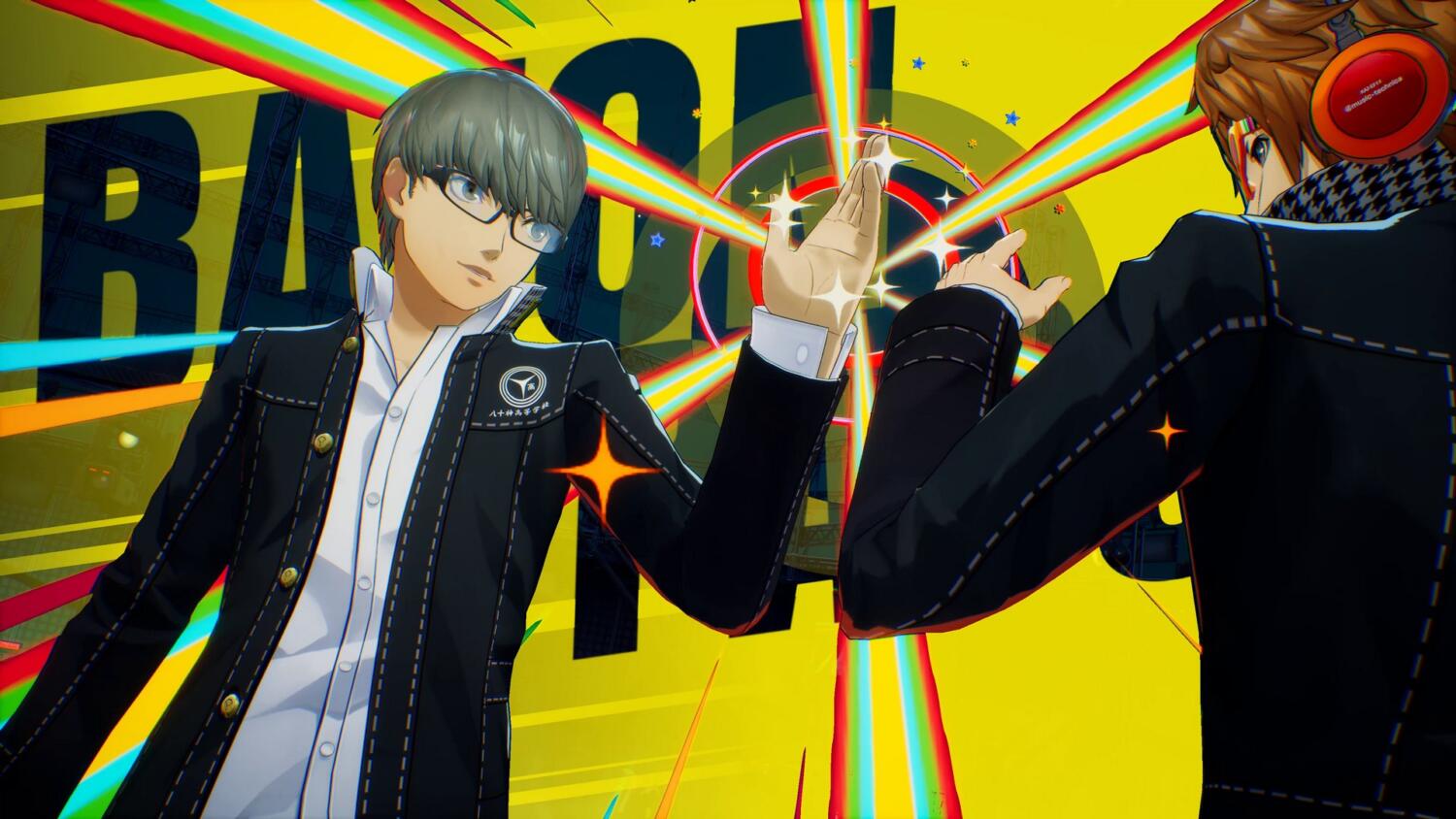
New to Persona 4 Revival is Baton Pass, introduced in Persona 5 and adapted for Persona 3 Reload, which lets players pass a turn onto another party member who may have the right abilities to exploit an opponent’s weakness. Yukiko’s Castle, the setting of the dungeon-crawling segment, is where it first plays out in the preview, but there didn’t seem to be any noticeable difference from memory, mainly because this is an early-stage encounter, and the mechanic already has a strong foundation.
Similar to an earlier preview, the game’s other two key additions, Send Flying and Prime Time, were excluded here, so it isn’t possible to gauge how well they fit into the overall flow of battle. On the surface, the techniques appear to fuel the power fantasy, making combat simultaneously more accessible and stylish – where the former send foes flying into one another to spread status ailments, Prime Time allows characters to use all their abilities at no cost to their HP or Skill Points (SP), or deal massive damage with a cinematic area-of-effect attack called Series Finale by completely expending the corresponding gauge.
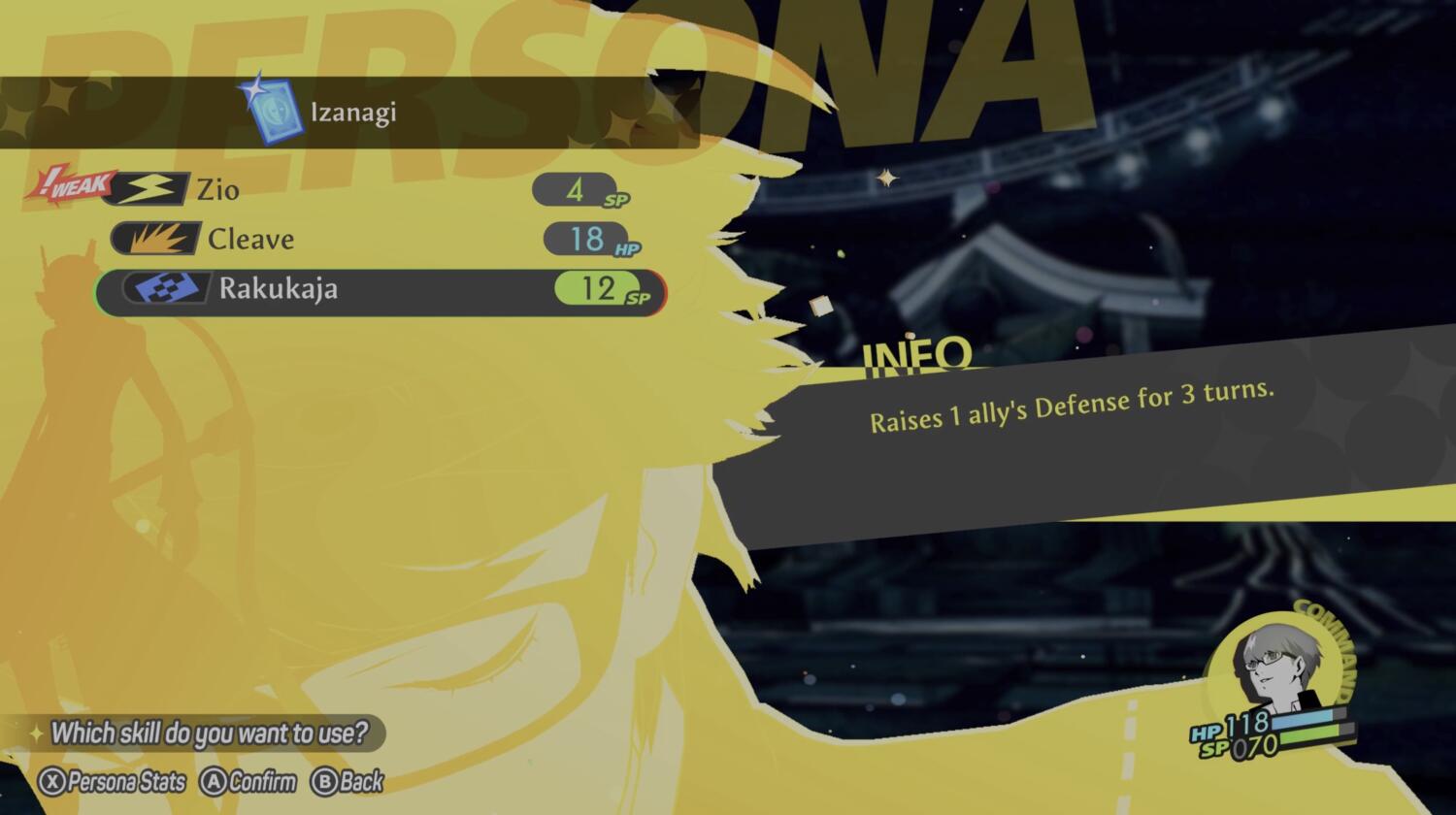
The larger idea, per general producer Kasuhisa Wada, is to create a cohesive system that rewards the use of skills and elements, built on underutilised features from past iterations and observations about player behaviour.
“The bad status and normal attacks were very infrequently used in the previous Persona 4, and I thought that was such a waste, so I wanted to combine those two and make it a better system,” shares the franchise veteran in an interview with Southeast Asian media at Tokyo Game Show (TGS) 2026, adding that he noticed that players often wouldn’t use, or are hesitant to use, new skills because of the SP cost.
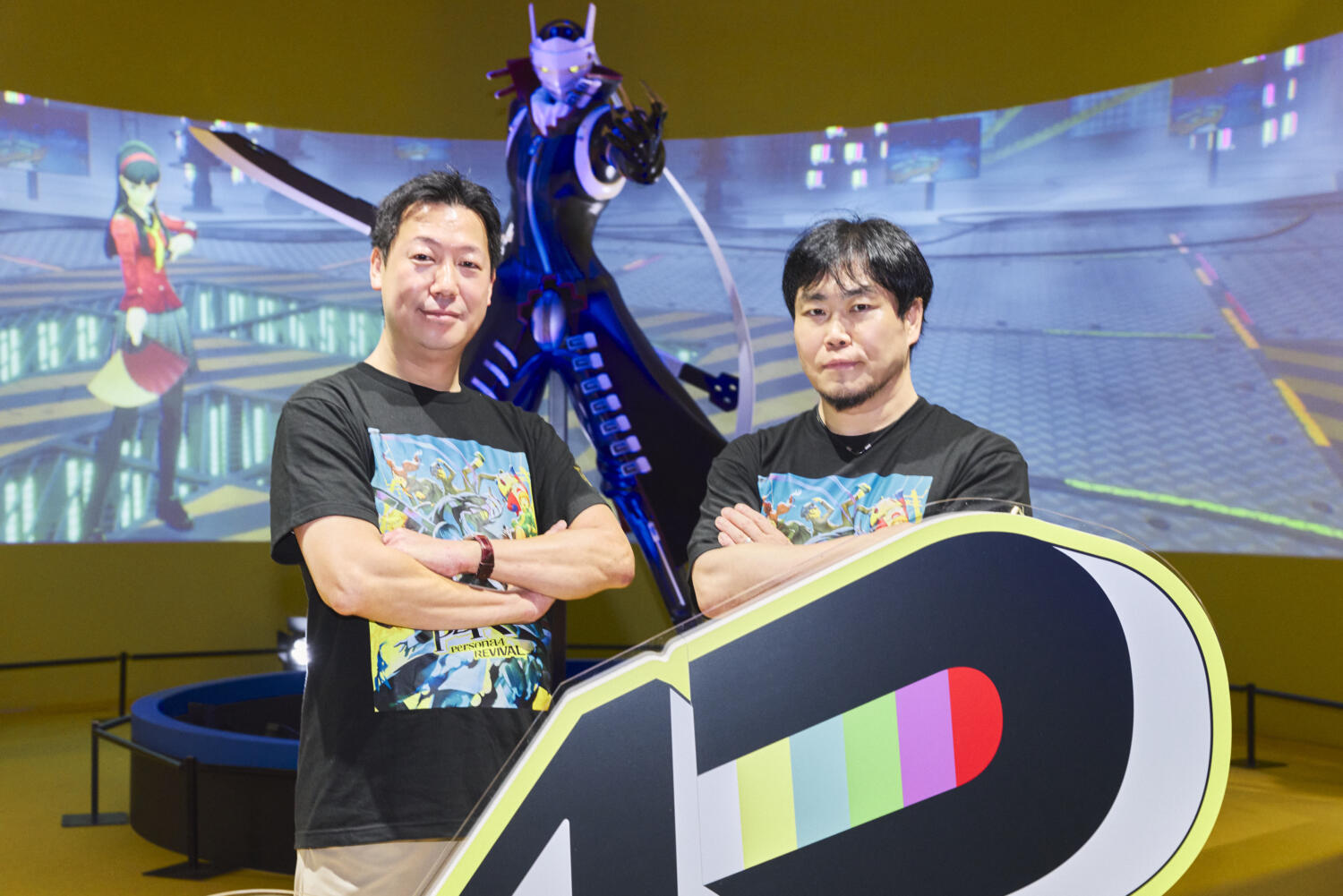
“I feel like these two systems will be really enjoyable for battles. We want players to use more of the skills and elements, and it’s an incentivising system.”
Outside of (and somewhat related to) combat, wrinkles to the formula include the ability to block hits from Shadows and sprint within dungeons. The former functions more like a traditional guard than a parry, leaving enemies open to player-initiated attacks that grant a Player Advantage, which also triggers when striking them from behind, or give the party enough time to flee. It’s not a major refinement, but having another out will always come in handy, especially against powerful late-game foes.
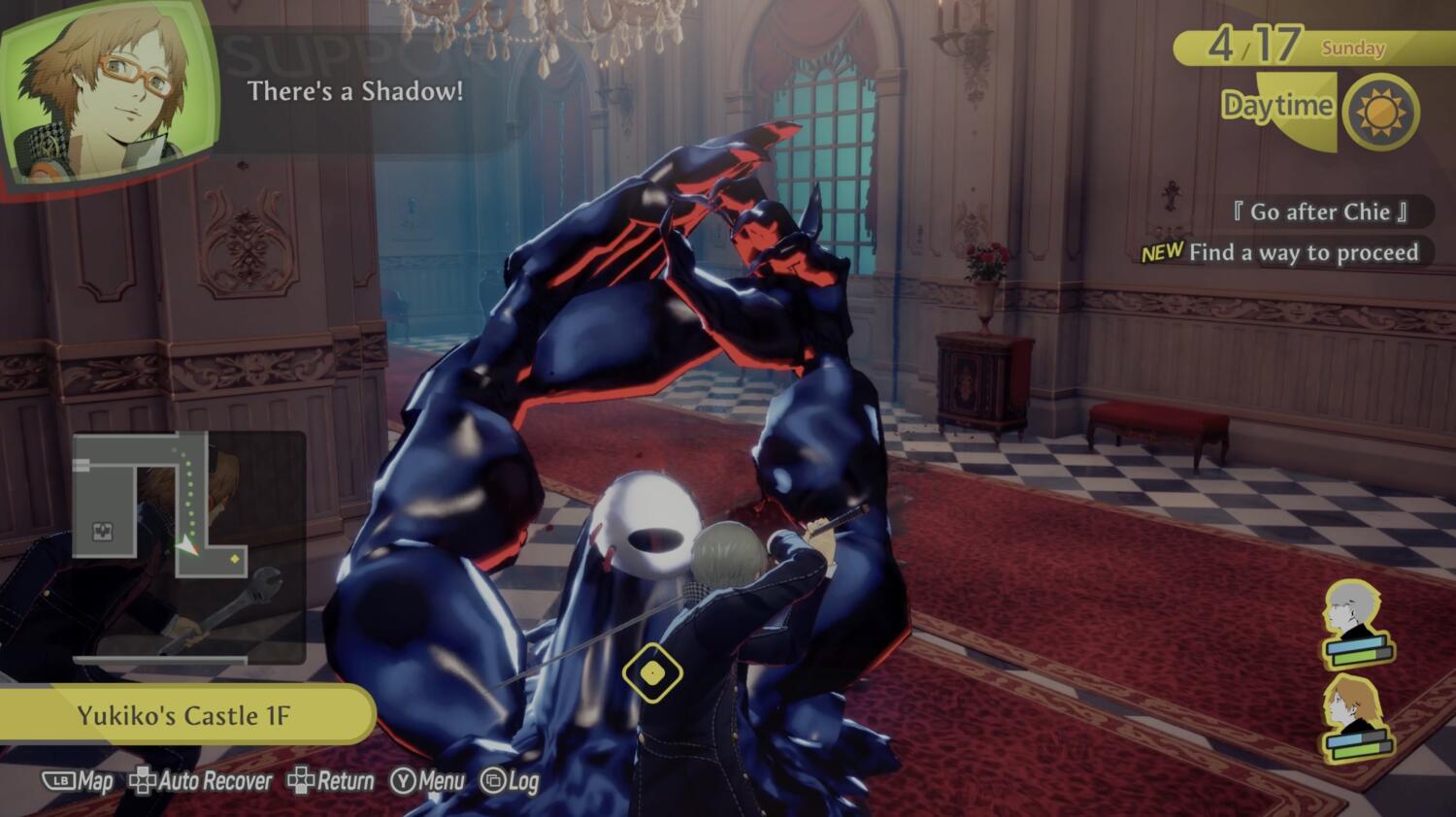
Barring a shinier look, much of Yukiko’s Castle remains unchanged, for better or worse. The design is still linear and boxy, if less tedious to trawl through, with none of the puzzles seen in Persona 5. A trail of yellow sparkles now guides players to the objective (ironically, it only pushed the curiosity to head off in the opposite direction), and the hand-holding can get slightly excessive, so hopefully there will be an option to turn it off. Again, no changes to the story beats leading up to the confrontation with Shadow Chie, whose maniacal laughter in the Japanese dub (Yui Horie) is certain to impress.
Where Persona 4 Revival differs is in its non-procedural approach to dungeon navigation. Rather than an algorithmic patchwork of randomised spaces within a fixed layout, they are now manually handcrafted and feature interactive elements to address feedback that previous designs felt too homogeneous, such as breakable objects that hold HP- or SP-restoring items.
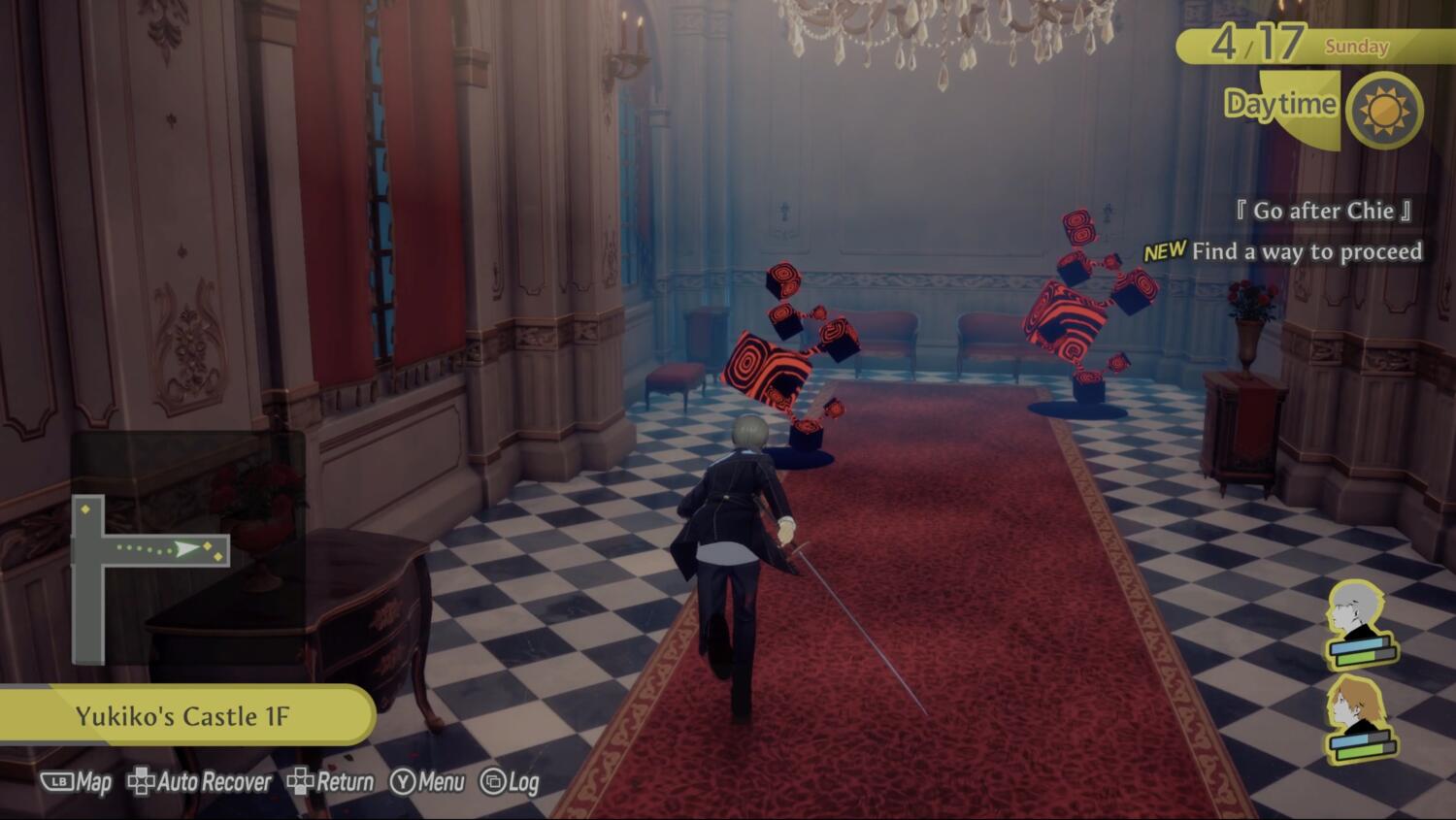
“The dungeons are not as detailed as the palaces in Persona 5, but we made the dungeons by hand, and the floor numbers are about equal [as before],” explains Wada, who describes them as more “battle-oriented”. “We’ve added a few more actions, gimmicks, and destroyable objects, so the dungeons are a little bit more interactive this time round.”
Now that the battles are over, it’s time to revisit Inaba Town. Old-timers will easily recognise the main commercial district and its various businesses, including Junes Department Store and Samegawa River, although most stores were shuttered in the preview. Eschewing the fixed perspective of before, Persona 4 Revival lets players appreciate their environments in greater detail with a free-looking camera, which in turn increases immersion.
There are non-negotiables, of course. As the central setting, the rural, small-town spirit of Inaba still holds up even after 18 years and two games, so preserving that for newcomers is a given, especially since it was intended to have players sympathise with the daily lives of the characters – a core theme in the game.
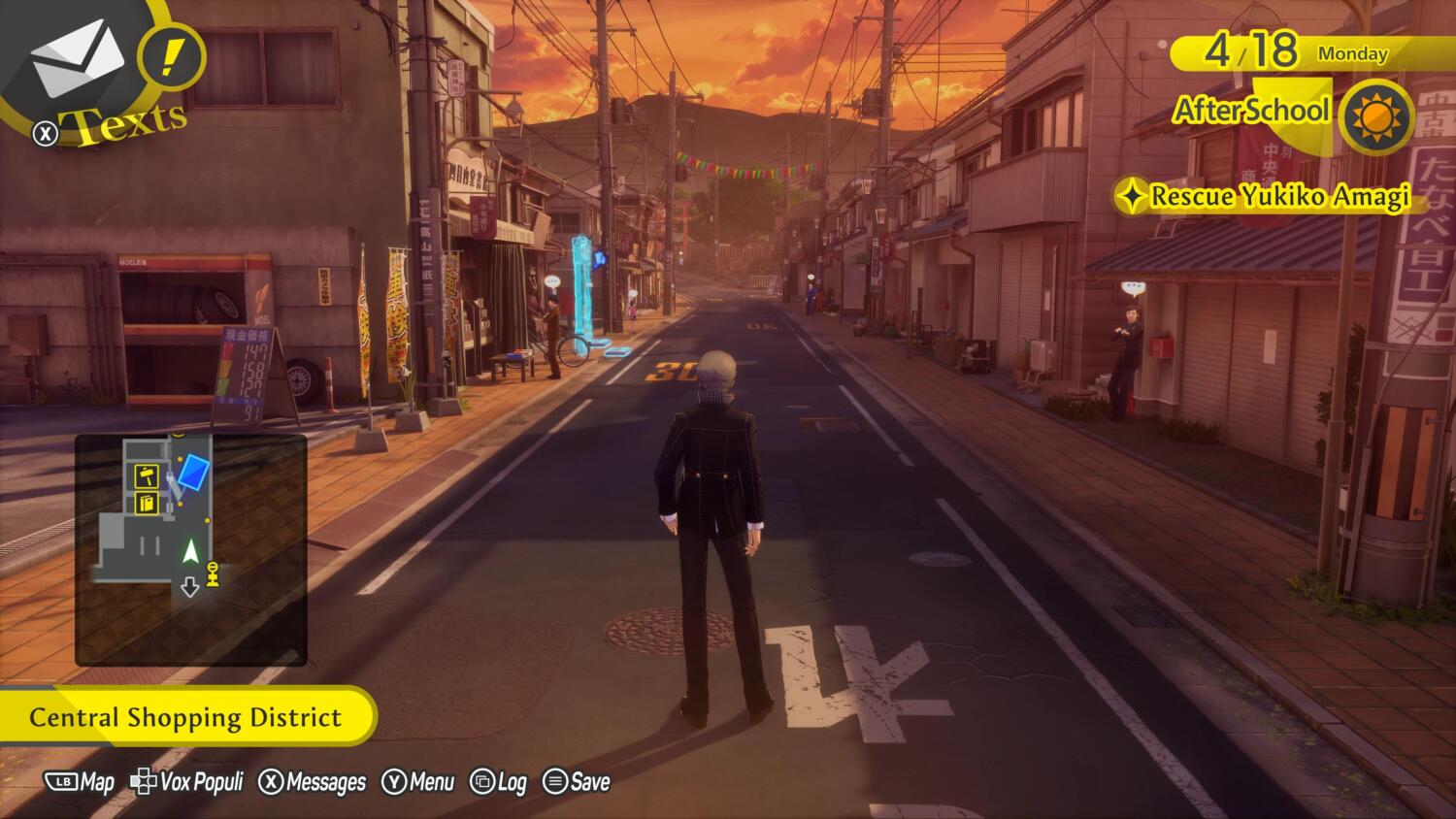
“There won’t be any new areas in Inaba City, but we created a more seamless map, and players can navigate it more easily,” the general producer points out. “One additional thing is the rural atmosphere of Inaba; it’s more of a small-town atmosphere, and we cannot change that.”
After returning to other familiar haunts like Yasogami High School and the Dojima household at night, only the Velvet Room remains. The same routine applies: interact with Igor and his denizens, fuse a couple of Personas, check Fusion Forecast bonuses for the day, and start Marie’s Social Link that, for a quick refresher, involves eating meat skewers and a trip to the park.
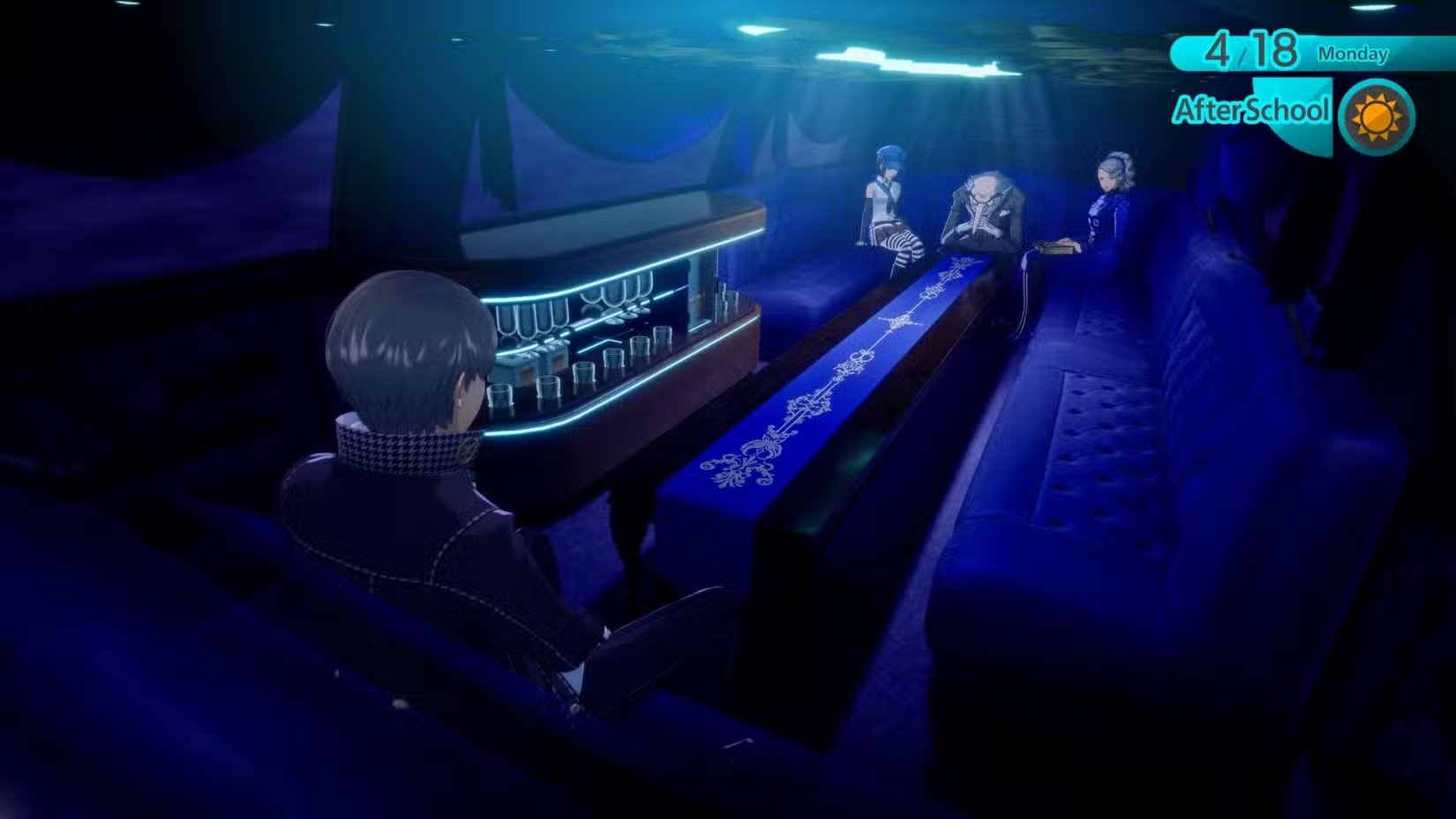
Building on the widespread consensus that maxing Social Links out was a little challenging on Persona 4 Golden, the team rebalanced specific elements to make the process easier here, including raising the frequency of encounters with Social Link members around town and adjusting the protagonist’s personality parameters. Fresh additions, meanwhile, include the rollback feature first introduced in Persona 3 Reload, allowing players to save before making important choices; Persona 5’s Social Link Abilities that grant new specific abilities based on Social Link status; text messages, carried over from both aforementioned titles; and a karaoke feature.
That’s not to say time will not be a factor. The system still revolves around the clock, but has been refined to let “each individual player feel a sense of accomplishment on their own,” in Wada’s words, removing the need to follow a specific chart to hit the maximum Social Link level. Funnily enough, these tweaks were modelled after learning points from the player’s experience, as the general producer recalls wryly:
“When we made the original version of Persona 4, we didn’t intend for every Social Link to be maxed out, and so when players found a way to do so, we were very surprised, and that helped us as well.”
Considering that the characters have always been the beating heart of the series, the emotional investment in them shouldn’t come as a surprise. Persona 4 Revival, following in the footsteps of its forebears, won’t be no exception, especially since the rural, close-knit community of Inaba Town, as mentioned earlier, feeds into the empathy narrative. To recreate and elevate the experience, the forthcoming adventure will give the cast a makeover, starting with personalised behaviour.

“Persona 4 Golden had a more caricatured sort of appeal, but it’s become more realistic. The head-to-body ratio is a little bit more realistic, so the motion has been updated as well,” explains director Daisuke Yajima. “For example, the characters’ eating motion is more realistic, so we could make their motions a bit more personalised here.”
Next is the voice work. Like Persona 3 Reload, it boasts a brand-new English cast for the primary and supporting characters, sans Johnny Yong Bosch, the protagonist’s original voice actor, who returns as Tohru Adachi. Nazeeh Tarsha takes over the role, joined by Paul Castro Jr. as Yosuke (replacing Yuri Lowenthal), Anne Yatco as Chie (formerly Erin Fitzgerald), Brianna Knickerbocker as Yukiko (Amanda Winn Lee), Laila Berzins as Teddie (Sam Riegel), Amber Lee Connors as Naoto Shirogane (Valerie Arem), and Ari Trash as Marie (Eden Riegel).
The Japanese voices, in contrast, are unchanged, and to ensure consistency across both versions, they were recorded first, with the audio and video tracks serving as references for the English cast during their turn. Between the voice direction and improved graphics, Yajima shares that major scenes will feel “more moving”, such as the confrontation scene between Nanako and her father, which is now “a lot more emotional”.
To that end, more nuance and emotional depth can also be expected. “The stories about Kanji and Naoto can seemingly be iffy at times, but if you take a closer look at it, you’d understand that it’s a lot more sincere,” he teases afterwards.
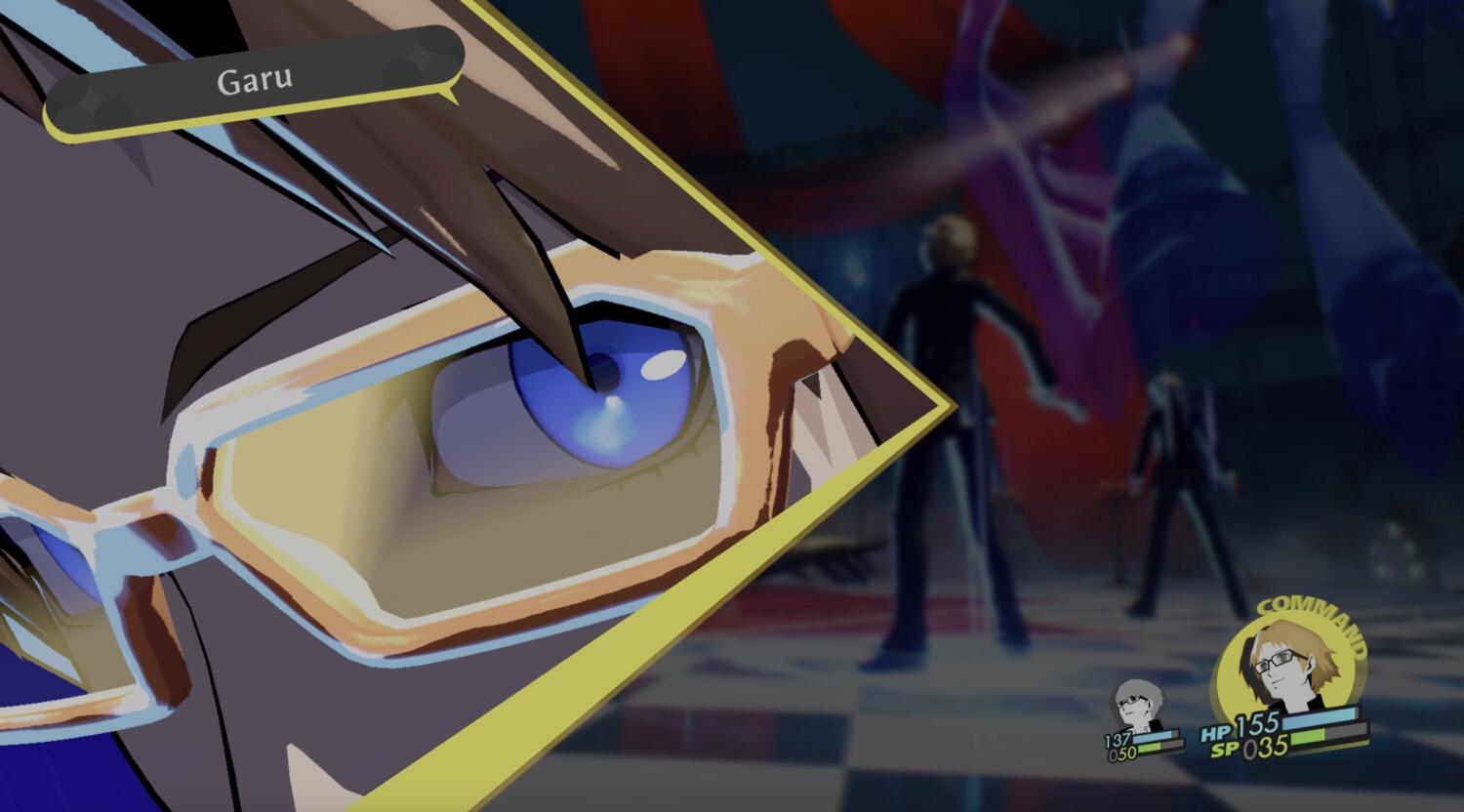
Naturally, a one-hour preview is hardly an accurate indicator of a 100-hour-long romp, but returning veterans can nip their concerns in the bud. It’s almost as if the Persona 4 experience never left, with the initial story beats unfolding the same way as before, and the various gameplay refinements only help its case. Then there’s the audio-visual department – snazzy, dynamic cut-ins and menu interface elements set against an exceptional score that transitions seamlessly between dramatic, blood-pumping battle music and mellow flair. It seems third time’s still the charm for now, even if the experience isn’t as refreshing and novel as the first two times.
Persona 4 Revival releases for PS5, PC, and Xbox Series X|S on 18 February 2027, with the Nintendo Switch 2 version following on 20 May.

Si Jia is a casual geek at heart – or as casual as someone with Sephiroth’s theme on her Spotify playlist can get. A fan of movies, games, and Japanese culture, Si Jia’s greatest weakness is the Steam Summer Sale. Or any Steam sale, really.