As the new age of foldable smartphones continues, every company seems determined to one-up the competition with each new release, even if that offering doesn’t always quite deliver. Some have decided to take the plunge by shaking up the formula entirely, such as Samsung’s Galaxy Z Fold 8 with its eye-catching 4:3 aspect ratio, while others are more content to continue touting improvements on established norms, such as American tech giant Google and its Pixel phone line-up, with its latest flagship foldable, the Google Pixel 11 Pro Fold.
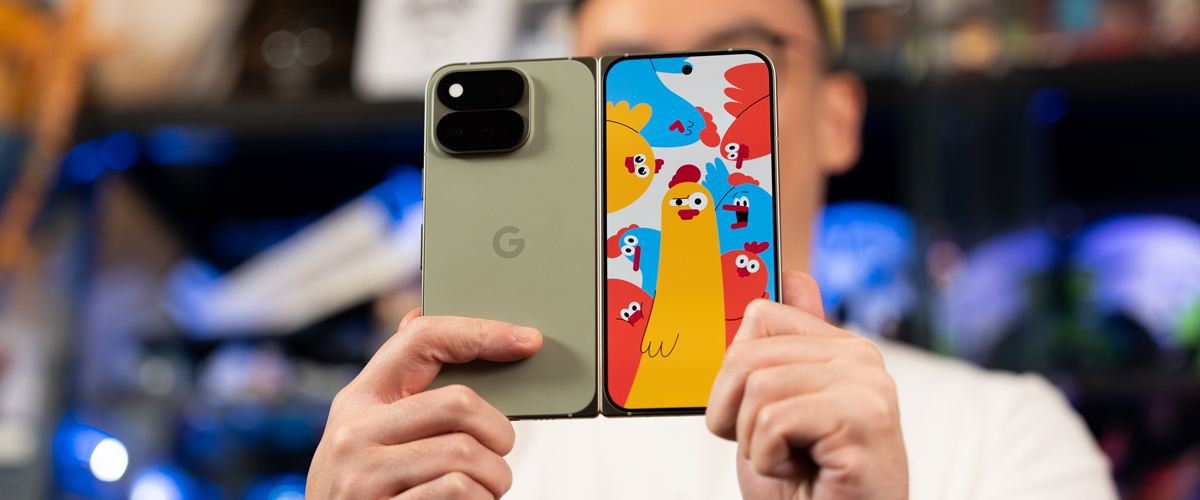
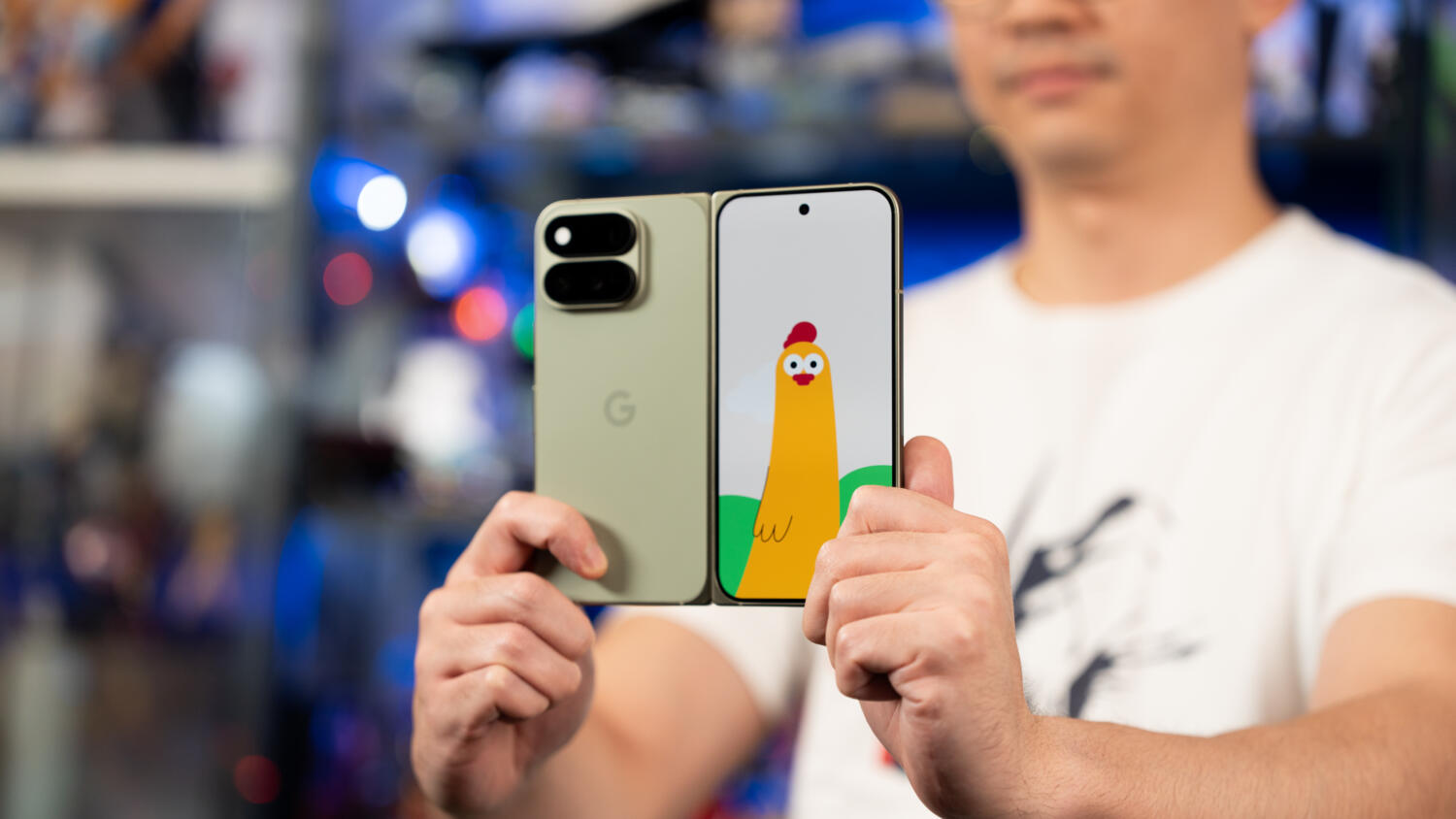
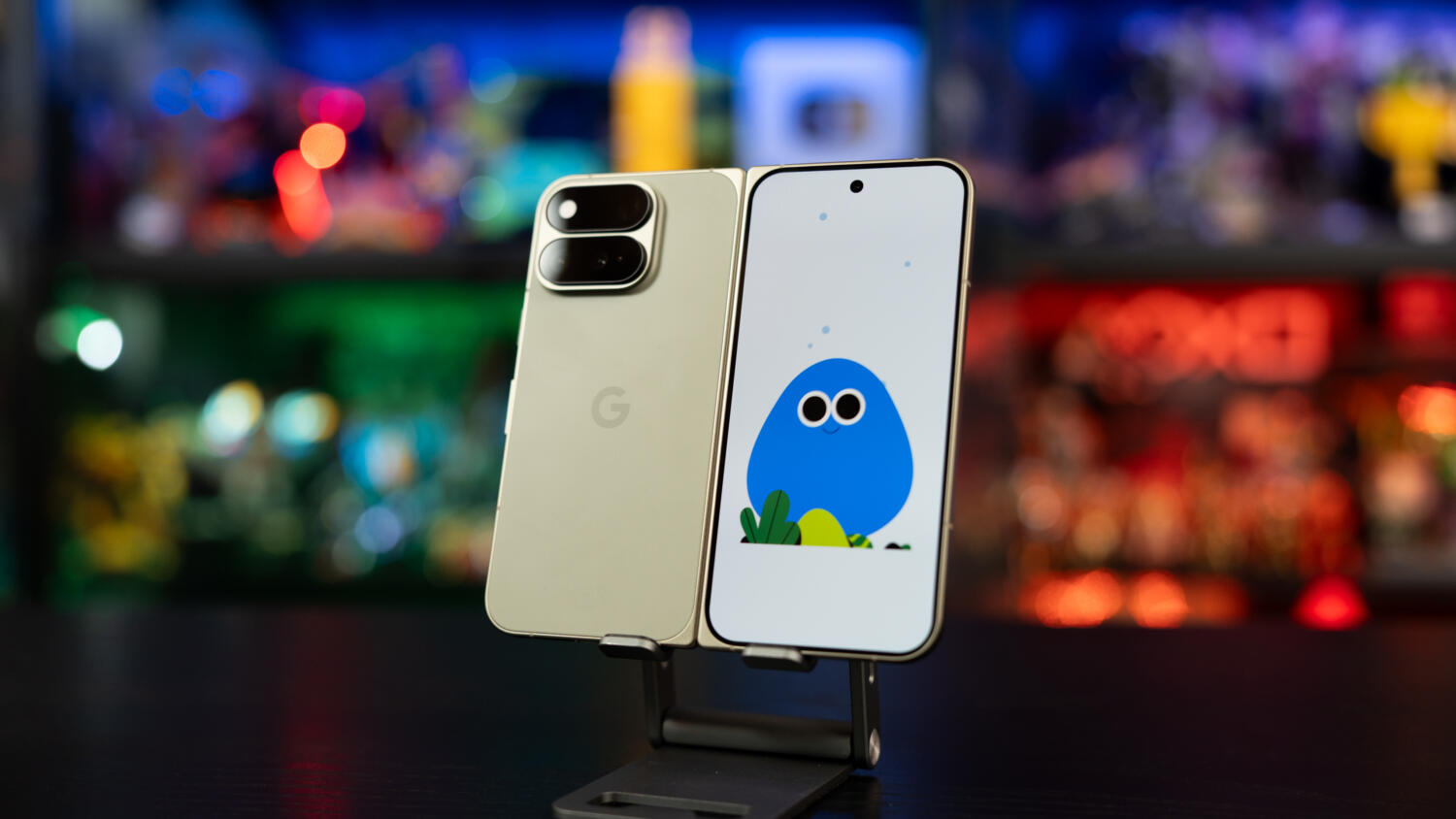
Featuring the same asymmetrical edge design (while folded) as seen on past Pixel Fold iterations, the Pixel 11 Pro Fold features a slightly smaller form factor when folded compared to its predecessor, measuring 155.2 x 76 x 10.1 mm (versus the 155.2 x 76.3 x 10.8 mm seen on the Pixel 10 Pro Fold). While this difference is negligible, what’s more noticeable here is the device’s weight, which has been cut down from the previous version’s 258g to 239g.
Despite being lighter, the similar squarish design of the Pixel 11 Pro Fold’s rear camera cutout means that the device is still slightly head-heavy, and it still doesn’t sit entirely stable while lying flat thanks to the cutout being flush to the left.
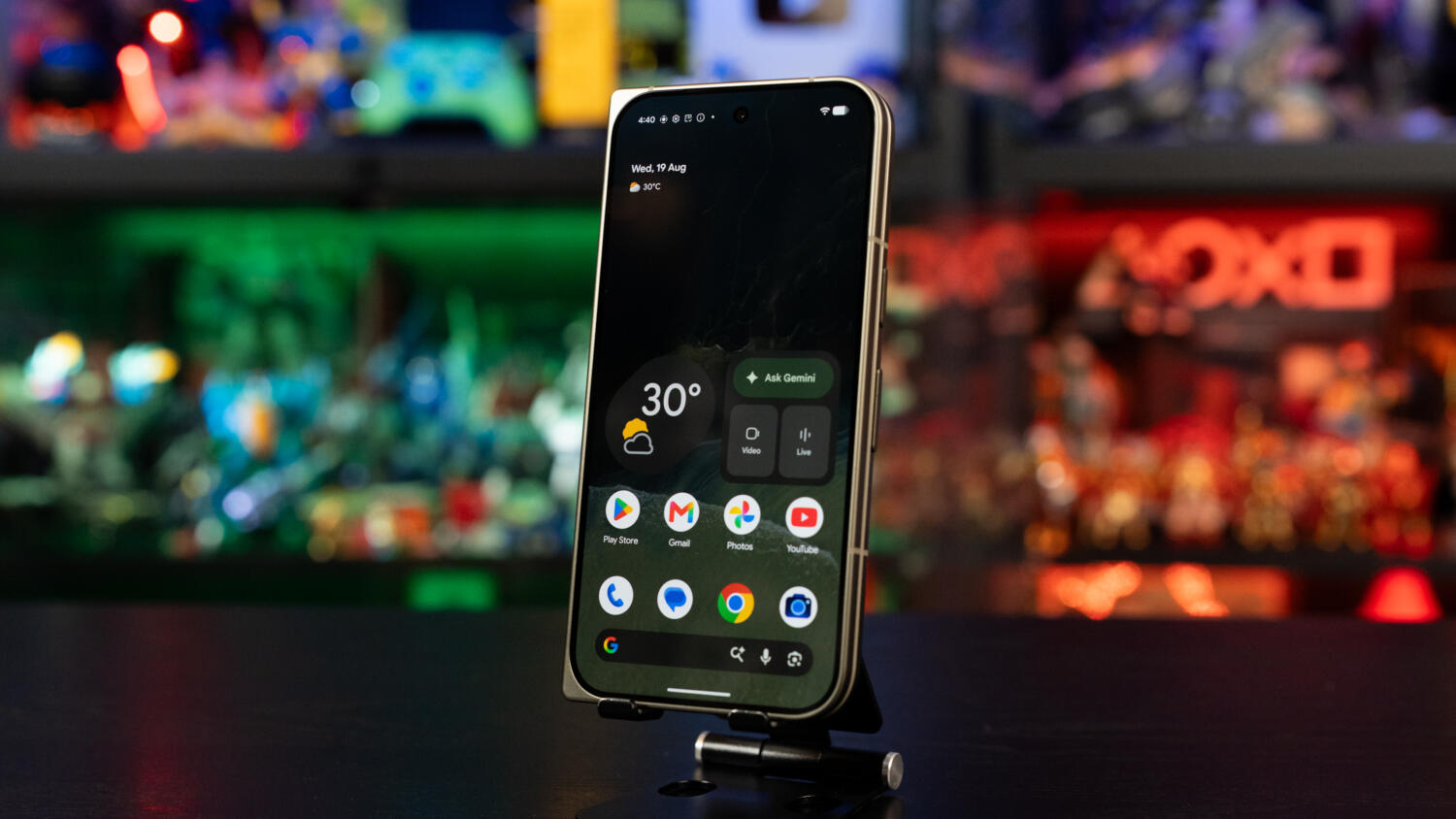
Display-wise, the Pixel 11 Pro Fold sports a 6.5-inch, 2,342 x 1,080 resolution OLED display with a refresh rate of 120Hz, which delivers the sharp and smooth visuals users expect from a modern flagship smartphone, with the added benefit of having the thinnest bezels on a Pixel Fold device to date.
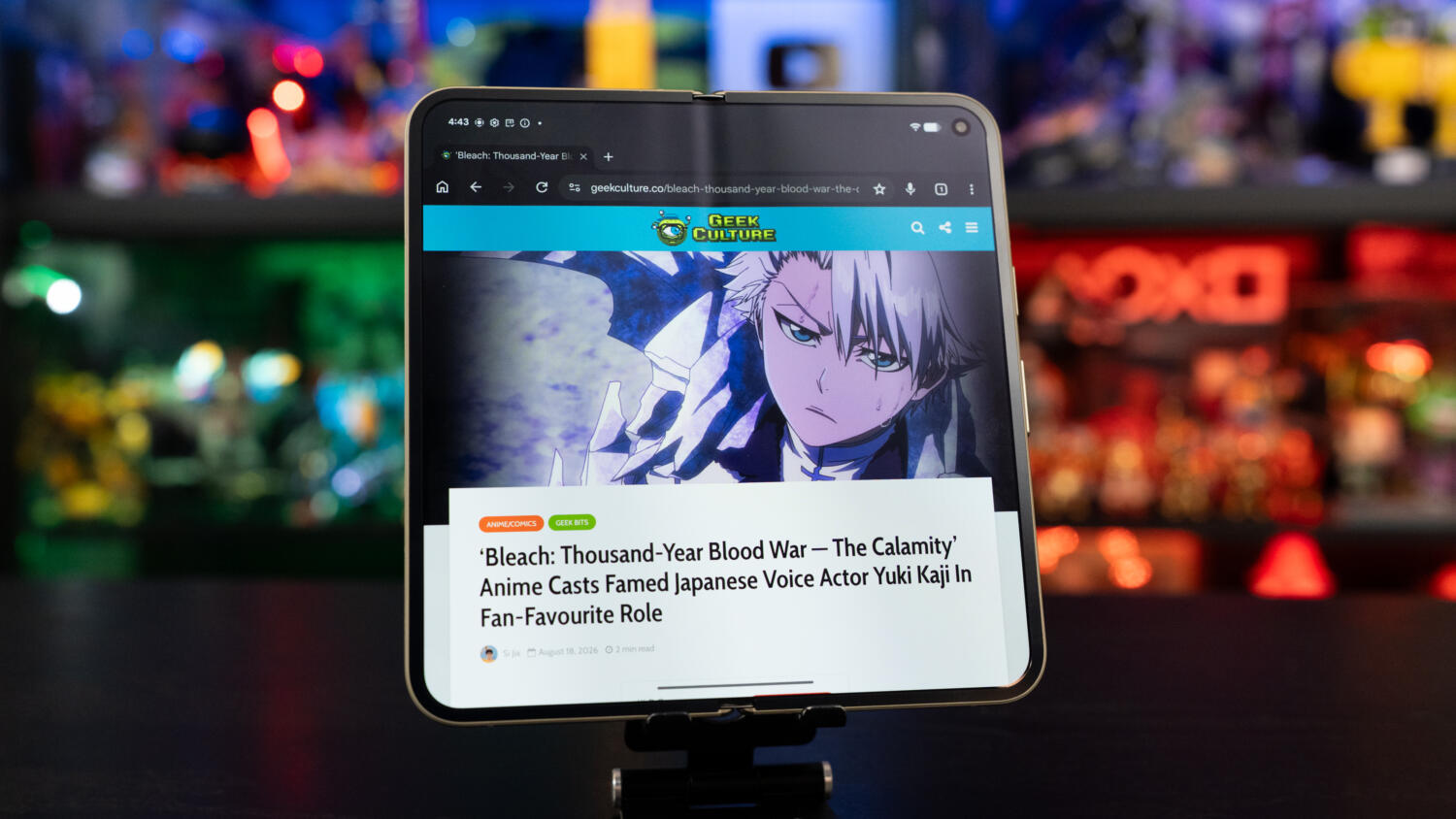
Opening the phone up reveals its eight-inch main display, with the unfolded device measuring 155.2 x 150.4 x 5 mm. Again, while it’s slightly thinner than the Pixel 10 Pro Fold, the phone does have a noticeable oddity where one side of the phone is thicker than the other. While this doesn’t really affect the user experience, it’s still an unusual design choice.
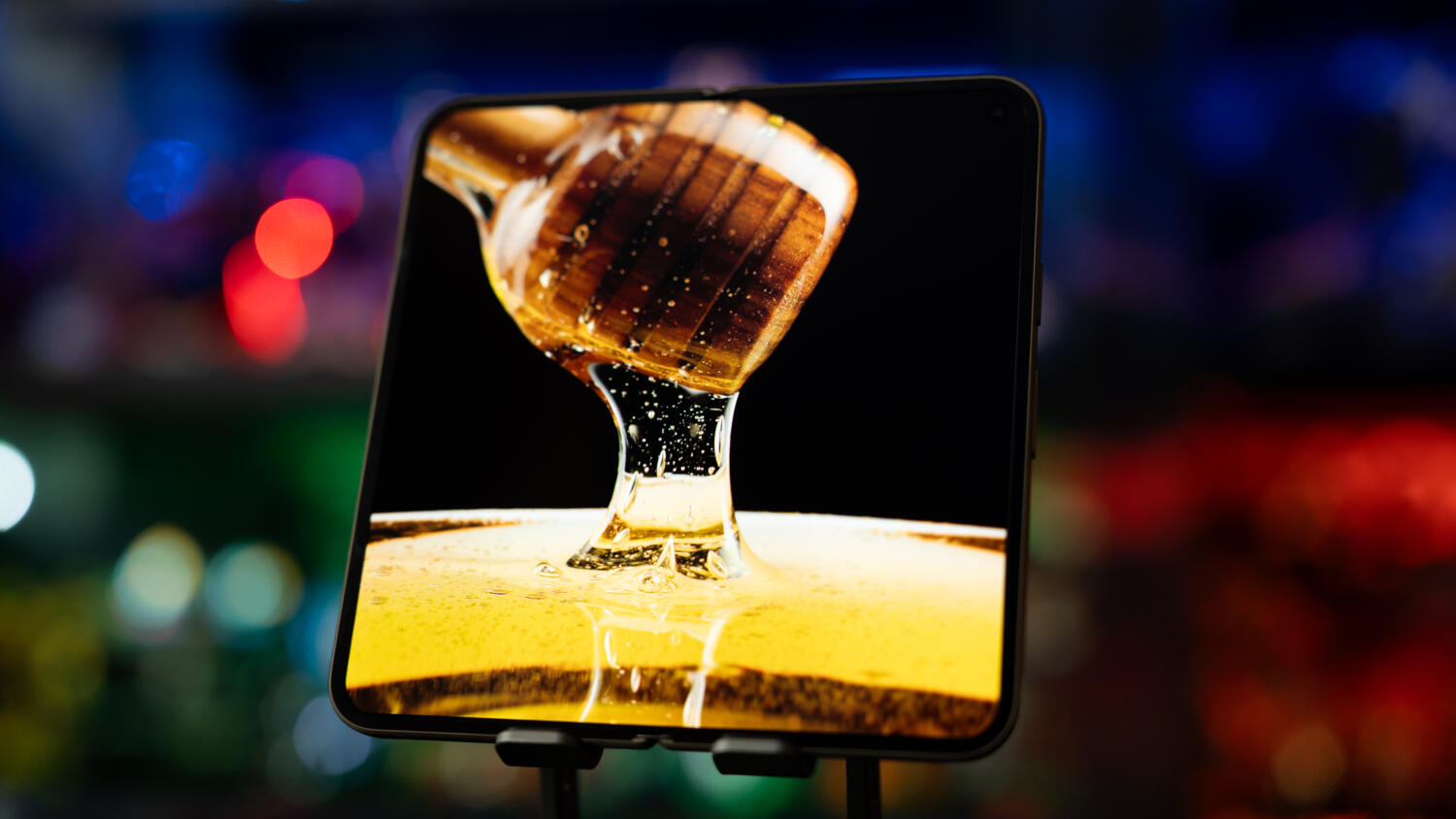
Like its cover display, its LTPO OLED 2,152 x 2,076 resolution main panel touts a 120Hz refresh rate and slim bezels, with both screens also featuring the highest peak brightness seen on a Pixel Fold device at 3,600 nits. This means that watching videos on YouTube or scrolling through the web was a smooth and hassle-free experience, even under the brightness of the afternoon sun. Google has also made some progress in reducing the visibility of its centre crease, but compared to other recently released foldables, the one seen here is still the most noticeable of the bunch.
As a foldable, multitasking is always a key feature, yet the Pixel 11 Pro Fold adopts a rather prohibitive split-screen mode that only supports up to two screens side-by-side – which seems basic compared to other brands – but it also introduces the Bubble feature. Bubble allows users to add up to five apps to a floating window on the screen, which they can then switch to with a few quick taps. It’s a neat feature to have, but it doesn’t necessarily make up for the fact that having a limit of just two windows on screen at once is a step back from its competitors.
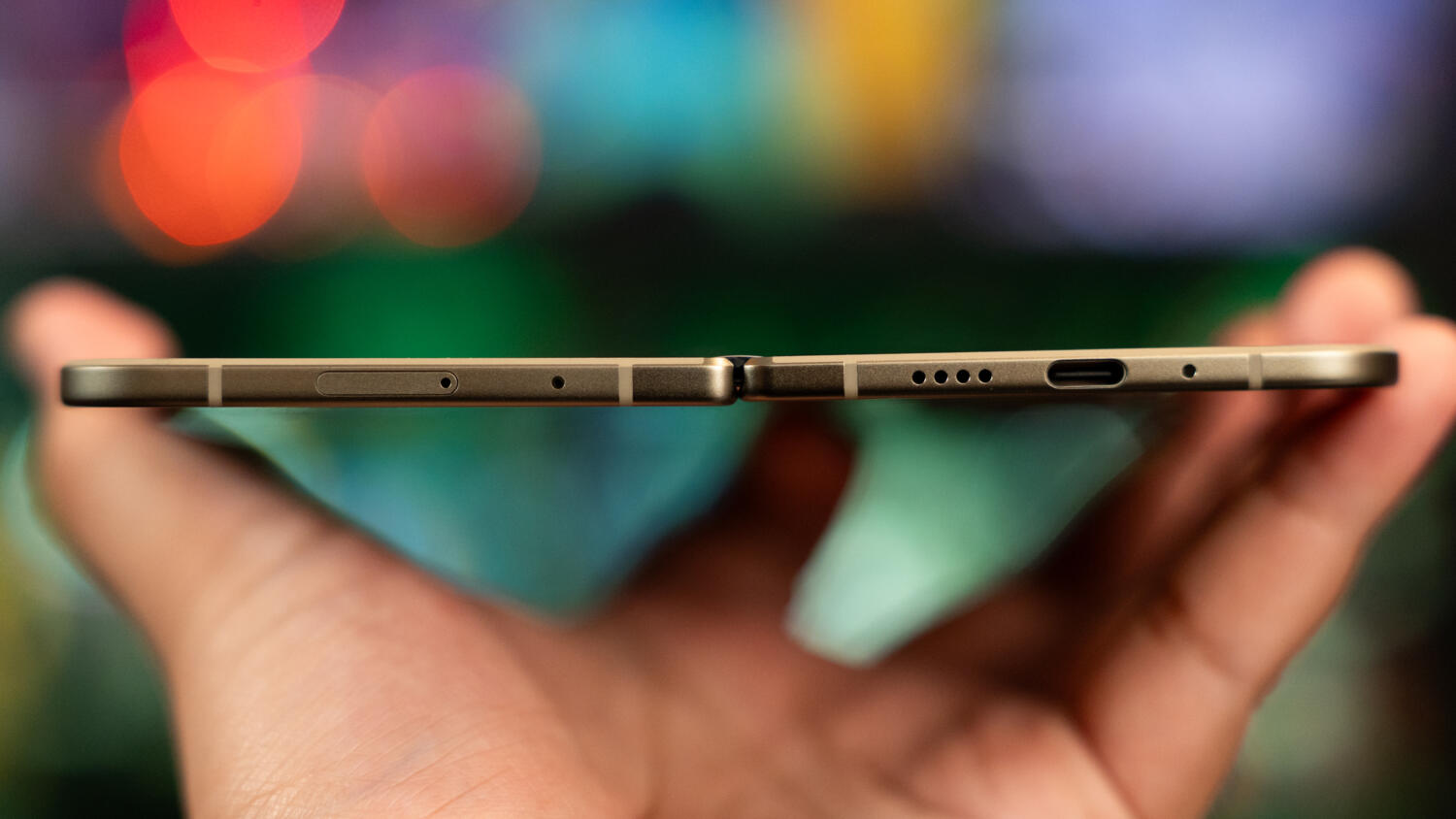
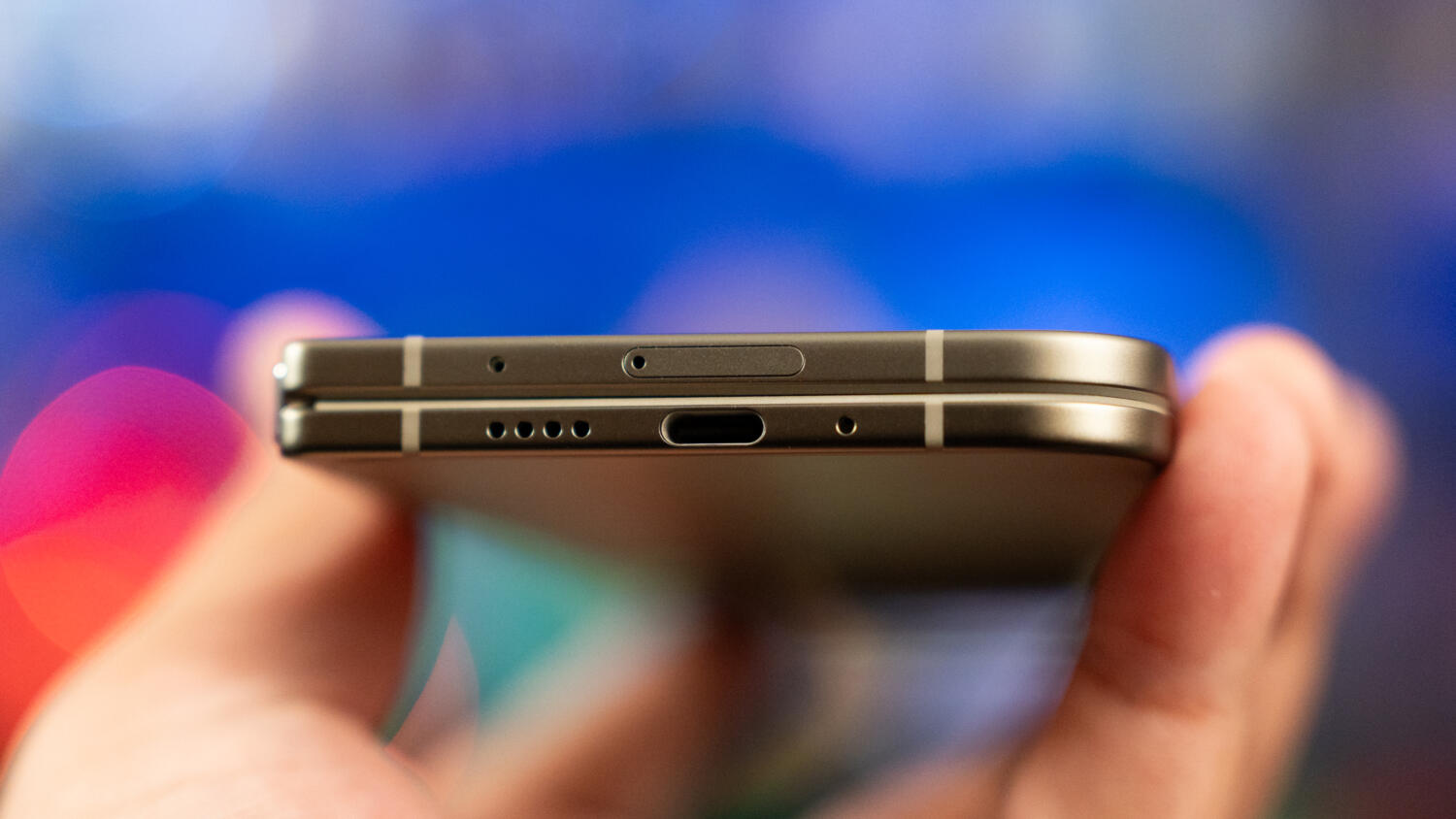
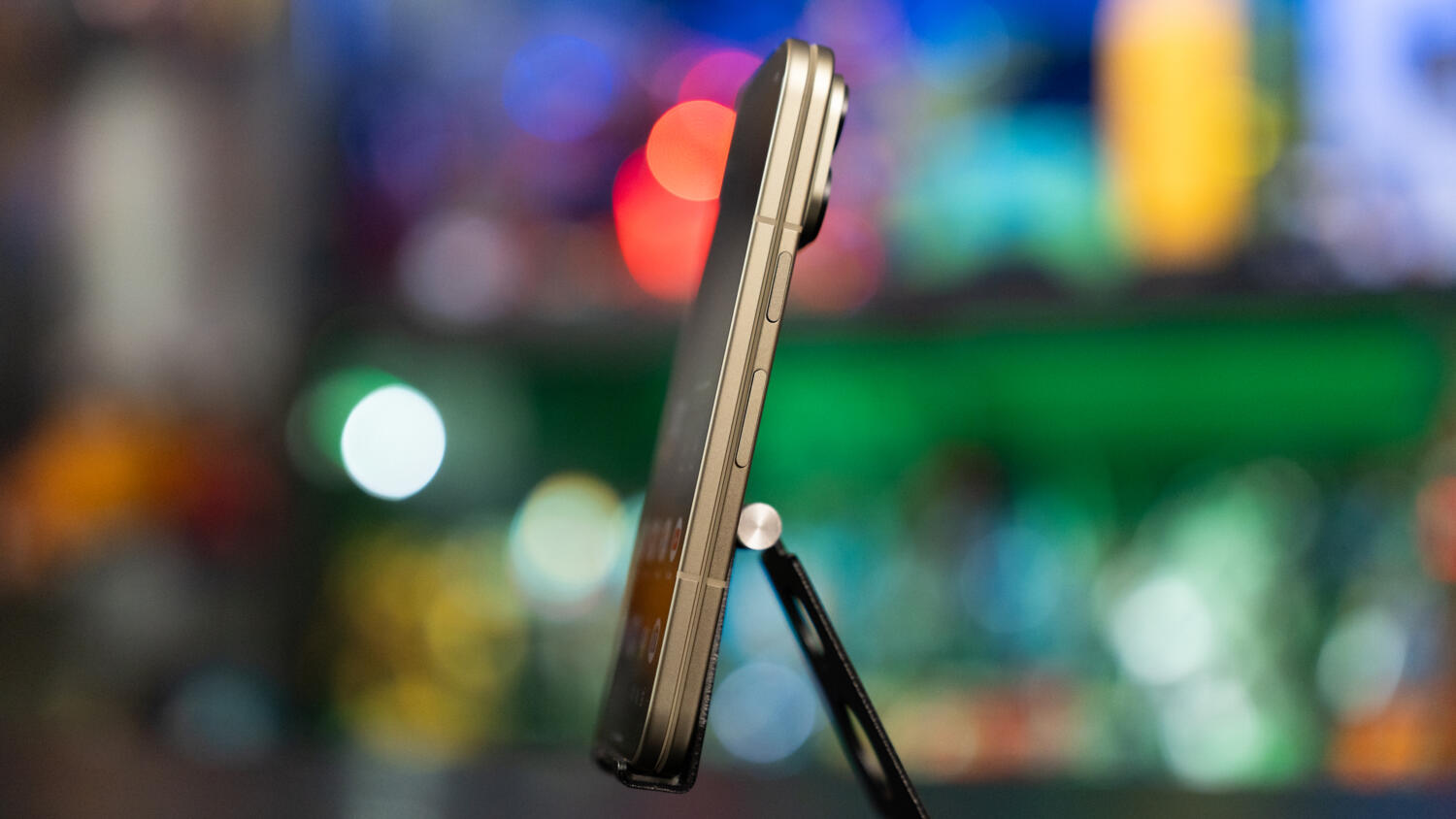
In terms of its build, this newest iteration makes some slight changes from its predecessor, with its SD Card holder now sitting at the base of the device alongside its USB-C port. Its power button still sits above its volume rocker on its right edge, which is the opposite orientation of most foldables, so it might take some getting used to.
While having the aforementioned asymmetrical design makes sense to preserve a streamlined body shape when unfolded, this does mean that the left corner is noticeably less rounded while folded, which makes it more uncomfortable to use in the left hand. In addition, despite being slightly thinner compared to past iterations, the Pixel 11 Pro Fold is still one of the chunkiest foldables on the market right now, although the upside here is that the phone feels durable and well-built in hand.
In terms of new features, the Pixel 11 Pro Fold unfortunately doesn’t come with that many, the most notable of which only being Rambler and HiLight. The former serves as a dictation assistant of sorts, allowing users to record voice notes by speaking in a natural manner, with Google AI then working its magic to remove filler words or edit mistakes.
HiLight, on the other hand, makes use of a new set of LEDs built within the device’s rear flash module, allowing users to set certain contacts to specific colours, so they can easily discern who is contacting them based on the colour of the notification light when the device is face down on a table.
While these new features are always good to have, they seem designed to serve very specific purposes, meaning most users probably won’t actually make use of them on a day-to-day basis, making them nothing more than gimmicks rather than actual device-selling features.
The other improvement the Pixel 11 Pro Fold brings is with regard to its internal hardware, which sees a CPU boost to the Google Tensor G6, alongside 16GB of RAM and 256GB, 512GB, and 1TB storage options. While this might seem like an upgrade on paper, the actual results, particularly when it comes to gaming performance, are anything but. While the phone operates incredibly smoothly during normal use, such as jumping through multiple tabs while in split-screen, the same can’t be said when playing games.
Booting up Delta Force, a mobile game that’s known for being well-optimised, the Pixel 11 Pro Fold struggled to maintain 60fps while running on its lowest possible setting. Running far more intensive titles, such as Zenless Zone Zero or Wuthering Waves, proved even more disastrous, with the former literally running like a slideshow once the action ramped up. What’s strange here is that these same titles ran decently enough on the Pixel 10 Pro Fold, which featured an older-generation CPU, and since these performance hiccups only occurred while gaming, this hints at some sort of optimisation issue with the Tensor G6 chip itself.
Despite this apparent “downgrade”, heat management continues to be a strong point for the Pixel 11 Pro Fold, as even as framerates started chugging, the device never heated up to the point of being uncomfortable. Still, all things considered, this isn’t a device you should pick up if you’re thinking of doing any sort of intensive gaming.
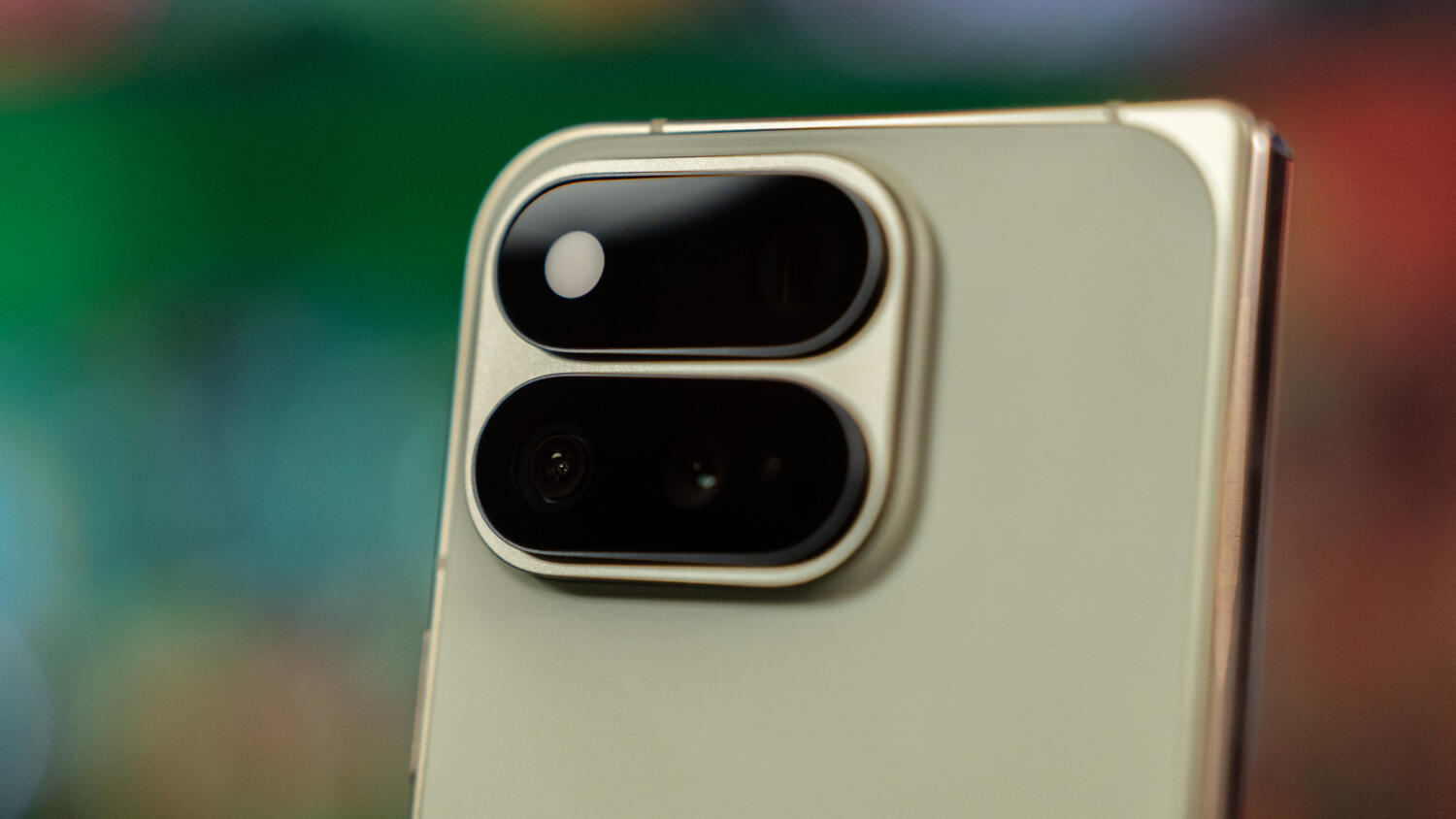
Another continued strong point for Google’s Pixel phones lies in their camera setup, and the Pixel 11 Pro Fold is no different. Housing a triple rear camera setup of a 48MP (megapixel) wide lens, a 10.8MP telephoto lens, and a 10.5MP ultrawide lens, the Pixel 11 Pro Fold produced natural-looking photos without excessive artificial touch-ups, something most other brands seem to rely on too much nowadays. Low light performance was surprisingly strong too, with images still managing to retain their detail in tougher lighting conditions.
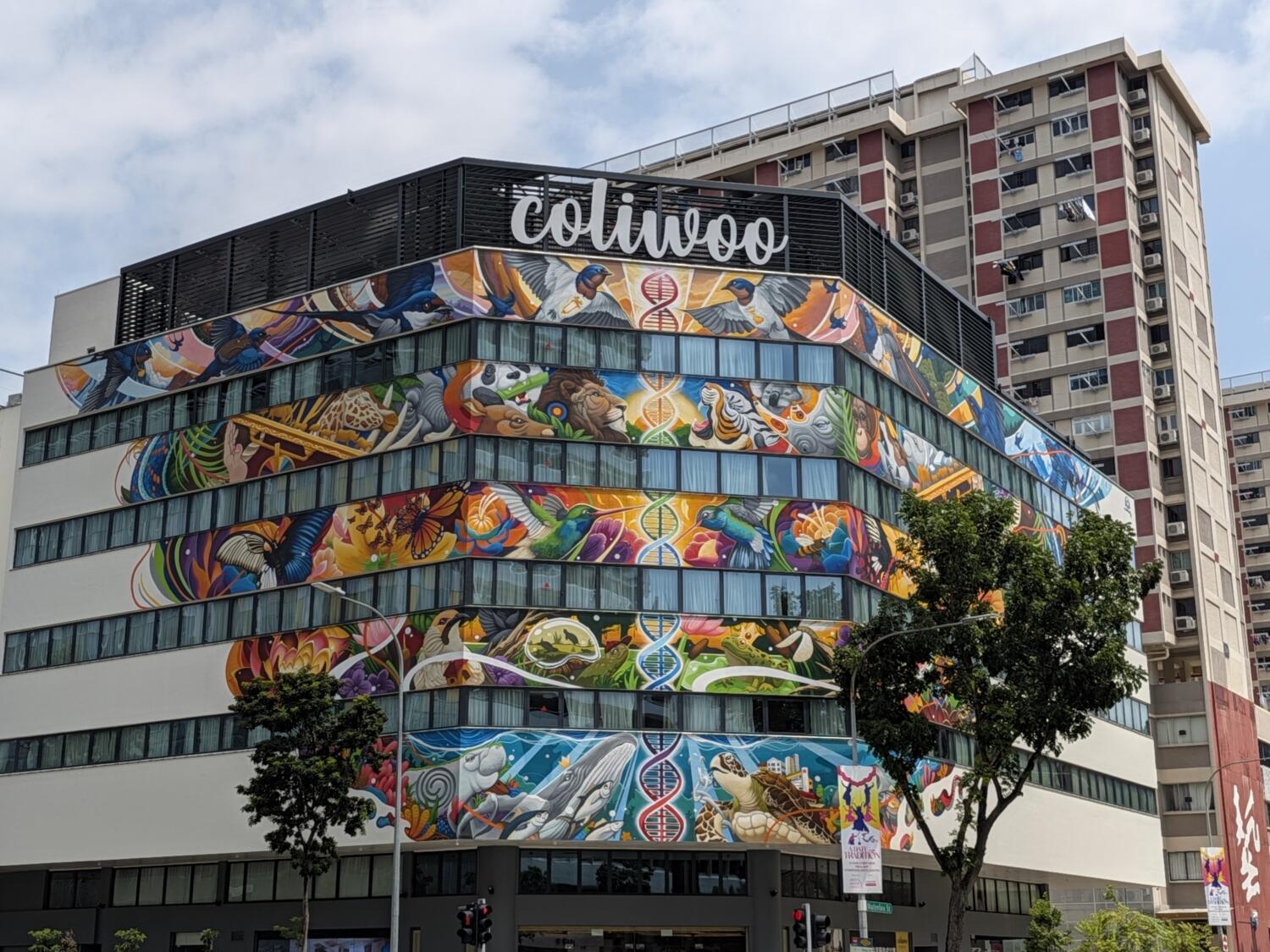



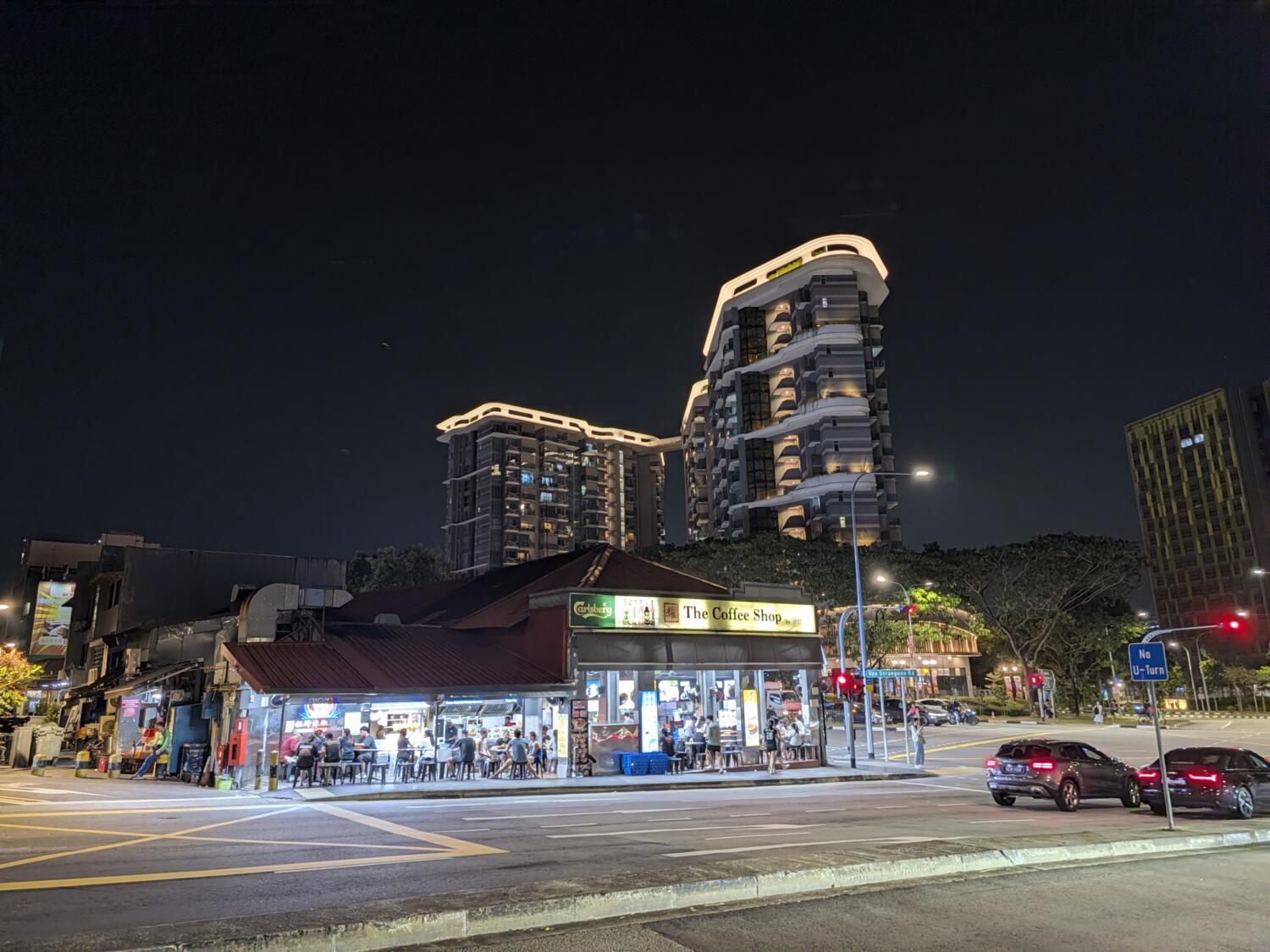
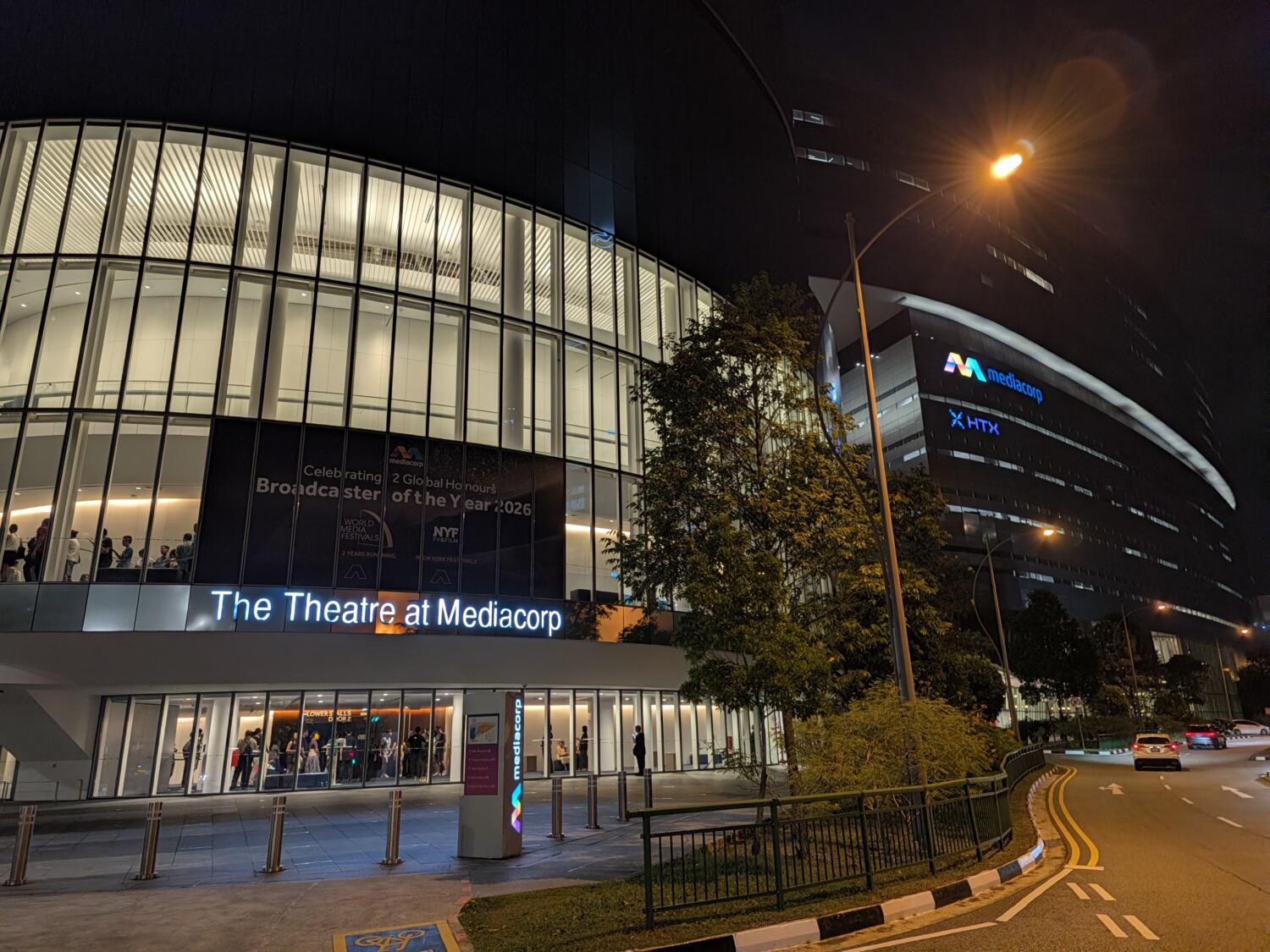


Google also introduced its first-ever 30x optical zoom for its foldable line-up, and while sharpness is understandably lost at such far distances, overall image quality remained decent. In fact, the optical zoom quality of the device fares much better compared to its modern foldable counterparts, producing less fuzzy results overall.
The Pixel 11 Pro Fold also sees the return of some foldable-exclusive features, including the dual screen preview which makes use of both its cover and main screens, alongside Made You Look, an interesting feature where it plays a cutesy video on its cover screen that reacts and plays an animation when a subject smiles, which is useful for trying to get your young ones to focus their attention for a picture.
As smartphones keep getting bigger batteries with every iteration, it’s strange to see Google going the other way around, as the Pixel 11 Pro Fold actually features a smaller 4,806mAh cell compared to the 5,015mAh seen on the Pixel 10 Pro Fold. Naturally, this cutback was made in order to make the phone thinner and lighter, but it’s hard to see many who would appreciate this tradeoff.
Perhaps to make up for this shortcoming, the device features a greatly improved 25W wireless charging speed, with its built-in magnets being compatible with your typical MagSafe accessories. Wired charging speeds, however, remain the same as its predecessor at 30W, with the device able to be charged to full from zero percent in roughly an hour.
As a package, the Google Pixel 11 Pro Fold is the latest from one of the leading tech giants, but in our hands, it feels like it’s playing things too safe, offering not much of an upgrade from its predecessor. Normally, this wouldn’t be that much of an issue if it was the same price, except it’s not. Starting from S$2,499 for its 256GB variant, this marks a S$100 price bump compared to the Pixel 10 Pro Fold, and considering its limited improvements and even certain downgrades, particularly when it comes to gaming performance, Google’s latest foldable might be a tough sell, especially when there’s no shortage of better alternatives.
GEEK REVIEW SCORE
Summary
Google wants its new line-up to unfold differently from its competitors, but it’s taking the safe, boring route with the Pixel 11 Pro Fold. The device might offer some decent upgrades in terms of camera and build quality, but its lack of noticeable improvements, strange gaming hiccups, and a steeper price tag mean that it’s still one step behind the competition.
Overall
7.3/10-
Aesthetics - 8/10
8/10
-
Build Quality - 8/10
8/10
-
Performance - 7/10
7/10
-
Value - 6.5/10
6.5/10
-
Geek Satisfaction - 7/10
7/10

Kevin is a reformed PC Master Race gamer with a penchant for franchise “duds” like Darksiders III and Dead Space 3. He has made it his life-long mission to play every single major game release – lest his wallet dies trying.
 HSALS
HSALS
 Zinho De Costa