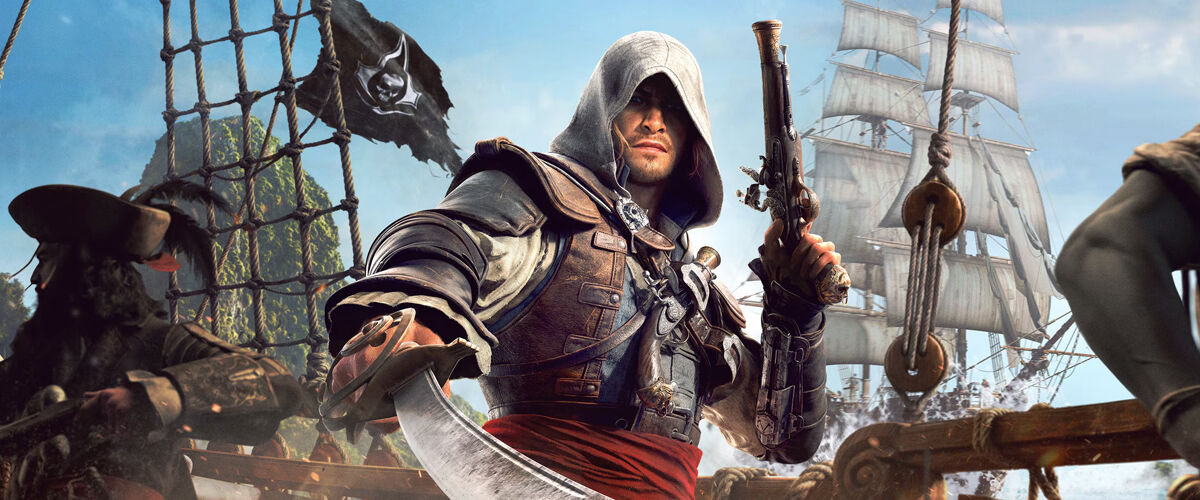
There once was a ship that put to sea, and the name of the ship was the Jackdaw, the iconic vessel of the pirate-turned-Master-Assassin Edward Kenway in the fourth chapter of Ubisoft’s flagship stealth-action franchise, 2013’s Assassin’s Creed IV: Black Flag. Lest you forget, though, soon may the Jackdaw come, to bring us sugar and tea and rum and 13 years later, the classic adventure is back with its ground-up remake, Assassin’s Creed Black Flag Resynced.
Considering that Black Flag was arguably the best entry in the series, simply bringing it to the modern gaming generation with a fresh visual overhaul would have been enough to rouse excitement from fans, especially those longing for a return to the franchise’s action-adventure roots, which it has since moved on from, but like a pirate hungry for booty, this remake is aiming high.
Helmed by Ubisoft Singapore, which reportedly comprises some of the same core members who worked on the original game, the team decided to go all out to do justice to this beloved title, now packed with a treasure trove of new content on top of its obvious visual overhaul. The final result allows Assassin’s Creed Black Flag Resynced to chart a parallel course towards becoming one of the best remakes of recent memory, standing tall alongside remake hits like 2023’s Resident Evil 4 and Dead Space.
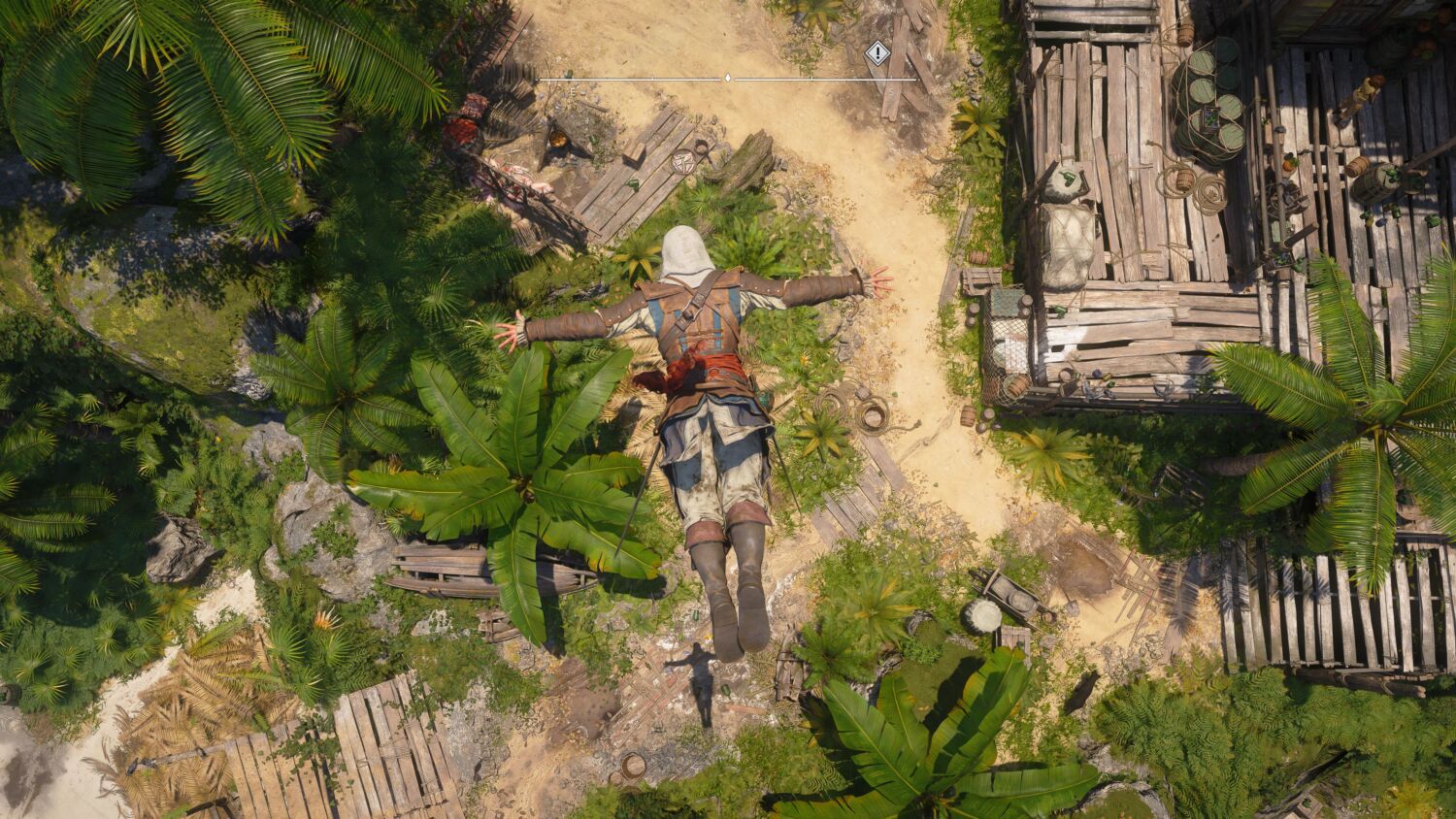
As a faithful retelling of the 2013 title, the remake has left the title’s core narrative intact, and truth be told, this is a smart move all around, as the original story continues to stand the test of time as not just one of the best in the franchise, but in video gaming as a whole.
Players will step back into the boots of Edward, an ambitious pirate looking to make it big during the golden age of piracy. When he inadvertently gains possession of a powerful precursor artifact after slaying the traitorous Assassin Duncan Walpole, Edward is slowly drawn into the agelong conflict between the Assassins and Templars as he seeks fortune in search of a mythical location, The Observatory.
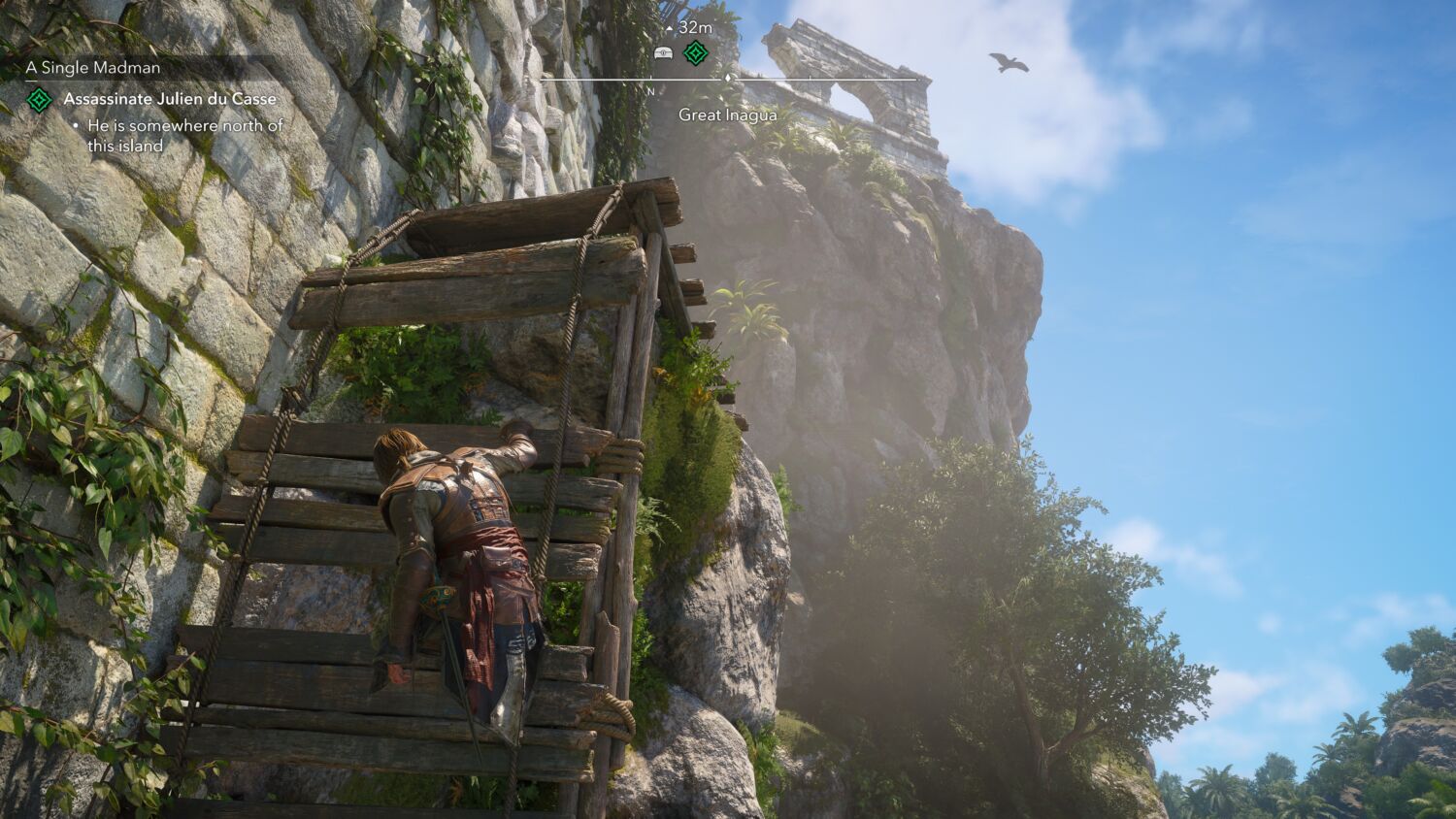
For those who have yet to dive into Edward’s adventure, this is one that has to be experienced firsthand, as beneath the overarching conflict lies a deeply personal tale of brotherhood, loss, and a narrative foundation of what it means to be part of a family.
And it’s these same foundations that Ubisoft has decided to expand upon with Assassin’s Creed Black Flag Resynced, as while the remake doesn’t include the original’s standalone expansion, Freedom Cry, which centred on Jackdaw quartermaster Adéwalé, it makes up for it thanks to a host of new missions that further fleshes out the original’s main campaign.
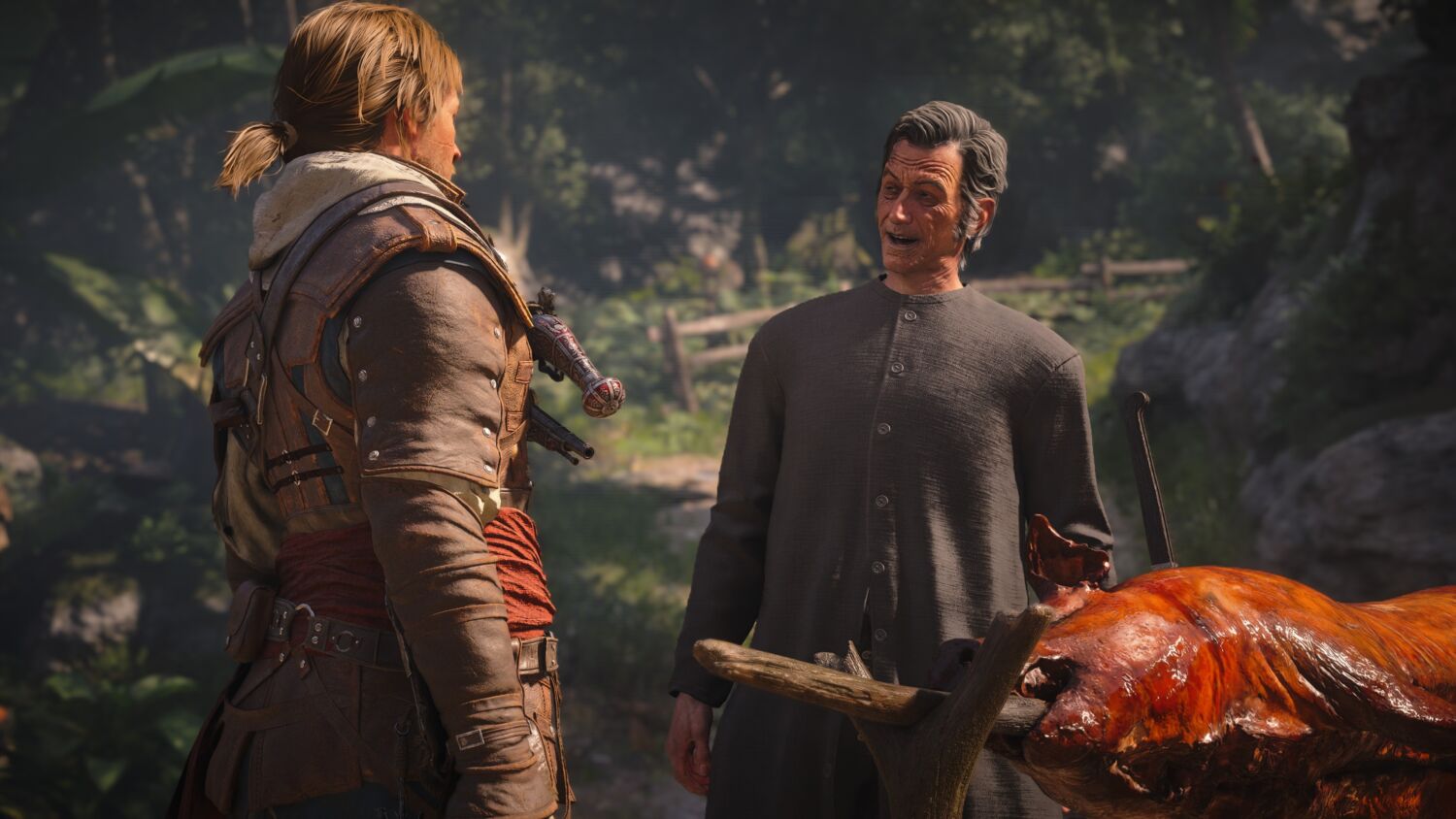
Without spoiling too much, these new missions focus on wrapping up the narrative arcs of some of the game’s most memorable side characters, explaining how their legacy left a lasting impact beyond Edward and the world around him. The remake also adds three new officers that Edward can recruit – The Padre, Lucy Baldwin, and Tobias ‘Deadman’ Smith – and while each offers their own standalone tale to follow, attaining all three crew members will also unlock a final end-game questline that links to a pivotal moment in the main campaign, building upon an important narrative thread not explored in the original.
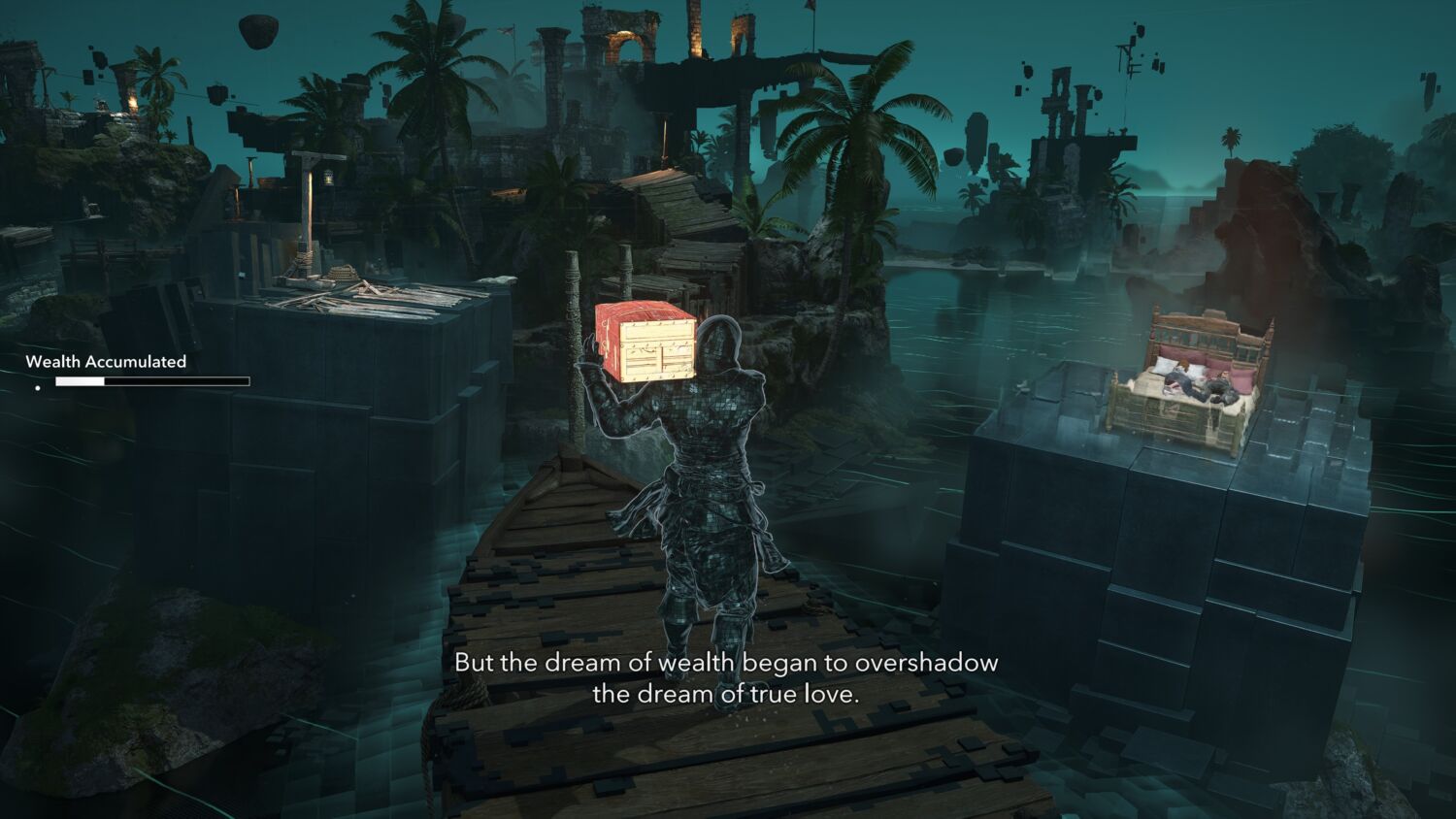
Finally, Assassin’s Creed Black Flag Resynced also addresses one of the biggest critiques the original had in terms of its modern-day segments. These comprised bland puzzle-solving segments where players took on the role of an Abstergo (the modern incarnation of the Templars) employee as he worked to beat the system from within, and the remake does away with these sequences entirely. In its place, the game has added four “rifts”- tears in the simulation – they can enter, which offer a peek at what Edward and his companion’s lives would have been like if they had taken a different path.
Gameplay is another notable aspect that has seen the biggest changes, particularly when it comes to combat. While the system seen in the original was adequate, it was a tad bit simplistic, as all players needed to do was wait for an enemy to wind up an attack, then counter once they saw an obvious red icon hovering over their heads, and then rinse and repeat, making the core loop stale towards the late game.
While combat in the remake has not been completely overhauled, it has been revised to a great extent, taking inspiration from the more RPG-centric entries in the franchise. Every enemy now has a yellow block meter above their health, one that a player must first deplete or break before doing any meaningful damage.

To do this, players can either spam attacks to slowly whittle it down, which isn’t ideal as enemies will now adapt to repeated attack patterns and counter accordingly. To deal with this, Edward now has an expanded arsenal and moveset at his disposal, as although he can still block or parry attacks for quick chain takedowns (the timings for these are much tighter in the remake), he also has access to a leg sweep, which can knock a blocking foe to the ground for a takedown, or a kick that sends them flying backwards, capable of knocking them off ledges to their doom, or against objects for a wall takedown.
Edward can also perform a heavy strike by holding down the attack button, which performs a powerful combo-ender depending on the type of sword he has equipped – Cutlasses attack all enemies in a wide arc, Rapiers thrust forward with a quick strike with long reach, and Pistol Swords fire off two shots which does not consume ammunition. Finally, he can also use his tools to counter certain types of enemies, with a quick pistol shot that can break a heavy enemy’s block, and a rope dart pull, a tool which is acquired much earlier in the story compared to the original, which opens the defences of any foe aiming their firearm.
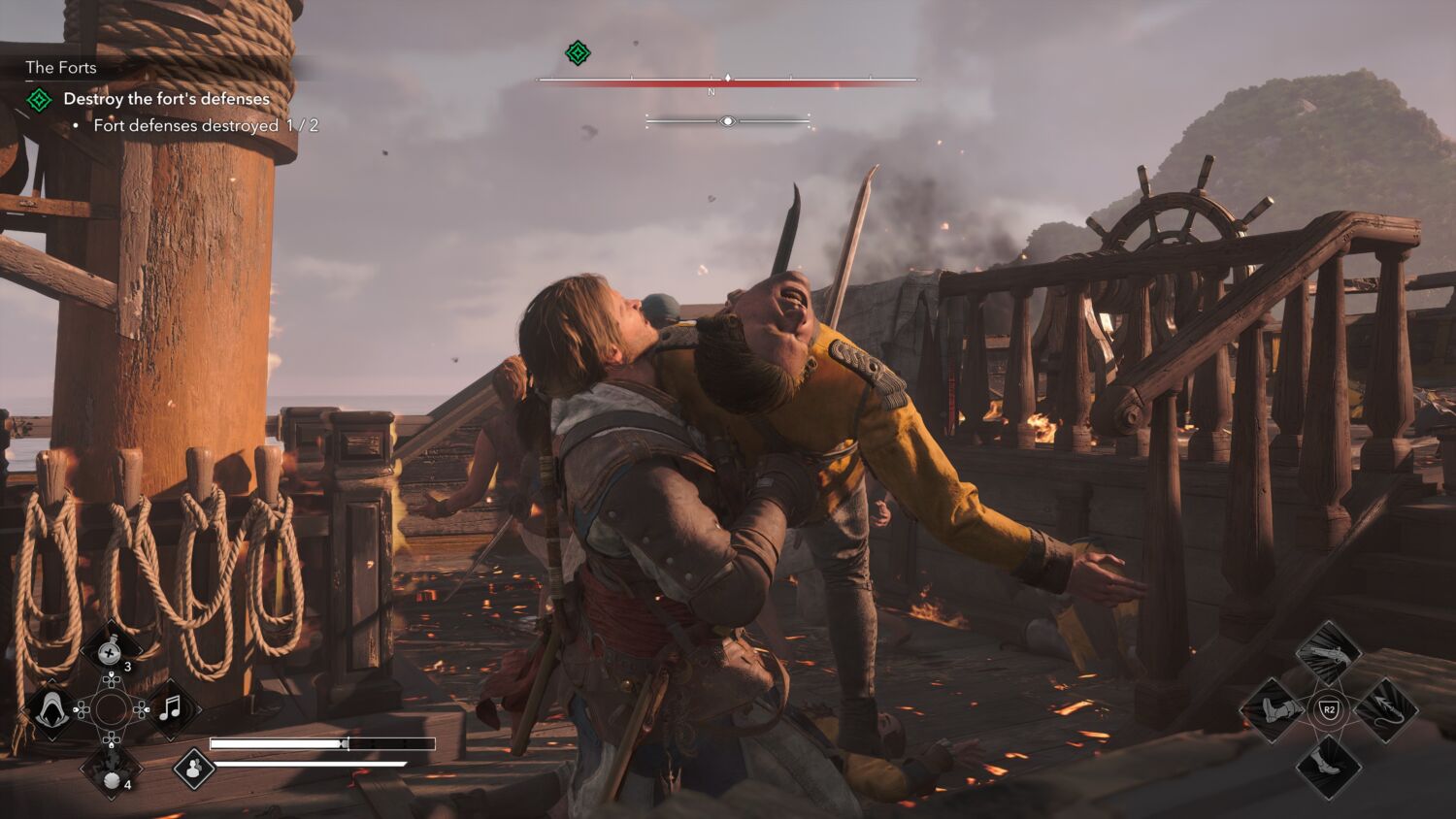
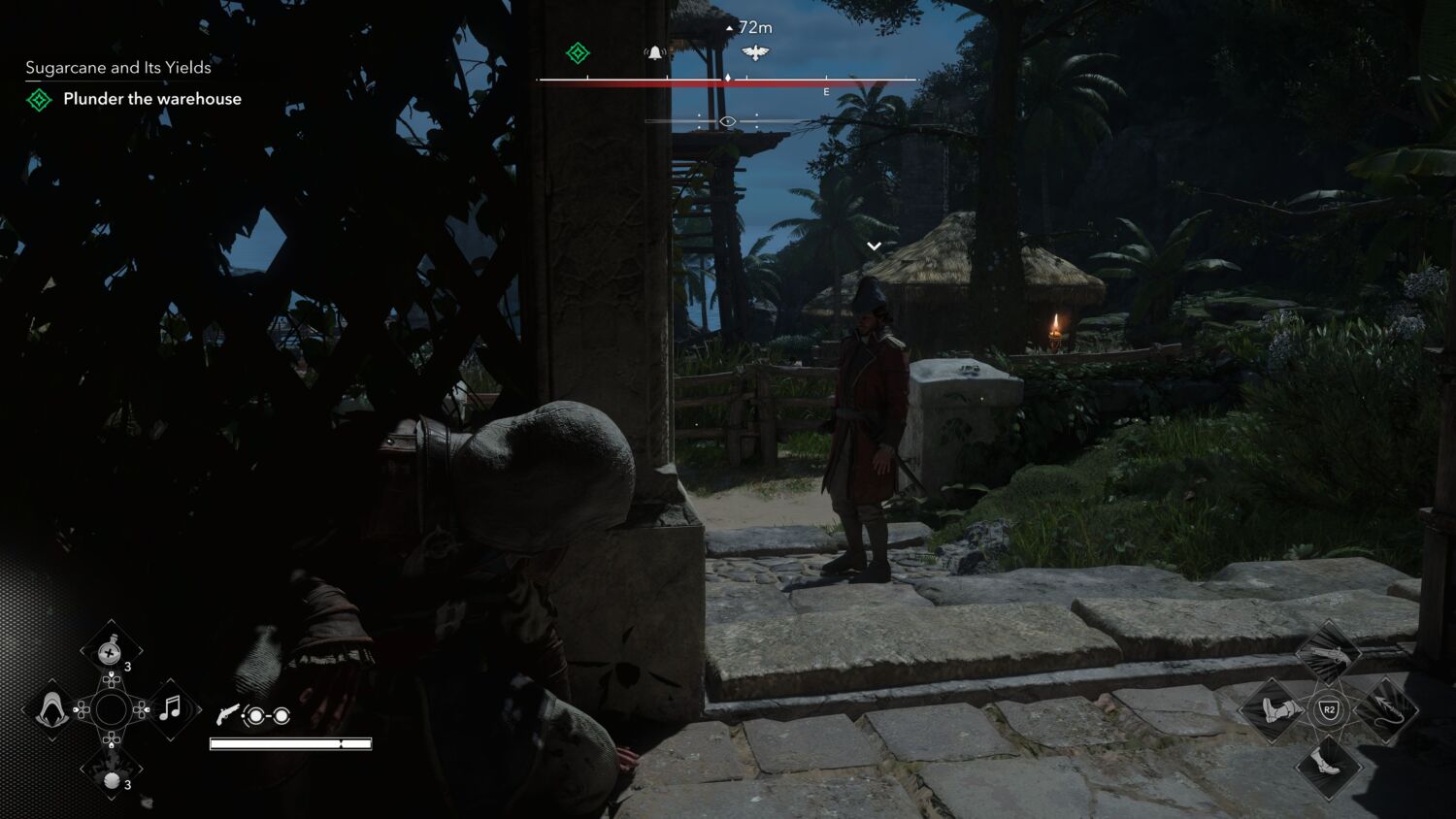
With these changes, Assassin’s Creed Black Flag Resynced presents a more tactical approach when dealing with groups comprising different enemy archetypes, as each now requires a different move to counter. Apart from increased damage, buying new swords and pistols also presents additional perks, such as an increased number of chain takedowns that can be performed in a row, or unique abilities like slowing down time when aiming, which further adds to the remake’s sense of progression, helping to keep things fresh through the playthrough.
Of course, being an assassin means that sometimes, a more subtle approach is required, and stealth has also seen notable tweaks of its own, thanks to the ability to freely crouch at any time. Yes, this basic feature was never available in the original, with the player automatically doing so in certain circumstances, like within bushes, so having the ability to freely sneak adds a layer of depth expected in modern stealth titles. The remake also does away with the original’s annoying auto-fail tailing sequences, as breaking stealth now allows them to gain information in other ways, such as notes obtained from dispatching said foe.

Back then, the original Black Flag was also highly praised for combining two core game systems – on-foot encounters with naval ones aboard the Jackdaw, so it makes sense that some love has been given to this aspect as well, though not to the extent of the former. Ubisoft has chosen not to change what already worked, and has therefore added ways to expand upon naval battles in just two ways – officer abilities and alternate ship weapons.
Recruiting the three aforementioned officers each grants a unique skill for the Jackdaw, such as the ability to perform a perfect brace by pressing the button at the last second. This results in heavily negated damage, or more notably, one that fires two salvos of cannonfire with a single button press, which helps to make the Jackdaw feel as powerful as the one-off Man-Of-Wars Edward can pilot at certain points of the story, like Blackbeard’s Queen Anne’s Revenge.
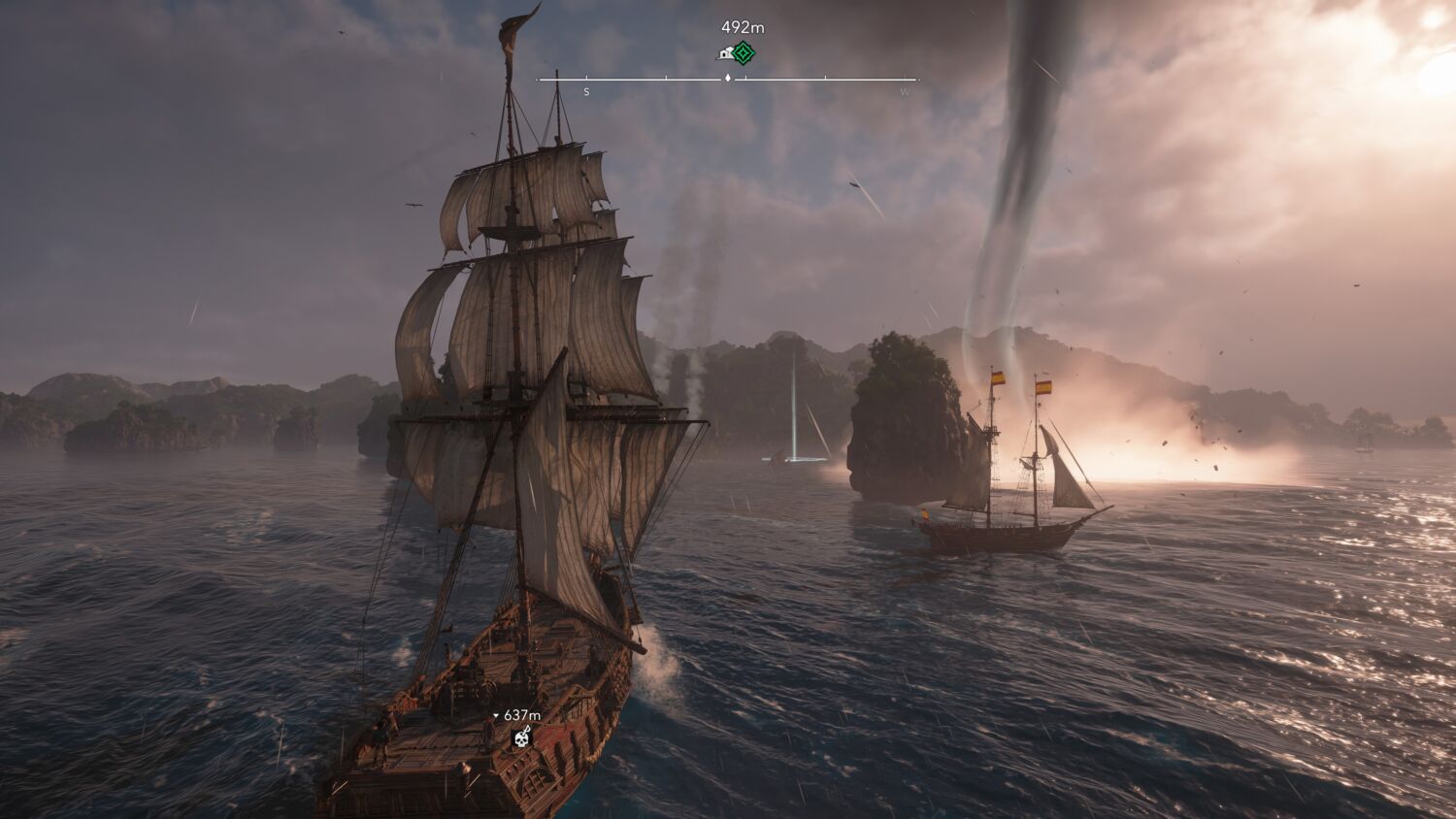
On top of that, each of the Jackdaw’s four weapon types can now unlock a new alternate fire mode. Unlocked by clearing forts, these upgrades range from Heated Shots, a powerful close-range variant of the standard broadside cannons, to Shrapnel Barrels, a more explosive replacement for the base Fire Barrel.
Arguably though, the best change in the game’s naval system lies in one simple removal – that of forced ship stealth sequences, and good riddance.
At certain points in the original’s campaign, the Jackdaw is faced with an armada of powerful Frigates and Man-Of-Wars, leaving no choice but to sneak past them under the cover of night. This resulted in extremely tedious stealth segments where players had to tail subjects with the Jackdaw while avoiding the line-of-sight of surrounding ships, and trying to manoeuvre a large seafaring vessel through constantly changing sight lines on the minimap is as annoying as it sounds. Thankfully, these sequences are now mostly gone, as while Edward will still be tasked with tailing ships at times, these now occur on a strict linear path with no other enemies to avoid, streamlining the process while eliminating the frustration.

Taking all these gameplay challenges into account, it’s clear that Assassin’s Creed Black Flag Resynced has set out to not just modernise the experience, but also cut out the annoyances of the original, resulting in a gameplay loop that isn’t just more in-depth, but more enjoyable too.
Finally, we can’t talk about a remake without mentioning its new graphics, and again, this is something that the game has largely nailed. The team has struck a fine balance between fidelity and maintaining the essence of nostalgia, as locations like Havana and Nassau still feel just as they did in the original, but now with a modern coat of paint thanks to the Anvil engine, which powered 2025’s Assassin’s Creed Shadows.
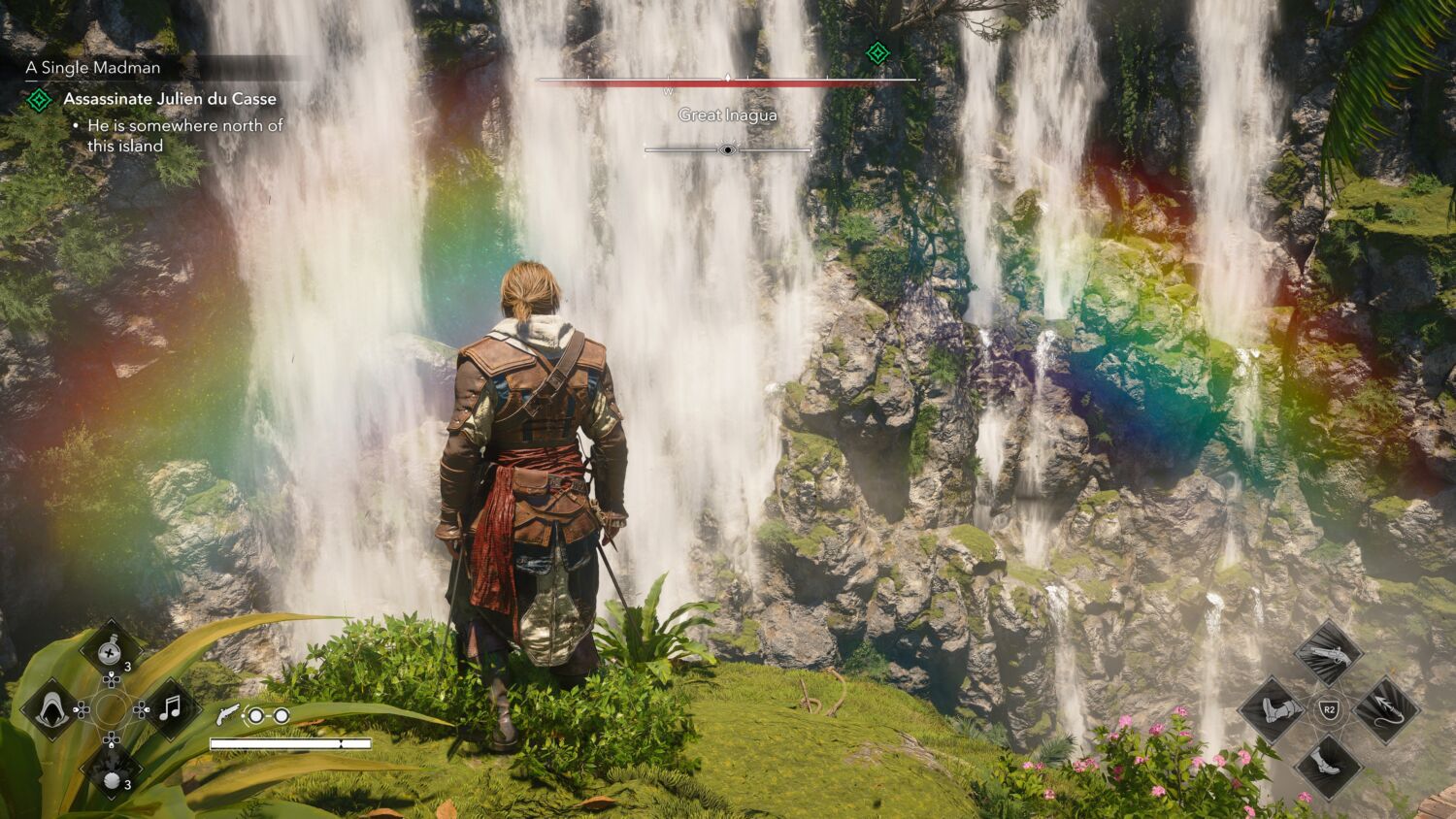
With its new engine, the remake doesn’t just benefit from the complete overhaul of all its assets and textures but also from modern graphical technologies as well, like hardware ray tracing and micropolygons. This helps to render environmental geometry to maintain detail even from a far distance away, though despite all these graphical improvements, the game isn’t completely safe from the typical “Assassin’s Creed jank” that has always plagued the franchise, including floating NPCs, weird cloth physics, and the occasional animation bug or two.
This graphical boost also plays a part in improving the game’s narrative experience, as cutscenes and character animations have now been rendered with the same increased fidelity, meaning more expressive and realistic faces for characters like Edward, Blackbeard and James Kidd, although some others, like Anne Bonny, do tend to approach the uncanny valley. Minor critiques aside, this is possibly one of the best-looking Assassin’s Creed games to date.
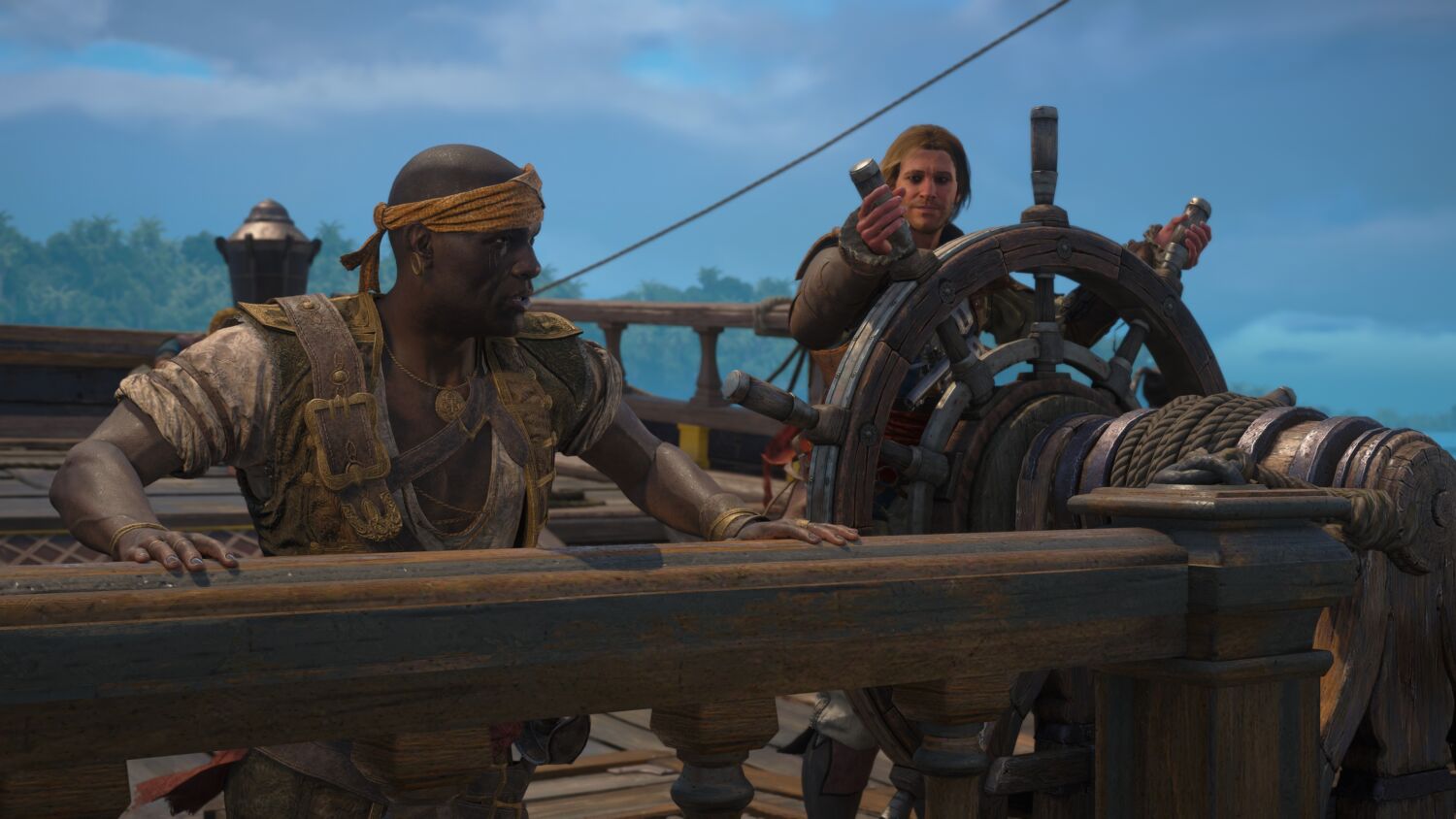
If it wasn’t clear by now, Assassin’s Creed Black Flag Resynced presents the best opportunity to revisit one of the greatest titles in franchise history, one that would have stood the test of time on its own, but has been faithfully recreated and improved thanks to meaningful tweaks and additions. For those who have stuck with the franchise since the days of Altaïr and Ezio, this remake also marks a welcome return to the classic Assassin’s Creed formula, and one that Ubisoft will hopefully revisit with an original tale down the line.
GEEK REVIEW SCORE
Summary
Ubisoft had already struck gold with the original 2013 title, and Assassin’s Creed Black Flag Resynced improves the experience even further with a notable graphical boost and meaningful additions.
Overall
9/10
-
Gameplay - 8.5/10
8.5/10
-
Story - 9.5/10
9.5/10
-
Presentation - 8.5/10
8.5/10
-
Value - 9/10
9/10
-
Geek Satisfaction - 9.5/10
9.5/10

Kevin is a reformed PC Master Race gamer with a penchant for franchise “duds” like Darksiders III and Dead Space 3. He has made it his life-long mission to play every single major game release – lest his wallet dies trying.