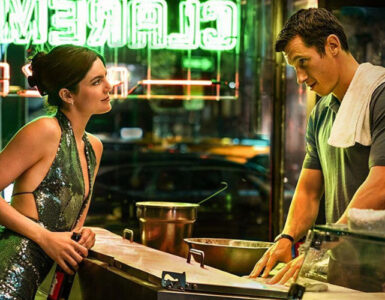
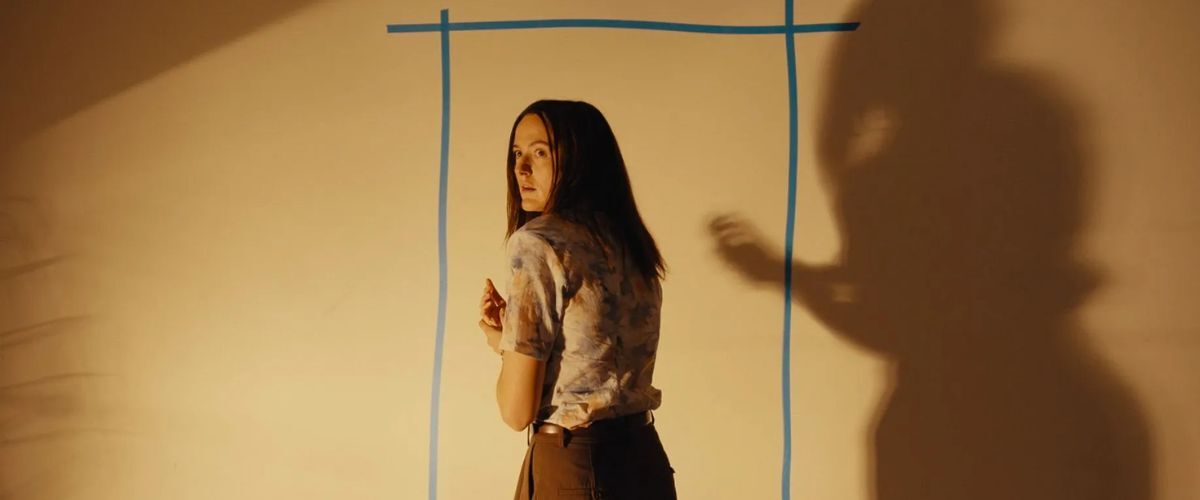
Horror trends tend to arrive in cycles, with each decade discovering a new way to unsettle audiences, from masked killers and found-footage nightmares to the recent obsession (ha.) with grief, trauma and arthouse symbolism. One corner of internet horror, however, has spent years lurking just outside the mainstream – liminal horror, built around the deeply uncomfortable feeling that something is wrong with a place even when nothing appears to be out of sorts. So what happens when a generation raised on YouTube horror, creepypastas, and endless late-night internet rabbit holes finally gets handed the keys to a movie studio?
American YouTuber Kane Parsons’ feature debut Backrooms drags that sensation onto the big screen with unnerving confidence, transforming a niche online phenomenon into one of the strangest studio horror releases in recent memory. Before A24 came knocking, before producers like James Wan (The Conjuring franchise) and Osgood Perkins (The Monkey) became involved, Parsons was simply a teenager teaching himself visual effects software in his bedroom. At just 16 years old, he began constructing eerie found-footage shorts using Blender and After Effects, creating fragmented glimpses into a seemingly endless maze of yellow corridors, abandoned offices and impossible architecture, with millions of viewers following him into those spaces. Now, at only 20, Parsons becomes the youngest filmmaker ever commissioned by A24, adapting the viral phenomenon that launched his career.
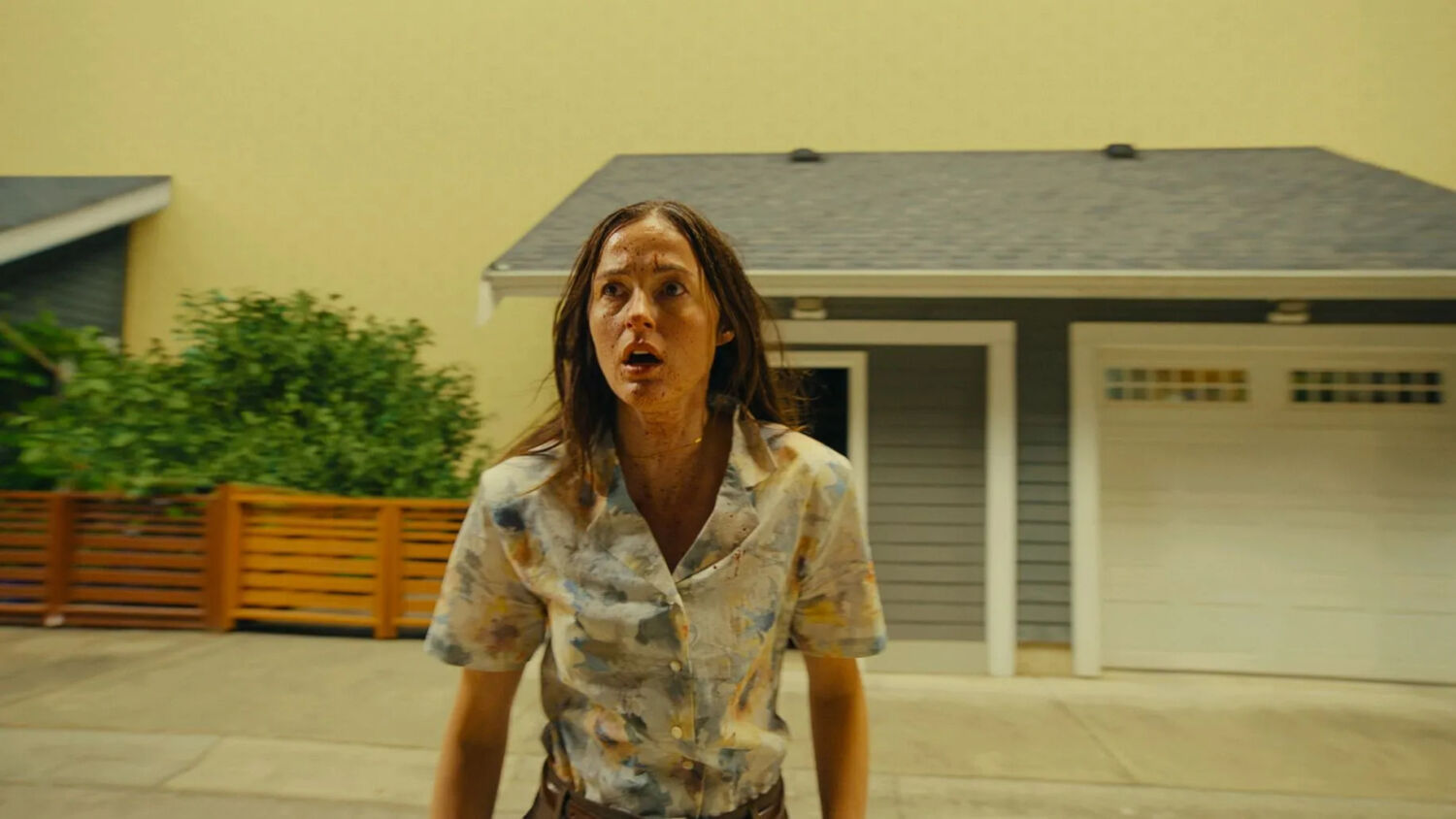
Origins of the Backrooms myth are appropriately chaotic – born from a single unsettling image posted online, then mutated through years of community storytelling, the concept evolved into one of the internet’s most enduring modern horror legends – imagine a spiral of endless hallways, windowless rooms, fluorescent lights buzzing overhead, carpets stretching toward nowhere, and every door opening onto another dead end. Viewers familiar with years of Backrooms lore will recognise countless visual touchstones, while newcomers need little more than a willingness to follow Parsons into and down a fluorescent-lit corridor and accept that the exit may no longer exist.
Set in June 1990, a date longtime fans will immediately recognise from the mythology surrounding his original web series, Backrooms opens as found footage documenting a hazmat-suited researcher wandering through the maze after becoming separated from his team. Armed with a shaky handheld camera, he navigates a labyrinth of corridors and makeshift workstations littered with floppy disks, exposed wiring and hulking computer equipment that already looks abandoned despite appearing occupied only moments earlier. Something stalks him through those corridors, glimpsed only in fragments and distorted shapes, remaining just visible enough to trigger alarm before disappearing again. By the time the footage abruptly cuts out and reveals another team reviewing the tape from a television monitor, Parsons has already demonstrated an instinctive understanding of what makes the Backrooms so unsettling – showing too much would ruin it.
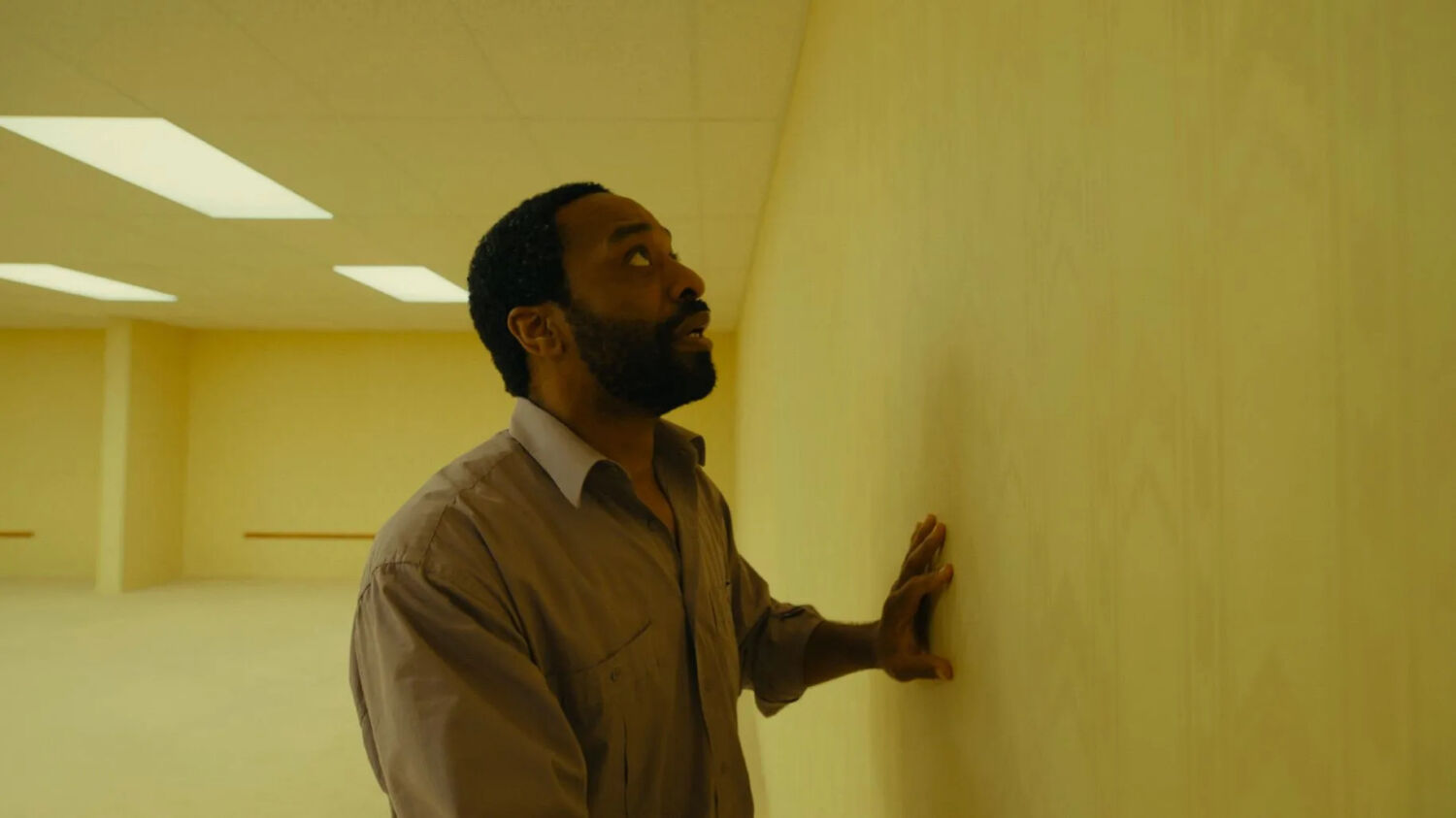
After that chilling prologue, Backrooms shifts toward Clark, played by Chiwetel Ejiofor (12 Years A Slave), a failed architect who now runs a struggling furniture showroom called Captain Clark’s Ottoman Empire in Northern California. He drifts through a life that feels strangely disconnected – marriage problems have left him isolated, while abandoned dreams continue hovering over every conversation and decision. Parsons and production designer Danny Vermette (Longlegs) have a fun time framing Clark’s everyday existence with almost as much discomfort as the Backrooms, filling offices, waiting rooms and suburban interiors with awkward emptiness that makes normal life feel subtly off-balance.
Recently separated from his wife, Clark has quietly moved into his own furniture showroom, sleeping each night on a mattress that technically belongs to potential customers. Strange power failures begin disrupting the building, accompanied by mysterious new breakers appearing on electrical panels where none existed before. One evening, curiosity gets the better of him, leading him to flip those switches that reveal something concealed behind a basement wall, a membrane-like opening leading somewhere beyond ordinary space. Passing (“no-clipping”) through it drops Clark into a sprawling maze of yellow corridors, abandoned rooms and endless commercial interiors that viewers will instantly recognise, even if the film itself never formally utters the word “Backrooms.”
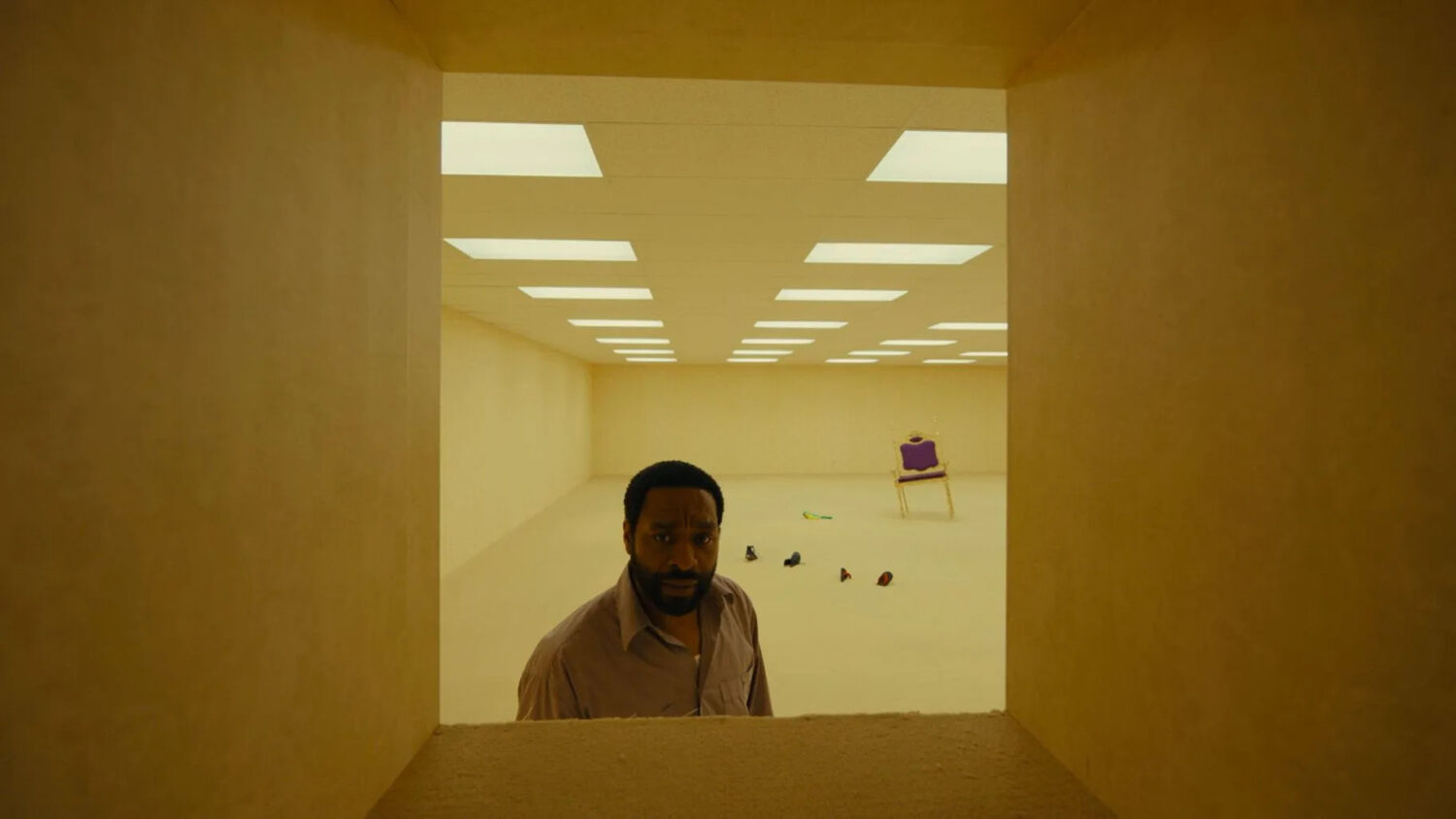
Initial exploration focuses almost entirely on unease, allowing architecture and environmental details to do the heavy lifting. Clark wanders through impossible hallways cluttered with furniture seemingly harvested from his own showroom, encountering towering piles of desks, sofas and chairs arranged into bizarre monuments that resemble mocking reflections of his failed ambitions. One particularly striking image presents a grotesque stack of furnishings rising from the floor like a shrine built by some malevolent subconscious, as though the Backrooms themselves have taken inventory of Clark’s disappointments and chosen to display them for inspection.
What makes those early explorations so effective is how little outright danger appears at first. Fear emerges from details that feel almost laughably mundane when described aloud – a stop sign printed backwards and standing alone in darkness, a cardboard cut-out endlessly broadcasting recorded messages in foreign languages, shoes trapped halfway inside a floor as though reality materialised around them without warning. Every object simply sits there, wrong in ways that are difficult to articulate but impossible to ignore.
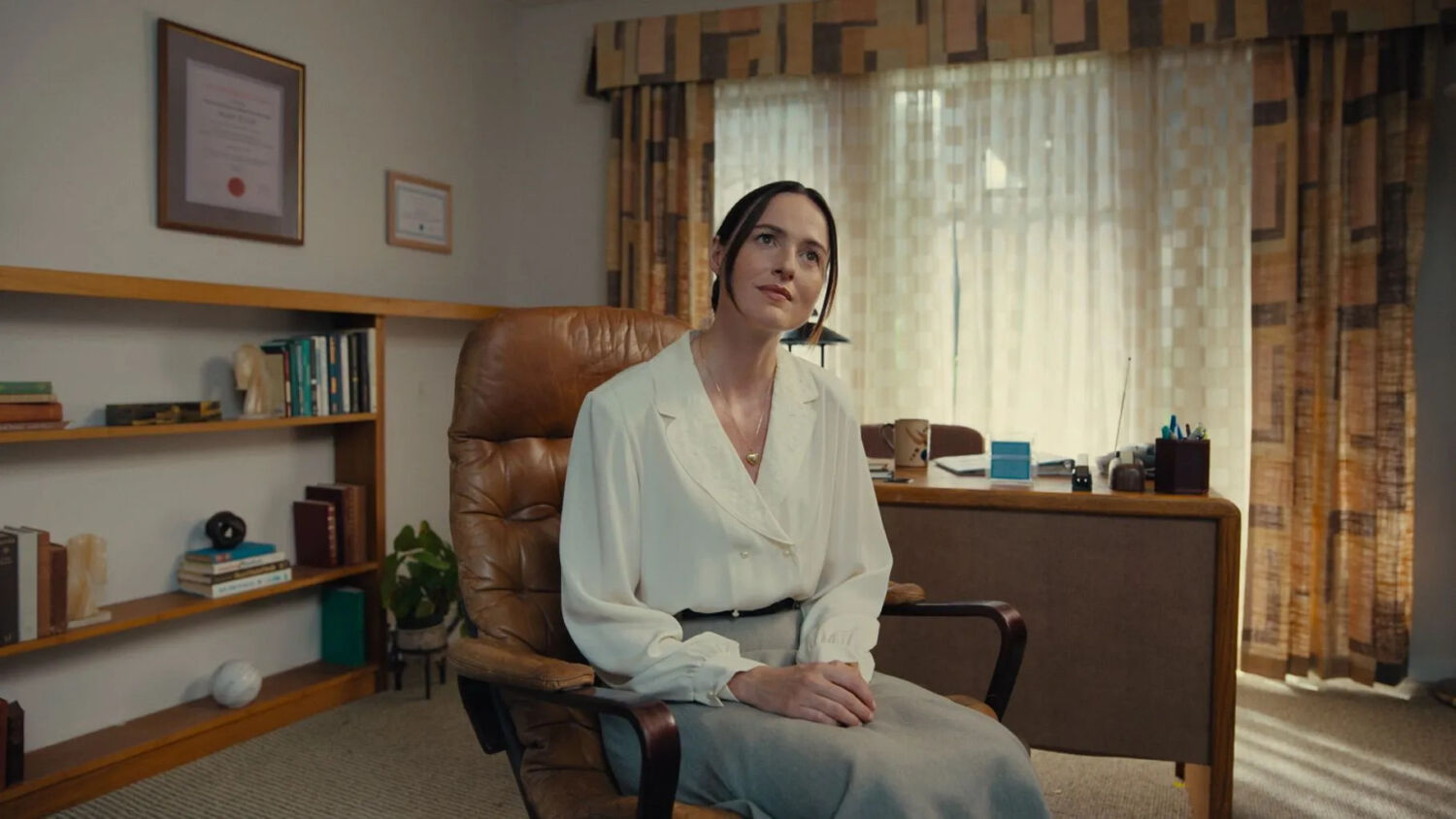
“It’s like telling someone what a dog looks like without them ever seeing it, then telling them to draw it,” Clark insists to his therapist Dr. Mary Kline, played by Renate Reinsve (A Different Man), whose own emotional baggage gradually begins surfacing throughout the film. Flashbacks exploring Mary’s childhood initially threaten to slow momentum after such a striking opening, particularly as memories involving her family home and its eventual demolition begin pulling attention away from the central mystery. Clark and Mary’s conversations revolve around loneliness, memory, regret and the uncomfortable feeling of being trapped inside lives neither of them expected to be living. Parsons repeatedly emphasises physical distance between characters, often placing huge gaps between people occupying the same room, creating an odd sense of separation even during intimate conversations.
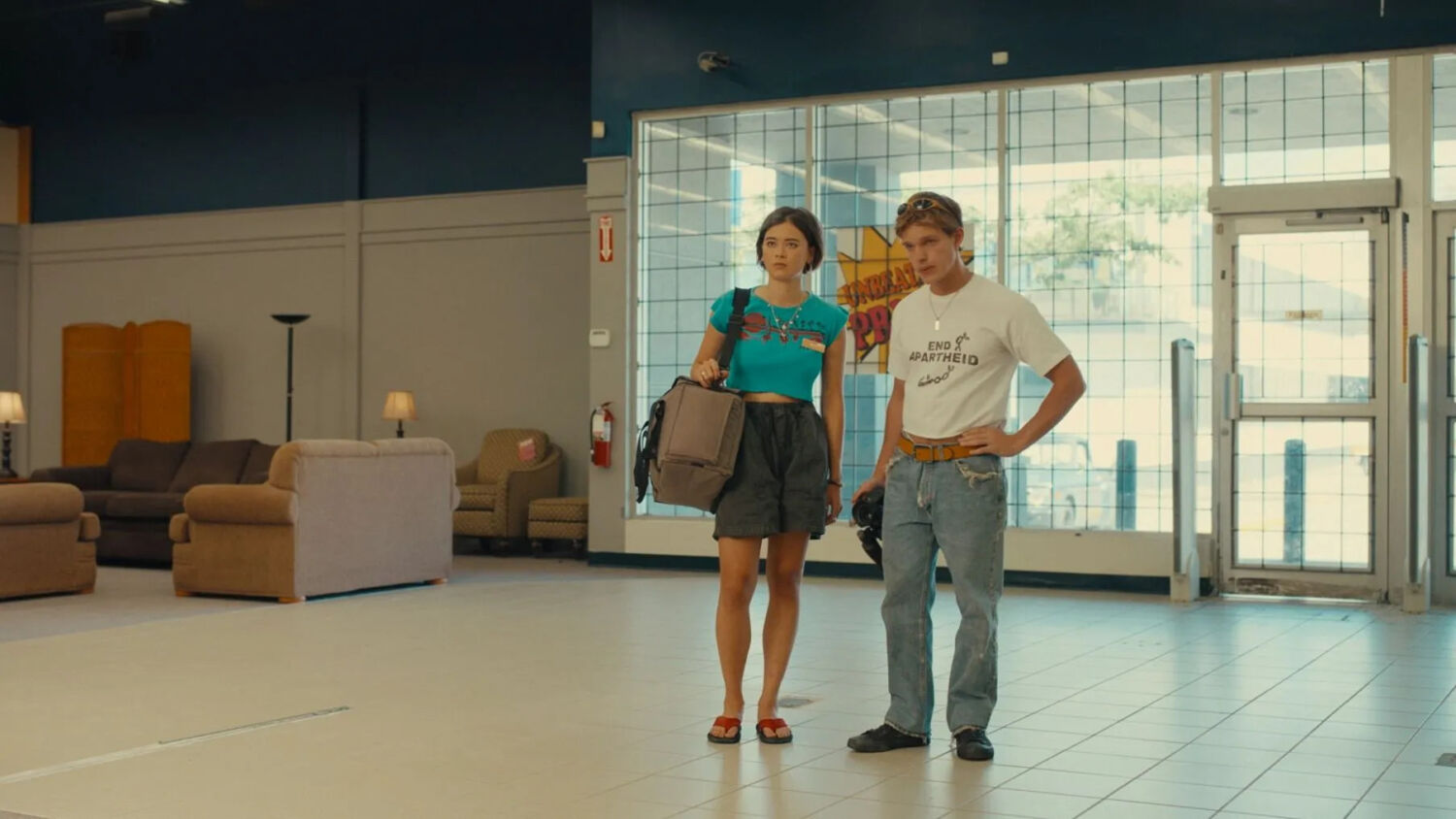
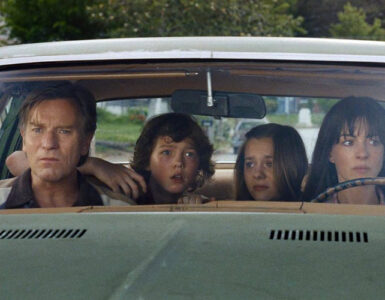
Once Clark realises the impossible maze beneath his showroom is not disappearing, he begins treating it like a puzzle demanding to be solved, leading to one of the film’s strongest sequences where he recruits his increasingly nervous assistant manager Kat (Lukita Maxwell, Shrinking) and her perpetually unfazed stoner boyfriend Bobby (Finn Bennett, A Knight of the Seven Kingdoms) to venture deeper into the expanding corridors armed with little more than a rope tied around their waists. Horror movie fanatics can probably predict how well that plan works, and sure enough it spirals into catastrophe, triggering a breathless chase sequence through twisting hallways and shifting rooms that constantly reshape themselves around the characters. Parsons proves particularly adept at making architecture feel hostile, transforming ordinary corridors into living traps that seem determined to fold endlessly inward.
As the film ventures deeper, Parsons starts quietly building mythology around the Backrooms without ever fully explaining them. Are these endless halls somehow shaped by the fears and memories of those trapped inside them? Are discarded objects, half-buried furniture and warped domestic spaces manifestations of human thought made physical? Or is the Backrooms itself dreaming, constructing crude imitations of reality from fragments it only partially understands? But anyone familiar with Mark Z. Danielewski’s cult novel House of Leaves (2000) will immediately recognise a shared strain of anxiety running through Parsons’ film, as Danielewski’s infamous book revolved around a house whose interior dimensions blur the lines between fiction and reality, expanding endlessly beyond what should have been possible and turning domestic space into an unknowable void.
Parsons wisely refuses to settle on a single explanation and ambiguity becomes part of the attraction, allowing viewers to project their own fears into the empty spaces between answers. Whether audiences walk away convinced they have witnessed a profound meditation on isolation or simply a spectacularly unsettling nightmare machine remains entirely up to them, as Parsons doesn’t close the door, choosing to leave it slightly ajar with fluorescent light spilling through the crack, daring curious souls to take one more look.
And if that distant buzzing follows them home afterwards, well… that’s their problem now.
GEEK REVIEW SCORE
Summary
Creepy, weird, and deliciously unwell, Kane Parsons turns Backrooms into a gloriously unnerving descent through liminal hell, building dread with the confidence of someone far too comfortable weaponising empty space.
Overall
7.5/10-
Story - 7/10
7/10
-
Direction - 8/10
8/10
-
Characterisation - 7/10
7/10
-
Geek Satisfaction - 8/10
8/10

Natalie is a big fan of anything related to movies, TV shows, and anime — you name it. When she’s not reading or being a dedicated cinephile, she’s probably playing gacha and tabletop games, or daydreaming of Caleb from Love and Deepspace.
 HSALS
HSALS