
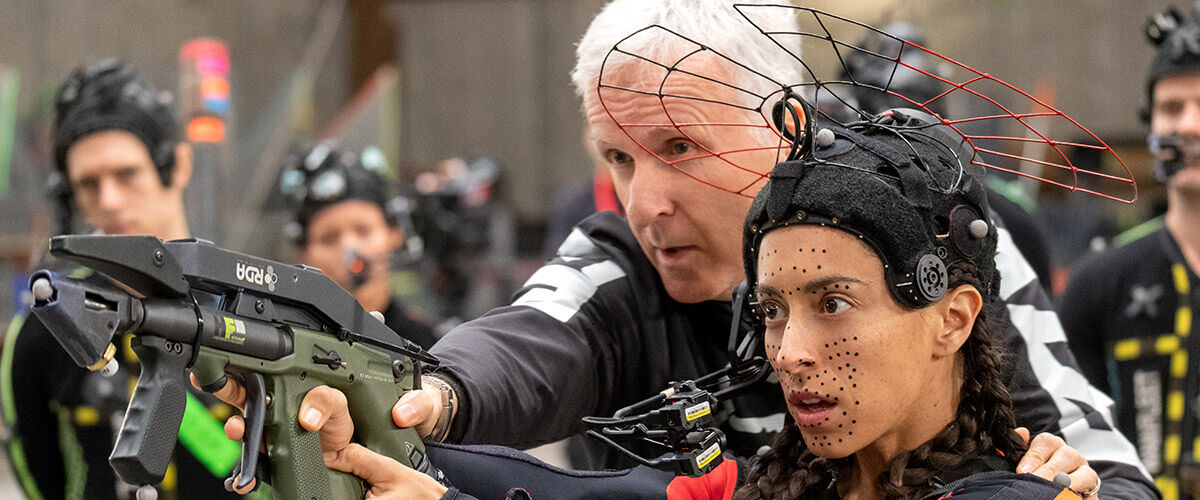
After two decades and over nine hours of storytelling told from 41.7 trillion kilometers away across Pandora’s bioluminescent forests, vast oceans, and sentient biosphere, director James Cameron is finally ready to close a defining chapter of his visionary career. The upcoming Avatar: Fire and Ash, which opens 18 December 2025, marks what the auteur describes as a satisfying resolution to the Sully family saga – though whether it’s truly the end of one Hollywood’s most successful film series remains one of Tinseltown’s biggest question marks.
“This has been 20 years of my life,” Cameron reflects with surprising zen in an exclusive interview with Geek Culture ahead of the film’s opening in Wellington, New Zealand, where the 71-year-old has called home since moving there in 2012.
“I’m very satisfied with where this story resolves. I think it’s important for audiences to go into the three-hour-plus experience knowing that the story resolves, that it’s not a cliffhanger, it’s not just another chapter. It does finish.”
The Canadian-born filmmaker, whose career-defining works include The Terminator (1984), Aliens (1986), Titanic (1997), and the original Avatar (2009), has spent the better portion the last two decades working on the franchise, writing, developing, producing and filming the movies concurrently at various points in time. So even though the second film was released in 2022, he has spent the four years focused on crafting this third installment with over 3,000 people and 3,500 visual effects shots and at 3 hours and 15 minutes, it’s the longest Avatar film yet, but according to early reactions, including Geek Culture’s very own, from the film’s premiere, it’s an emotional powerhouse that pushes both visuals and storytelling to new heights.
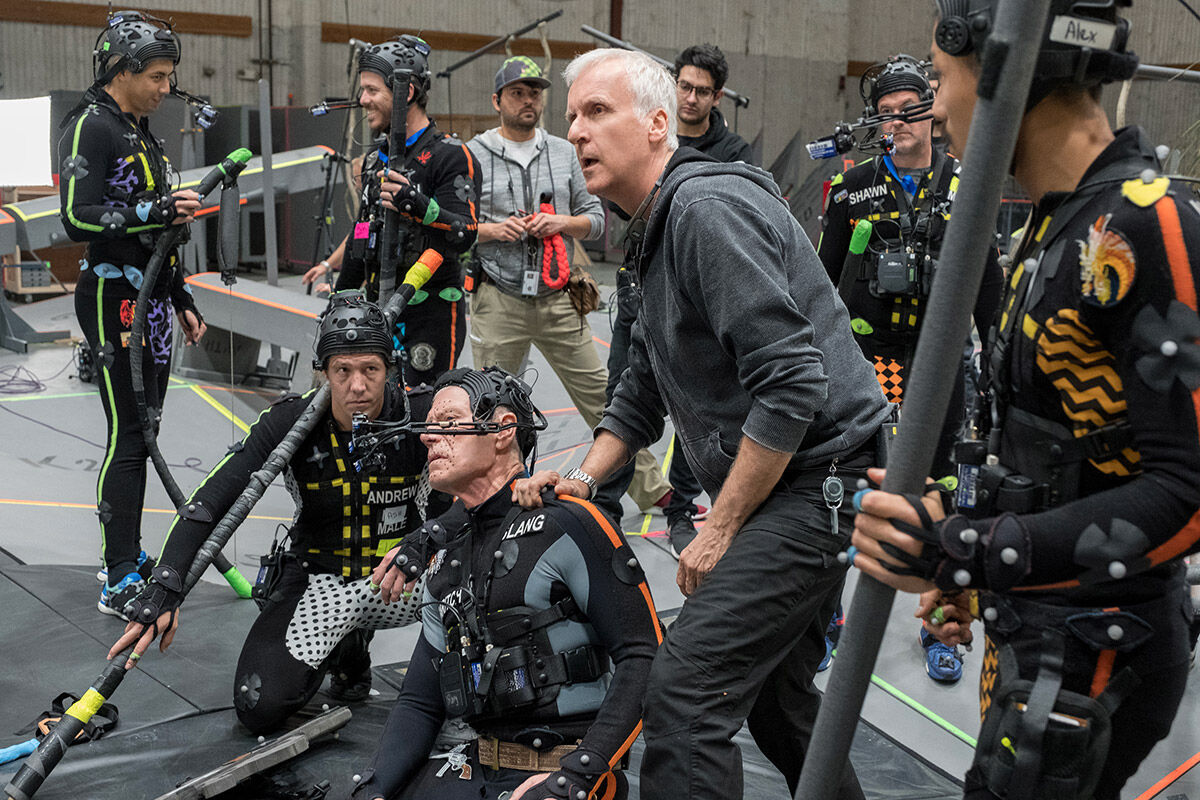
But there’s a catch. Cameron, who directed the first film to gross over US$1 billion in history, the first two films to gross over US$2 billion each, and currently holds three of the top four highest-grossing films of all time, isn’t quite sure where to go next. For one thing, he knows the brutal economics of blockbuster filmmaking and it has been reported that the combined production budget of all three films, excluding marketing, exceeds US$1 billion, even as Avatar remains the highest-grossing film ever, at US$2.9 billion, while the sequel, Avatar: The Way of Water (2022) sits at number three, with US$2.3 billion.
“These films progressively cost more money,” he admits candidly. “I think all big VFX movies are costing more money now. We may reach a threshold where it’s just not a good business model. Could I walk away? Sure. Right now, I’m just in a kind of zen place, waiting to see what happens.”
“Happy to be unemployed,” he says, with a casual confidence and a smirk of a visionary who has accomplished what no other filmmaker has done and knows it.
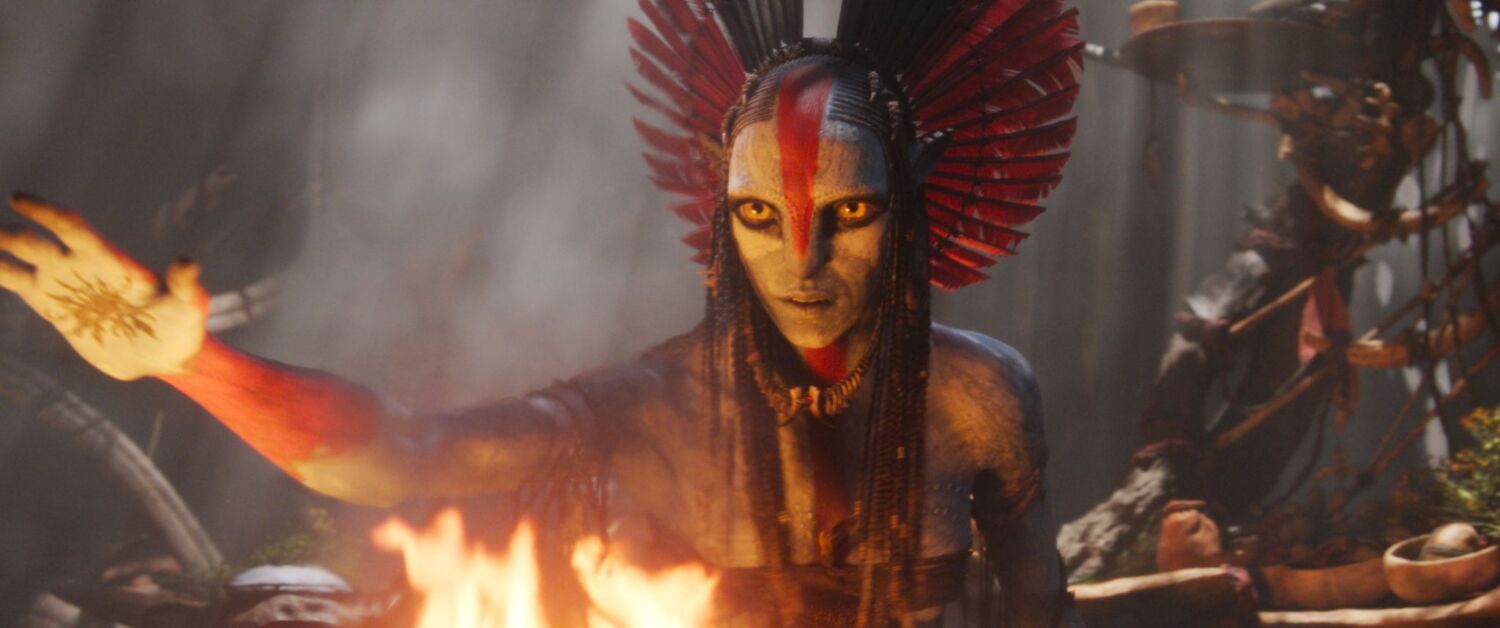
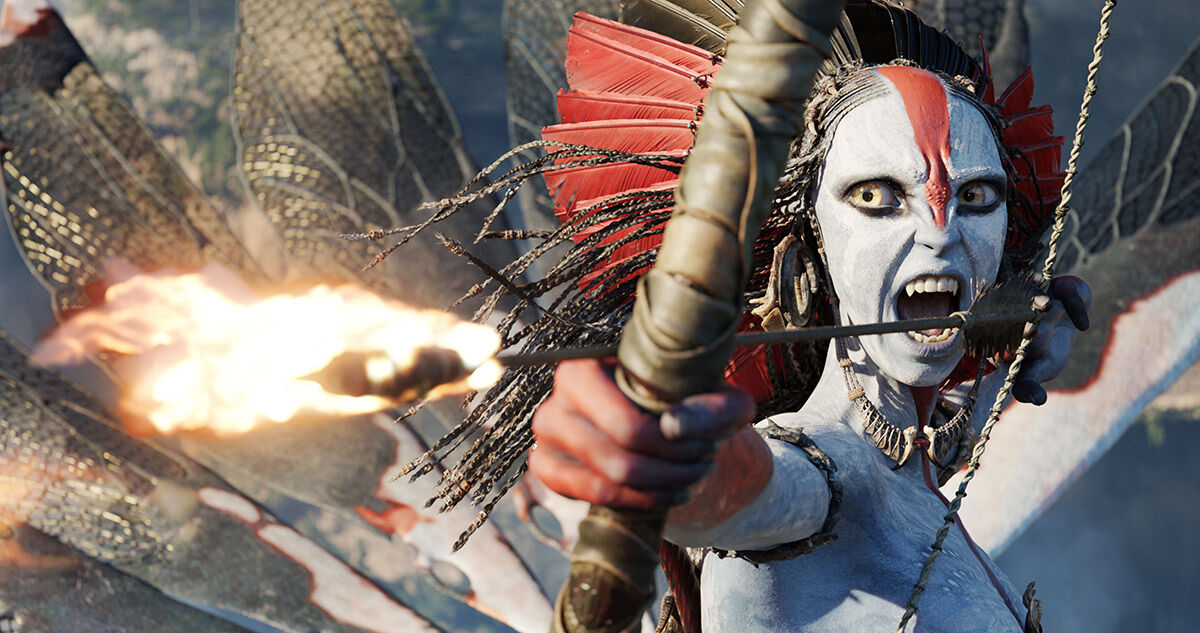
Avatar: Fire and Ash introduces audiences to the Ash People, or the Mangkwan clan – a fierce, volcanic tribe led by the warrior Varang (Oona Chaplin, Game of Thrones). Unlike the peaceful, spiritually connected forest-dwelling Omatikaya and the sea-faring Metkayina whom audiences have come to know, these survivors of a volcanic catastrophe have rejected Pandora’s spiritual deity, Eywa, and turned their trauma into violence. In essence, they are a departure from the heroic depiction of the natives of Pandora, who spent the last two films fighting the invasion of humans attempting to drain the planet’s natural resources.
But above all the themes of anti-colonialism, environmentalism and corporate greed, the heart of Fire and Ash – and potentially the whole trilogy – is something deeply personal – Cameron’s experience as a father of five. When he began writing The Way of Water and Fire and Ash as one story over a decade ago, his three kids, Quinn, 21, Claire, 23, and Elizabeth, 18, along with a now 21-year-old friend of his daughters whom he has guardianship with his fifth wife, former model and actress Suzy Amis 61, were teens navigating the same anxieties and rebelliousness he once experienced. He has another child, Josephine, 31, from his previous marriage to Linda Hamilton, 68.
“I saw them going through the same things I went through when I was that age, but now I’m looking at it from the other side of the fence,” he says. “The funny thing is, what I always told them was, look, I’ve been 15, but you’ve never been 55 or whatever I was. I found that interesting. I started to see some patterns in my own life and just in human behavior in general.”
This personal exploration transforms what could be pure spectacle into something far more grounded for lead characters Jake Sully (Sam Worthington, Clash of the Titans) and Neytiri (Zoe Saldaña, Guardians of the Galaxy), who have to deal with the trauma of losing their son Neteyam (Jamie Flatters, The School for Good and Evil) as that grief tears them apart in different ways. It affects Jake’s relationship with his surviving son Lo’ak (Britain Dalton, Dark Harvest), whom he clearly loves but struggles to communicate with. Meanwhile, Neytiri has to contend with Miles “Spider” Socorro (Jack Champion, Scream VI), the couple’s adopted teenage son of franchise antagonist Miles Quaritch (Stephen Lang, Don’t Breathe), who caused the death of her son Neteyam.
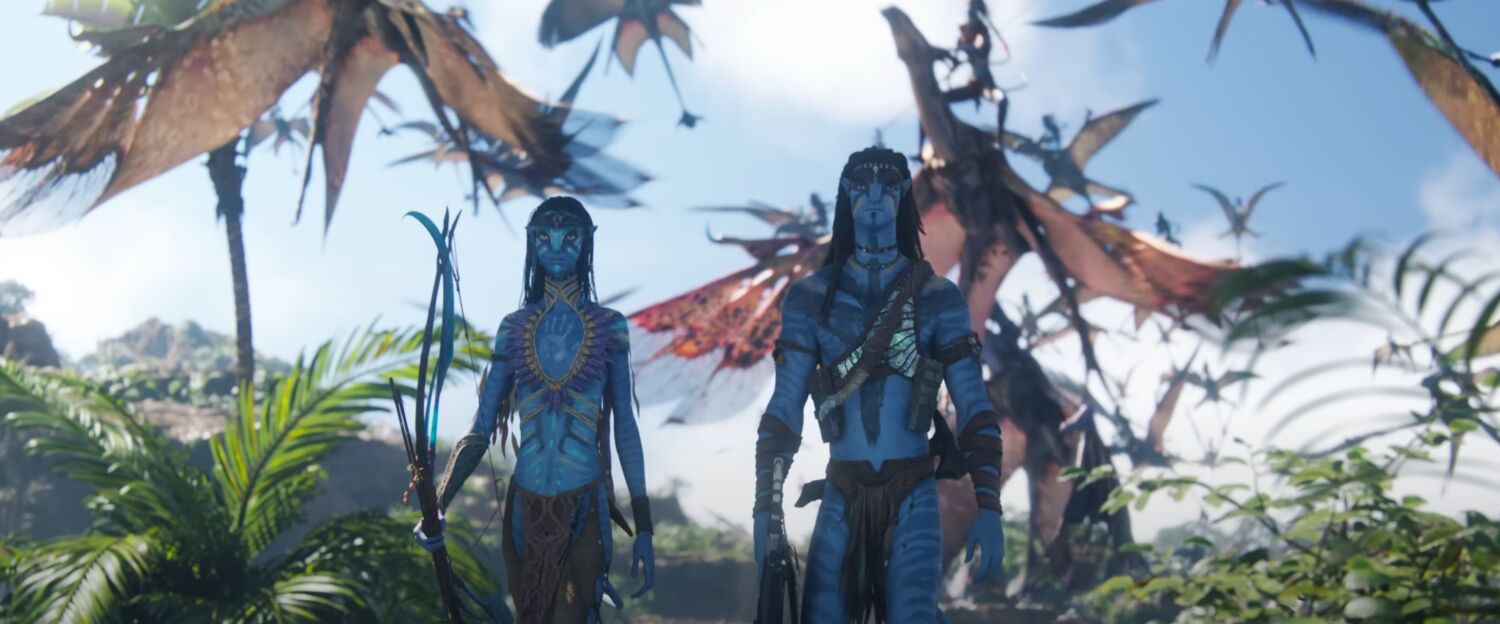
“These are tensions I think a lot of people around the world have in the family, maybe perceiving the father or the mother as disapproving,” Cameron observes. “I challenge this family in every possible way I can, and I challenge the audience to go along with them and continue to love them and care about them.”
The evolution of the characters were also in sync with the leads, as both Worthington and Saldaña became parents and grew as their characters did. Shaping the narrative with the actors is something Cameron also prioritises.
“Zoe came into the sequels as a mother. Perfect. You know, Sam had three sons as well. So they both have these young families. So they came in with that perspective. And we just evolved the whole thing together. It’s very collaborative in that way.”
On the technical front of filmmaking, which Cameron has spent a career pushing the boundaries of, from pioneering groundbreaking CGI in The Abyss (1989) and Terminator 2: Judgment Day (1991), revolutionising motion capture and 3D filmmaking with Avatar, and co-founding visual effects powerhouse Digital Domain with special effects make-up master Stan Winston back in 1993, his work is never done.
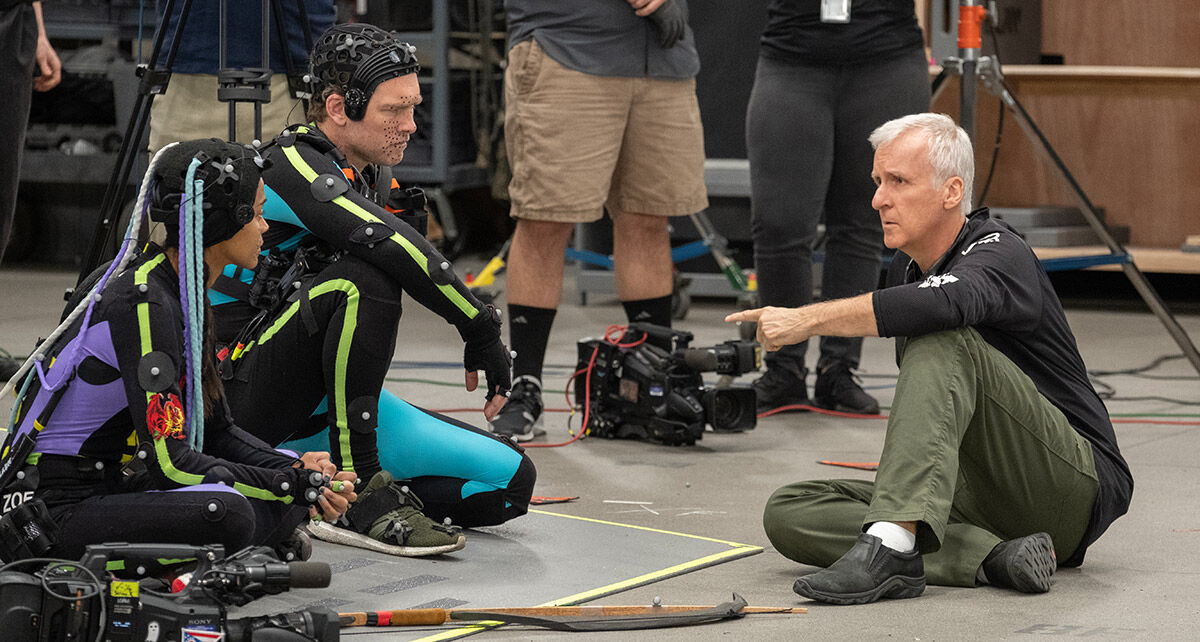
While his films have won multiple Oscars for visual effects, even the master of innovation acknowledges limits when it comes to the final outcome, though his face did light up when we spoke of his ability to blend art and technology.
“These are good comments, by the way,” he says with a huge smile. “I hope you say that to your audience. I like that, to show the world what art and technology looks like, you know, in a good relationship.”
“I think we’re at a point right now where we know how to do this, and we’ve developed all the tools that I need in my toolbox to imagine anything on screen. What we haven’t done yet is figure out how to do it more efficiently and cheaply,” he explains.
“So to me, that would be the next challenge, to keep the quality, keep the imagination but not take four years to do it. That’s about on average. That’s about how long each one of these films have taken me in terms of my focused effort. So I’d like to be able to do it more quickly. And so there may be some AI tools that can assist with that, but again, they have to only work and in assistance to the artistic process.”
Could artificial intelligence or AI help? Maybe, but with massive caveats, as the team has put forth several YouTube clips prior to the release of the movie, to explain to the masses how this film utilises visual effects on the backbone of the performances from its huge cast of actors, and does not use generative AI in any way, including the creation of backgrounds.
In an era when noted filmmakers including Academy Award-winning director Christopher Nolan champion practical effects and real sets, Cameron stands firm in his counter-argument that it is not necessary within his creative process.
“20 years ago, I said, I don’t need any of that stuff. And Avatar is the highest grossing film in history. So where’s the proof of that hypothesis that people require practical effects and practical sets?” he reasons.
“As we’re launching into a realm of generative AI, where you can’t trust anything that you see, I think we may be entering a time where people want a certain provenance, they want a certain assurance that real artists and there’s a real, grounded process, right? Whether that involves live-action, I don’t care about live action photography. I can do my work without any of it, right? I work with the actors, and then we create a hyper, real photo, real look after the fact. I don’t need practical sets anymore.”
He hasn’t used practical sets since Titanic, relying instead on performance capture and creating hyper-real environments in post-production and reckons that if he were to make his groundbreaking 1997 film today, he would do so without practical sets.
“If I were doing Titanic tomorrow, I probably wouldn’t do it the way I did it back then… but I do think there’s a possibility that, due to generative AI, people may want to know, have an assurance that things were, I don’t know real, whatever real is. Film is the art of illusion, it’s always been the art of illusion, from (French filmmaker) Georges Méliès, through (Hungarian-American animator and director) George Pal, (special effects creator) Ray Harryhausen, down to (director) Stanley Kubrick, down to (director) Steven Spielberg, Jurassic Park, all of those things,” he explains, clearly invested when speaking about the state of special effects and their use in films.
“Those dinosaurs don’t really exist. So what’s real? How are you going to do a Brachiosaurus that’s 80 feet tall? Practically, it’s not going to happen. So as an example, Stan Winston, one of the premier practical makeup and prosthetics guys. He and I started a company called Digital Domain in 1993 because we saw that the future was in computer generated imagery for character creation. So we just never looked back. So yeah, you’re talking to the wrong guy,” he says, before pausing with a knowing smile.
“Should probably talk to Chris Nolan about that hypothesis.”
For Fire and Ash, Cameron and his team spent five years perfecting their performance capture pipeline before shooting began on the second and third movie concurrently, also to contend with the ages of the actors, especially the younger teenagers. The key? Capturing the magic that actors bring and critics have started to praise the emotional depth of the film.
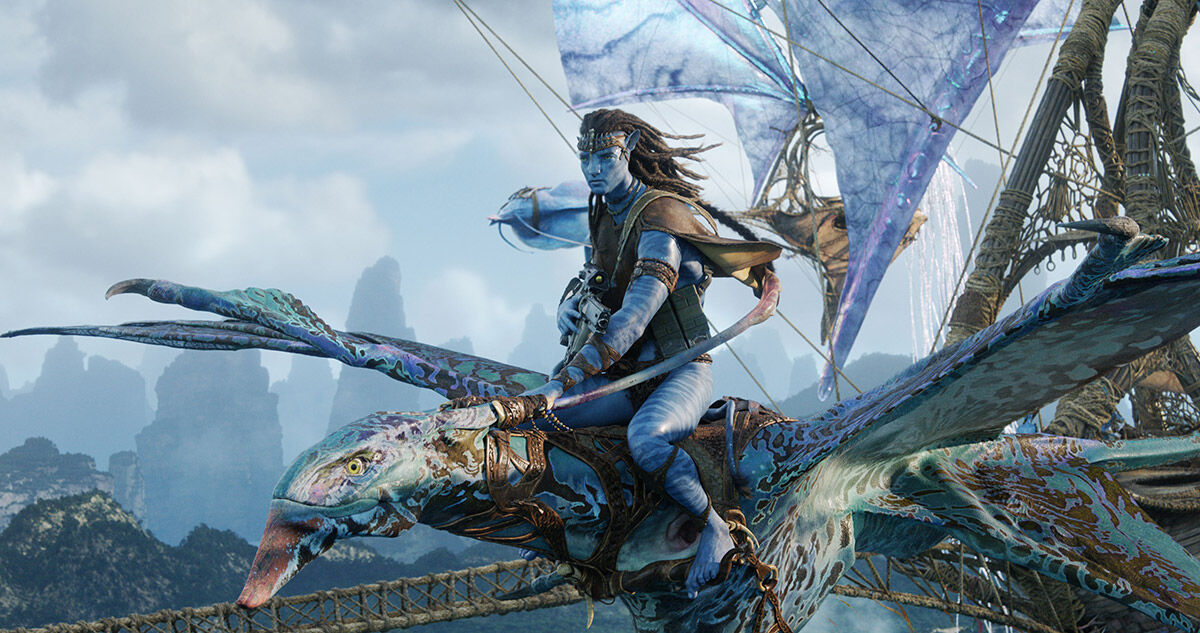
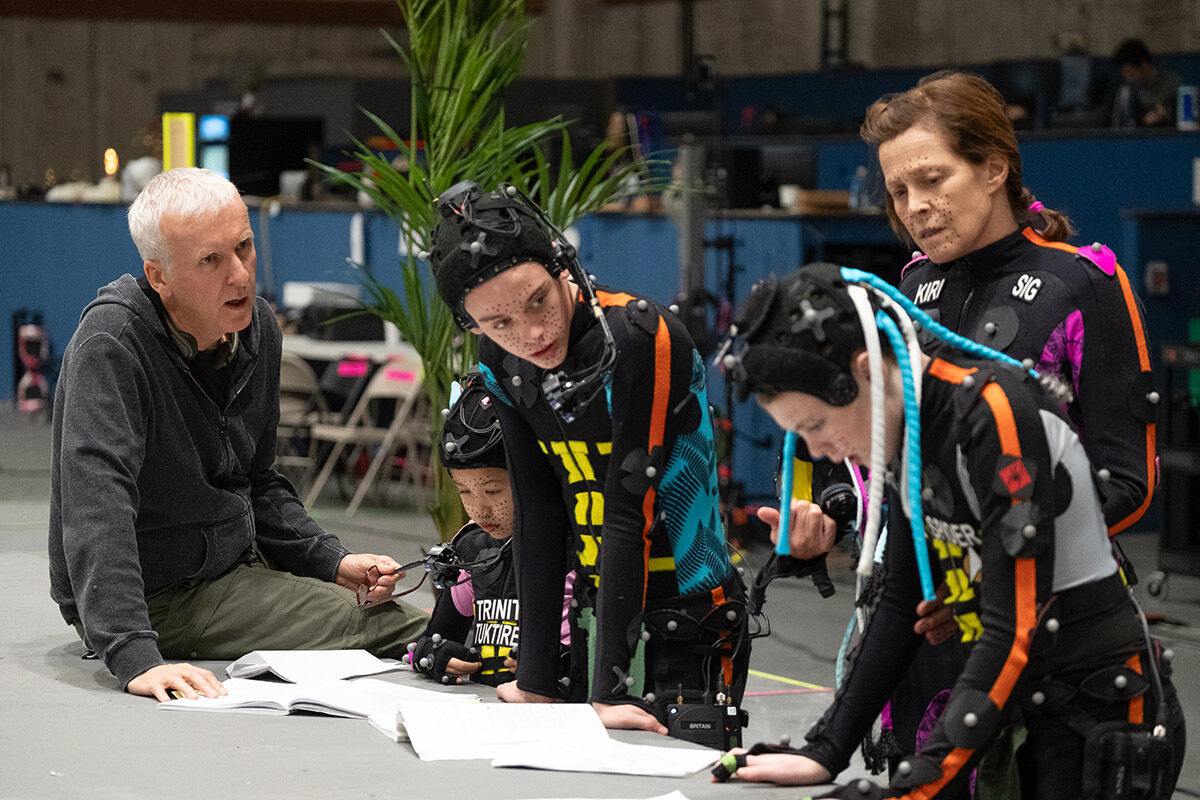
“I love all my actors. Stephen Lang and I have a great relationship. It’s a very different relationship with each actor, but it’s a very trusting relationship, because they know I come into it as the writer of the creator of these characters, but they also know that I pass the baton to them. I let them interpret the character their way,” he says, praising what each actor brings to the table, including having 76-year-old Sigourney Weaver play a 14-year-old Kiri.
“I’d worked with Sigourney, and in movie two, across the performance capture, we became confident that her creation of Kiri was going to be plausible and real, and that you were going to feel her.”
With the still untitled ‘Avatar 4’ already partially shot and with a fifth film previously announced, Cameron has stated he’s unsure of what his next project will be as he also has other projects in development and whether he pursues those depends largely on how Fire and Ash performs. And the filmmaker, who famously only made one sequel to his movies prior to Avatar, is certainly open to having other directors step in, though he is selective.
“We’ll see. I’m happy to work with other filmmakers, for example, Robert Rodriguez and I did Alita: Battle Angel (2019) and that was a very satisfying experience for me. He was a wonderful collaborator. An experience like that might be okay, I don’t know. Let’s think about it. You know?”
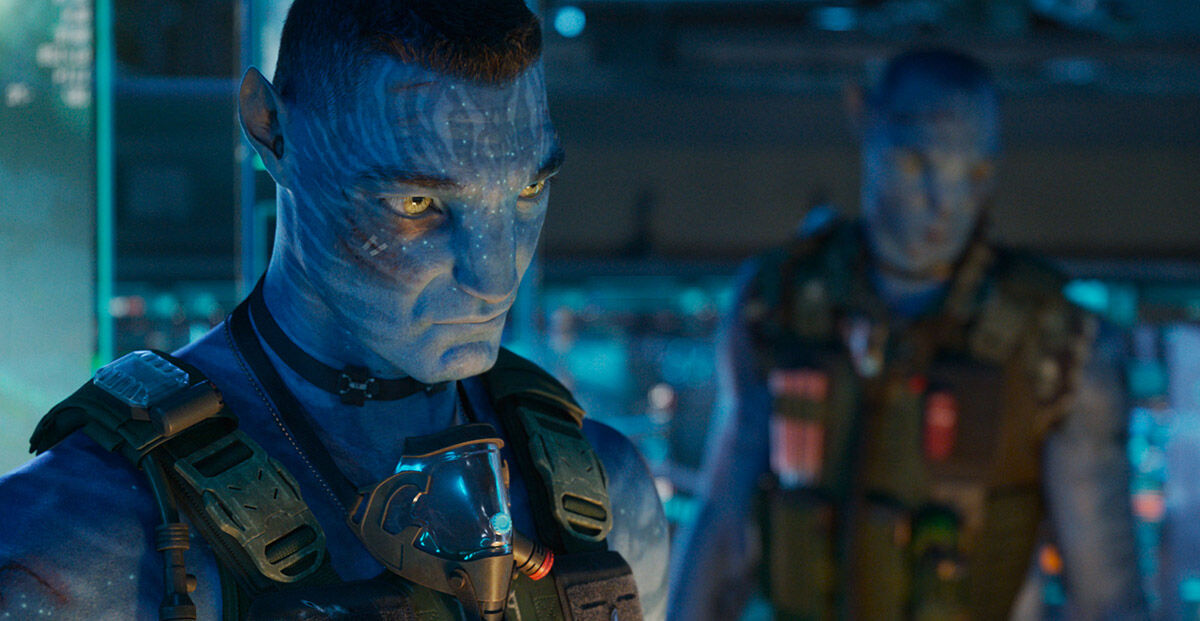
Avatar: Fire and Ash is currently tracking for a US$100 million opening weekend, which would fall short of its predecessor’s US$134 million debut but historically, the first two films have shown remarkable legs during the holiday season, and the critical reception suggests another crowd-pleaser is on the way.
Whether this is truly the end of Cameron’s Pandora saga or merely the end of a chapter depends on forces even the King of the (Film) World can’t control – market dynamics, audience appetite, and the brutal economics of modern blockbuster filmmaking. But for a filmmaker who has spent his career defying expectations and rewriting box office records, keeping his options open feels entirely on brand.
“The beauty of it is, I’m done with the saga up until now. If I feel like I want to start a new saga, a new story, I can. I may not do that right away,” Cameron concludes contemplatively, as if he currently has an answer but isn’t open to sharing his decision just yet.
“I may never do it. That’s kind of up to me,” he says with a wry smile.Avatar: Fire and Ash opens on 18 December 2025.

Hsals needs more space in his house, and more money in his bank account to pay for all the toys, collectibles and other geek related items that companies are churning out. Free-time? Girlfriend? Who’s got time for those?

 Kevin Low