The adage of not fixing what isn’t broken has been widely embraced by smartphone makers as each year, the majority of them seek to offer incremental improvement over revolutionary changes. It’s an approach that Korean tech giant Samsung knows all too well, especially when it comes to its foldable clamshell, the Galaxy Z Flip. Instead of drastically switching up the formula with every iteration, each year’s fresh clamshell offers small but noticeable improvements to its underlying technology, inching ever closer to foldable phone perfection.
As the sixth entry in the family, the Samsung Galaxy Z Flip 7 presents an upgrade that echoes the improvements made by the Galaxy Z Flip 5 over its predecessor, with the focus placed once again on its cover screen, which has seen yet another size increase, alongside a further reduction in device thickness. Its cover screen, dubbed the FlexWindow, is thrust into the spotlight once more, with a 4.1-inch 120Hz Super AMOLED screen that runs from edge-to-edge, compared to the Galaxy Z Flip 6’s 3.4-inch counterpart, allowing enhanced utility while the phone is folded shut.
Similar to its predecessor, the device’s cover screen is catered for browsing information at a glance, operating functionally the same as previous models, with swiping left to right pulling up notifications and swiping right to left cycling through customisable widgets like the calendar, weather apps, alarms or voice recorders. Due to the larger screen real estate this time around, responding to text messages directly from the cover is much more intuitive, although still nowhere near as convenient as actually using the device’s main screen.
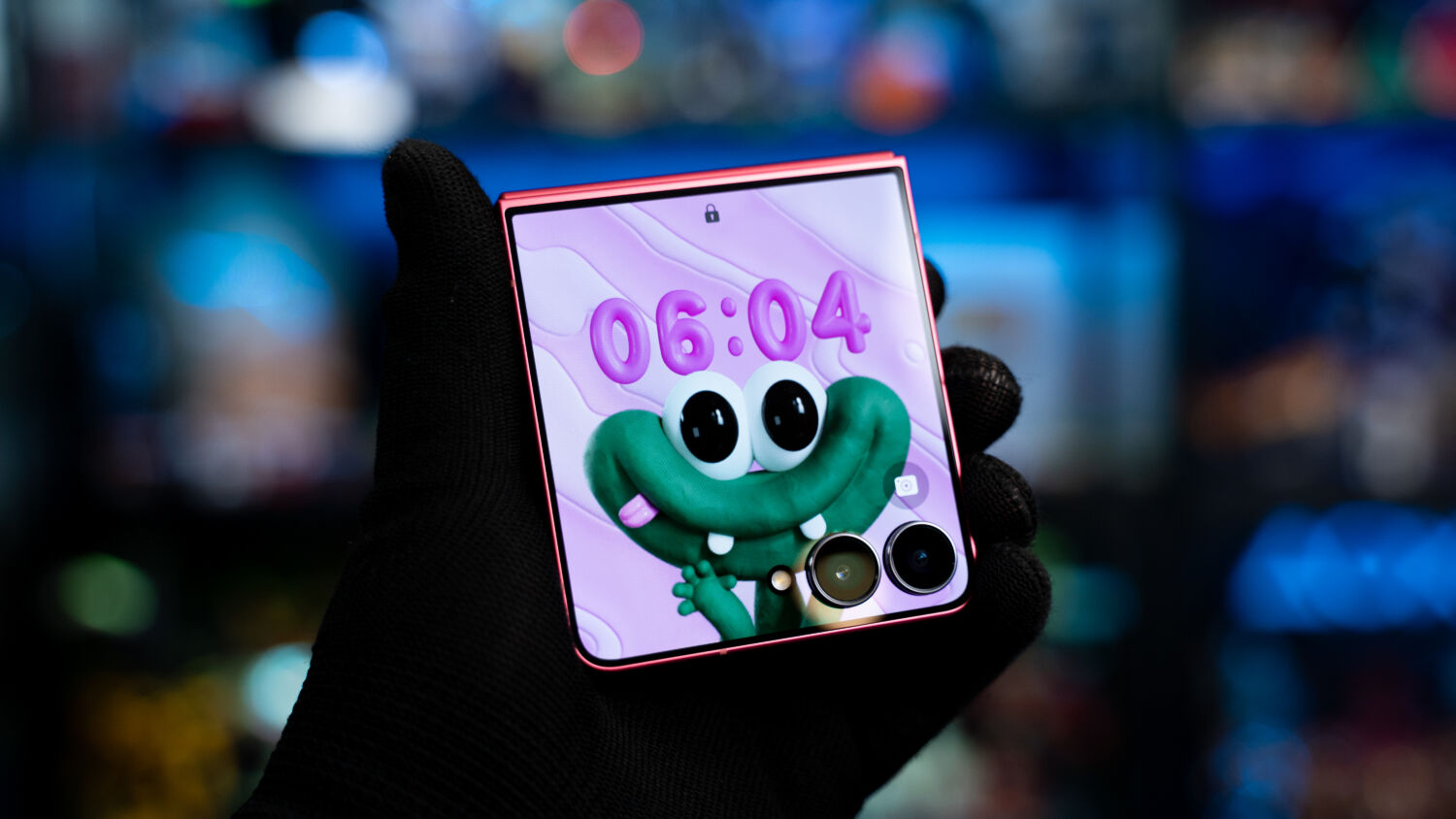
Still, just because the cover screen is designed around widgets doesn’t mean that actual apps are completely unsupported, as Samsung’s new Labs feature offers some experimental features catered to its folded mode, including an option to incorporate the main screen’s Home and Back buttons, alongside the ability to run select apps like YouTube, Netflix, or Google Maps directly via the cover screen, with a choice to further expand which apps can be accessed via the downloadable MultiStar app.
In practice, navigating and watching videos on YouTube or following directions via Google Maps proved intuitive enough, although the tiny text size does affect readability, so some users might be better off just sticking to the main screen. Using MultiStar, on the other hand, offers mixed results, as although surfing the net with Chrome or crafting emails are functional this time around due to the larger screen, other apps like Notes are practically useless in this mode, with users unable to see what they are actually typing down due to the text box taking up the entire cover screen.
The device’s always-on display feature makes a return, allowing users to view the date, time, battery life and even the number of notifications without needing to tap on the screen. This does take up more battery performance, however, although the Galaxy Z Flip 7 does benefit from its improved 4,300mAh capacity over the 4,000mAh of its predecessor. Based on real-world testing, the device only dropped seven per cent after a full hour of continuous YouTube playback, meaning it should easily clock more than 10 hours on a full charge, depending on usage intensity.
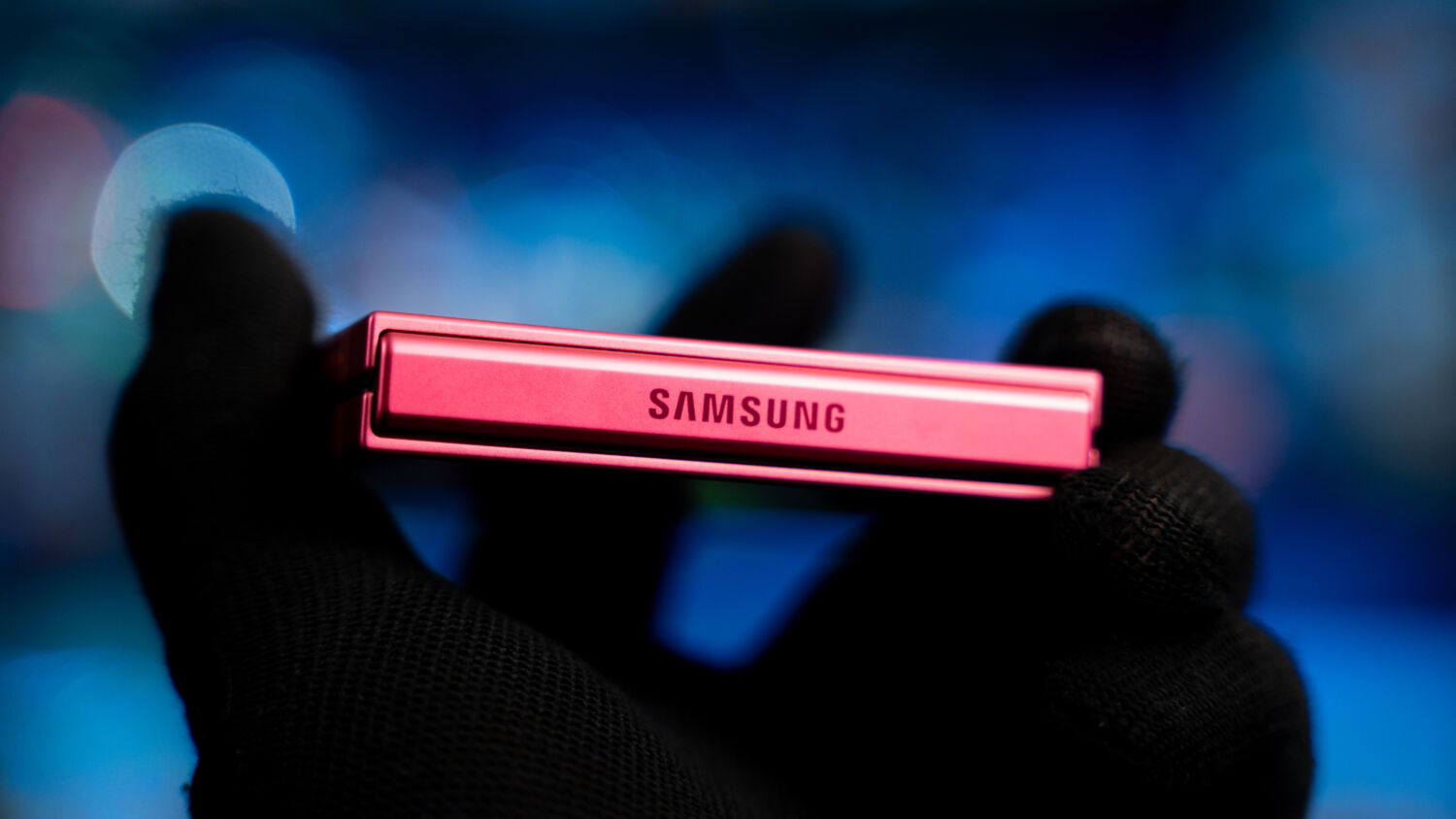
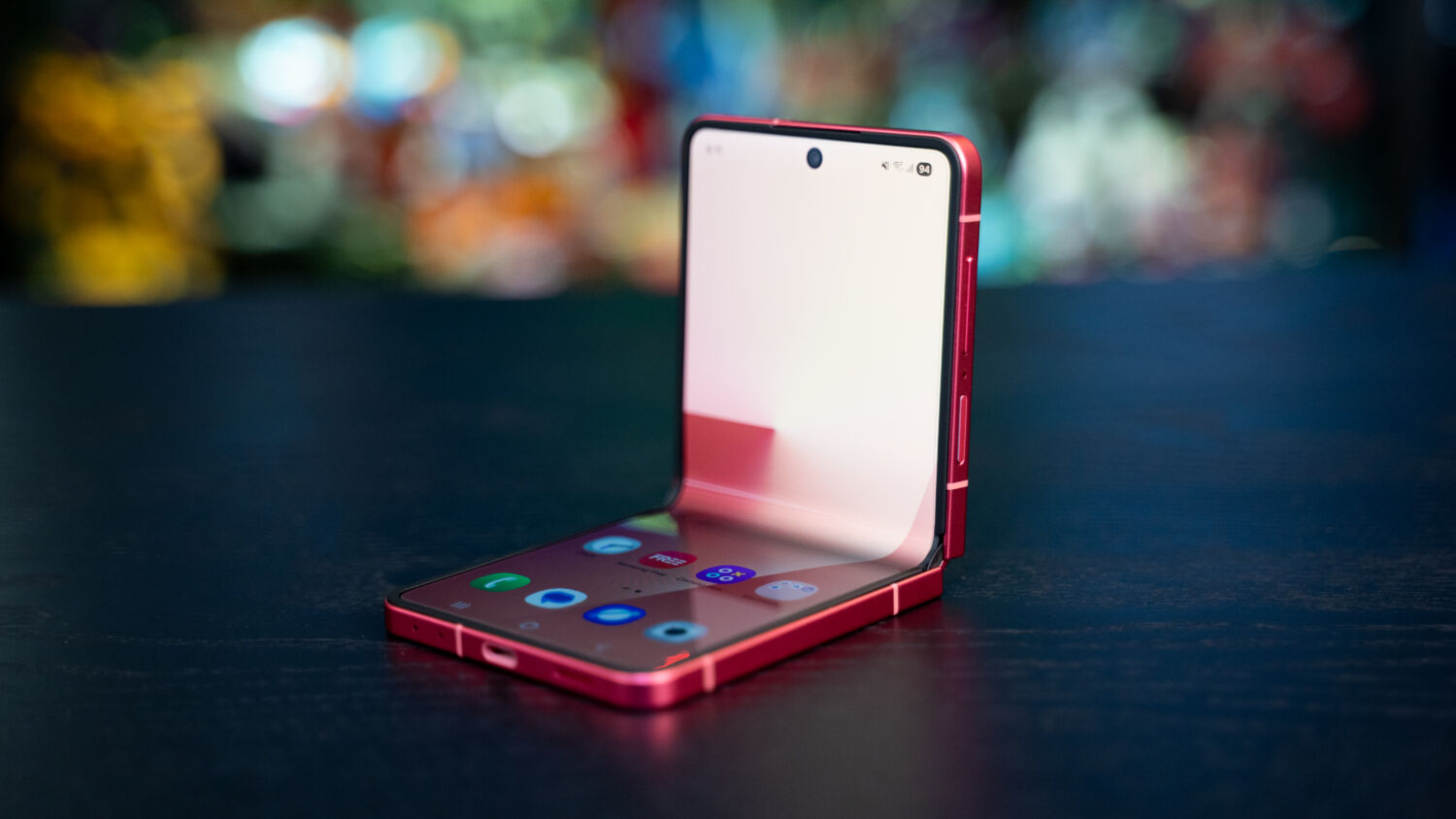
In terms of design and build, the Galaxy Z Flip 7 sticks to the status quo, offering the same port and button makeup of past iterations, with a SIM slot on its upper left side, its volume rocker and power button (which also functions as a fingerprint sensor) on the right, and a USB-C port at its base. Its hinge design has also seen an improvement, dubbed the Armor FlexHinge, making the gap between ends when closed thinner than ever, while making the device feel durable even after continuous folds, although its stiff movement means that flicking it open like an old-timey flip phone remains an unattainable dream.
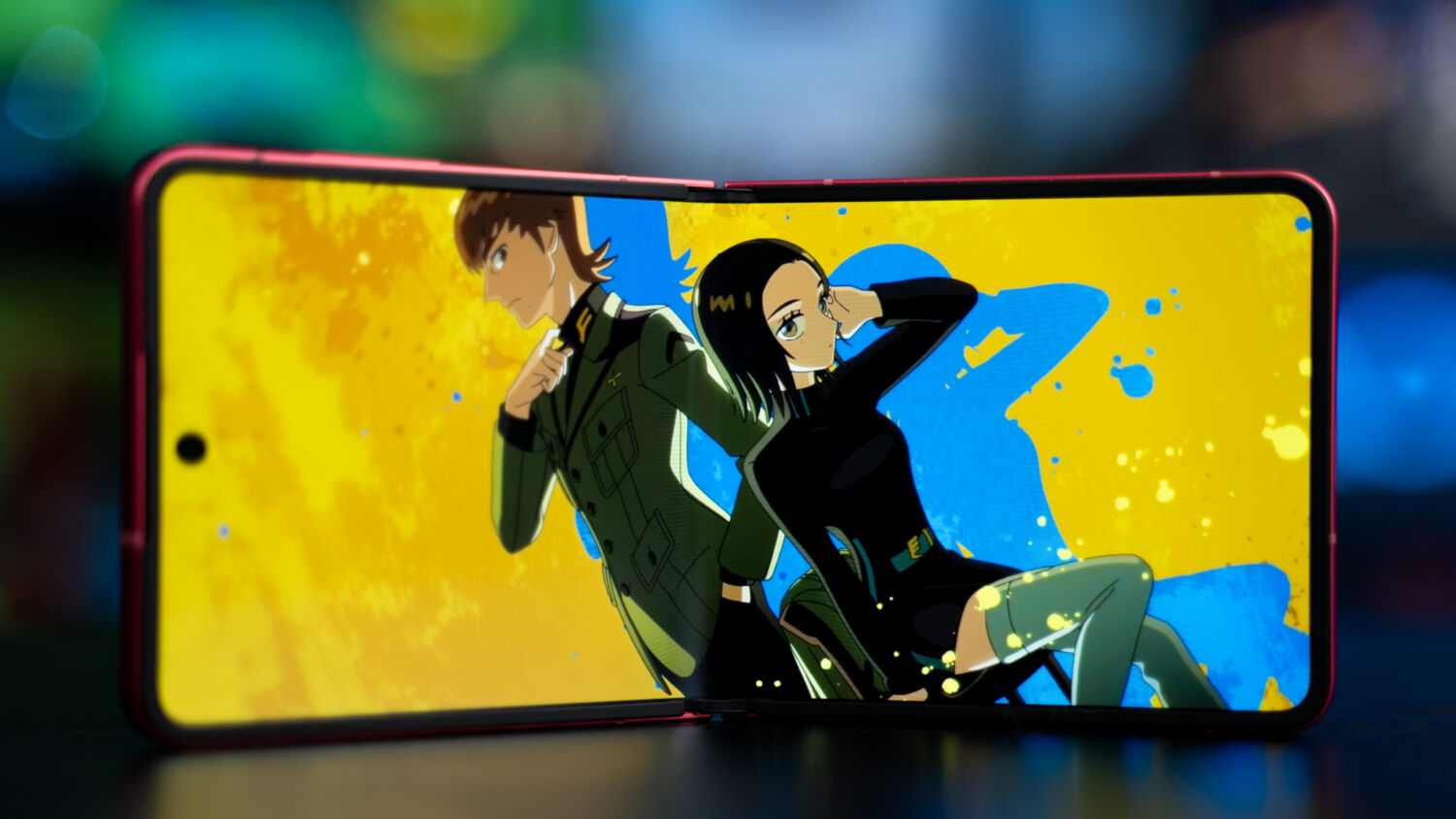
Once unfolded, the Galaxy Z Flip 7 touts a 6.9-inch FHD+ (2,520 x 1,080 resolution) AMOLED main display capable of running at a smooth 120Hz refresh rate, and with the device measuring 166.7 x 75.2 x 6.5mm, it also marks the slimmest Galaxy Z Flip yet. Despite being built from a sturdy aluminium frame, one downside of the phone’s tall yet narrow stature is that it’s rather unwieldy in use, with the device’s balance feeling slightly off even for someone with larger hands. This unevenness can also be attributed to its top-heavy design, with the extra weight of its camera module and cover screen exacerbated due to its otherwise slim and light design.
As a continued side effect of its foldable design, the visible crease along the middle of the screen fortunately doesn’t get in the way of the viewing experience most of the time, although it’s quite noticeable when looking at the screen from certain angles, especially when the phone is laid flat on surfaces. Apart from this unescapable grievance, its AMOLED screen delivers vivid colours and decent contrast for an overall pleasant viewing experience.
Perhaps the only major shakeup the Galaxy Z Flip 7 offers over past iterations lies beneath the hood, as Samsung has chosen to stick to proprietary technologies for its graphical hardware this time around, as opposed to popular third-party options. After a lengthy run with Snapdragon and Adreno, the device now packs a 10-core Exynos 2500 processor and Xclipse 950 GPU, alongside 12GB of RAM.
Taking a risk with this change in technology seems to have paid off, as this offers topline performance expected in a flagship phone, handling day-to-day use, multitasking and simultaneous app launching without a hitch, even running demanding games like Wuthering Waves smoothly with a few tweaks to graphic settings.
Its photography front, on the other hand, remains exactly what it was in its previous iteration, offering the same dual 50MP and ultra-wide 12MP rear camera setup from before, alongside a 10MP front camera. This does mean that photos often possess the same oversaturated nature seen in previous counterparts, and it doesn’t perform the best under low-light conditions.
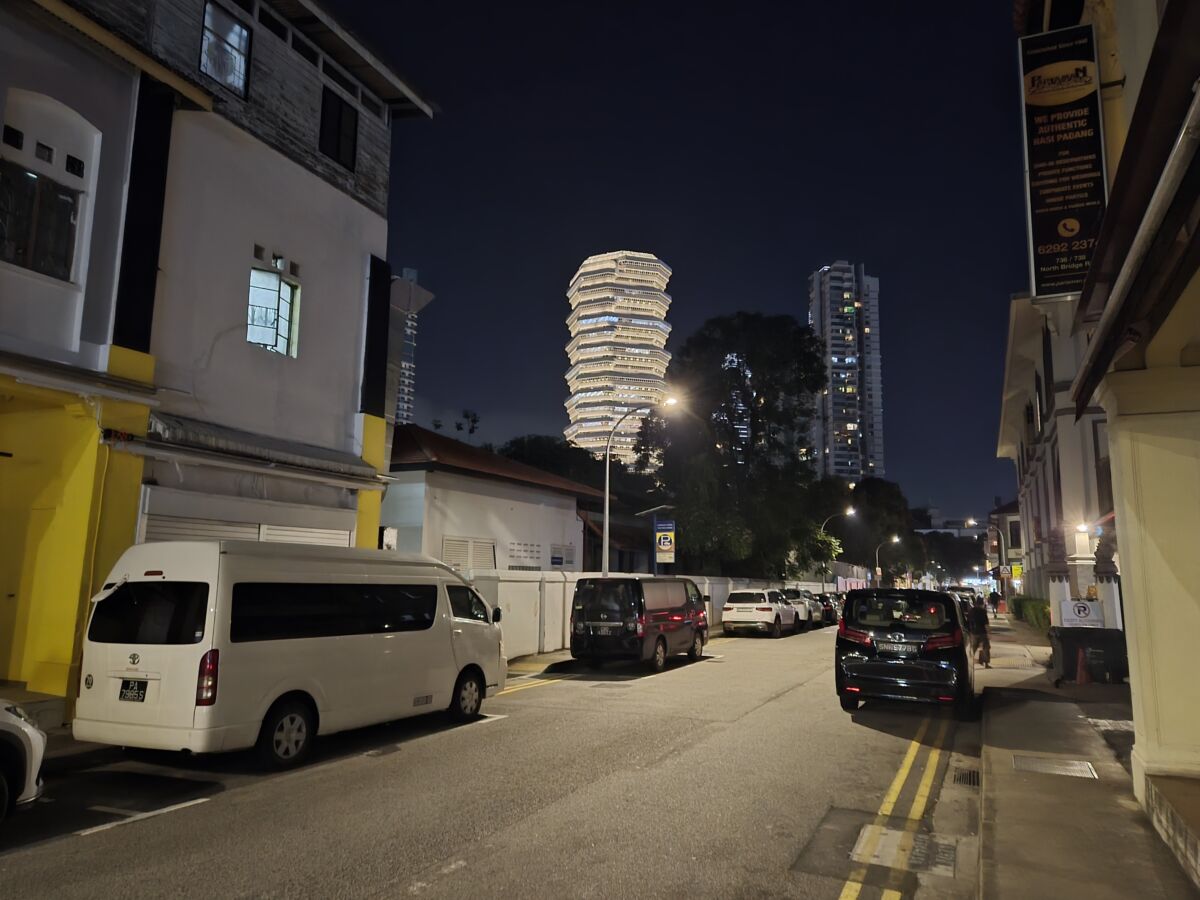







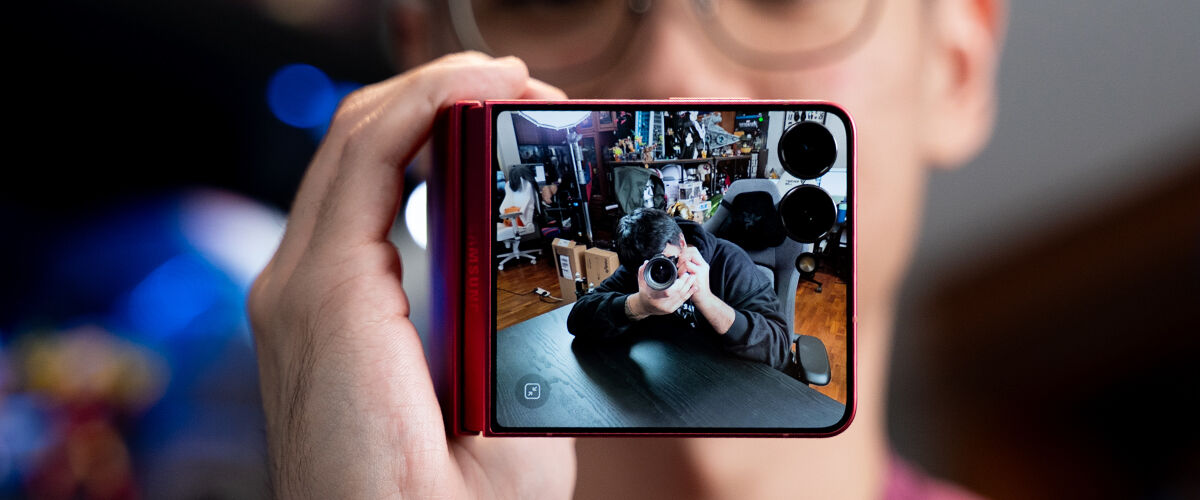
While it’s easy to nitpick its shortcomings, one shouldn’t forget that the Galaxy Z Flip 7 is a lifestyle device first and foremost, and while it doesn’t push the boundaries of photography, it more than makes up for it with its versatile form factor, which embraces creativity and content creation over all else. Be it folding the phone into an L-shape to use a camcorder, taking quick selfies with a single cover screen tap while folded, or propping it up on a surface for easy group shots, this is a device built for fun, not fidelity.
Despite this, perhaps the biggest downside to the Galaxy Z Flip 7 when it comes to shooting photos is just how hot the phone gets even after mere minutes of use. This can probably be attributed to its slimness, which doesn’t leave much room for effective thermal management, with the same uncomfortable levels of heat present when running games too. On the upside, this also means that the device dissipates heat fast while not in use, which to be fair, doesn’t so much balance out the issue, but rather soften the blow.
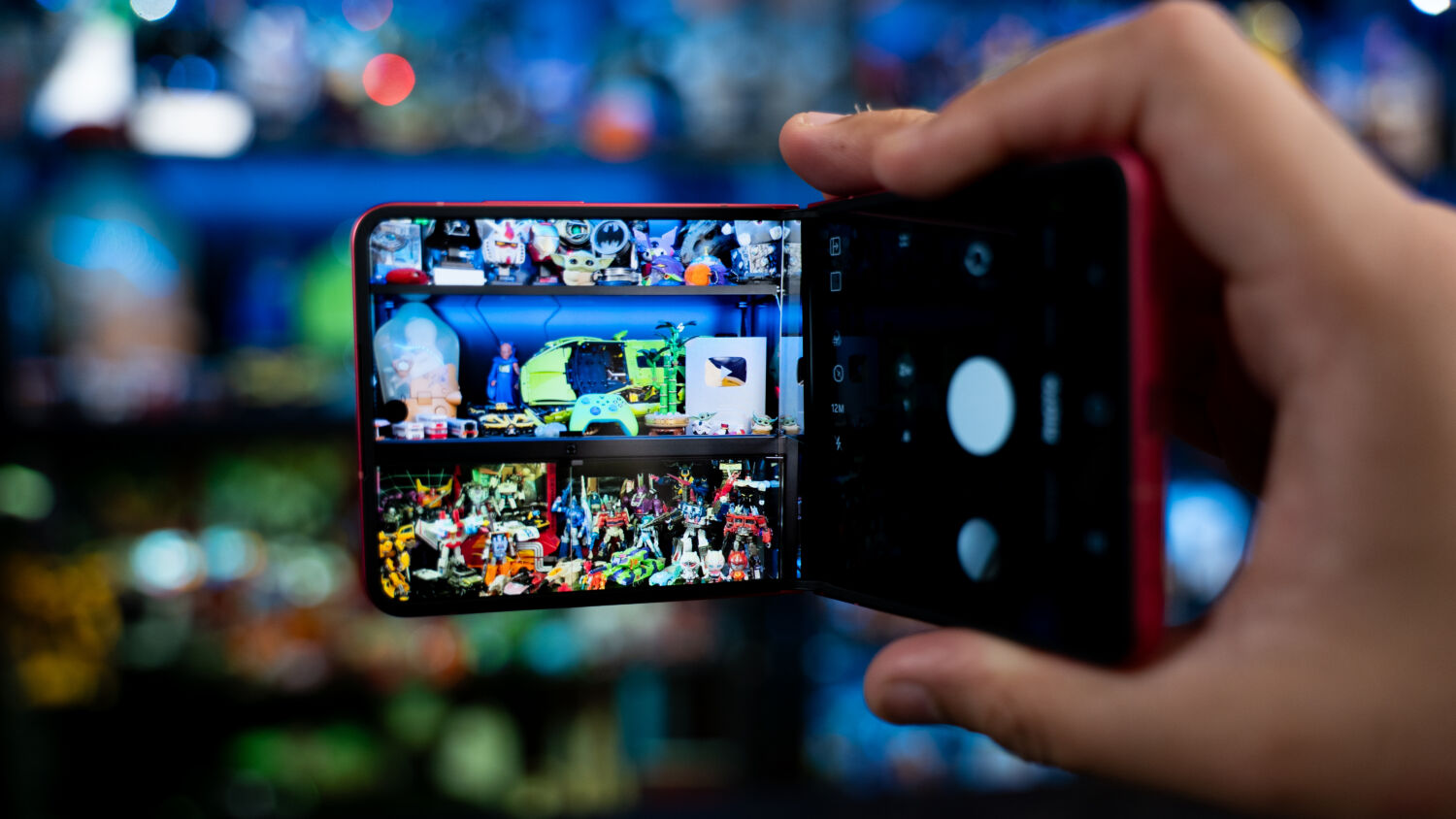
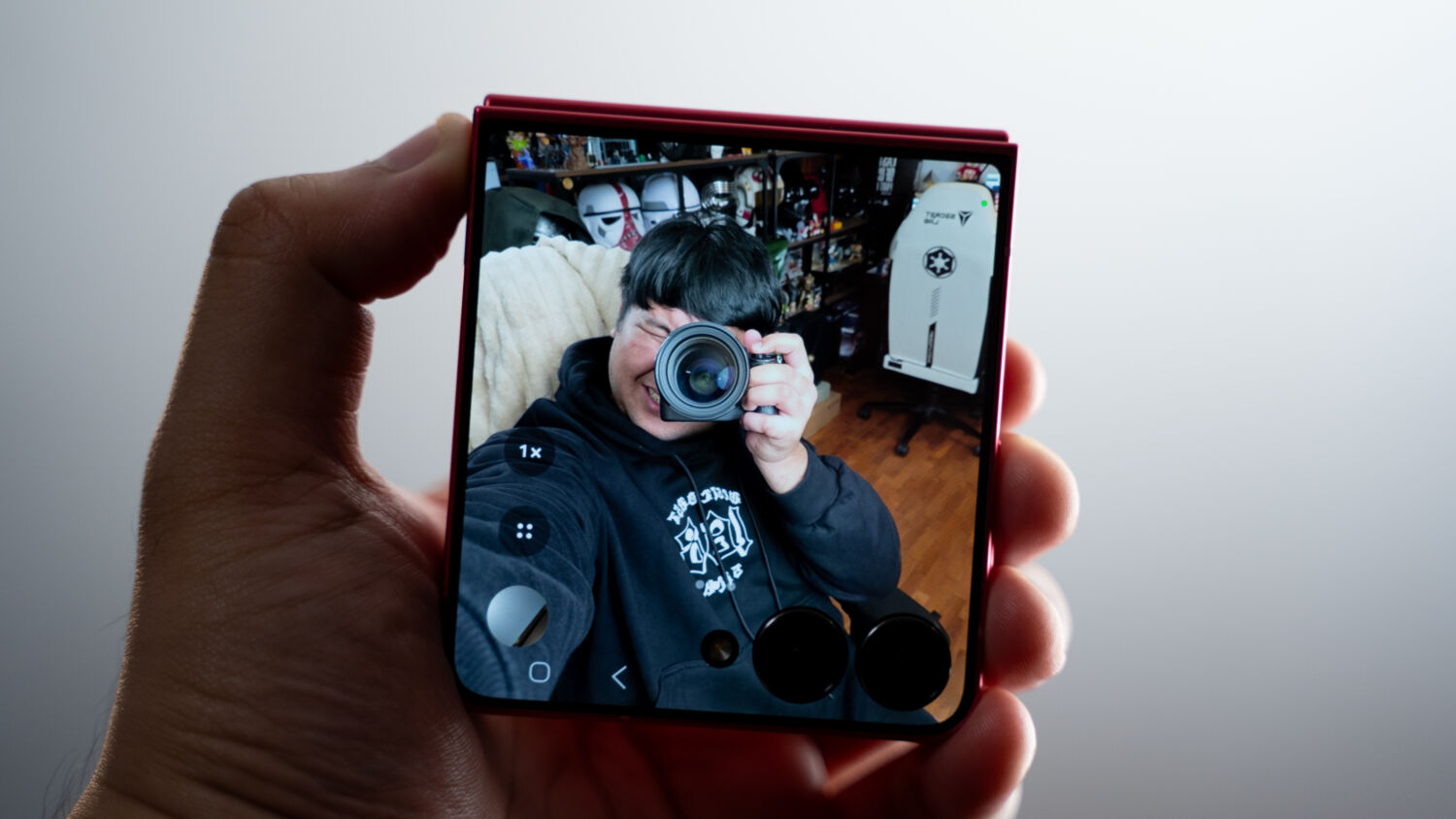
As with all devices of the generation, artificial intelligence is deeply incorporated into everyday use, and here, it’s no different, housing Samsung’s Galaxy AI suite of intelligence features across most of its core functions, such as photography, which uses AI to analyse each image taken, sharpening blurry areas and smoothening rough edges for a crisper final look, AI Zoom which automatically recognises faces when taking selfies or group shots, and gesture detection, which begins a countdown automatically when the subject raises their palm.
During everyday use, the phone’s AI features also help with productivity, as apart from companions like Google Gemini, which can be used even while folded, the Galaxy Z Flip 7 also features the Now Brief and Now Bar, with the former providing a personalised rundown of a users daily activities, such as weather information, gallery images taken or battery usage at a glance, and the former doing the same while the phone is folded. Of course, these AI features are purely optional, but are still readily available and intuitive to use, and will certainly enhance the user experience for those who wish to engage in them.
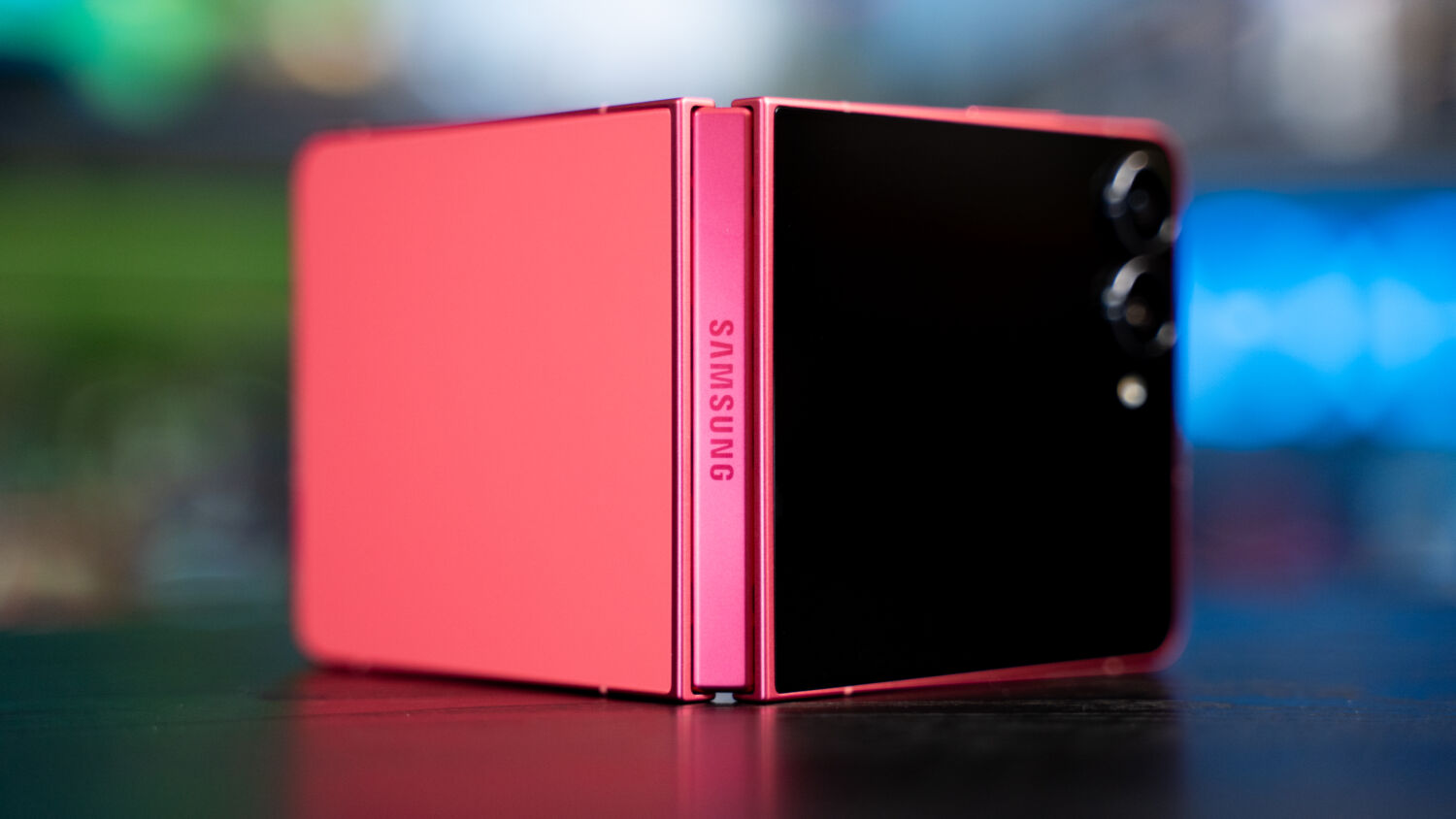
Starting at S$1,648 (12GB + 256GB configuration), the same initial price as its predecessor, the Samsung Galaxy Z Flip 7 does present notable updates to previous iterations, especially in terms of its build quality, battery life, and its expanded cover screen. This isn’t the perfect foldable that Samsung is no doubt working towards; it would need to fix its heat issues before it can even come close to reaching that goal, but it certainly comes close.
GEEK REVIEW SCORE
Summary
Doubling down on its creator-centric design, the Samsung Galaxy Z Flip 7 is less of an evolution and more of an enhancement of the company’s tried and true foldable formula, building upon unique selling points with its edge-to-edge cover screen and improved battery life while leaving other aspects, like its camera setup, relatively untouched.
Overall
8.2/10-
Aesthetics - 8.5/10
8.5/10
-
Build Quality - 8.5/10
8.5/10
-
Performance - 8/10
8/10
-
Value - 8/10
8/10
-
Geek Satisfaction - 8/10
8/10

Kevin is a reformed PC Master Race gamer with a penchant for franchise “duds” like Darksiders III and Dead Space 3. He has made it his life-long mission to play every single major game release – lest his wallet dies trying.
 Si Jia