
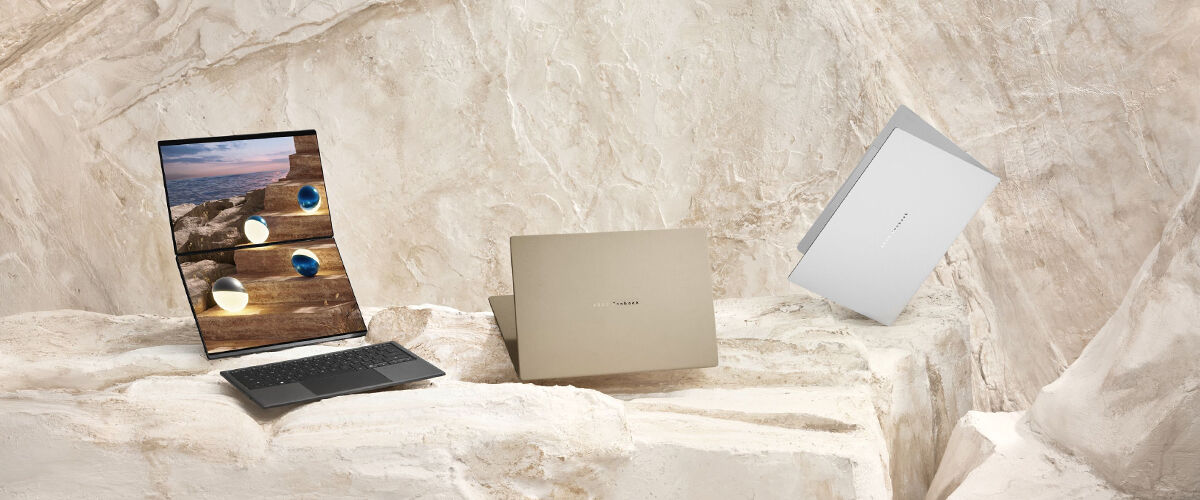
ASUS had plenty to show on the gaming front for CES 2026, and it’s only fair that its non-gaming offerings receive the same treatment. Hot on the heels of a ROG X Kojima Productions team-up, the tech giant continues to showcase the collaboration spirit through its ProArt laptops and GoPro.
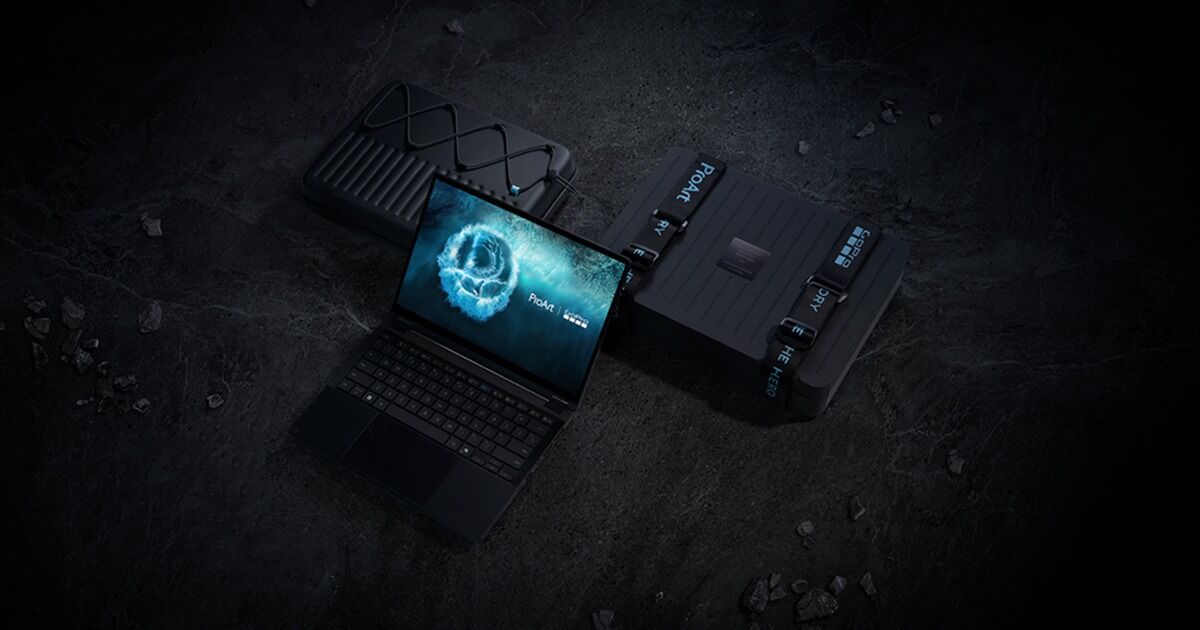
Stepping in as the headliner of the series, the ProArt GoPro Edition features a rugged, GoPro-inspired pattern on the lid, a black metal finish, and a blue-accented keyboard backlighting. It measures 298.2 x 209.9 x 15.8 mm and weighs 1.39kg, with the GoPro Player — accessed via a one-touch hotkey — and the ASUS-exclusive AI app StoryCube designed to deliver a seamless workflow.
The first Windows app to integrate both GoPro Cloud media and 360-degree video, it automates cloud sync and sorting, allowing users to categorise popular GoPro activities such as biking, surfing, snowboarding, and more. Complementing an AI-powered search to streamline the process is AI Album, which intelligently organises footage by timeline, device, or activity.
In terms of viewing experience, the 13-inch convertible offers 3K resolution (2,800 x 1,800), a 60Hz refresh rate, a 0.2ms response time, and a peak brightness of 500 nits on a Lumina OLED touchscreen. The ProArt GoPro Edition is powered by an AMD AI Max+ 395 processor and AMD Radeon Graphics under the hood, sporting a 50 TOPS NPU, 128GB of RAM, and up to 2TB of storage.

Other notable features include stylus support, the ASUS DialPad for creative app control at the fingertips, a 73Wh battery, and a 12-month GoPro Premium+ subscription that grants access to unlimited cloud storage and advanced editing tools. A standard ProArt PX13 option is also available, sans the GoPro-specific tools.
Meanwhile, the ProArt PZ14 presents an upgrade to ASUS’ most powerful creator tablet ever (or so the company claims), packing the 18-core Snapdragon X2 Elite processor with up to 80 TOPS NPU and a Qualcomm Adreno graphics card into a 0.79kg, 9mm-thin chassis. It can be configured up to 32GB of RAM and 1TB of storage, with a 75Wh battery facilitating extended use on the go.
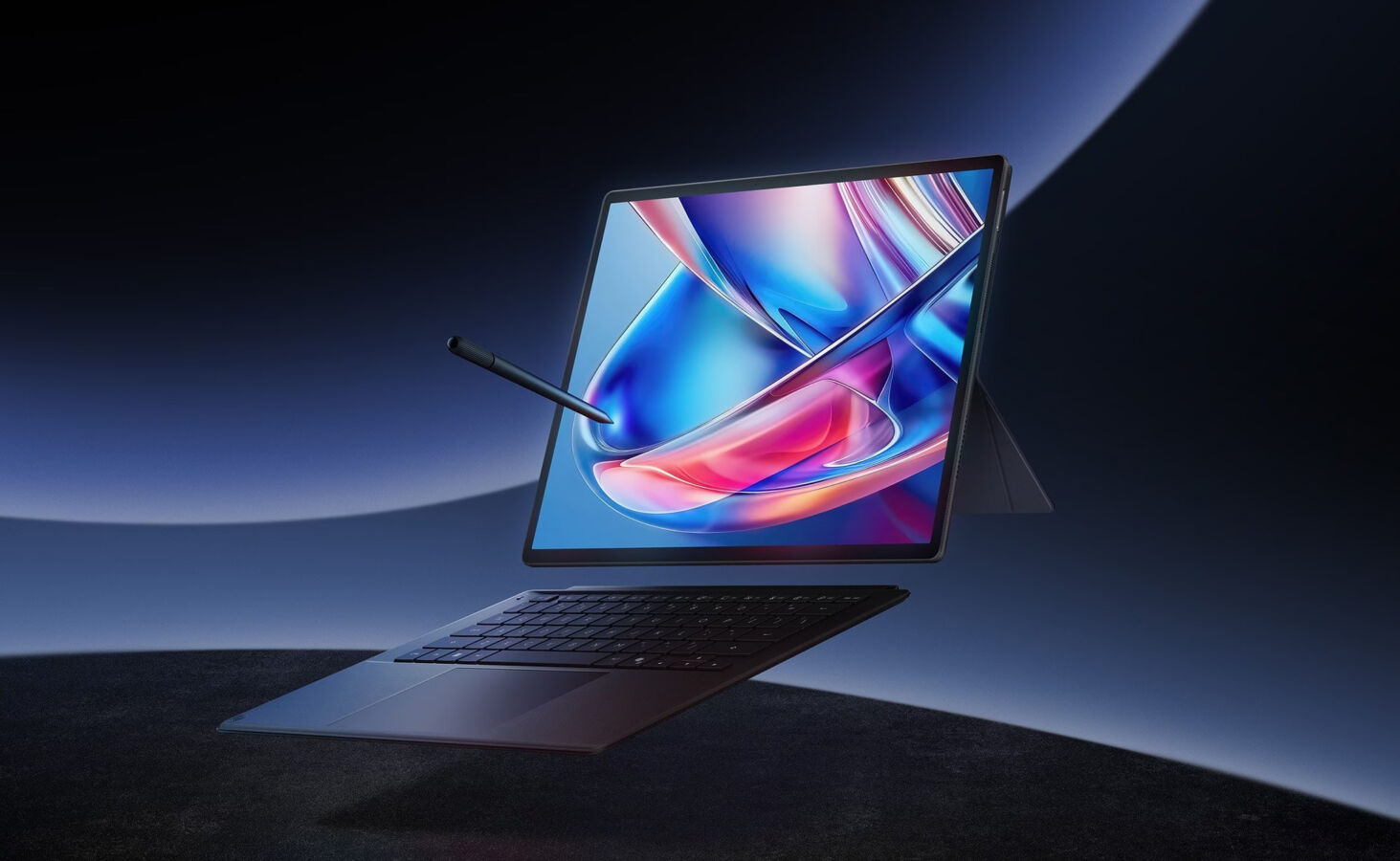
The hardware is paired with a 14-inch Lumina Pro OLED touchscreen that offers 3K resolution, a 0.2ms response time, a variable refresh rate of 1 to 144Hz, a 100 percent DCI-P3 colour gamut, a peak brightness of 1,000 nits, and anti-glare coating.
Alongside a detachable keyboard and the ASUS Pen 3.0, which features haptic and brush-sound feedback, 4096 pressure levels, tilt recognition, and palm rejection, the magnetic stand cover makes it easy for the ProArt PZ14 to shift between different form factors. An extensive port selection is also available, including two 40Gbps USB4 ports for fast charging and external displays, and an SD Express 7.0 card reader for quick transfer.

In addition to the hybrid device, the Snapdragon X2 series of processors can be found on the ASUS Zenbook A14 and A16. Both models run a Qualcomm Adreno GPU, but the former is limited to the Snapdragon X2 Elite chip, and its larger sibling boasts the more powerful X2 Elite Extreme.
There are other slight distinctions — the 14-incher boasts a 60Hz WUXGA OLED display (1,920 x 1,200), versus a 3K 120Hz OLED panel on the Zenbook A16. Base configurations will start with 512GB of storage and 24GB of RAM, and 1TB of storage and 48GB of RAM, respectively.
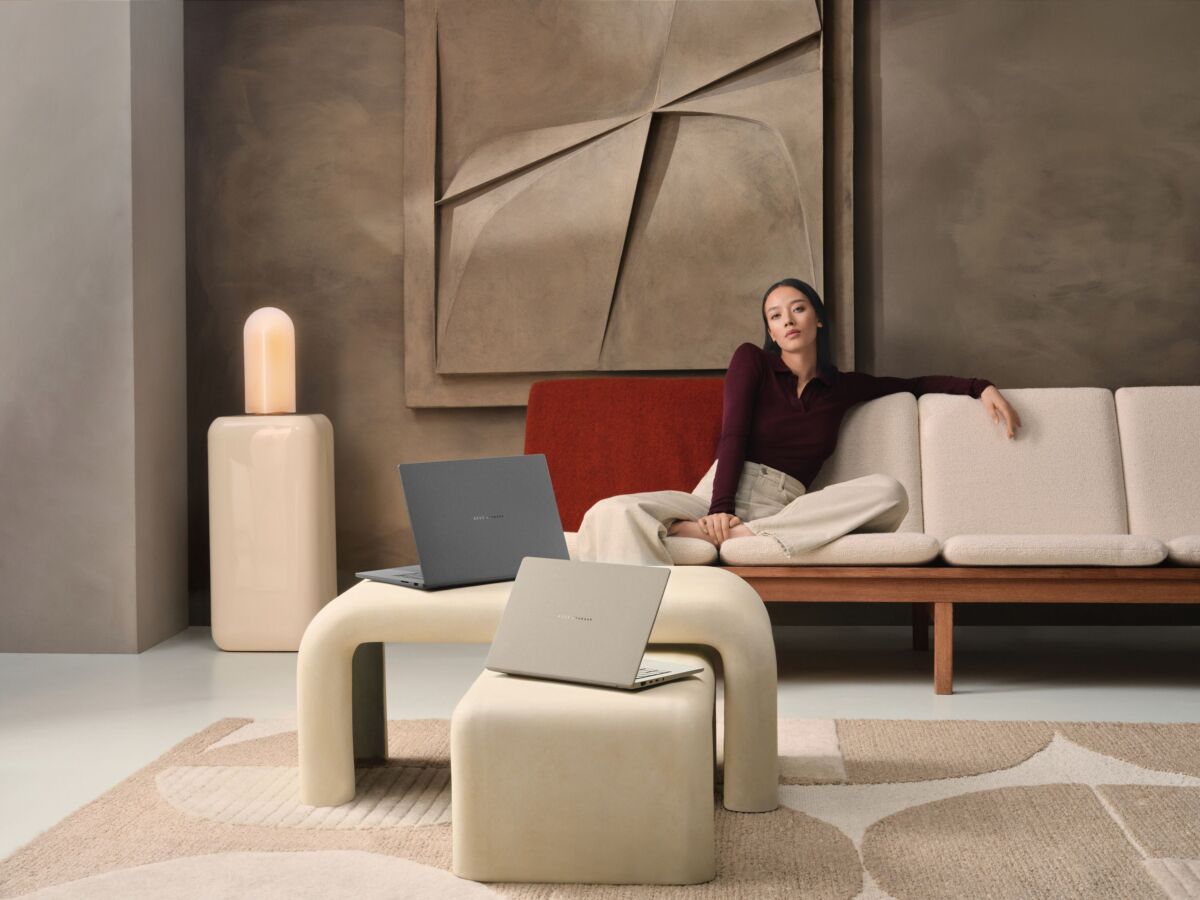
As for the refreshed Zenbook S laptops, the main driver takes the form of Intel and AMD processors. The ASUS Zenbook S14 pairs the new Panther Lake-based Core Ultra chip with an Intel Arc graphics card, while the Zenbook S16 runs up to an AMD Ryzen AI HX 470 and AMD Radeon 890M configuration.
Apart from touchscreen capabilities for the former and the larger 16-inch display, the lineup offers a similar viewing experience: a 120Hz refresh rate and WQXGA+ resolution (2,880 x 1,800). Storage and memory configurations are identical, maxing out at 32GB and 1TB, respectively, but the Zenbook S16 packs a bigger battery (83Whr versus 77Whr) and ships with an extra SD 4.0 card reader.
Leading the charge is the ASUS Zenbook Duo, now upgraded to the latest Intel Core Ultra X9 Series 3 processor with 50 TOPS of NPU and a 99Wh dual-battery layout. Both of its two 14-inch Lumina Pro OLED displays are equipped with 3K resolution, a 0.2ms response time, a variable refresh rate of 48 to 144Hz, up to 1,000 nits peak brightness, and an anti-glare coating.
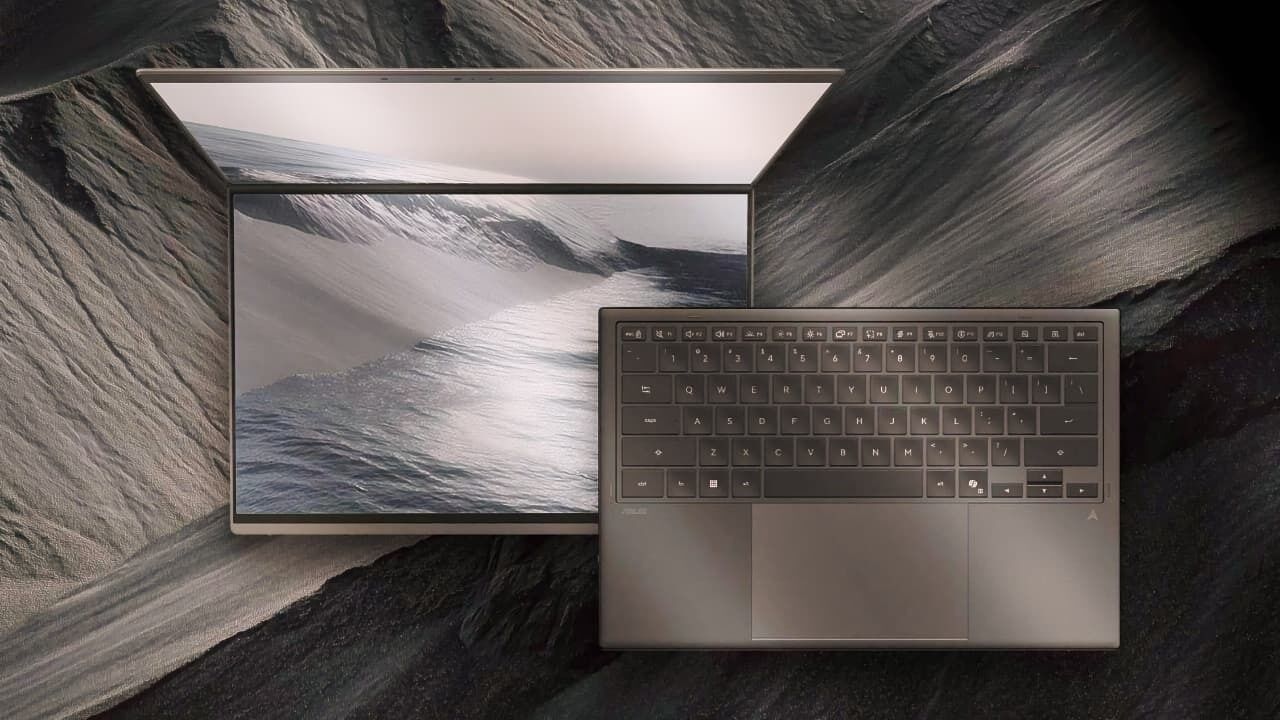
Like before, the 1.35kg device is built for multitasking across various form factors. A new hideaway hinge and a redesigned built-in kickstand allow for a smoother transition between the five work modes that have been carried over to the latest ROG Zephyrus Duo, including Book Mode, which sets both screens in a portrait orientation, and Tent Mode, where the inverted V-frame lets two people use the device simultaneously.
Additionally, users can expect an upgraded six-speaker system, auto-detection when the lid opens beyond 175 degrees, enhanced thermal management, and a detachable keyboard with a new MagLatch docking system.

Si Jia is a casual geek at heart – or as casual as someone with Sephiroth’s theme on her Spotify playlist can get. A fan of movies, games, and Japanese culture, Si Jia’s greatest weakness is the Steam Summer Sale. Or any Steam sale, really.
 Yonk
Yonk
 Kevin Low