
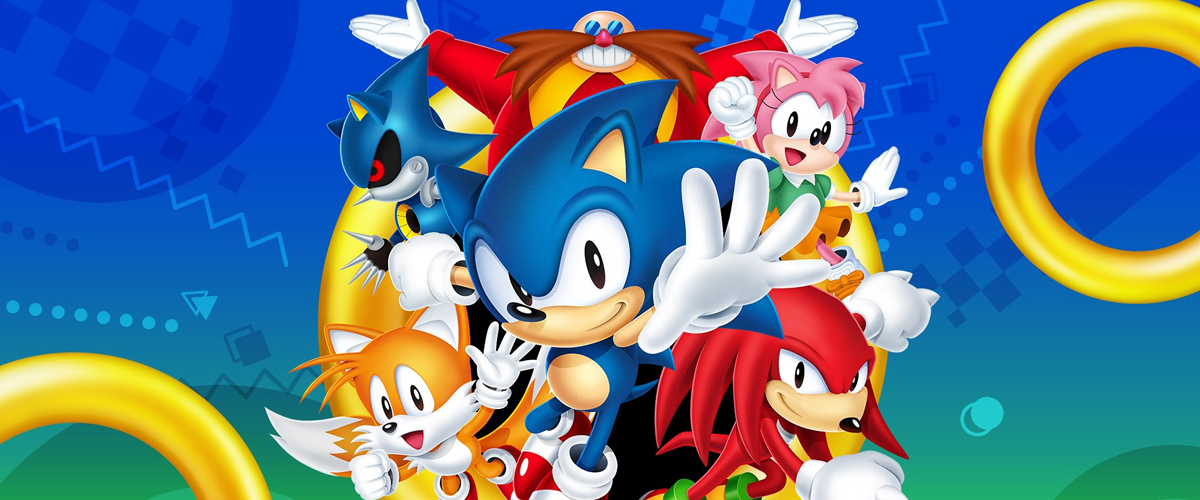
This interview has been edited for clarity.
Before Sega found its mascot, it wasn’t common knowledge that hedgehogs are good runners. They are no cheetahs, but can reach a top speed of around 2.68 metres per second – a more-than-respectable performance for an animal with 2.54-cm-long legs –, so it’s only apt that Sonic the Hedgehog was built on that, and his ball-rolling form when sprinting is a nod to the spiny mammal’s self-defence mechanic.
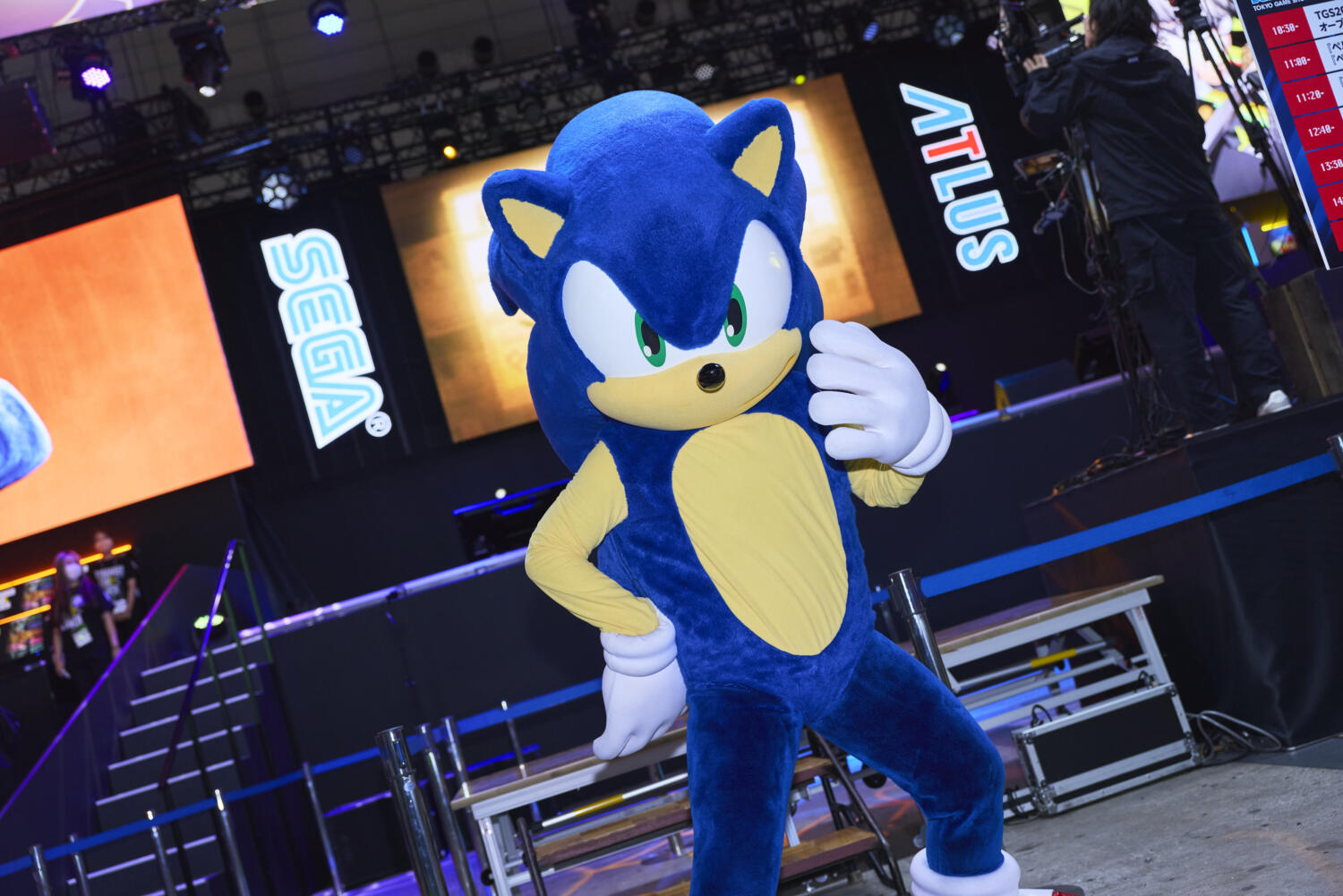
The blue blur, however, was hardly the first choice to represent the brand, becoming official only after an unsuccessful stab at creating a rabbit mascot. From there, he continued to defy the odds, going from an underdog to a powerhouse that put Sega on the list of leading video game companies in the early 1990s, and now a beloved global icon.
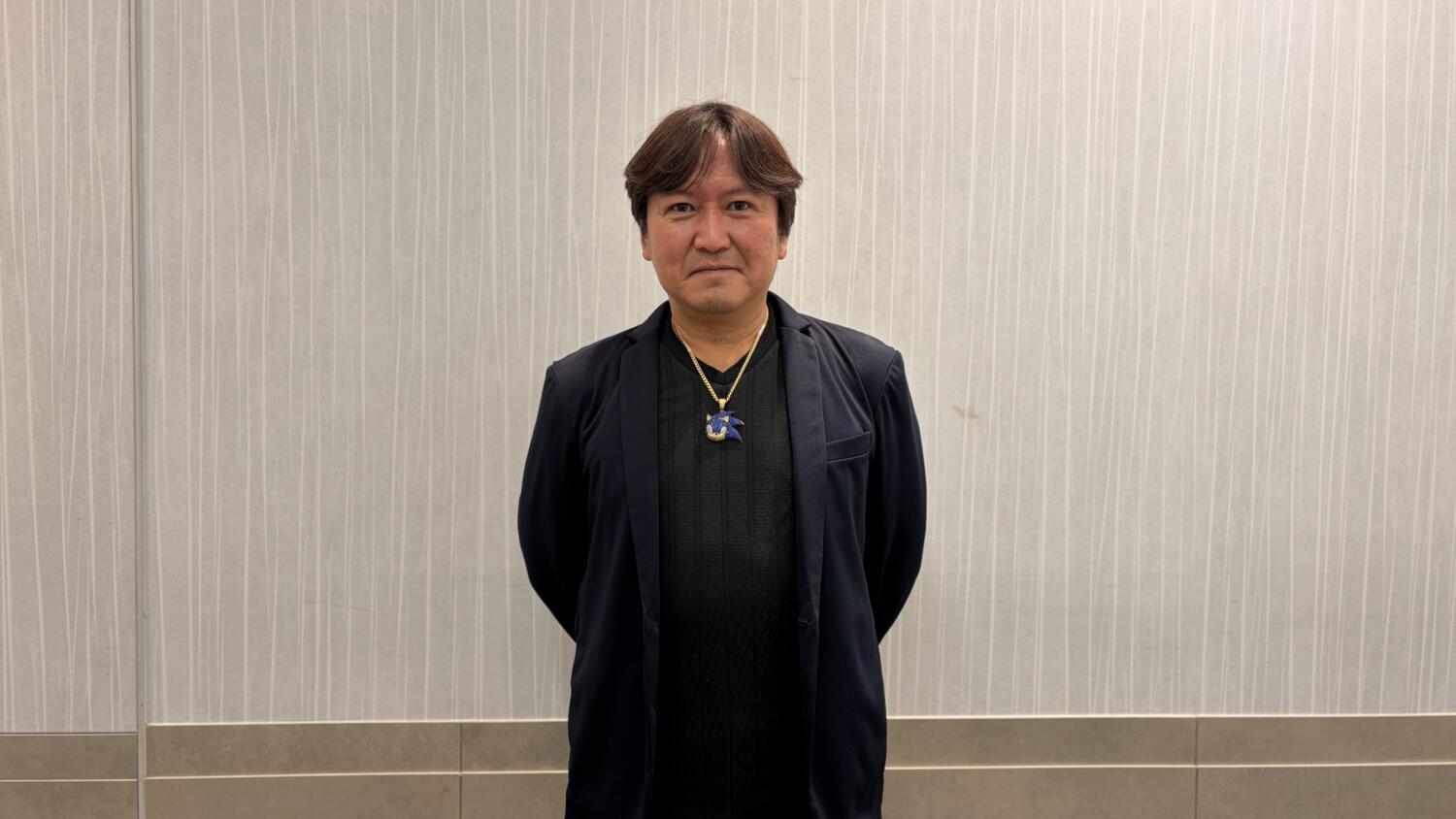
Suffice it to say, Sonic holds special significance for the Japanese juggernaut, most of all creative officer Takashi Iizuka, who has been credited on most mainline titles since 1992. Going fast for 35 years, however, meant losing steam along the way, and at one point, the speedster came very close to hanging up his running shoes for good.
“There have been good times and bad times, and during the worst of it, I was told by the higher-ups that we should cancel the entire franchise,” reveals the 56-year-old to Southeast Asian media during Tokyo Game Show (TGS) 2026.
“I had to fight within the organisation to keep it as long as possible, and the biggest milestone for me was the first movie released in 2020, [which] was a great hit and definitely changed the course of this franchise.”
The film in question is none other than Jeff Fowler’s live-action adaptation starring Ben Schwartz, and the gamble paid off so handsomely that two sequels and the Knuckles Paramount+ mini-series followed. Collectively, the three pics have grossed over US$1 billion worldwide, with a fourth entry and an untitled spin-off in the works, proving there’s indeed a demand for Sonic, his companions, and their combined chaos.
It’s not the only non-gaming venture, either. Past projects include a host of animated shows, from the 78-episode Sonic X to 2022’s Sonic Prime on Netflix, comic works, and animated shorts on YouTube, all developed to make the franchise more accessible. By tapping into different formats, Sega can appeal to a broader audience, especially those with limited or no access to video game media, which is integral to preserving its longevity. Even so, these expansion efforts will remain as is and won’t inspire offshoots, as its origins are still the primary narrative driver.
“The most important thing is that the franchise itself is rooted in video games, and from there, we are branching out into other media, such as movies and anime,” stresses Iizuka. “We’re just going to base everything on the video games, and that’s our core principle.”
In a way, it also respects the significance of the Sonic Adventure titles that he describes as “most important” throughout the series. The 1998 debut introduced 3D gameplay and voice acting for Sonic that would later form the foundation for classic Sonic – a main focus for the team, with plans to develop more 2D platformers in the vein of Sonic Mania and Sonic Origins.
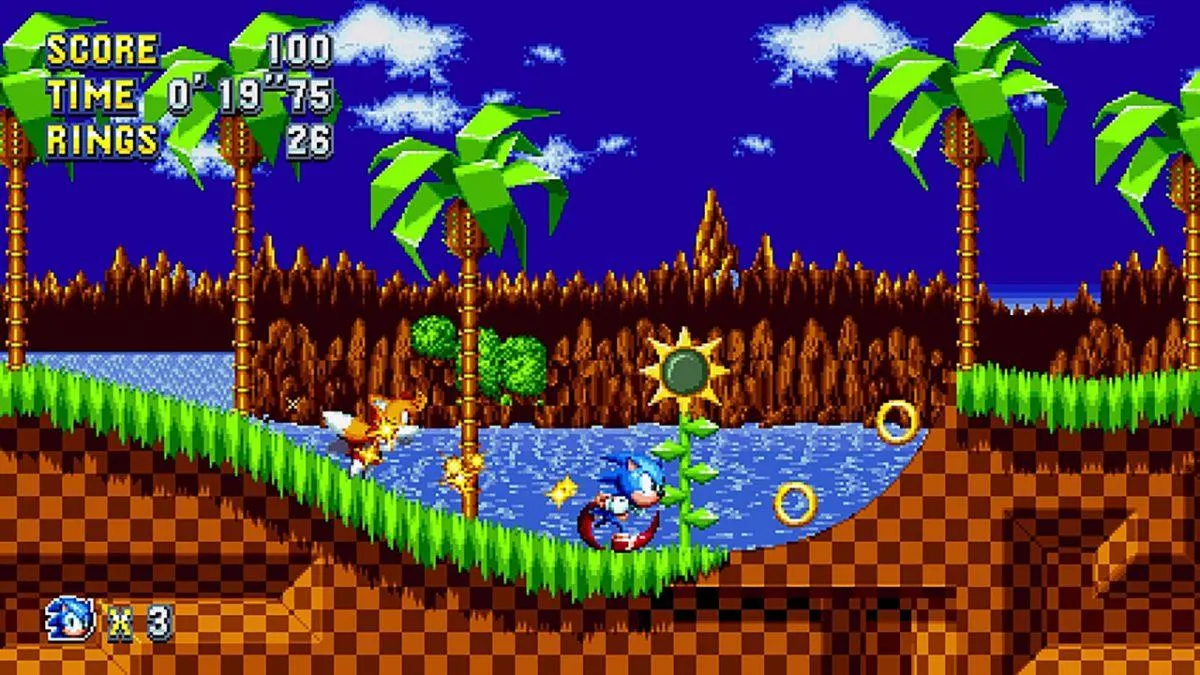
The other is modern Sonic, which emphasises the character’s cool personality and appeals more to the recent fan base. Bridging the gap between generations takes more than iterations of the blue blur, though, and his dynamics with other characters, such as Tails, first introduced in Sonic 2, and Knuckles, in the third mainline entry, are key to ensuring relevance across fans from all walks of life.
Citing Goku from the Dragon Ball series, Iizuka explains, “For example, he has a child, and then the relationship between each character changes across the whole animation, so when you think about new fans and those who’ve been with us from the very beginning, so between them, there might be different understandings of these relationships.”
“For animations, you need stories, and people have to watch them from the start to understand the whole story. But Sonic is essentially a gaming franchise, so players, of course, will not buy every instalment of the series and miss out on some of the stories. As a core principle, we ensure that the relationships between Sonic, Knuckles, Tails, and Amy will remain the same throughout,” he continues.
It paints a stark contrast to the 2000s, when players wanted the games to focus on Sonic, and wouldn’t pick anyone other than the hedgehog himself in Sonic Adventure, despite having six playable characters – the aforementioned quartet, Big the Cat, and E-102 Gamma – and it wasn’t until later that their popularity increased.
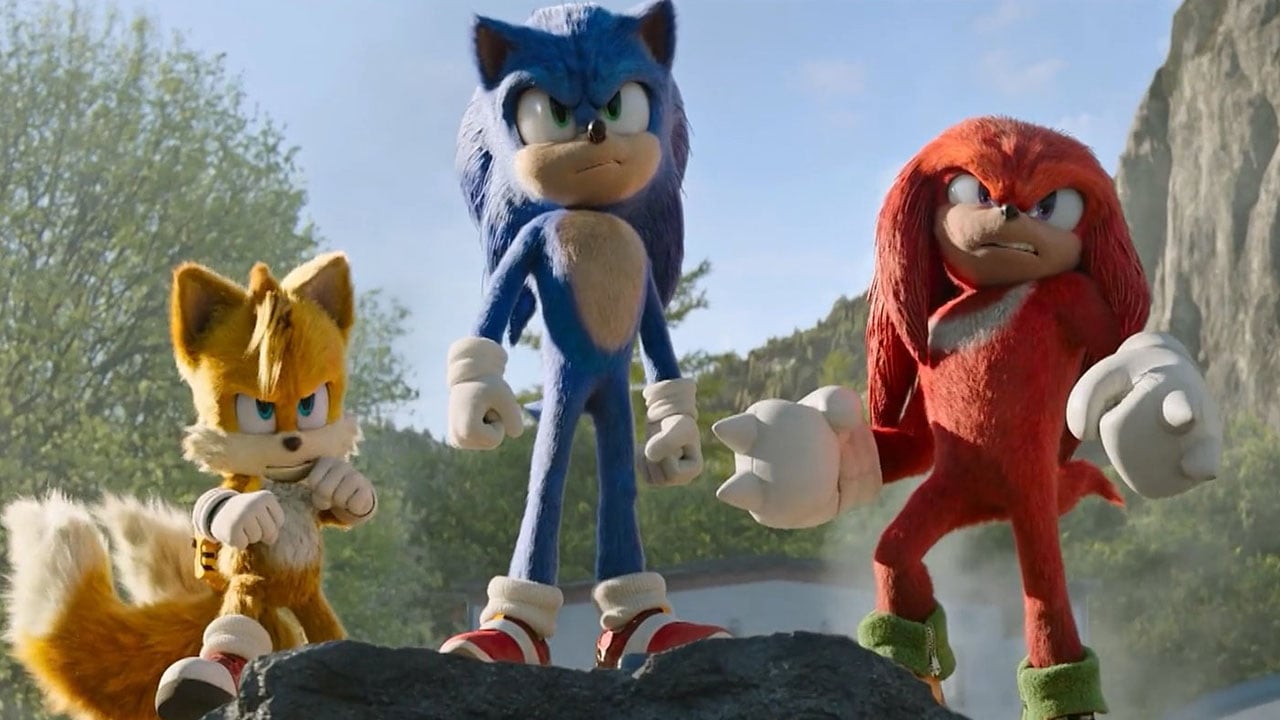
“With the introduction of the animations and movies, many fans started to realise these different characters and found their own attractions”, shares the series veteran. “Now, with the movies, Sonic, Tails, and Knuckles, as well as the new Amy, have been very, very welcomed by fans.”
The secret behind the trio’s synergy, in particular, lies in their opposing personalities. A common trope in fiction, it serves as a foil to the “three’s a crowd” saying, and here, Sonic, Tails, and Knuckles balance one another out with act-first-think-later behaviour, planning tendencies, and brute-force problem-solving, respectively.
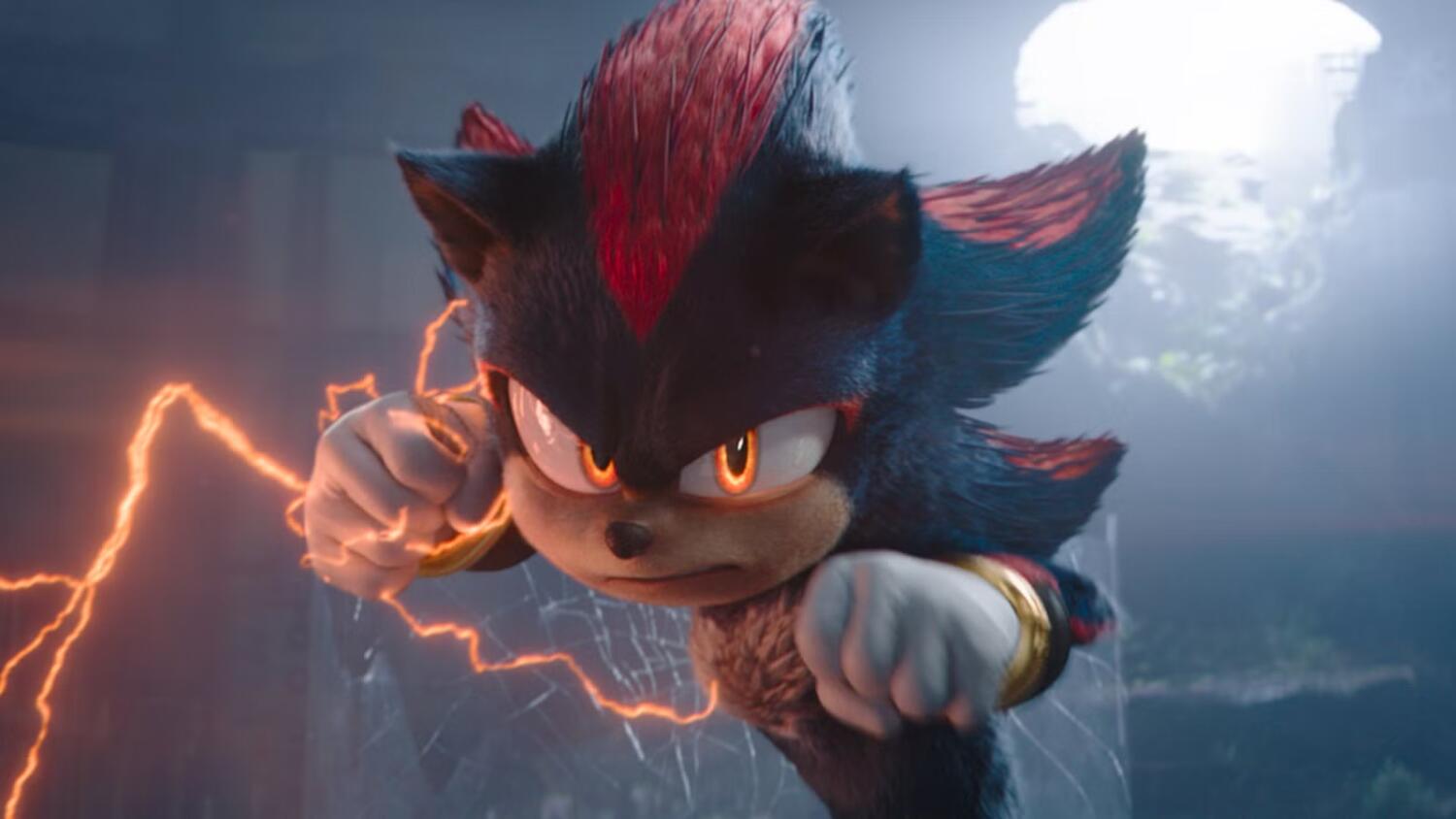
For Knuckles, his evolution marked a major departure from the team’s initial vision. The echidna was designed purely as an adversary to Sonic, but eventually became a fan favourite with his own drama series, and the same goes for Shadow, the broody hedgehog who raced to the big screen with Sonic the Hedgehog 3, voiced by The Matrix star Keanu Reeves.
“When we created them in the beginning, we only thought of them as rivals to Sonic, so we introduced them as rival characters, and when they have really good characteristics, they start to gain popularity on their own,” recalls Iizuka, before dropping a bombshell reveal:
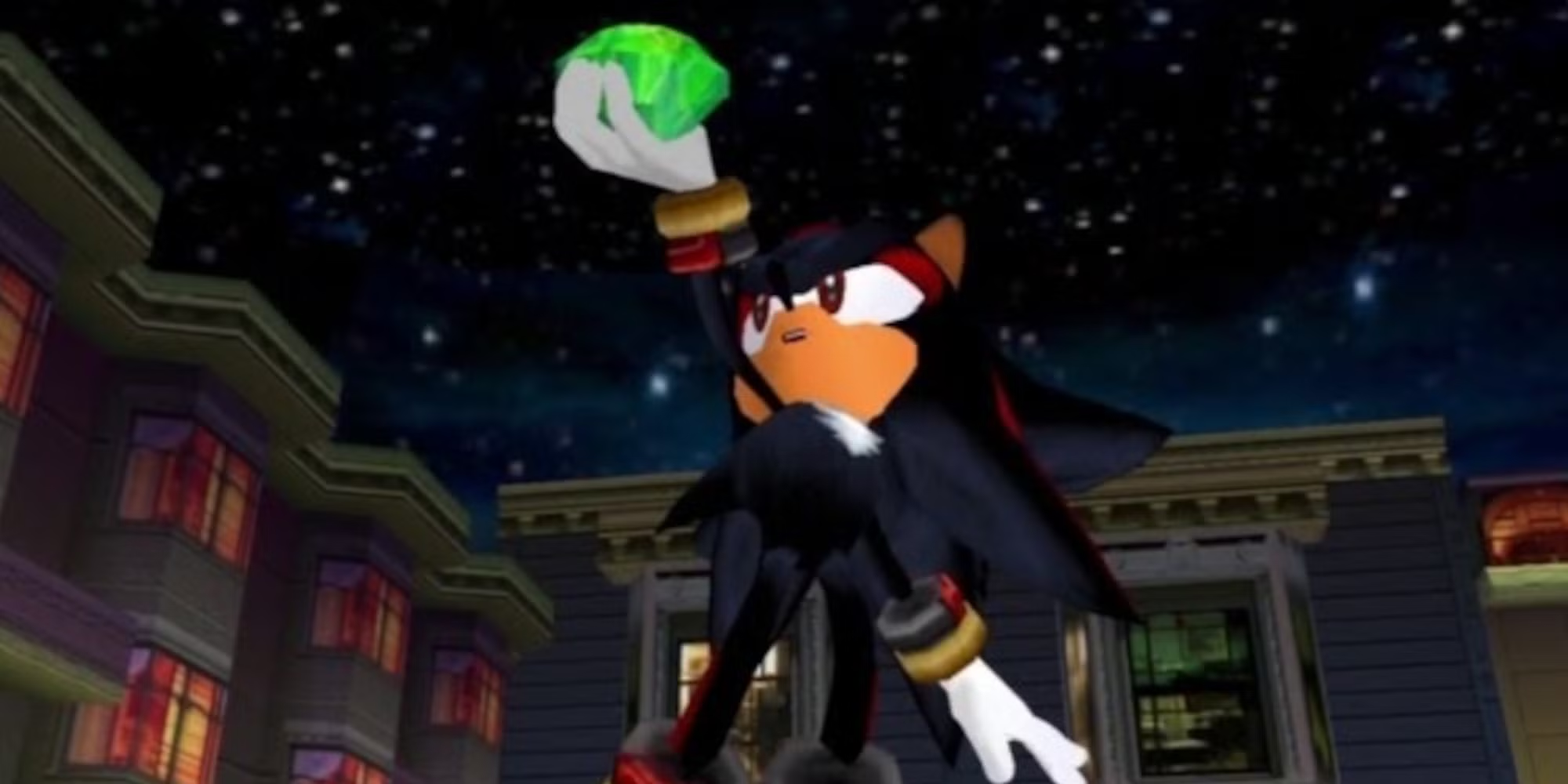
“If you’ve played Sonic Adventure 2, people may know that Shadow sort of died at the end, and we originally intended for him to die, but he was just so very popular that we decided to revive him in Sonic Heroes.”
Indeed, the jet-black antihero has enjoyed a fair bit of the spotlight recently. 2024 was dedicated to the “Fearless: Year of Shadow” campaign, with Sonic X Shadow Generations marking his first playable role since 2006, and an accompanying animated miniseries delving into his backstory. Then came the third live-action feature, where he had a major role in the overarching story and, according to the creative producer, is now almost as popular as his blue counterpart, toppling the traditional hierarchy of Sonic, Tails, and Knuckles. Good news for fans – his story is far from over.
Iizuka admits, “He’s my favourite character, so I want to have more opportunities where Shadow can grow his appeal; I want to focus on him a little bit more.”
Looking back over the past 35 years, the industry veteran shares that it took a lot of hard work, possibly more than raising his children, to reach this milestone. The games hadn’t really seen much success in Japan, sales-wise, and the lack of exact figures made it difficult for the development team to gauge their reception on home soil, prompting members to switch to another project or depart the company altogether. Now that franchise is still going strong, he wants to prove a point: that Sonic has the power to impact the world, and that it’s become a very popular series in the West.
There’s proof to back that up, too. Recounting an anecdote from an autograph-signing session at Japan Expo in France, Iizuka shares how a blind fan told him that they had a lot of fun playing the Sonic titles, made possible by their one-direction movement to the right, and the audio cues that play when the player reaches the goal.
“At that time, I never really had that perspective; I never really thought about that before, but I was very moved by that experience because I got to know that we’ve been creating these ways to enjoy for various people,” Iizuka expresses.
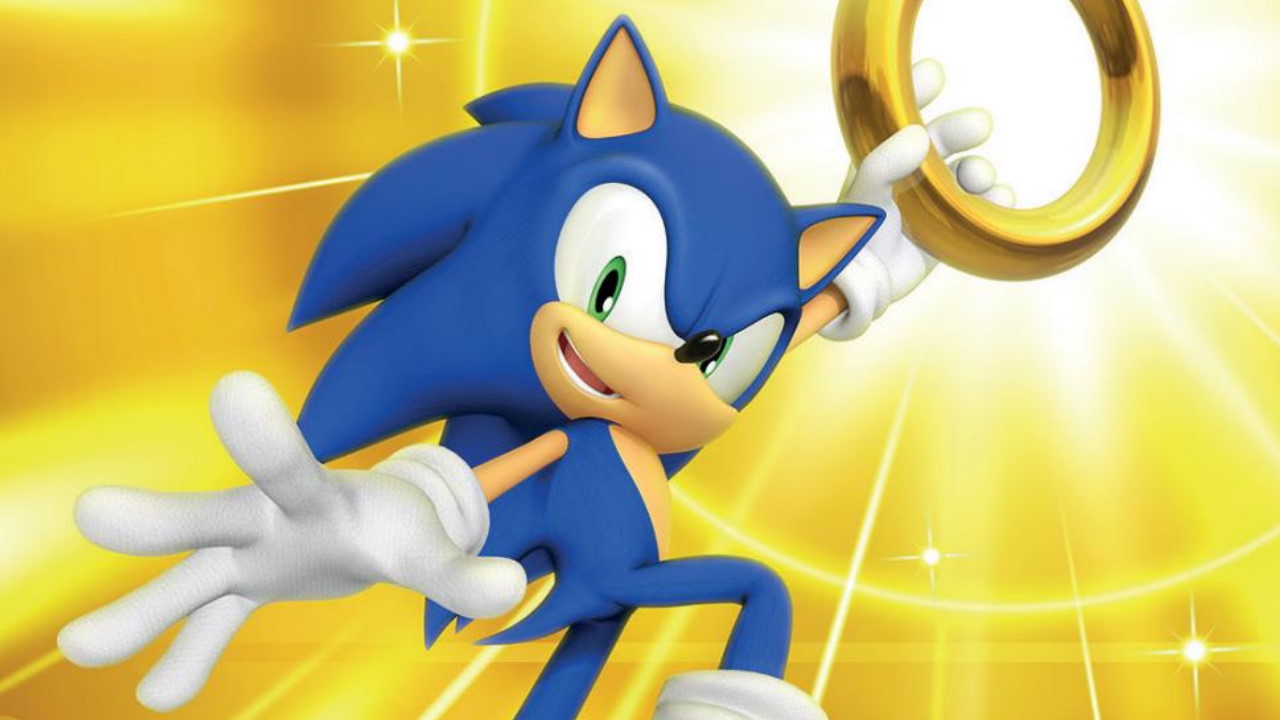
As for the future, fans can certainly expect new projects on the way, including a yearly release of Sonic-related media, be it anime, movies, or video games. Next in the pipeline are Sonic the Hedgehog 4, slated to debut on 19 March 2027, and a children’s cartoon for Netflix, as part of a partnership between the streamer and Sega. No word yet on the next gaming entry, but one thing’s for sure: it won’t be numbered, because fans may “get bored or disinterested”.
“We just don’t continue the instalments,” Iizuka affirms. “We think about the different identities within each of the different entries, and we continue to challenge and push the boundaries.”

Si Jia is a casual geek at heart – or as casual as someone with Sephiroth’s theme on her Spotify playlist can get. A fan of movies, games, and Japanese culture, Si Jia’s greatest weakness is the Steam Summer Sale. Or any Steam sale, really.


 Joey Leong